





 Portuguese
  English
  Spanish
  5 min of reading
  0 comments


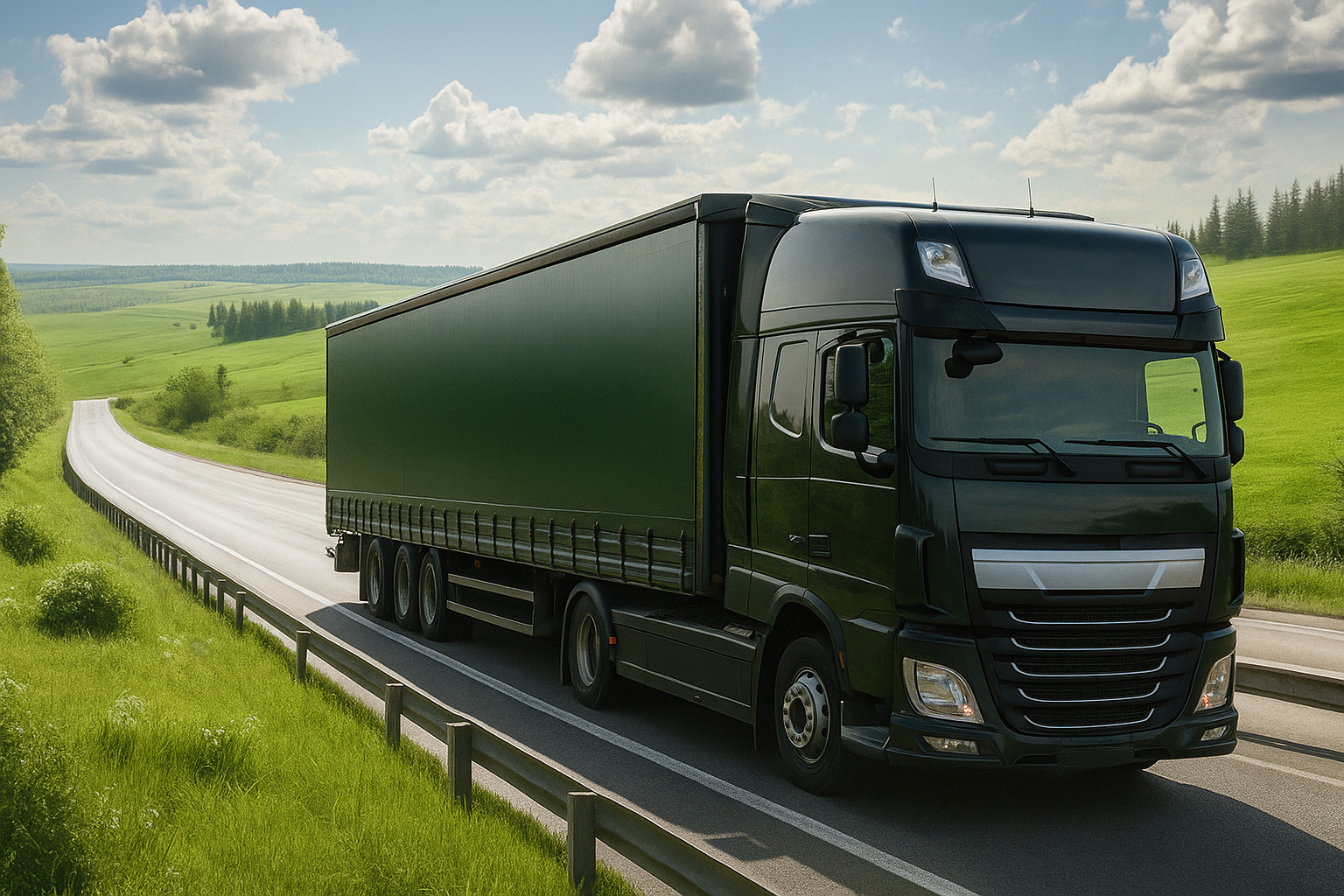
Seeking Financial Support to Modernize Fleets, the Transport Sector Discusses Clean Energy Credit and Investments in Sustainable Technologies.
The road freight transport sector in Brazil faces significant challenges related to sustainability and reducing greenhouse gas emissions.
Moreover, traditionally reliant on fossil fuels. This segment of the economy generates a significant portion of the country’s emissions, accounting for around 93% of the total in the transport sector.
Therefore, representatives of the freight transport sector met in Brasília on September 17, 2025, with the Vice President and Minister of Development, Industry, Commerce, and Services, Geraldo Alckmin, to discuss ways to expand access to clean energy credit aimed at the sector.
-
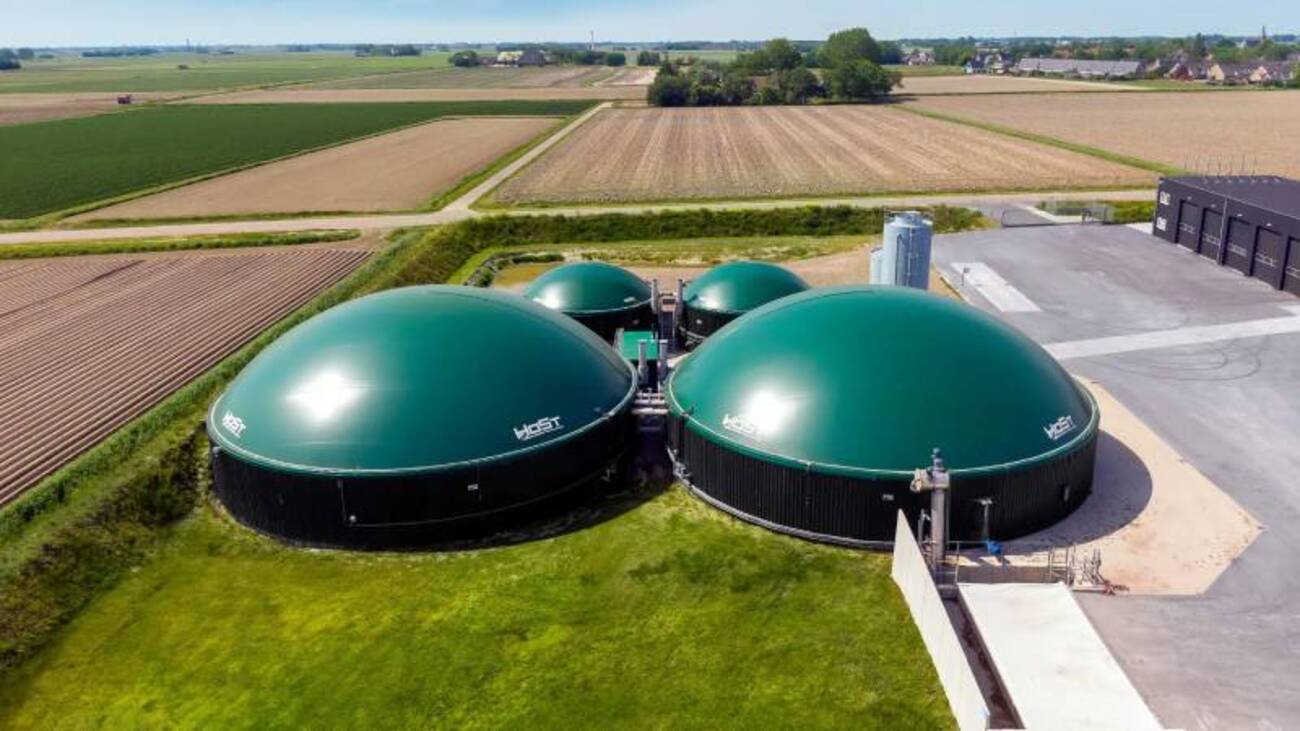
Revolution in the sugar-energy sector: Government sets new target for biomethane and paves the way for ethanol plants to profit from the conversion of waste into renewable fuel.
-
Brazil bets on biomethane, ethanol, and hydrogen as the definitive solutions for the decarbonization of heavy vehicles and the reduction of emissions in cargo transportation.
-
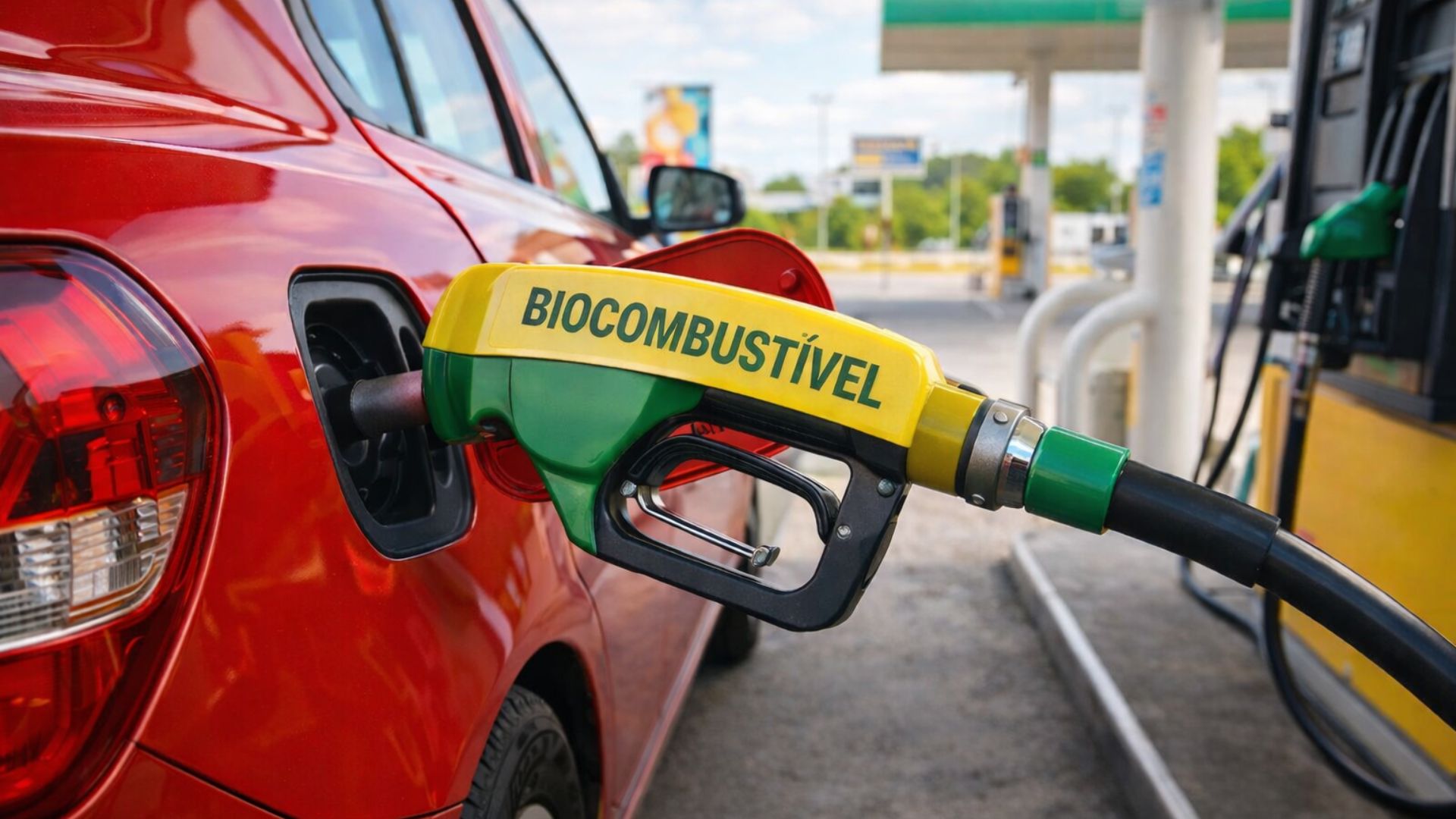
The biodiesel industry is pressuring the government for a simplified test to increase the blend with diesel and highlights the potential to attract investments, accelerate production, and consolidate Brazil’s leadership in biofuels.

-
Brazil accelerates hydrogen and biofuel projects to consolidate the fuel of the future and reduce dependence on oil by 2026.

The agenda of the meeting sought solutions that would allow road transport to reduce its environmental impact, without compromising efficiency and competitiveness in the sector.
In this regard, transport entities, led by NTC&Logística, asked the ministry for the sector to effectively participate in the financing lines of the National Bank for Economic and Social Development (BNDES) aimed at clean energy projects.
These lines support initiatives that promote decarbonization of the economy and encourage investments in less polluting technologies, such as electric, hybrid, and biogas-powered vehicles.
Additionally, participants emphasized the importance of incentive policies that combine accessible credit, technical training, and logistical planning.
The sector understands that only with an integrated approach will it be possible to accelerate the transition to a more sustainable and competitive transport.
In this way, Brazil can advance its environmental agenda without compromising the mobility and delivery of essential loads to the country.
Historical Context of Road Transport and Emissions
Historically, road transport in Brazil dominates freight movement, especially in a country with continental dimensions, where there are great distances between production and consumption centers.
Consequently, this reliance on truck transport has significantly increased carbon emissions, pressuring the sector to adopt more sustainable practices.
In recent years, public policies and international agreements, such as the National Policy on Climate Change and commitments made at environmental conferences like COP30, have stimulated the search for solutions that align economic development with environmental protection.
During the meeting in Brasília, transport representatives highlighted that the Climate Fund, which finances initiatives related to logistics, public transport, and urban mobility, still does not adequately serve the freight transport sector.
Therefore, for the sector to advance towards decarbonization, BNDES needs to offer specific credit lines with differentiated conditions to finance the fleet renewal and infrastructure modernization.
Thus, companies investing in electric, hybrid, or biogas-powered trucks rely directly on accessible financial resources.
The meeting included various industry leaders, including Antonio Luiz Leite, financial director of NTC&Logística; José Maria Gomes, legal director; Marcos Aurélio Ribeiro, director of the entity; Joyce Bessa, extraordinary vice-president of the ESG Agenda; Urubatan Helou, honorary advisor; Carlos Panzan, president of FETCESP; Oswaldo Vieira Caixeta Junior, president of ABTLP; Julio Eduardo Simões, president of Sindipesa; Fernanda Rezende, deputy executive director of CNT; and João Bessa, president of TransJordano.
The presence of these authorities reinforced the strategic relevance of the topic, demonstrating that the decarbonization of road transport constitutes a national priority.
Economic Opportunities of Clean Energy Credit
The sector argues that the adoption of cleaner fuels and the modernization of the fleet represent not only an environmental necessity but also an economic opportunity.
Biogas-powered trucks and electric vehicles reduce operational costs in the long run and improve air quality in cities and industrial regions.
In this context, clean energy credit emerges as an essential tool for transforming the sector.
It allows companies, regardless of size, to invest in sustainable solutions without compromising their cash flow.
International experience shows that incentives for sustainable transport generate significant benefits for the economy.
Countries that have adopted robust financing policies for clean vehicles have managed to reduce dependence on fossil fuels, stimulate technological innovation, and create new jobs in the renewable energy sector.
Similarly, in Brazil, the growth potential is equally significant, considering the extensive road network and the relevance of freight transport to the national economy.
Clean energy credit serves not only as a financial mechanism but also as a strategic tool to boost the country’s competitiveness in an increasingly sustainability-oriented global landscape.
Moreover, investment in sustainable transport encourages the development of new suppliers and national technologies.
Brazilian companies can become references in the manufacturing of electric trucks, biogas systems, and charging infrastructure.
This strengthens the local industry and generates high-skill jobs.
Thus, clean energy credit can positively impact the industrial economy of the country.
Decarbonization as a Strategic Agenda
Another point highlighted in the meeting was the importance of treating decarbonization as a strategic agenda, especially in light of the upcoming COP30, which Brazil will host in 2025.
The country has the opportunity to demonstrate concrete advancements in emission reductions through measures that involve all sectors of the economy, including road freight transport.
Thus, the sector’s participation in financing lines for clean energy reinforces the Brazilian commitment to the global climate agenda, while also strengthening the country’s productive and logistical capacity.
The debate also highlighted the need for integrated public policies that combine financial incentives, environmental regulations, and support for technological innovation.
Specific BNDES credit lines, with differentiated conditions for freight transport companies, can accelerate the transition to a cleaner fleet.
In addition, they encourage investments in sustainable infrastructure, such as biogas refueling stations and charging points for trucks.
Consequently, these advancements contribute directly to the mitigation of climate change and consolidate road transport as a sector that is modern and aligned with society’s sustainability demands.
Historical Role of Sustainable Financing
Historically, sustainable financing has proven decisive for the adoption of clean technologies.
In Brazil, previous projects promoting renewable energies, such as solar and wind energy, demonstrated that easier access to credit allows companies to overcome financial barriers and accelerate strategic investments.
In the case of road transport, clean energy credit plays a similar role, ensuring that innovative initiatives come to fruition and generate real impact on emission reductions.
In summary, the meeting between road transport entities and Vice President Geraldo Alckmin represented an important step in the sector’s decarbonization agenda.
The discussion on clean energy credit highlights the commitment of companies and the government to create favorable conditions for the adoption of sustainable technologies, strengthening the economy and contributing to environmental preservation.
Thus, with adequate financing policies, road freight transport in Brazil can become an example of sustainability, innovation, and logistical efficiency, aligned with the demands of a world seeking low environmental impact solutions.









Seja o primeiro a reagir!