






 Portuguese
  Spanish


Indus Valley Script, Linear A, rongorongo, and other ancient systems preserve messages that still challenge researchers and modern technologies.
Ancient civilizations left symbols engraved on seals, ceramics, stones, and wooden tablets.
These records remain visible today. However, their meanings remain unknown to linguists, archaeologists, and historians.
The absence of dictionaries, translations, and grammatical explanations turns each inscription into a complex historical puzzle.
-
No electric bike, Tesla launches pedal-less bicycle for R$ 1,200, uses magnesium frame, seat with five adjustments, and targets children aged 2 to 5 with a product powered solely by legs.

-
Archaeologists expected to find a modern boat but discovered a 15th-century medieval shipwreck in Lake Constance, Germany, and the discovery may reveal new details about navigation in the Middle Ages.

-
Realtor opens basement door and is left speechless upon discovering that a $360,000 house hid a 1970s “time capsule” covered in red carpet from floor to walls; video goes viral with 6.7 million views, attracts curious onlookers, and the property is sold in just one week.

-
With Lula waiting for the water to arrive, Brazil inaugurates a 6.5 km tunnel to pave the way to São Francisco and assist a system designed for 750,000 people, but a “calculation error” leaves the ceremony without flow and the water only appears the following morning.


According to linguist Svenja Bonmann from the University of Cologne, these texts allow indirect contact with societies that disappeared centuries ago.
Ancient writings reveal a historical challenge
The expert uses historical-comparative linguistics to research ancient languages and reconstruct their possible structures.
Each inscription can reveal information about beliefs, governments, economic activities, and forms of social organization.
The central problem, however, lies in the difficulty of relating the symbols to known sounds, syllables, words, or ideas.
Few records have been preserved. Many also present damage, fragments, or sequences too short for conclusive analyses.
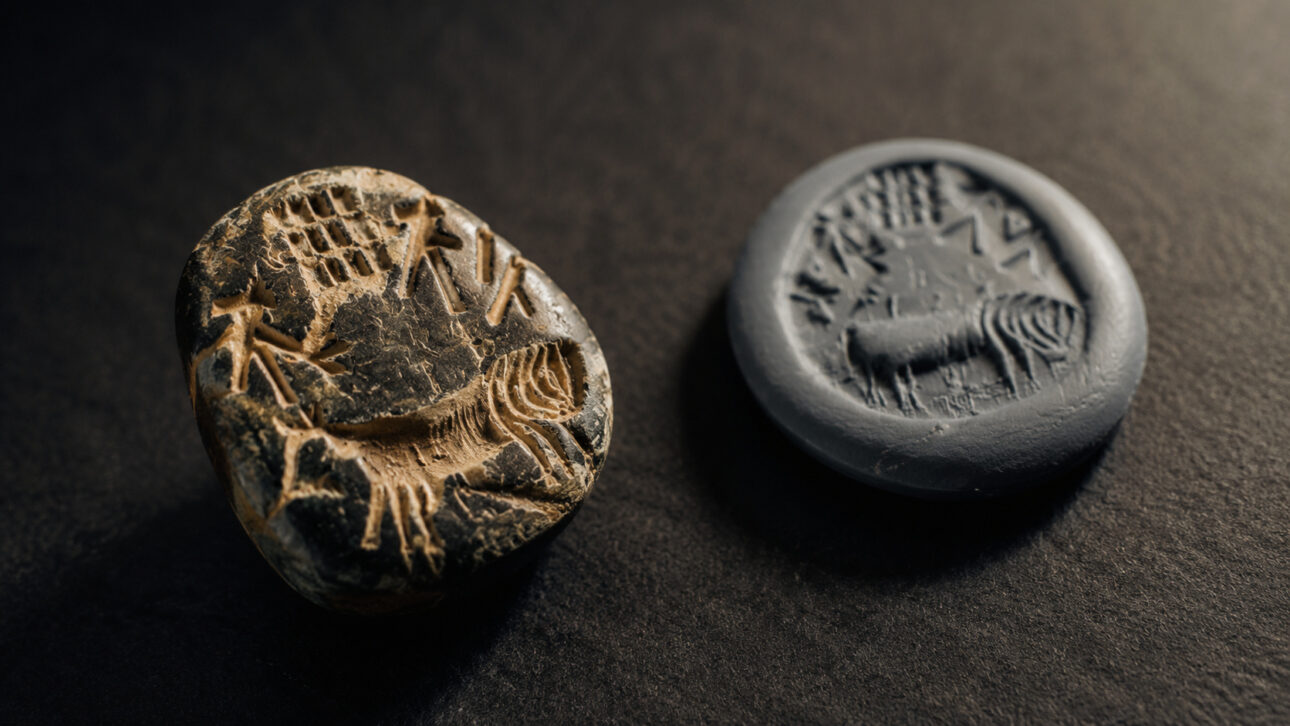
Epi-Olmec writing still intrigues researchers
Epi-Olmec writing was used on the southern Gulf Coast of Mexico during antiquity.
Isolated symbols and some inscriptions indicate the existence of an ancient system.
The volume of evidence, however, remains limited. The context of the records is also uncertain, making secure interpretations difficult.
Indus Valley script remains untranslated
The Indus Valley script belongs to the Harappa civilization, located in present-day Pakistan and northwest India.
Hundreds of symbols were found on seals and pottery fragments.
The sequences are usually extremely short. This characteristic limits the identification of broader linguistic patterns.
Researchers still debate whether the signs represent a complete language or just a symbolic system.
Rongorongo preserves mysterious figures
The rongorongo script from Easter Island features birds, human figures, and ornamental shapes.
Few wooden tablets have survived over time.
Many pieces were also damaged. This loss significantly reduced the material available for comparisons.
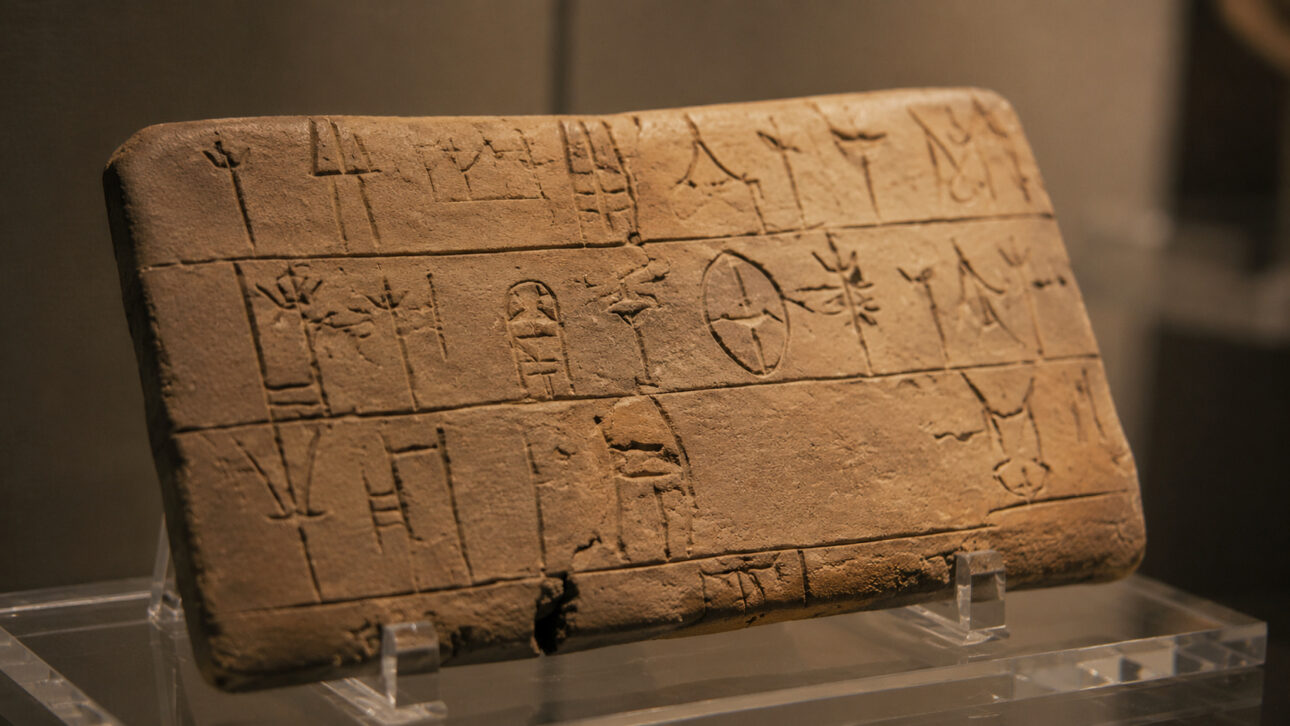
Linear A and Cretan hieroglyphs challenge specialists
The ancient Minoan civilization used different writing systems in Crete.
Linear B was deciphered in 1952 and recognized as an ancient form of the Greek language.
Linear A and Cretan hieroglyphs, on the other hand, remain untranslated.
The absence of a known language related to the records keeps both systems among the greatest linguistic mysteries of Antiquity.
Phaistos Disc complicates comparative analyses
The Phaistos Disc was produced in Crete during the second millennium BC.
The clay object features symbols stamped in a spiral format.
The existence of only one exemplar prevents systematic comparisons with other similar documents.
This characteristic makes any attempt at translation even more limited.
Etruscan can be read, but not fully understood
The Etruscan language was spoken in central Italy during Antiquity.
Its alphabet can be recognized because it derives from Greek writing.
The full meaning of the inscriptions, however, remains uncertain.
Few related languages have been identified. This absence complicates the translation of words and grammatical structures.
Proto-Elamite preserves ancient administrative records
The proto-Elamite script represents one of the oldest administrative traditions of ancient Elam, in present-day Iran.
Its characters have been cataloged by researchers.
Many tablets, however, appear fragmented. The content seems to be related to administrative records.
The language used has also not been securely associated with any known linguistic family.
Absence of a Rosetta Stone hinders translations
These writings share a fundamental problem: the lack of bilingual inscriptions.
A Rosetta Stone presents the same content in a known language and in an unknown one.
This type of record allows for relating symbols to specific words and sounds.
Svenja Bonmann emphasizes that bilingual texts are not always mandatory. Names of cities, rulers, and deities can also offer clues.
The decipherment of Linear B demonstrates that historical continuity can contribute to the understanding of an ancient script.

Can artificial intelligence help in research?
Artificial intelligence can organize symbols, recognize repetitions, and identify patterns in large data sets.
The technology, however, primarily uses already known information during its training.
Seemingly convincing interpretations may arise without sufficient historical or linguistic evidence.
Automated systems can also reproduce researchers’ expectations.
A tool might suggest relationships with certain linguistic families simply because they frequently appeared in the analyzed data.

Mysteries of the past still resist technology
These seven scripts show that many records of humanity remain silent.
Each symbol can hide important information about vanished cultures, beliefs, and societies.
Artificial intelligence may assist in new analyses. The definitive understanding, however, will continue to depend on evidence and rigorous scientific research.
Which of these ancient scripts do you believe will be deciphered first: Linear A, the Indus Valley script, or rongorongo? Share your opinion!


