Portuguese
  Spanish


The social educator Dóris Dias transformed discarded 600 ml bottles into walls, using iron and cement structure; the bottle house, built in Vila C from 2020, shows how glass recycling can reduce construction costs and remove waste from the environment
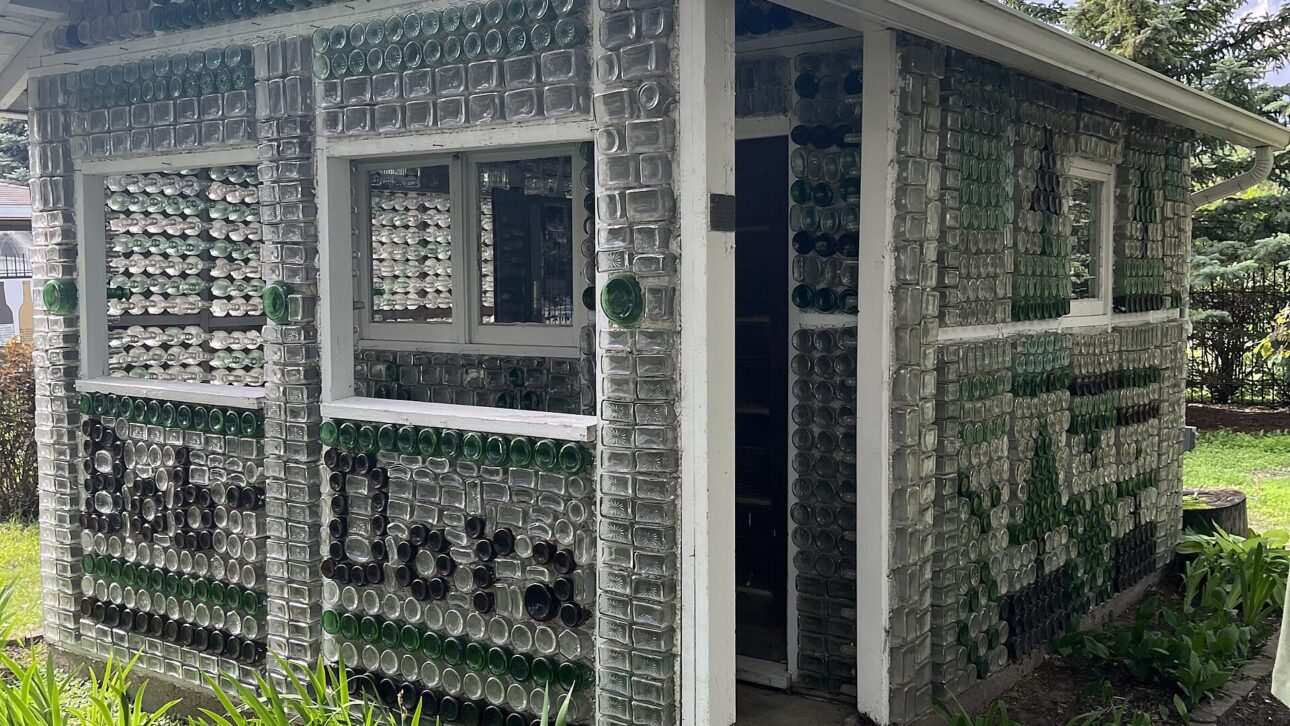
While many people see an empty bottle as trash, a resident of Foz do Iguaçu saw a brick. The result stands, colored by the light that passes through the glass, and cost a fraction of the price of a regular construction. According to the TNH1 portal, in 2020 the social educator Dóris Dias erected in the Vila C neighborhood, in Foz do Iguaçu, in western Paraná, a 70 square meter bottle house made with more than 10,000 recycled glass bottles. A wall built from what would have been discarded.
The cost was much lower than expected for a home. According to Razões para Acreditar, the supporting structure was made with iron and the walls were built with 600 ml bottles and cement, and the construction cost about R$ 3,000. A few thousand reais transformed discarded glass into a home, an example of sustainable construction.
How the glass bottle house works
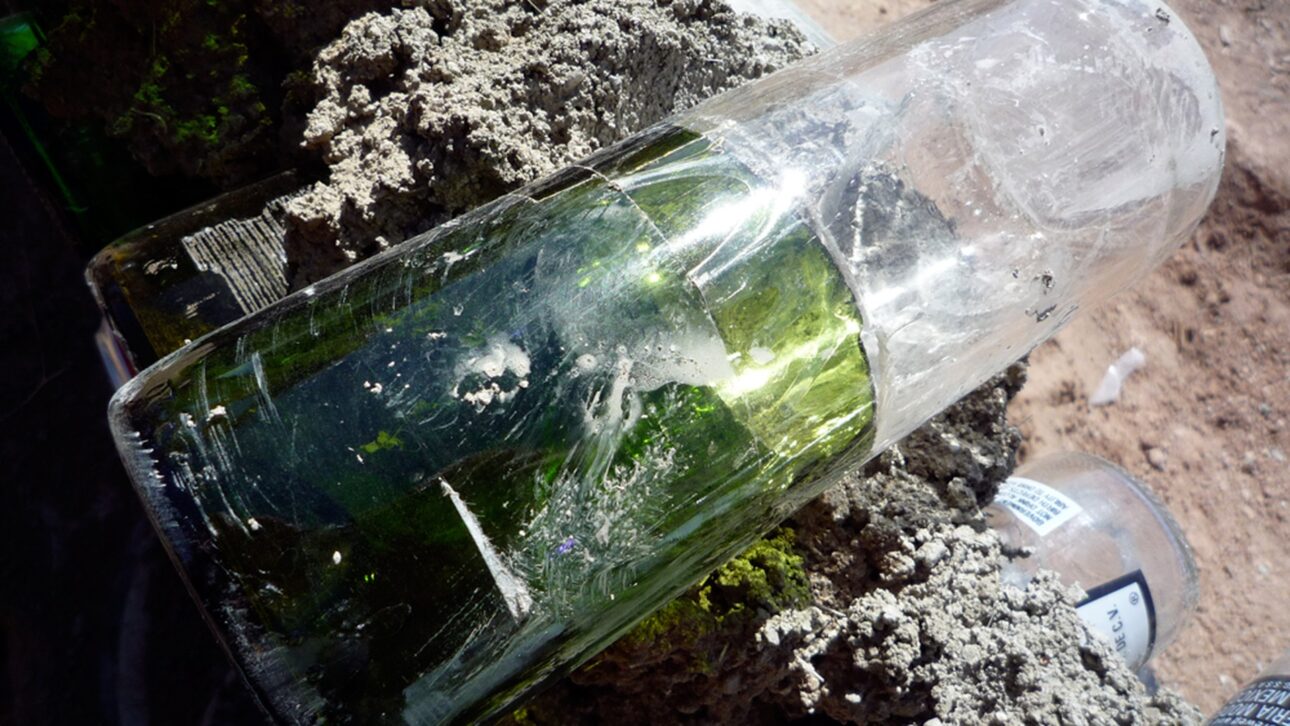
The secret of this construction is to replace the brick with the bottle. According to TNH1, in Dóris’s bottle house, the discarded glass became the main raw material of the construction, fitted and fixed with cement to form the walls, while the iron provides the structural support. The bottle is laid down, as if it were a transparent block.
-
A house made of earth built with soil bags from the Arizona desert itself operates 100% off the grid, using solar energy and rainwater, and the hyperadobe technique creates walls that withstand the extreme climate without bricks.

-
A couple renovates a chalet and, when the foundation gives way, finds under the hallway an almost 200-year-old well, 8 meters deep with clean water, which they transform into a glass-covered attraction and now helps to generate £629 per week in rent.
-
Self-construction is gaining momentum as a response to the burden of rent and the high cost per square meter, and the case of the Spanish woman who built four cabins on a mountain for less than 5,000 euros — learning the techniques from YouTube videos — shows how far low-cost housing can go when built outside the formal real estate market.
-
Engineers covered a nuclear project in India with a 75-meter structure, produced 510 tons of ice per day, and poured 7,250 cubic meters of concrete without interruption to create the foundation for the new Kaiga reactors amidst monsoon rains in the Western Ghats.


It is worth explaining why the technique works, in reading this editorial, duly signaled. The glass bottle is hollow and resistant, and when laid down and surrounded by cement it takes the place of the brick with an advantage: it lets light through, creating walls that shine during the day without consuming energy. The air trapped inside the bottle also helps with thermal insulation, which can make the environment cooler. It is not a makeshift solution, it is a sustainable bioconstruction technique used in several countries, and it was precisely by studying these recycling examples that the idea reached Foz do Iguaçu.
The bottle house that was born from a wedding party
The inspiration for the bottle house was born from a celebration. According to TNH1, the idea came after Dóris held her wedding party in September 2019 using recyclable materials and began studying bottle house projects using PET and glass in different parts of the world, including Brazil. From a sustainable party came the blueprint for a home.
The raw material came from the city itself. According to TNH1, more than 10,000 bottles were gathered through community donations and recyclable material collection, and an online campaign was even created to raise funds and complete the construction in Vila C. The neighborhood became the supplier of the walls in a recycling effort.
Build cheaply and remove waste from the environment
The appeal of the bottle house has two sides that communicate, as observed by this editorial, duly noted. On one side, the cost: with donated materials and bottles replacing bricks, the construction is within reach of those who couldn’t afford a conventional build. On the other, the environment: each bottle fitted into the wall is one less bottle in the landfill or nature. It’s recycling that becomes housing, and housing that becomes recycling, in the same sustainable gesture.
This meeting between economy and sustainability is what strengthens the example, still in noted reading. Brazil produces a mountain of glass waste every year, and much of it is not recycled. Projects like Dóris’s show, in practice, that it’s possible to transform this waste into construction material, reducing the cost of the build and the environmental impact at the same time. It doesn’t replace traditional civil construction but points to a creative and sustainable path for those with little money and a lot of bottles nearby.
The dream of homeownership became a bottle house
Behind the technique, there is a simple and universal goal. In a statement to TNH1, Dóris summarized the purpose of the project: “Most Brazilians cannot afford to own a home. Besides removing bottles from the environment, I will still have my little corner”, said the social educator. The sentence connects the two ends of the story: shelter and the environment.
The land came from the family, and the rest came from ingenuity. According to TNH1, after getting married and receiving part of the land from her parents, Dóris made estimates for a conventional house, but the cost of materials like wood and brick made the plan unfeasible, leading her to bet on the bottle house. Where bricks didn’t fit the budget, recycled bottles did.
The practical message for the reader remains, in reading this text, duly signaled. The bottle house is not a magic trick: it requires a project, a well-made support structure, in this case, iron, and attention to waterproofing and finishing, like any construction. But for those researching cheaper and more sustainable construction alternatives, the example from Foz do Iguaçu is proof that reused material can become a real wall, as long as the recycling technique is respected.
Why the bottle house becomes a sustainable trend
The case of Foz do Iguaçu is not isolated, in reading this text, duly signaled. Worldwide, sustainable construction with glass and PET bottles has gained ground in communities seeking affordable housing and less waste, and Brazil has several similar examples. The strength of the idea lies in its simplicity: anyone can understand that a bottle full of air, surrounded by cement, can support a wall, and that gathering thousands of them removes a pile of waste from circulation.
There are, of course, limits that honesty requires mentioning, still in signaled reading. A bottle house needs patient labor to cut, clean, and fit each piece, and a good project to ensure safety and durability. It is not faster than a common construction, but it is cheaper and more sustainable. For those who have time, willingness, and access to recyclable material, however, the return is a home that tells a story of recycling in every wall.
Watch: how to build a bottle wall
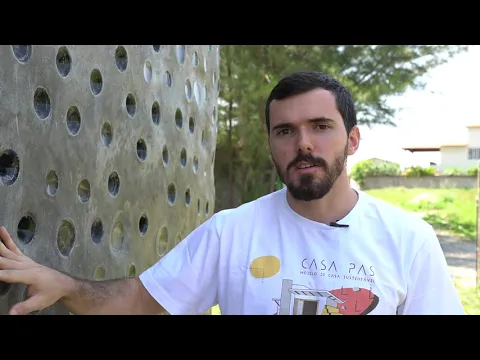

To see up close how the bottle turns into a wall, a video helps. The channel Autoconstrução Sustentável published “Bottle wall, building walls with cement,” showing the step-by-step technique that supports projects like the bottle house in Foz do Iguaçu, the same reuse described by TNH1 and Razões para Acreditar. Tell us in the comments: would you live in a house made of glass bottles?