





 Portuguese
  English
  Spanish
  4 min of reading
  0 comments


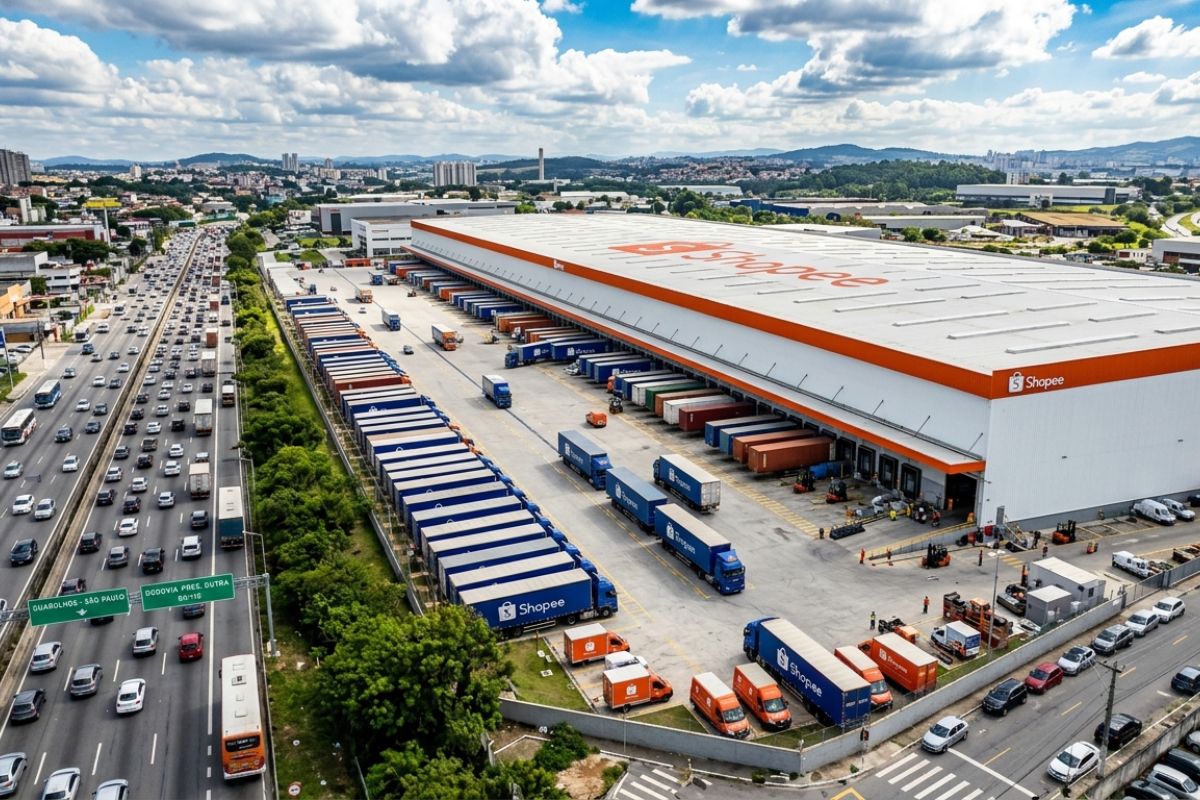
Shopee guarantees logistics warehouse on Dutra, in Guarulhos, and strengthens logistics at scale, raising the competition with Mercado Livre
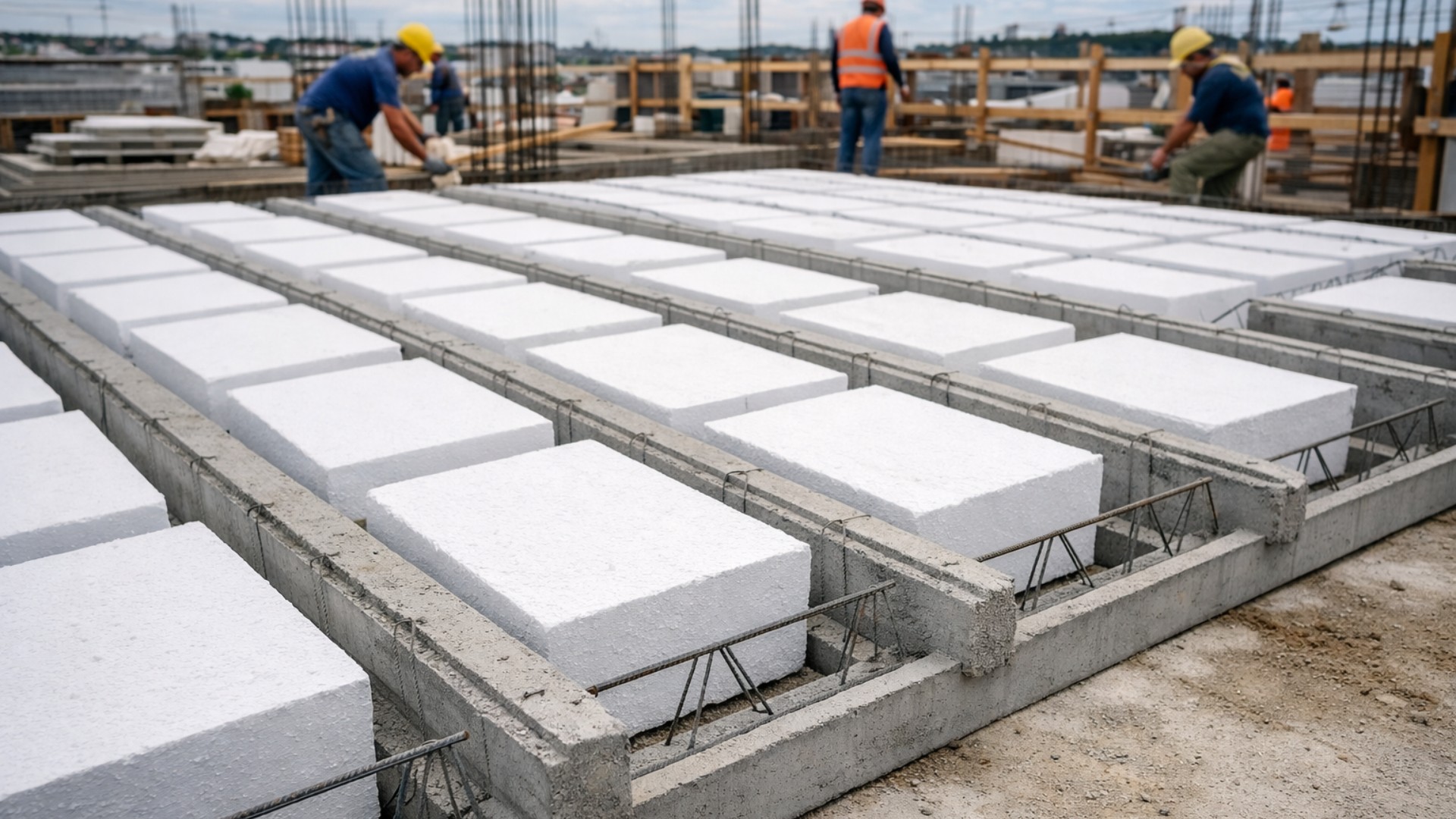
The Shopee has just made one of the most strategic moves in Brazilian logistics by closing the largest logistics warehouse rental contract ever seen in the country. The move involves a structure of 220,000 m² in Guarulhos, along the Presidente Dutra highway, with the potential to reduce processing time and accelerate large-scale deliveries.
The detail that measures the ambition is simple and decisive: the Shopee closed the contract even before the construction was completed, paying about R$ 45 per m² in a market with low availability of logistics spaces. In practice, the company is not only growing, it blocks a scarce asset and forces competitors to react.
The size of the warehouse and why Guarulhos changes the game

The operation revolves around a colossal warehouse of 220,000 m², equivalent to dozens of football fields side by side.
-
After mistakenly transferring R$ 50,000 via Pix, a man will receive the amount back along with R$ 10,000 for moral damages from the recipient.

-
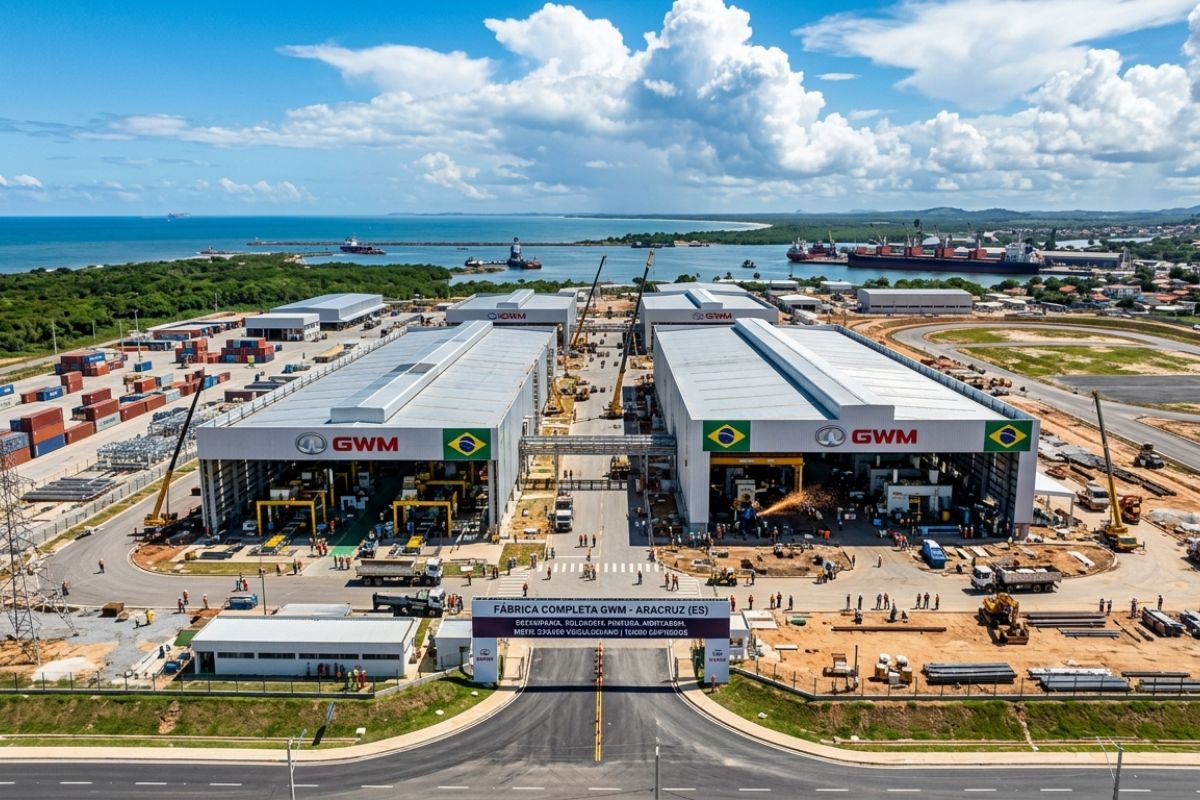
GWM chooses Aracruz and puts Espírito Santo on the automotive map: a complete factory in the Americas, with stamping, welding, painting, and assembly, aiming for 200,000 vehicles per year and up to 10,000 jobs.
-
Labor shortages are prompting Portugal, Spain, Germany, and Canada to open up opportunities for foreigners in 2026, with salaries ranging from 920 euros in Portugal to 50,700 euros per year in Germany.

-
The government is considering a temporary subsidy for cooking gas following the spike in oil prices due to the war in Iran and warns about the impact of 20% of imports on the prices paid by families.


This is not just space, it is speed, because it allows a continuous flow of incoming, sorting, and shipping of products, reducing internal steps that usually consume time.
The choice of Guarulhos is not casual. The structure is located on the Dutra, one of the largest highway axes in Brazil, connecting São Paulo to Rio de Janeiro and linking regions with high consumption density.
The closer to consumption, the more efficient the last mile becomes, which is precisely the most expensive and complex stage of logistics.
Shopee signs before construction and shows urgency with a long-term vision
The most revealing point of the strategy is having closed the rental before the completion of the project. When a company secures an asset of this size before it exists, it is anticipating the market and making it difficult for competitors to find equivalent space in the same standard and location.
The data points to a factor that explains the rush: in São Paulo, only about 8% of logistics warehouses are available for rent.
In such a scenario, waiting for “the ideal moment” can mean running out of options. Shopee chooses to act quickly and pay close to the full price.
R$ 45 per m² and the logic behind the cost
Shopee pays about R$ 45 per m², which reinforces that the decision is not focused solely on immediate cost.
The logic is to dominate infrastructure now to reduce cost per delivery later, using scale, routing, and speed as a structural advantage.
The warehouse belongs to Mark Logistics, which previously operated as GLP and is now controlled by ARIS Management. This indicates a project with a robust standard, aimed at large volumes and high operational efficiency.
Accelerated expansion since 2020 and over 1 million m² in operation
This warehouse does not appear as an isolated case. Since 2020, Shopee has been building an aggressive logistics expansion in Brazil, reaching at least 16 distribution centers spread across strategic regions.
In about five years, the data indicates that Shopee has structured over 1 million m² in logistics operations, a pace that draws attention for its size and speed.
This advancement puts Shopee ahead of Amazon in logistics presence in Brazil, only behind Mercado Livre, which leads this aspect of the market.
Cross docking, fulfillment, and the mechanism that accelerates deliveries
Shopee combines models to maximize efficiency. One of them is cross docking, where products pass quickly through the logistics center and go directly to delivery without long storage periods. Less idle stock means lower costs and faster delivery.
The other model is fulfillment, in which products from sellers are stored in Shopee’s structure, allowing for control of packaging, sorting, and shipping. This way, the company standardizes processes and increases speed at the end.
Network with over 3,000 points and the gain in capillarity


In addition to distribution centers, Shopee builds capillarity with over 3,000 physical points throughout Brazil, using small businesses as collection, pickup, and return locations.
This decentralized network reduces dependence on a few hubs, brings the operation closer to the end consumer, and facilitates scaling. Capillarity, in e-commerce, becomes a practical way to save time.
Faster deliveries and direct pressure on Mercado Livre and Amazon
The results are already showing in timelines. In Greater São Paulo, the data indicates that about 25% of deliveries arrive the next day and 40% arrive within two days.
When the deadline is no longer a barrier, buying behavior changes: the decision becomes quicker and more frequent.
This type of movement pressures competitors. Mercado Livre expands benefits, Amazon reduces fees, free shipping becomes more common, and deadlines shorten. The competition becomes tougher and the delivery standard rises for everyone.
What changes for the consumer and what may come next
At the end of the chain, the impact reaches the consumer with faster deliveries, greater predictability, and stronger competition for price and shipping.
When a company achieves high logistics efficiency, it stops competing only on campaigns and starts to set operational standards.
The question that remains is how far this strategy can go. If Shopee accelerates infrastructure and scale at this pace, the next step may be to make even faster deliveries a more common standard in Brazil.
Have you noticed Shopee delivering faster in your area, or do you still see Mercado Livre and Amazon ahead in delivery times?




Seja o primeiro a reagir!