





 Portuguese
  English
  Spanish
  3 min of reading


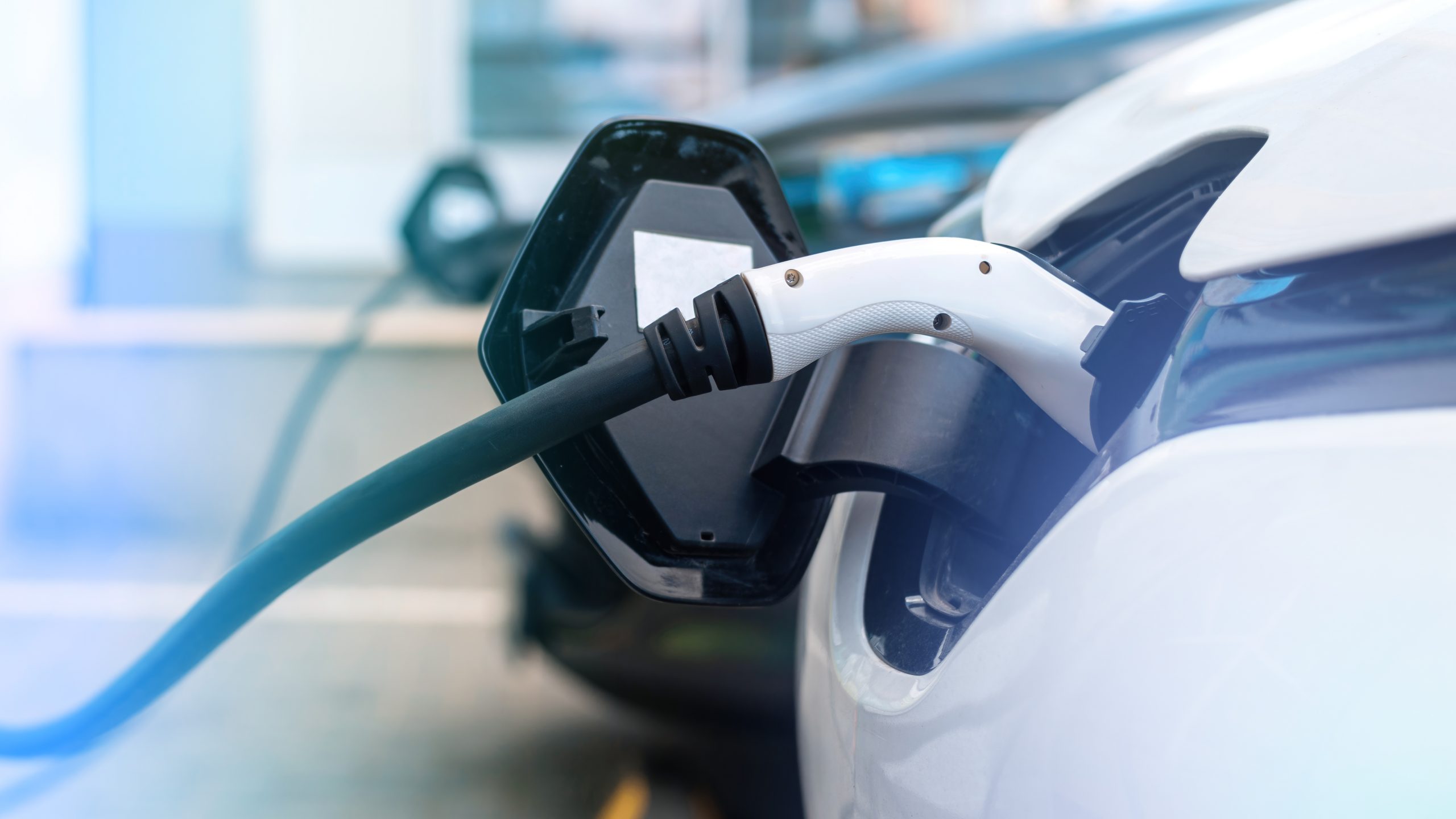
The Company Helped Develop Components for Customizable Charging Point Systems for Electrified Vehicles
Siemens is established as one of the giants in the global technology market by developing and producing industrial electric drive systems for medium and high voltage ranges, such as electric motors, frequency converters, and generators. A leader in industrial automation, software, and infrastructure, the company has now entered the clean energy sector by participating in the development of components for customizable charging stations for electric cars.
This is a strategic project for one of the largest companies in the generation, transmission, and commercialization of energy in the country, through a strategic partnership that emerged from the so-called 22nd P&D call from Aneel, whose objective was to develop charging stations with electric charging systems for the operational fleet of electrified vehicles.
The proposal of the call was for a study to understand the feasibility of replacing the fossil fuel operational fleet with electricity. The disciplines of this study consisted of the impact on reducing the carbon footprint, financial viability, process efficiency, to arrive at creating a proprietary and customized rapid charging system at charging stations.
-
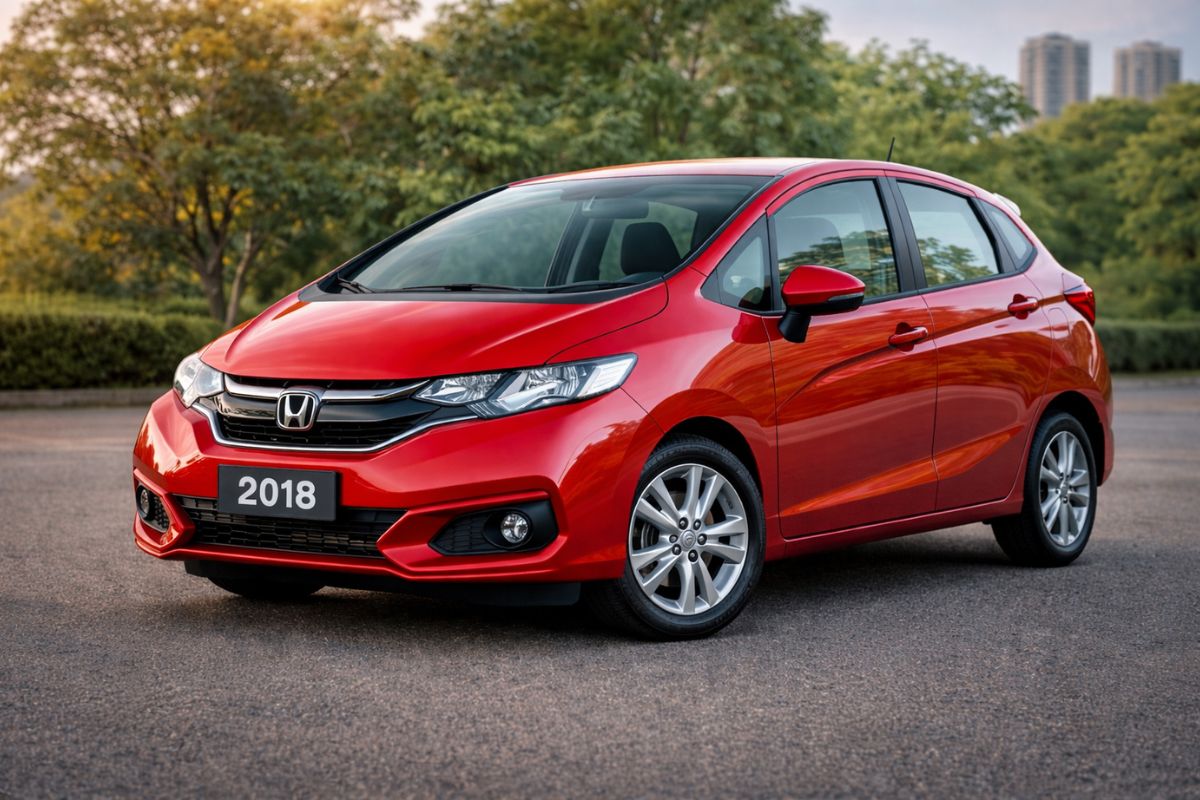
The Honda Fit has been discontinued for years, but the 2018 model is worth more today in the Fipe table than it cost brand new, proving that this used car, valued with a 1.5 i-VTEC engine and Magic Seat, only increases in price.
-
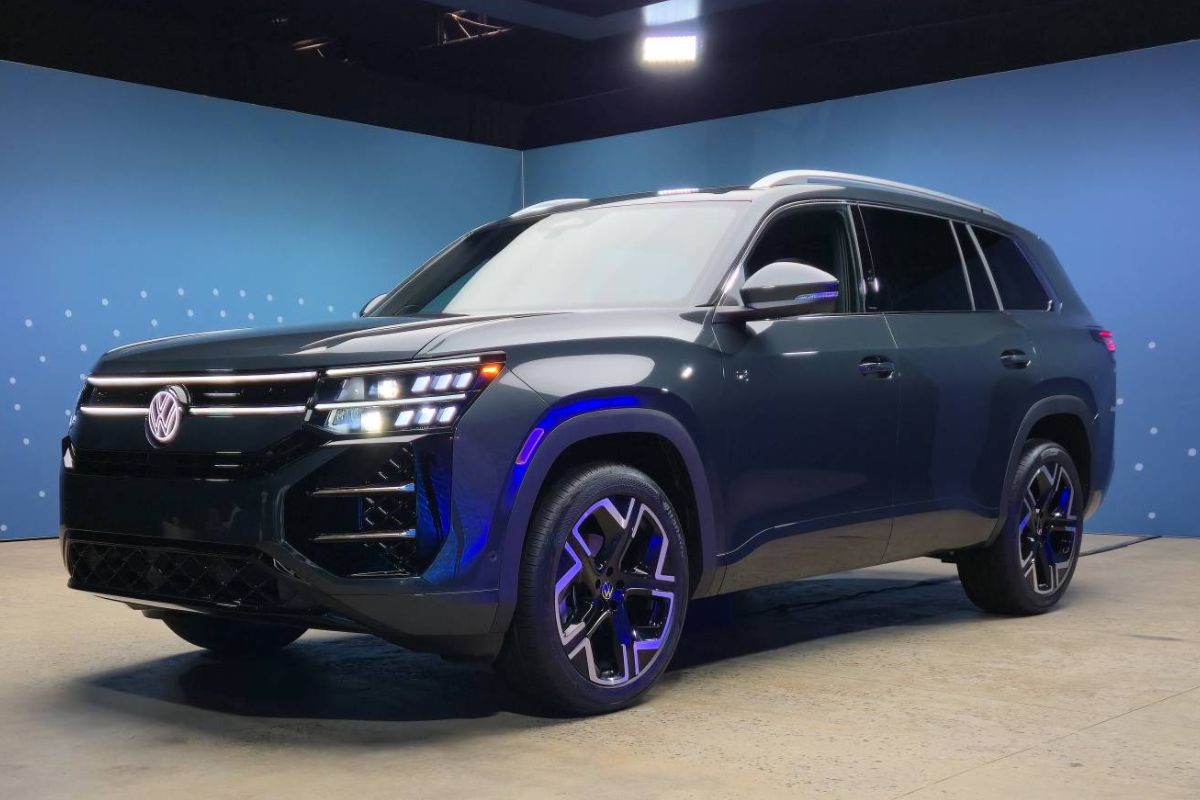
Volkswagen unveiled the 2027 Atlas with a 282-horsepower EA888 turbo engine, a 15-inch screen, massage seats, and a completely new interior to finally elevate the three-row SUV built on the MQB platform to a new level.
-
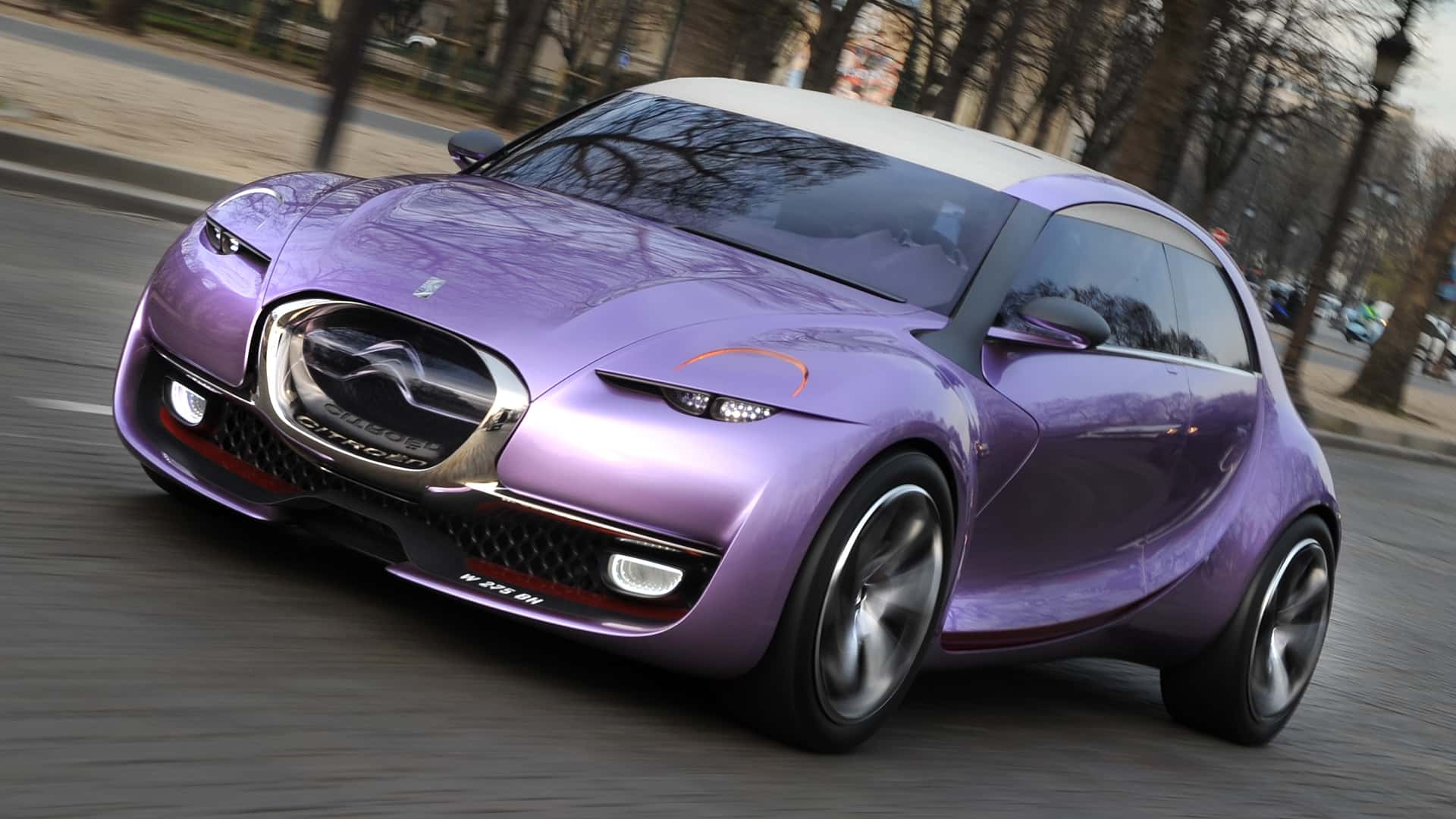
After decades out of the spotlight, Citroën is preparing to bring back the legendary 2CV as a low-cost electric vehicle, betting on the revival of one of the most popular cars in history and aiming to enter the race for affordable compact cars.
-
The German economist Wolf-Peter Schill has no doubts: “Electric cars are already far superior to cars with internal combustion engines.”


In a statement sent to the press, Siemens says that “it stands by its customers who seek to drive the transition of their businesses to a more sustainable model, aiming for less dependence on fossil fuels and the smallest possible environmental footprint.” The main industries served by the company are in the sugar and alcohol sector, chemicals, sanitation, and paper and pulp.
How the System Works
Siemens provides conventional charging stations and programmable charging controllers for the development of customized charging systems, addressing challenges such as flexibility, scalability, and connectivity. The technology used in the charging controllers is SIMATIC, with electrical components for the development of three rapid charging points for 100kW DC vehicles. The developed equipment includes:
- Controllers from the SIMATIC S7-1500 and remote SIMATIC ET 200SP, complying with IEC 61.851 standards
- DIN 70121 communication modules
- SITOP Power Supplies
- SIMATIC HMI Comfort Outdoor
- Switches SCALANCE X and SCALANCE W
- SIMATIC IPC 127E
- Drives SIMAMICS DCP, AIM, and ALM
- Type DR Circuit Breakers
In a press release, Siemens product manager Daniel Guimarães says that “the uncertainties of consumption behavior, the manner and speed of implementation, and management in the capillarity of these charging stations are challenges overcome when using SIMATIC technology.”
The company also praises the uniqueness of the project, which required complete customization of the charging stations aimed at electric cars. The client needed to plug in and charge vehicles without requiring user authentication, smart local load management without an OCPP manager, accessible fueling reports in files available on the network, connectivity, and diagnostics. The fleet vehicles operate 100km per day and needed to be prepared to run a bit more in emergency situations.
In August of this year, Siemens and Mahle formed a partnership to develop a wireless charger for electric cars.
Other Sustainable Businesses of Siemens
Siemens is committed to the global energy transition through its DEGREE policy, which translates to Decarbonization, Ethics, Governance, Equity, Resources with efficient use, and Employability.
According to the company, in 2021 alone, its clients reduced 88 million tons of CO2. The global goals for 2030 include a fleet composed of 100% electric vehicles (EV100), having or renting only buildings with zero carbon emissions (EP100), and obtaining 100% renewable energy (RE100).
The company also aims to achieve about a 20% reduction in emissions from its supply chain by 2030, and to reach neutrality by 2050.
Siemens began its first activities in Brazil in 1867, with the installation of the pioneering telegraph line between Rio de Janeiro and Rio Grande do Sul.








Seja o primeiro a reagir!