





 Portuguese
  English
  Spanish
 3 min of reading
  0 comments


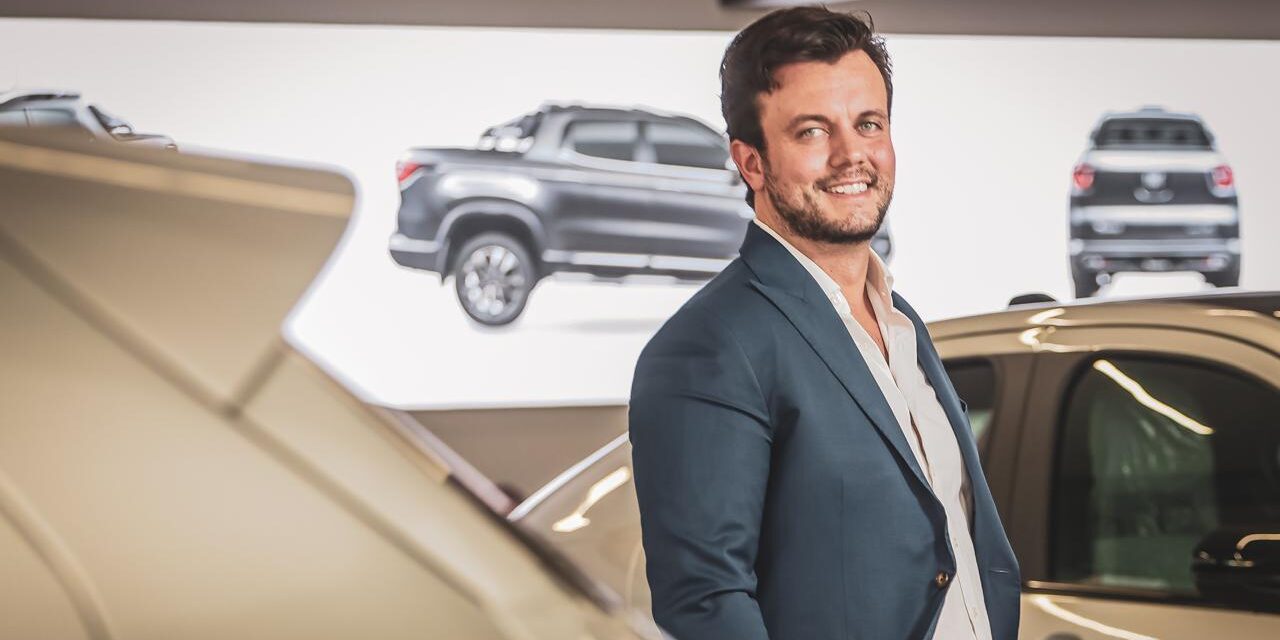
Amazonas Group Projects R$ 2 Billion in Revenue by 2025 with Chinese Vehicles and Electrification. COO Victor Viana Bets on China and Modernization of Automotive Retail in Brazil.
The Amazonas Group, one of the largest dealership conglomerates in Brazil, has set an ambitious goal: to reach R$ 2 billion in revenue by 2025. To achieve this objective, the company is betting on Chinese brands such as GAC, Geely, Leapmotor, and Omoda & Jaecoo, which have been gaining ground in the global market with advanced technology and competitive prices.
Leading the strategy is Victor Viana, COO and heir of the group, who seeks to combine innovation and expansion in the Brazilian automotive sector.
Experience in China Shaped Strategy
Viana’s interest in the Chinese market began in 2012 when he received a scholarship from USP and moved to Shanghai.
-
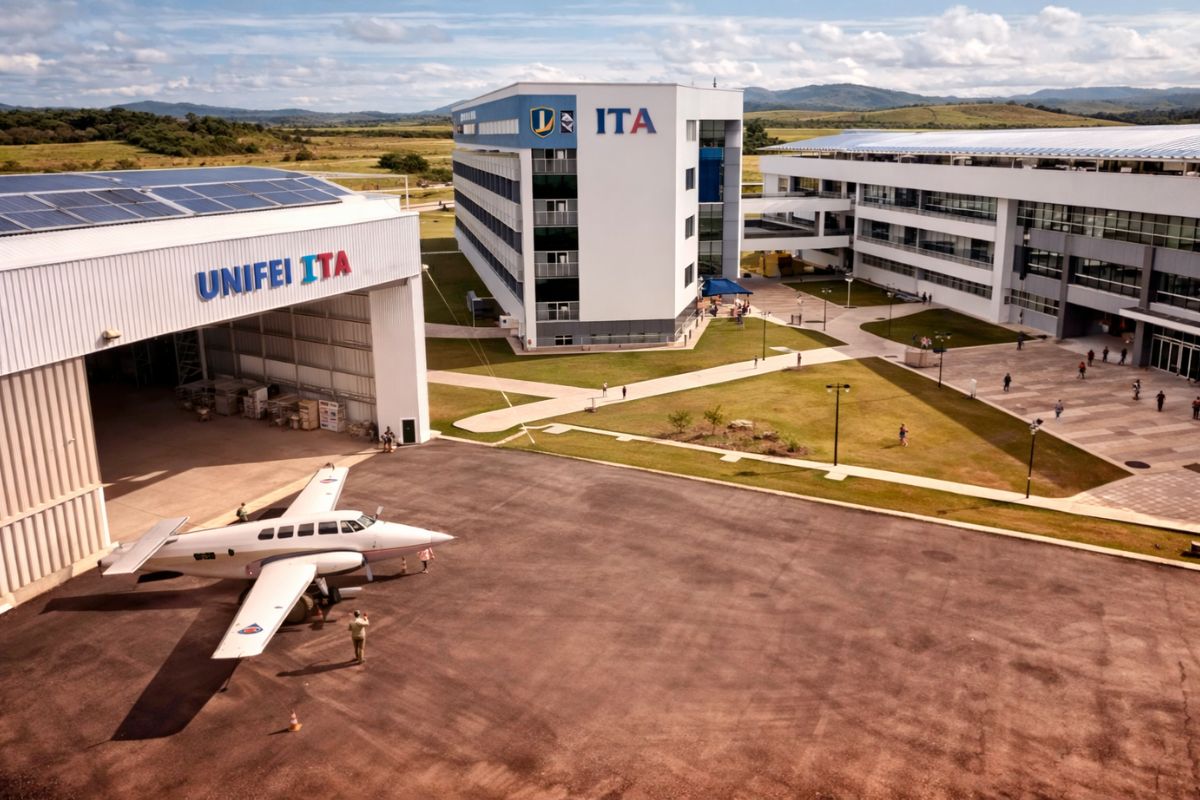
The institute that trained the greatest aerospace engineers in Brazil has just opened its first campus outside São Paulo after 75 years: ITA Ceará will have R$ 445 million, new courses in energy and systems, and classes are expected to start in 2027.
-
Luciano Hang, owner of Havan, goes to Juiz de Fora after the tragedy in February, brings R$ 1 million, hands out R$ 2,000 cards, and donates up to R$ 15,000 to victims in the region.

-
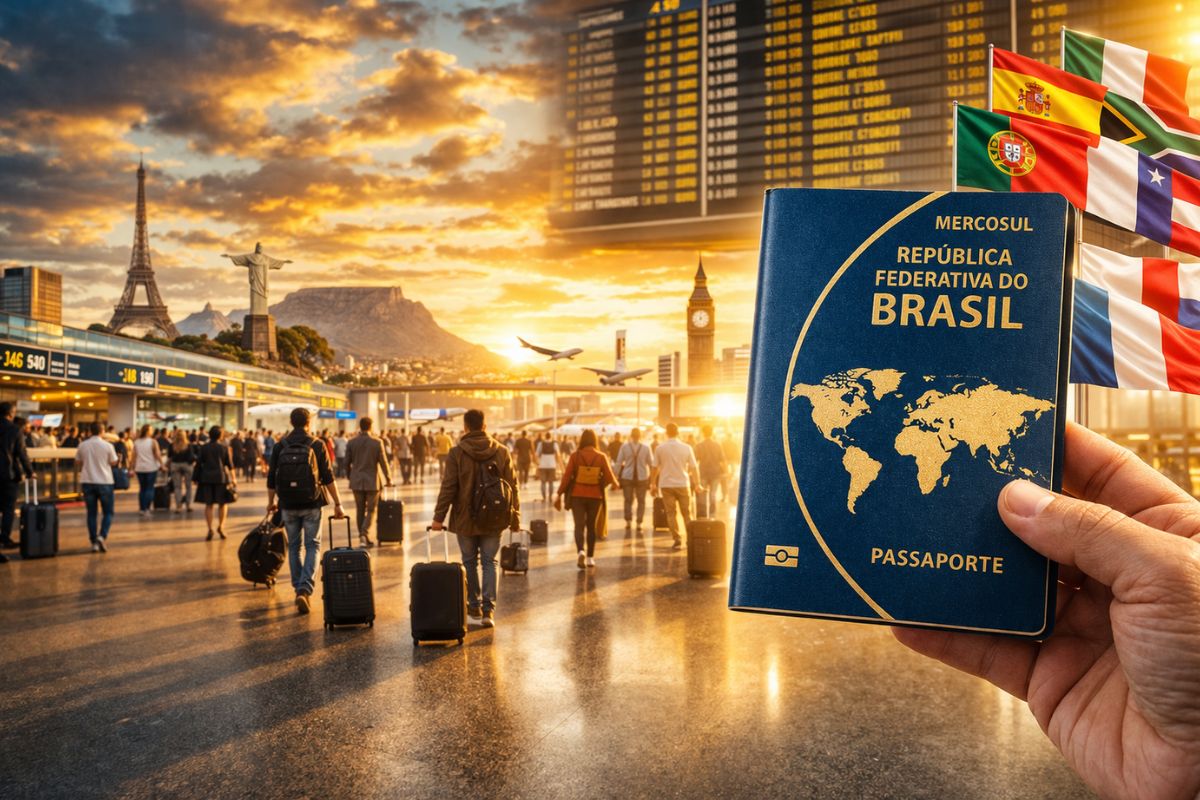
The Brazilian passport allows legal residence in dozens of countries without the need for a prior visa, and most Brazilians are unaware that they can apply for residency directly upon arriving in nations in South America, Africa, and even Europe.
-
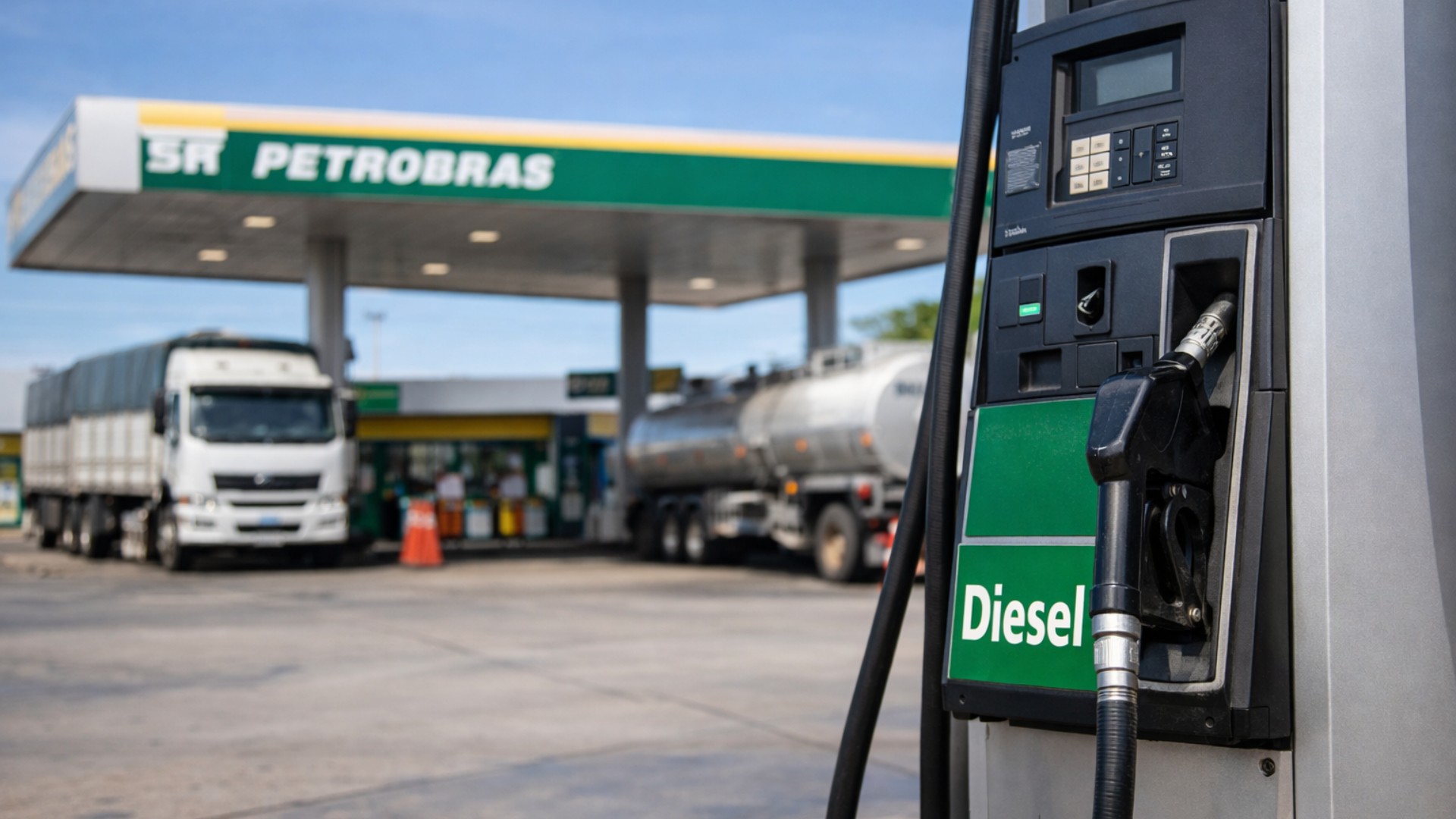
Petrobras sends a message to Brazilian truck drivers after fuel collapse and reveals plan to have 100% domestic diesel.

This experience required cultural adaptation and learning Mandarin.
He also absorbed important concepts from the Chinese corporate environment, such as Guanxi, a network of trust in business, and the intense “996” routine, which represents a work schedule from 9 a.m. to 9 p.m., six days a week.
In 2018, already an executive, Viana returned to China and noticed the transformation of the local automotive sector.
“The first time I went to Shanghai, Brazil was more advanced in terms of cars. When I returned years later, everything had transformed. There was already a trend towards the electrification of vehicles,” he said.
Succession Challenges in the Sector
Taking on the leadership of the group required attention to digital transformation and changes in consumer behavior.
Today, customers arrive at dealerships already informed about models, prices, and features, which forces dealerships to offer differentiated experiences.
Additionally, the sector is undergoing mergers and acquisitions, making family succession complex.
On this, Viana states: “Succession in the dealership business is difficult. There is no ‘glamour’ and there is a perception that many companies do not provide a reputable service.”
Expansion and Financial Challenges
The group’s expansion also faces financial challenges. In cities like São Paulo, just maintaining the vehicle stock can require up to R$ 10 million in working capital.
Despite this, the goal is to grow from 24 to around 40 stores by 2025, maintaining a focus on Chinese brands and electrified cars, which represent the future of mobility.
Betting on Chinese Vehicles
For Viana, Chinese cars are no longer seen just as economical options.
“Now, in the third wave, the Chinese car is as good as the national one and has a very competitive price, in addition to having more advanced technologies,” he said.
The quality, combined with technological innovation, makes these brands stand out in the Brazilian market, especially in the electric and hybrid segments.
Future Perspectives
With electrification on the rise and increasingly demanding consumers, the Amazonas Group sees partnerships with Chinese brands as an opportunity to consolidate its presence and modernize automotive retail.
The strategy combines international experience, knowledge of the domestic market, and attention to global trends, ensuring that the company is ready for the transformations ahead.







Seja o primeiro a reagir!