





 Portuguese
  English
  Spanish
  5 min of reading
  0 comments


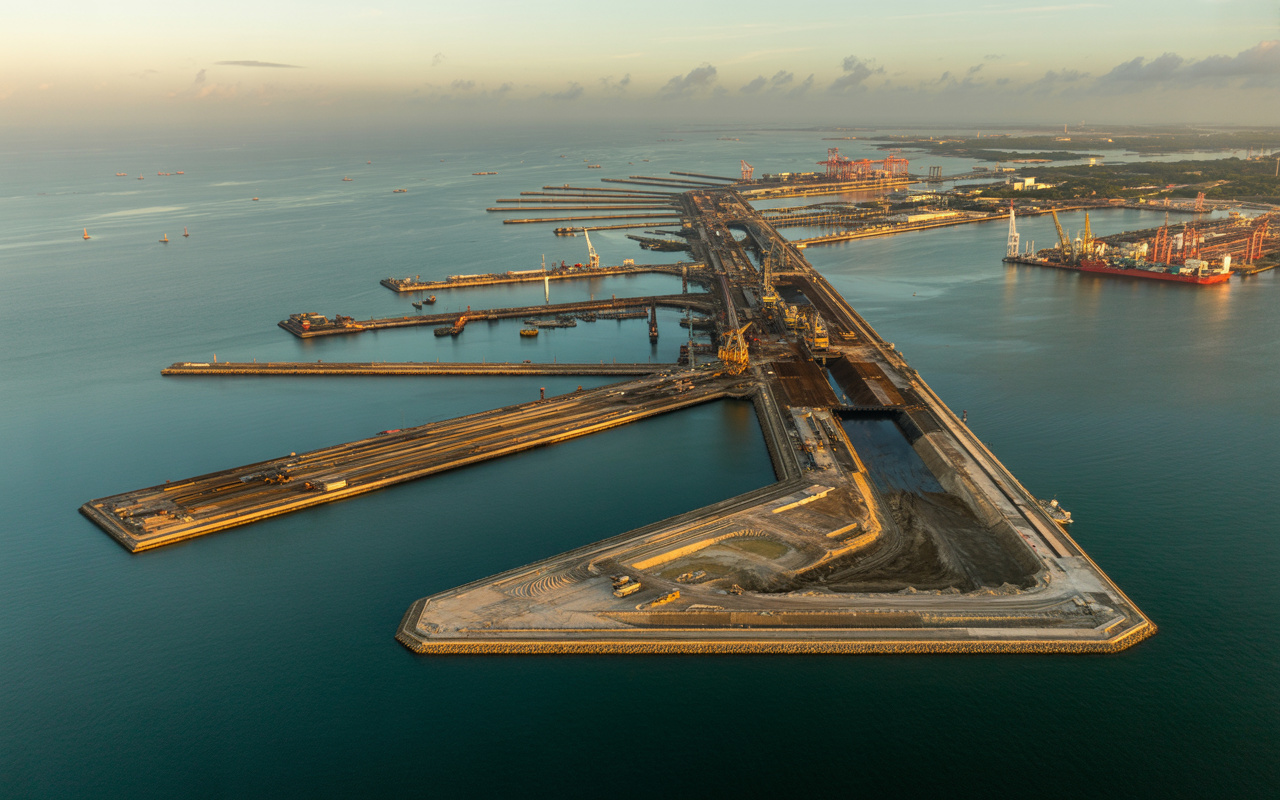
By Pushing The Sea Back And Moving More Than 200 Million M³ Of Dredged Soil, Tuas Megaport Redefines Urbanism, Port Logistics, And Territorial Expansion In Southeast Asia.
Since the 1960s, according to data from the Singapore Land Authority (SLA), the Singapore government has been physically expanding the country through land reclamation, an urban process that involves pushing the ocean back, filling bays, building dikes, installing containment structures, and then urbanizing the artificial surface. According to the Ministry of Sustainability and the Environment of Singapore, the national territory has already increased by more than 130 km² since independence (1965), and today maintains a continuous territorial expansion program supported by dredging and high-precision coastal engineering.
In the logistics sector, the port authority PSA International and the Urban Redevelopment Authority (URA) have confirmed that the largest step in this expansion is associated with Tuas MegaPort, a new deep-water port planned to consolidate all of Singapore’s port operations into a single automated terminal, with final delivery expected between 2040 and 2045. For this, the country is moving more than 200 million m³ of dredged soil and fill, building ocean dikes, preparing marine foundations, and creating a vast urban and industrial area that simply did not exist on the map a few decades ago.
Singapore Does Not Grow Inward: Grows Out To Sea
The case of Singapore is impressive because the country does not have a rural interior. The total territory is only 728.6 km², according to the Department of Statistics. There are no free areas for continental expansion, and therefore, the strategy adopted decades ago was: urbanize the ocean.
-
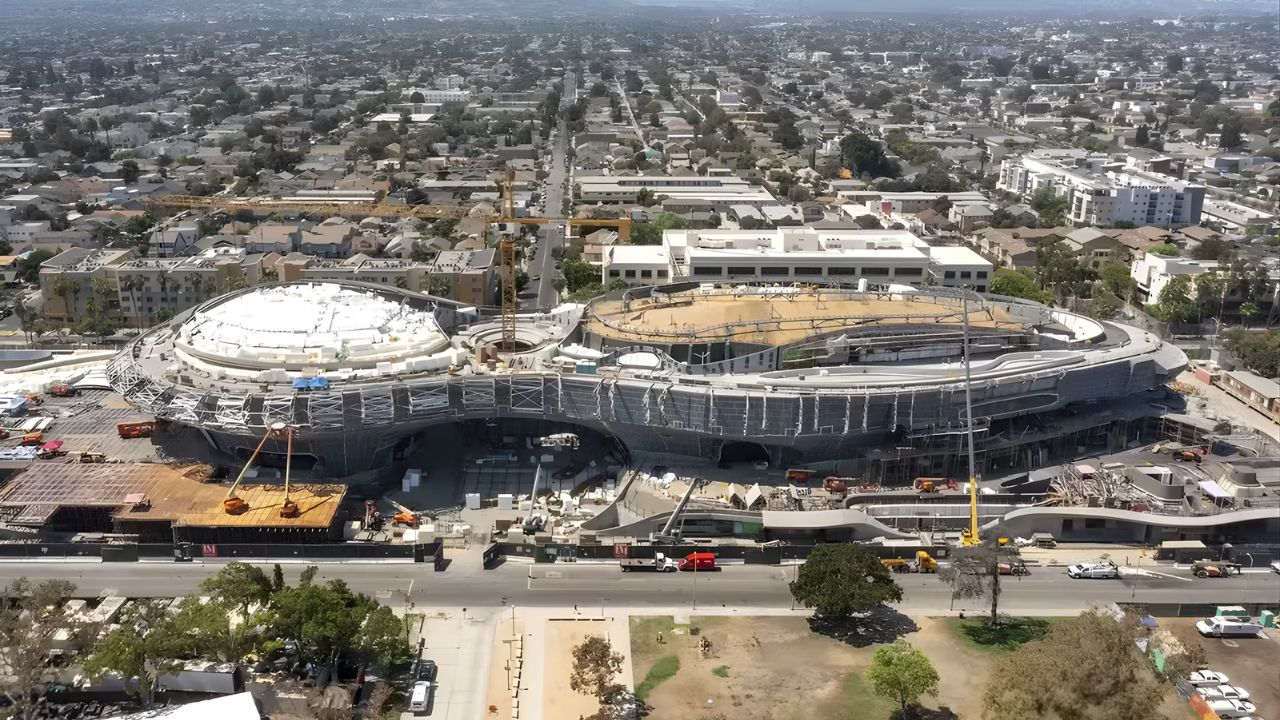
Created by George Lucas with over $1 billion, a futuristic museum in the shape of a spaceship with 1,500 curved panels is about to open in Los Angeles and will house one of the largest private collections of narrative art in the world.
-
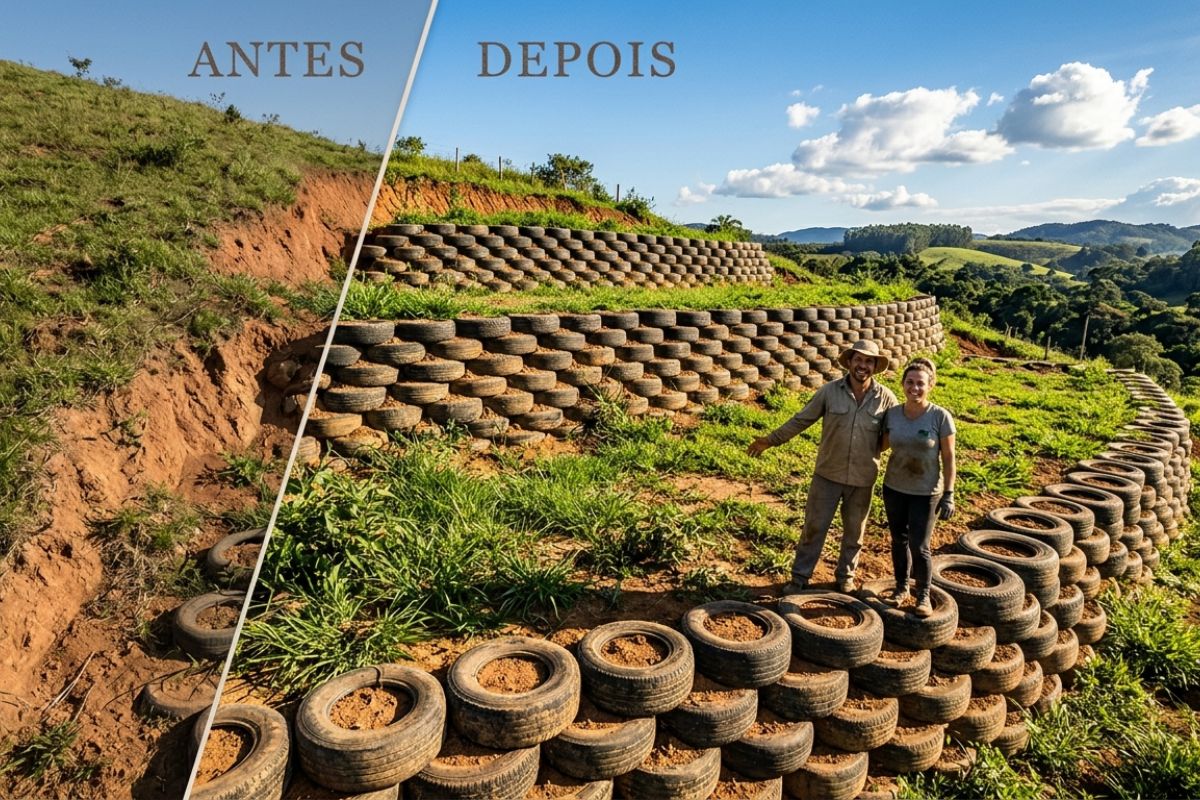
Couple shows how they built a retaining wall on their property using 400 old tires: sloped land turned into plateaus, tires are aligned, filled, and compacted with layers of soil, with grass helping in support and at almost zero cost.
-
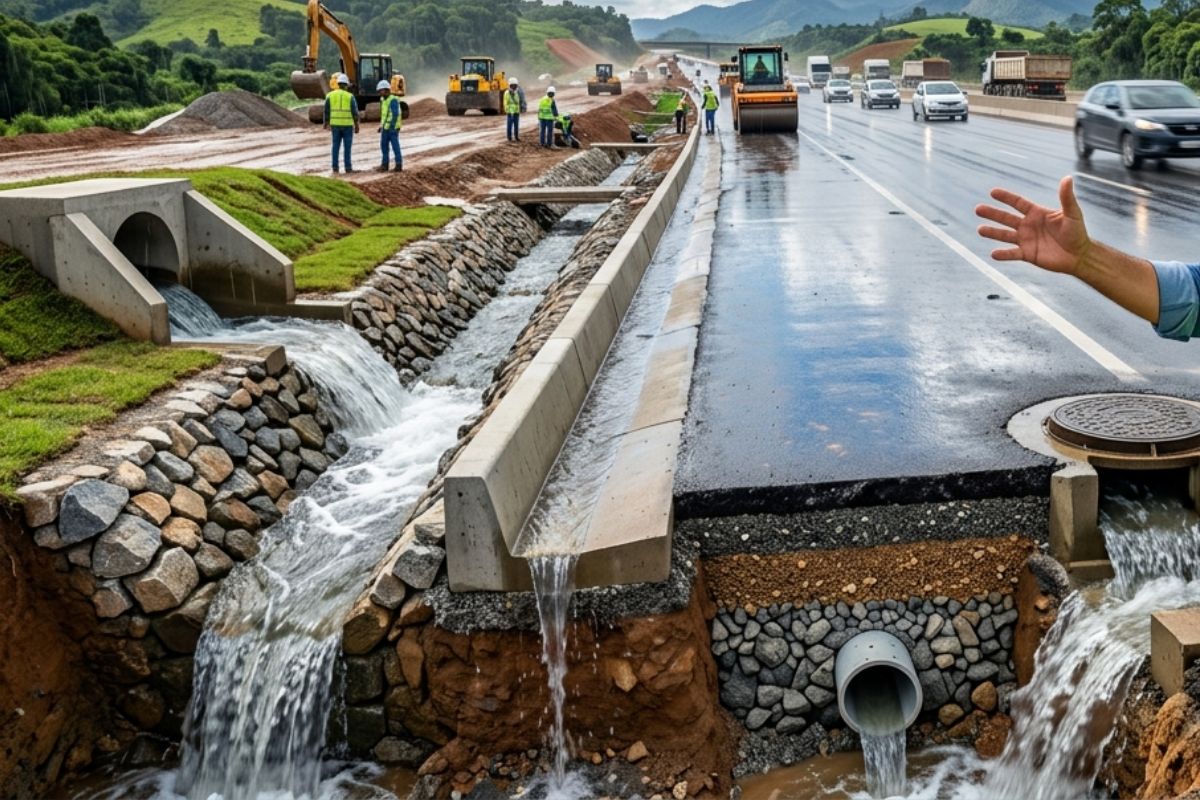
Engineer explains drainage during the rainy season: the difference between surface water and deep water, ditches, gutters, and water outlets on the road, as well as drains and drainage mattresses, to prevent erosion, aquaplaning, and flooding at the construction site today.
-
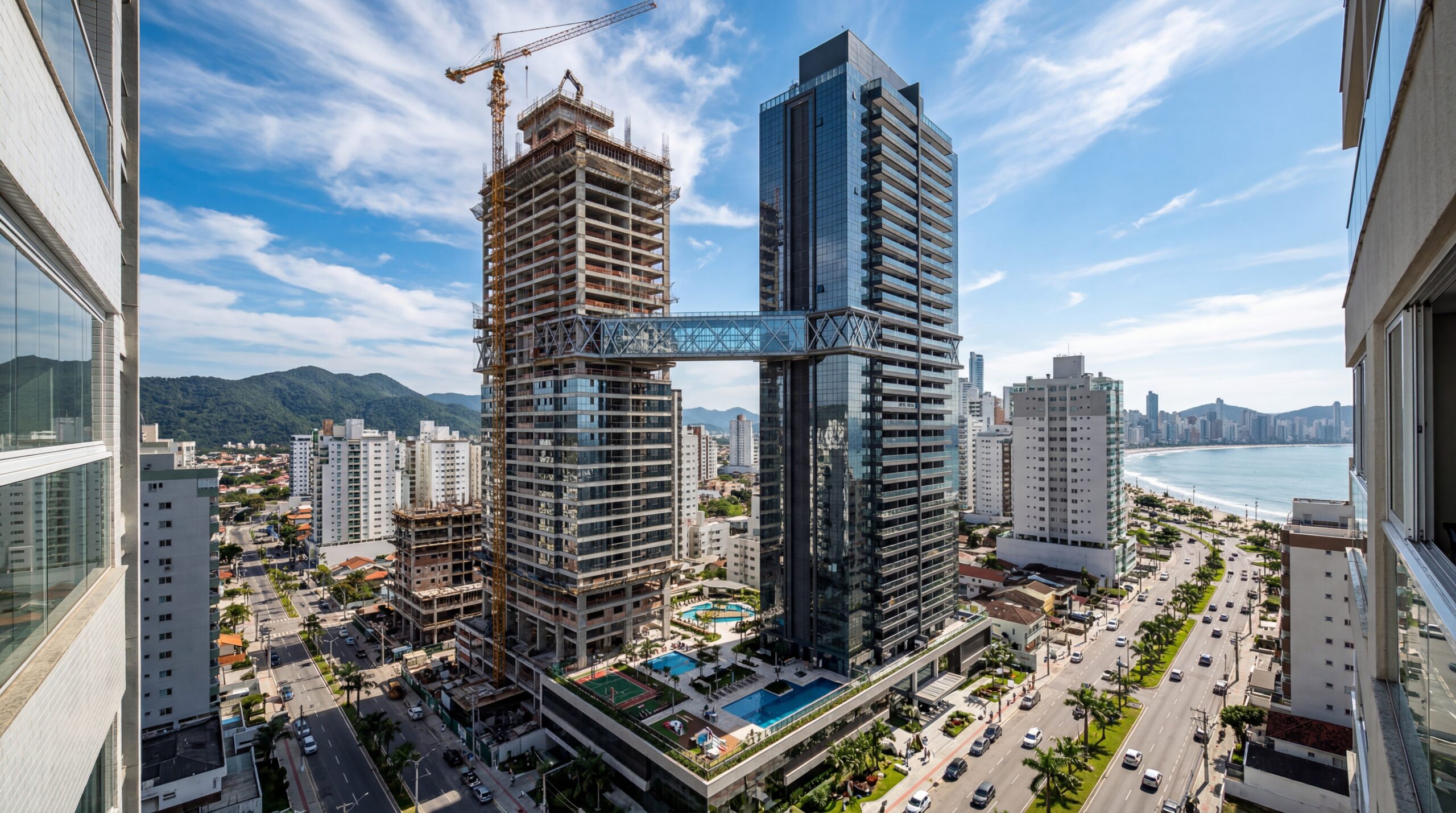
With 55 floors, 177 meters in height, a 15-meter walkway between the twin towers, ventilated facade, and 6,300 m² of leisure space, Ápice Towers already has one tower completed and another nearly at the top.

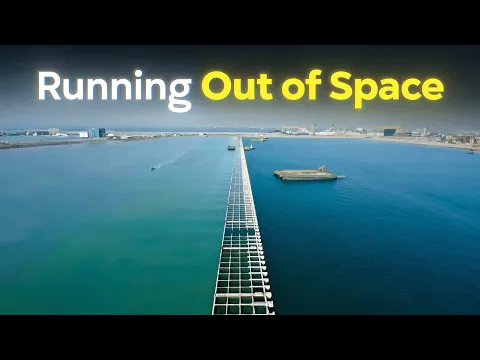

The method basically consists of identifying shallow zones around the main island, installing retaining walls, dredging sediments from the strait itself, and bringing in fill materials (such as sand, gravel, and crushed rock), creating elevated and drained platforms with underground systems.
Over time, entire neighborhoods have emerged in this way: Marine Parade, Tanjong Rhu, Jurong Island, and parts of Changi Airport are iconic examples of infrastructure on reclaimed land.
The case of Changi Airport is often cited in international academic publications: approximately two-thirds of the runways and taxiway areas are on artificial territory, built in stages between the 1970s and 1980s. Without this, the country’s main gateway simply would not have a place to exist.
The Birth Of A Megaport Built On The Sea
The Tuas Megaport is the consolidation of this urban doctrine. According to PSA International, the port will be divided into 4 main phases, with the first already operational since 2021. Each phase adds deep berthing, robotic systems, and container logistics yards.
The strategic objective is to remove old ports near the urban center (such as Tanjong Pagar, Keppel, and Brani) and free up prime city areas for new neighborhoods, parks, housing, and high-value real estate developments. In other words: the port goes to the sea and the city returns to the island. For this, marine engineering involves:
- Dredging More Than 200 Million M³ To Prepare The Seabed
- Construction Of Ocean Dikes And Containment Enclosures
- Soi Compaction And Drainage To Prevent Settlement
- Construction Of Deep Berthing Platforms For Post-Panamax and Triple-E Ships
- Installation Of Automated Ship-To-Shore Cranes
- Integration With Autonomous Container Transport Systems
When complete, the terminal is expected to handle more than 65 Million TEUs Per Year, which may keep Singapore among the largest container ports in the world, competing directly with Shanghai, Ningbo-Zhoushan, Busan, and Shenzhen.
How To Create A Neighborhood On The Ocean
Urbanization on artificial land requires a more complex sequence of engineering than common construction. In the case of Singapore, the general process involves:
- Defining The Maritime Area: Engineers delineate the expansion zone, considering depth, currents, shipping routes, and environmental impact.
- Installing Perimeter Containment: Retaining Walls (concrete caissons, rock embankments, or metal curtains) that will form the perimeter of the future “island” are erected.
- Dredging And Filling: The seabed is dredged and reinforced with granular material, followed by successive fill until reaching urban grade.
- Soil Compaction: The platform is compacted by vibroflotation or preload with vertical drains, to prevent settlement.
- Drainage And Foundations: Finally, subsurface drainage, power substations, pipelines, technical galleries, and foundations for buildings are installed, preparing the site to become a city.
With this method, Singapore literally designs new urban neighborhoods on the ocean. In practice, the process gave rise to what is now known as Jurong Island, a petrochemical hub with dozens of factories and gas pipelines, considered one of the largest maritime industrial complexes in the world.
A Port That Becomes A City And A City That Becomes A Port
The most fascinating aspect of the project is not only the port but the geographical strategy behind it. By relocating all port infrastructure to the western tip of the island, Singapore creates a new urban cycle:
- Neighborhoods In The Center Are Freed
- Valuable Lands Become Housing And Commerce
- Companies Redistribute Activities
- The Port Operates With Robotics Away From The Urban Core
The URA (Urban Redevelopment Authority) has already published models and plans to redevelop areas previously occupied by containers, ships, and warehouses. Regions like Keppel Club and Greater Southern Waterfront are expected to transform into high-end neighborhoods, with waterfront avenues, public parks, corporate buildings, and housing, creating a new urban front kilometers long.
Environmental Impacts And Mitigation Engineering
No maritime territorial expansion project is neutral. Thus, Singapore has adopted a series of environmental strategies documented by international agencies in recent years:
- Restoration Of Mangroves
- Monitoring Of Sediments
- Creation Of Turbidity Barriers
- Seagrass Planting
- Use Of Recycled Sand And Alternative Materials
- Impact Studies On The Migration Routes Of Marine Mammals
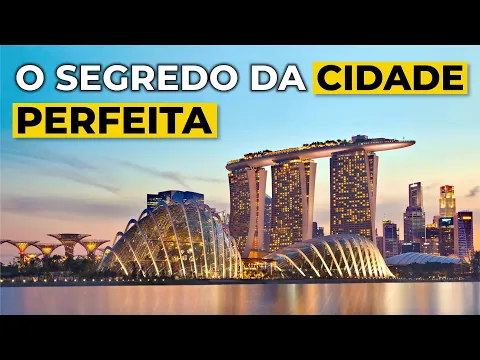
In addition, the government has begun to adopt the concept of “resilient reclamation,” raising the level of urban platforms to face scenarios of sea-level rise, which is especially critical in a coastal city with a large part of its territory less than 5 m above current sea level.
One Of The Largest Ongoing Works Of The 21st Century
Summing up the numbers:
- +200 Million M³ Of Fill
- 65 Million TEUs/Year Of Planned Capacity
- 130 km² Of Area Added To The Country Since 1965
- 2040–2045 As The Final Cycle Of Port Integration
- Neighborhood And Port Built Together Over The Ocean
The combination of maritime engineering + urban redesign + automated port logistics makes Singapore one of the few countries that physically grows on the map, something that typically only happens through terrestrial colonization or tectonics — here it occurs through engineering design.








-

-

-

-

5 pessoas reagiram a isso.