





 Portuguese
  English
  Spanish
  4 min of reading
  0 comments


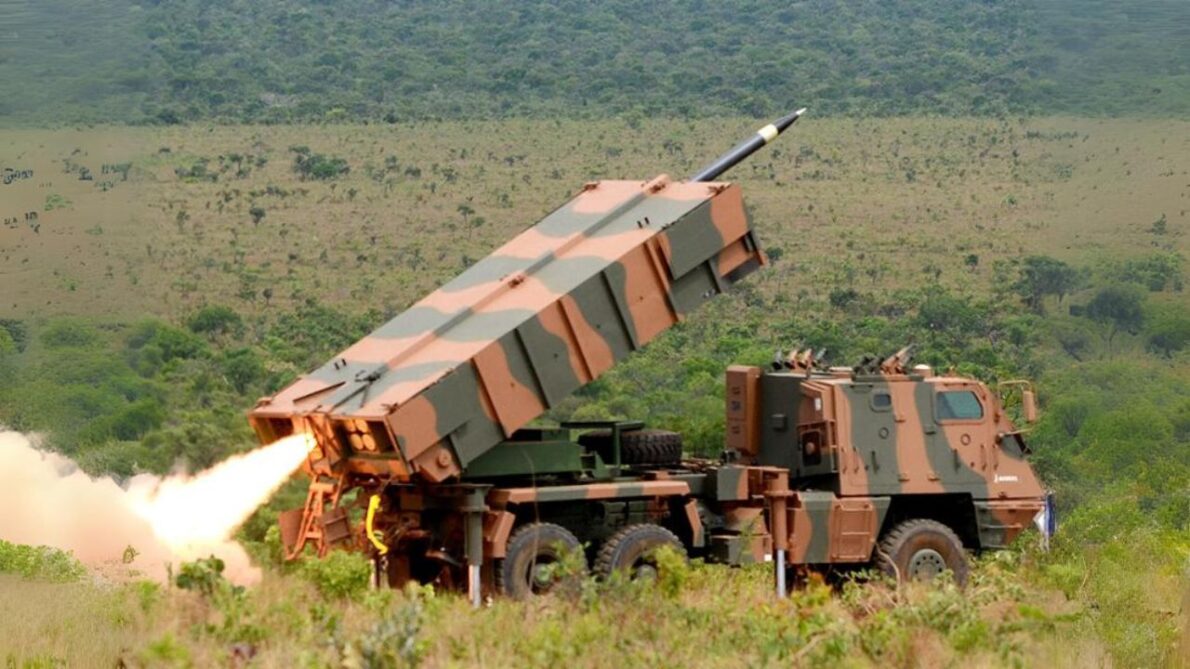
Discover The Power Of Brazil’s Astros 2 Missile System And Its Impact On The Gulf War, Delaying NATO And Worrying Military Leaders
In the early 1990s, the Iraqi economy was seriously vulnerable due to the fluctuation of oil prices in the global market. Oil was the main export product on which the country depended to survive. In July 1990, President Saddam Hussein accused Kuwait of causing the sharp drop in oil prices and demanded $2.4 billion in compensation. However, Hussein’s true interest was to take over Kuwait’s oil refineries and match Saudi Arabia as the world’s largest oil exporter, thereby saving his economy. Brazil
On August 2, 1990, Saddam Hussein invaded Kuwait with 120,000 soldiers to take control of its vast and valuable oil fields. This action provoked an immediate reaction from the international community. Iraq’s foreign assets were frozen, and the UN, through the major Western powers, condemned the invasion. Two days after the invasion, about six thousand Western citizens, mainly Europeans and North Americans living in Kuwait, were taken hostage by Iraqi troops and transported to Iraq, where some of them were placed in strategic areas like refineries and munitions depots to prevent a possible NATO airstrike against these locations.


The Impact Of Sanctions And Brazil’s Participation
On the same day, the UN Security Council imposed a commercial, financial, and military boycott on Iraq, prohibiting any country in the world from doing business with the Iraqis, under penalty of suffering the same sanctions. Brazil saw itself severely affected by this decision, as it had excellent trade relations with Iraq. Half of the oil consumed in Brazil came from that country, and Iraq was one of the few countries that granted credit for oil purchases.
-
USA and China compete for Brazil over resources that could be worth trillions — rare earths put the country at the center of a global dispute

-
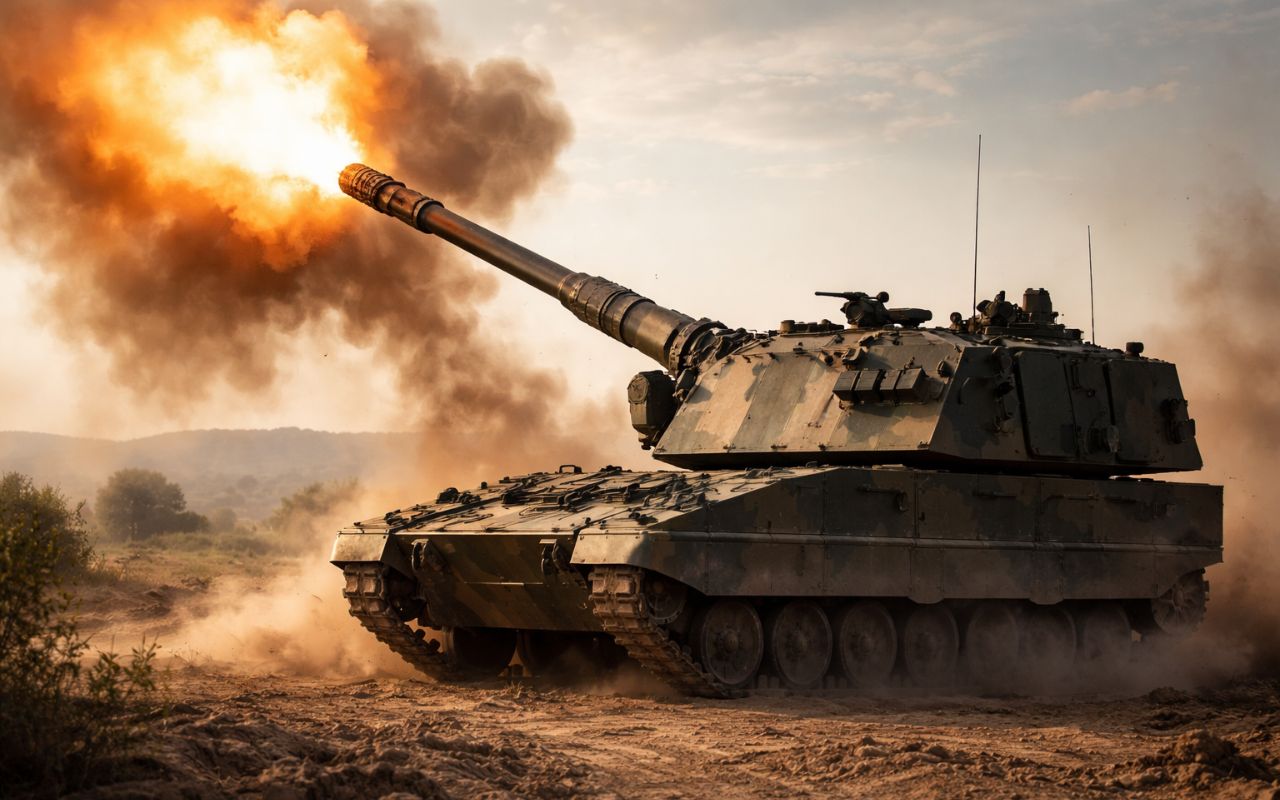
The German “steel monster” weighing 55 tons fires up to 10 projectiles per minute at over 40 km and avoids counterattacks on the battlefield by moving quickly to escape enemy attacks; meet the Panzerhaubitze 2000.
-
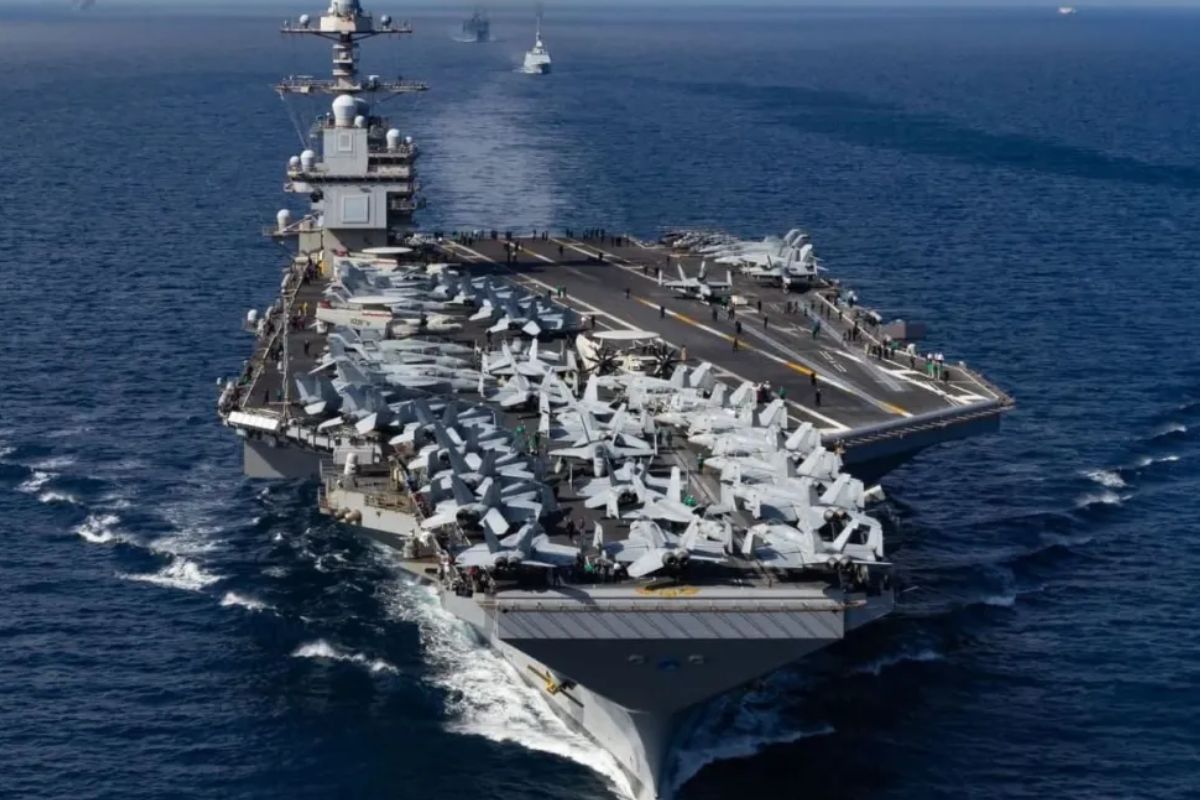
USS Gerald R. Ford, the largest aircraft carrier in the world, returns to sea after a fire in the laundry in the Red Sea; repaired in Crete, it resumes missions of Operation Epic Fury against Iran.
-
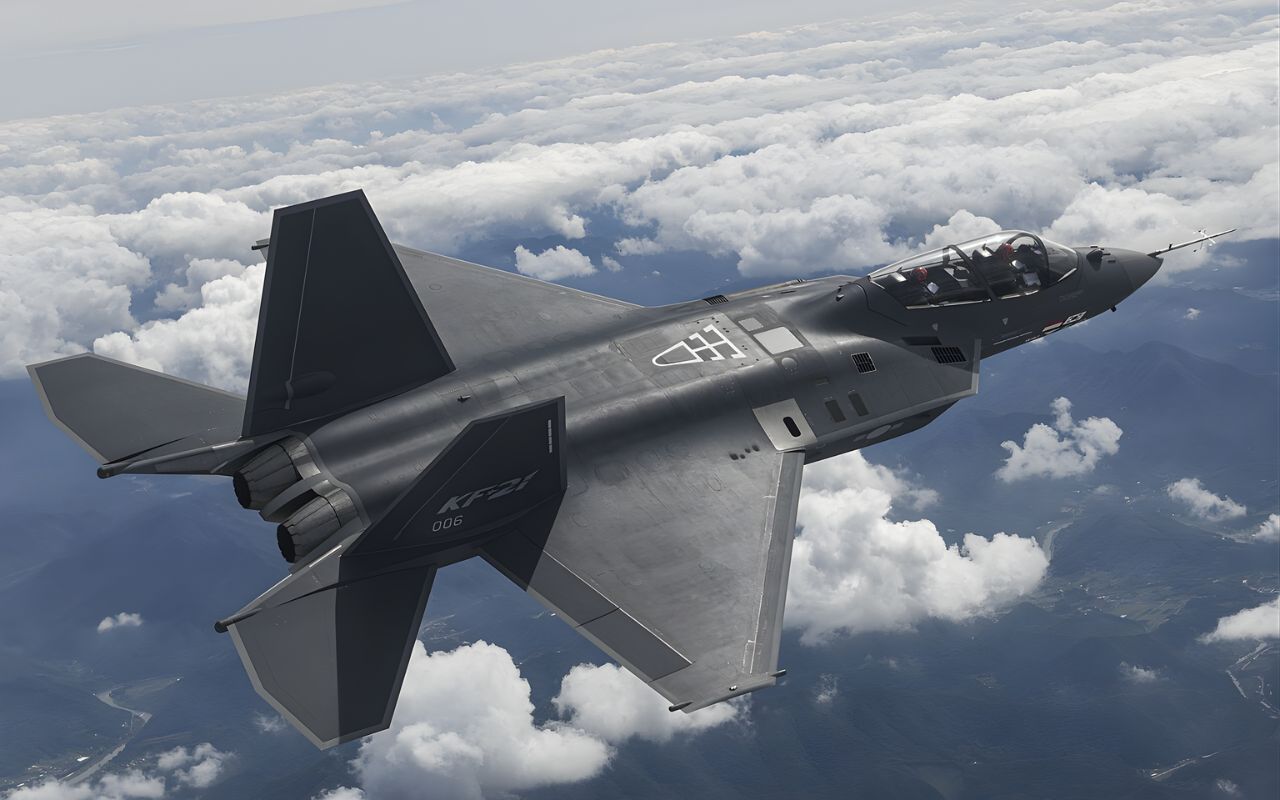
Military power: South Korea’s new KF-21 fighter jet will be a key component in replacing the aging aircraft of the air force, placing the country on the map of air military powers.

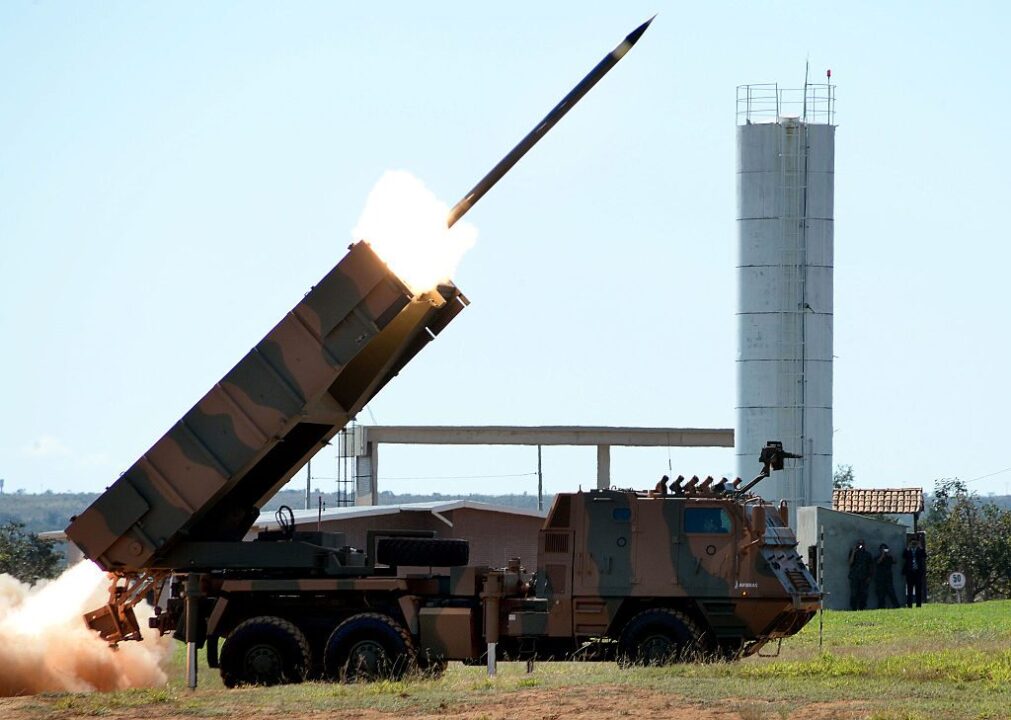
Moreover, Brazil sold Saddam Hussein many manufactured products, food, minerals, and primarily weapons, automobiles, and uranium. Between 1984 and 1989, Iraq purchased 80 Tucano ground attack aircraft from Brazil, more than 1,600 armored vehicles among troop transport and reconnaissance models, and was one of the first countries to buy the Brazilian artillery rocket and missile system for area saturation, the Astros 2. Brazil sent 80 units of this system to Iraq.
Operation Desert Storm And The Effectiveness Of Astros 2
On January 17, 1991, Operation Desert Storm began, an international coalition of 29 countries led by the United States, declaring war on Iraq. The primary targets of the airstrikes were Iraq’s most powerful weapons, including the missiles from the Brazilian Astros 2 system and Soviet-made Scud missiles. American generals advised President George Bush not to send NATO troops onto the ground until it was ensured that all of Iraq’s missile launch systems were destroyed. This led special forces from the United States, Britain, and Israel to secretly infiltrate western Iraq to locate and destroy the positions of the Astros 2 and the Scuds.
As indicated by technical manuals, after being used, the Astros 2 would quickly be withdrawn from position and hidden. There were confrontations between Iraqi Astros 2 batteries and the Saudis, with frontline positions on both sides, before the NATO ground operation commenced. Only after more than a month of bombings and air combat, when Iraq’s air defense systems and aircraft had all been destroyed, and could no longer provide air protection for the movement and concealment of the Astros 2 and the Scuds, did the international coalition manage to destroy them with airstrikes and special forces.
After the destruction of the Iraqi missile launchers of Brazilian and Soviet manufacture, the international coalition, with nearly 1 million soldiers, mostly Americans, against about 600,000 Iraqi troops, began the ground operation in Kuwait and Iraq on February 24, 1991. In just three days, the allied forces devastated the Iraqi troops, liberating Kuwait and winning the war.
The Astros 2 missile launch system, developed in Brazil, demonstrated its effectiveness and caused great concern among NATO forces during the Gulf War. Its mobility and area saturation capability were determining factors that delayed the advance of allied troops at the beginning of the conflict. Only after the destruction of this system could the international coalition forces advance and achieve final victory. The Gulf War of 1991 was a conflict of great historical significance, not only for its geopolitical consequences but also for the role played by technologies developed by emerging countries like Brazil.
The Astros 2 missile launch system proved to be a formidable weapon, capable of delaying the advance of NATO forces and causing great concern among the military leaders of the international coalition. This experience demonstrates the importance of developing national defense technologies and their ability to influence the course of international conflicts.








Seja o primeiro a reagir!