





 Portuguese
  English
  Spanish
  3 min of reading
  0 comments



Rigorous medical evaluation defines if elderly drivers can renew their driver’s license and continue driving safely
The driver’s license for the elderly may not be renewed when illnesses compromise the ability to drive safely, especially in drivers over 60 years old, according to current legal requirements in Brazil.
The Brazilian Traffic Code (CTB) requires periodic medical and psychological evaluation for all drivers, while the National Traffic Council (Contran) reinforced these criteria through Resolution No. 927/2022, which standardizes the fitness assessment.
During the renewal process, professionals directly assess the physical and mental condition of the driver and, when risks are identified, classify the driver as unfit, either temporarily or permanently.
-
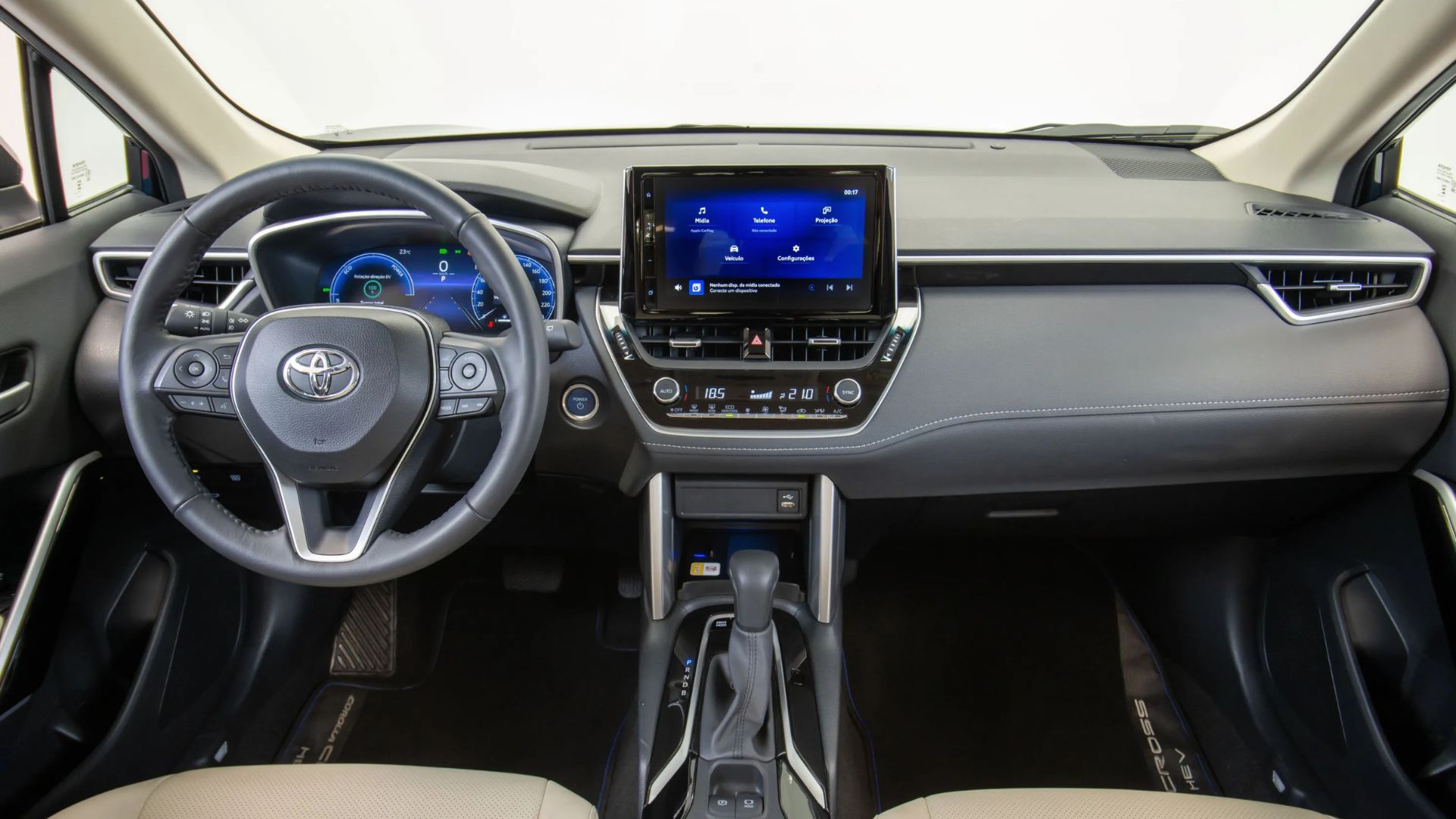
With 122 hp, fuel consumption of up to 17.7 km/l, and a trunk capacity of 440 liters, this hybrid SUV impresses even though it costs up to R$ 47,000 more than the Yaris — meet the Toyota Corolla Cross.
-
600 km with three Chinese plug-in SUVs, same mode and air conditioning on: Jaecoo 7, BYD Song Plus, and Haval H6 hit the road, and the pump reveals who was truly the most economical.

-
With a price almost R$ 100 thousand lower, the Haval H9 surpasses the SW4 for the first time in March, but Toyota still leads in the accumulated total for 2026; the Chinese SUV bets on technology and premium finishing to compete at the top.

-
6 used cars that cost less than a new Honda CG 160 Titan and still provide trunk space, four seats, and comfort that many new motorcycles cannot offer.


Rigorous medical evaluation defines the driver’s fitness
The Department of Transit conducts in-person exams that analyze reflexes, cognition, and general health conditions of the driver.
Illnesses that cause sudden episodes or reduce reaction capacity represent critical factors, which is why doctors analyze each case individually, considering clinical history and disease management.
The decision prioritizes traffic safety, so evaluators may deny the renewal of the driver’s license when they identify a real risk to safe driving.
List of diseases that may prevent the renewal of the driver’s license
The driver’s license for the elderly may be suspended or denied when certain diseases directly affect the ability to drive, as the medical evaluation considers the functional impact of each condition.
Among the main diseases analyzed are neurological diseases, such as Alzheimer’s, Parkinson’s, uncontrolled epilepsy, and stroke, which compromise coordination and cognition, as well as visual and auditory disorders, such as advanced cataracts, glaucoma, and diabetic retinopathy, especially when they present severe uncorrectable losses.
Also included in the analysis are heart diseases, such as severe arrhythmias, heart failure, and recent heart attacks, which can cause fainting, as well as mental or cognitive disorders, including dementia and disorders that compromise attention, judgment, and decision-making.
Additionally, doctors evaluate diabetes and hypertension when they are uncontrolled and associated with significant complications, as well as severe sleep apnea, which causes excessive daytime sleepiness.
The examining physician evaluates each diagnosis according to the degree of control and the direct impact on driving, making the final decision based on the risk presented.
Legal basis and criteria defined by the CTB and Contran
The CTB establishes the legal basis for these requirements, while Contran defines the mandatory medical and psychological criteria applied nationwide.
Since the publication of Resolution No. 927/2022, the system has begun to apply nationally standardized criteria, ensuring that only fit drivers remain licensed.
The analysis integrates physical and mental factors and maintains collective traffic safety as a central priority.
Traffic safety is a priority in the renewal of the driver’s license
The renewal of the driver’s license for the elderly directly depends on the health condition of the driver, and when essential capabilities are compromised, evaluators may deny the license.
This process reduces risks and prevents accidents, making medical evaluation essential to protect all road users.
In light of this, considering the legal and clinical criteria currently applied, to what extent should health limit the right to drive?










Seja o primeiro a reagir!