





 Portuguese
  English
  Spanish
  3 min of reading
  0 comments


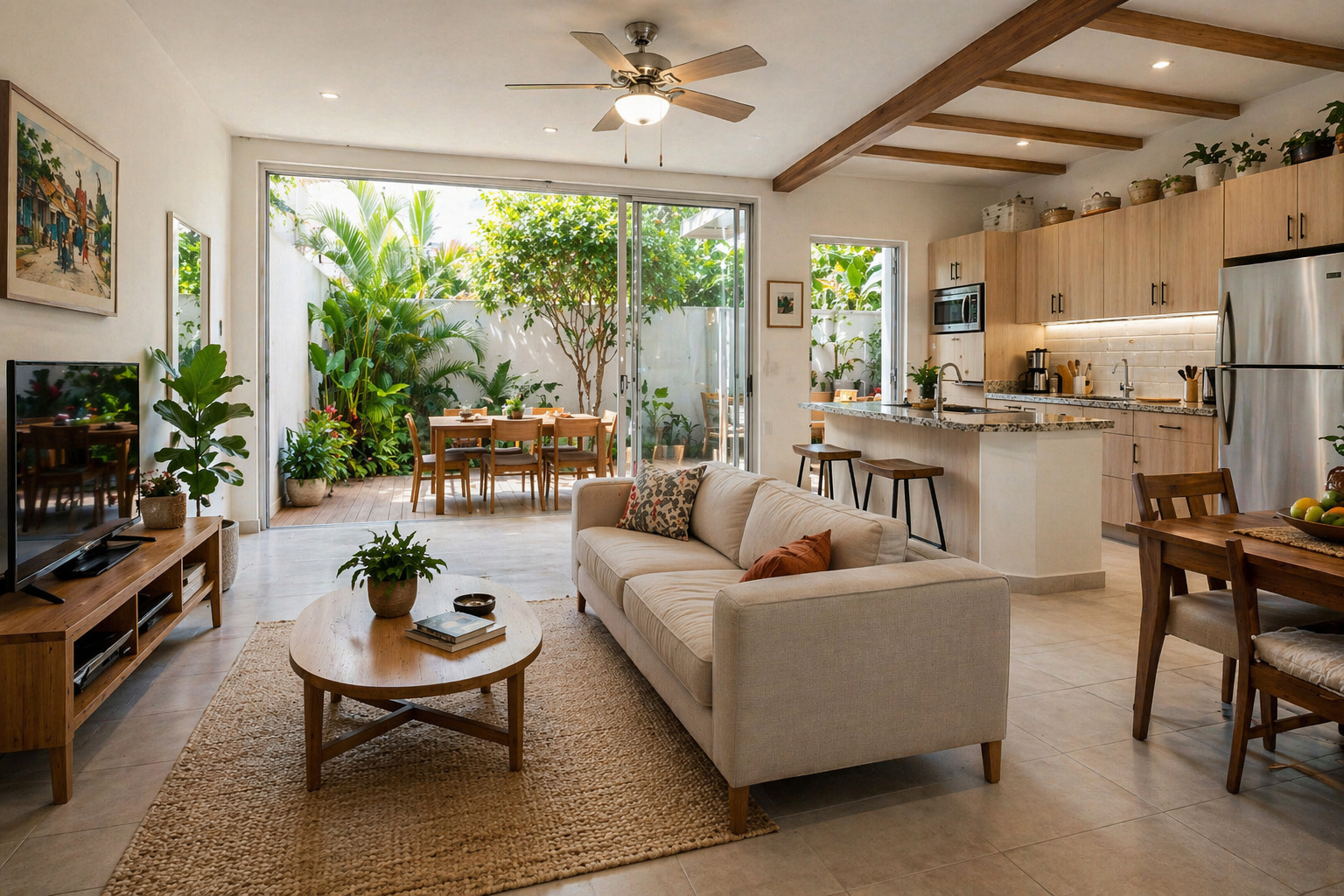
The intelligent use of natural light redefines small houses, improves comfort, and reduces dependence on electricity with sustainable and well-planned solutions
The small house designed to take advantage of natural lighting has become one of the main trends in contemporary architecture, especially since 2020, when sustainable projects gained more relevance. The concept goes beyond reducing space and begins to explore each element of the construction as part of a strategy to improve comfort and reduce electricity consumption. Windows, materials, and openings cease to be just structural components and take on a central role in the efficiency of the property.
Natural lighting redefines the performance of compact houses
Natural lighting is considered one of the pillars of sustainable architecture applied to compact houses. In smaller spaces, dark areas become more noticeable, which requires precise planning of the position of doors, windows, and other openings. The integration between environments, such as living room and kitchen, allows light to spread more easily, while light surfaces and reflective elements enhance the sense of brightness and make better use of daylight.
Sustainable architecture uses natural light to save energy
Sustainable architecture uses natural light as the main resource before resorting to more complex technological solutions. The study of the solar orientation of the land, cross ventilation, and the shadows cast by neighboring buildings guides the positioning of the environments and defines the entry of light at the most appropriate times. This type of planning reduces energy waste and improves the thermal and visual comfort of the residence.
-
Trump revealed today the design for the world’s largest triumphal arch, standing 76 meters tall, more than double the height of the Lincoln Memorial, with a golden Lady Liberty on top, four golden lions at the base, and the inscription “One Nation Under God” engraved in gold. When asked who the monument was for, he replied, “for me.”

-
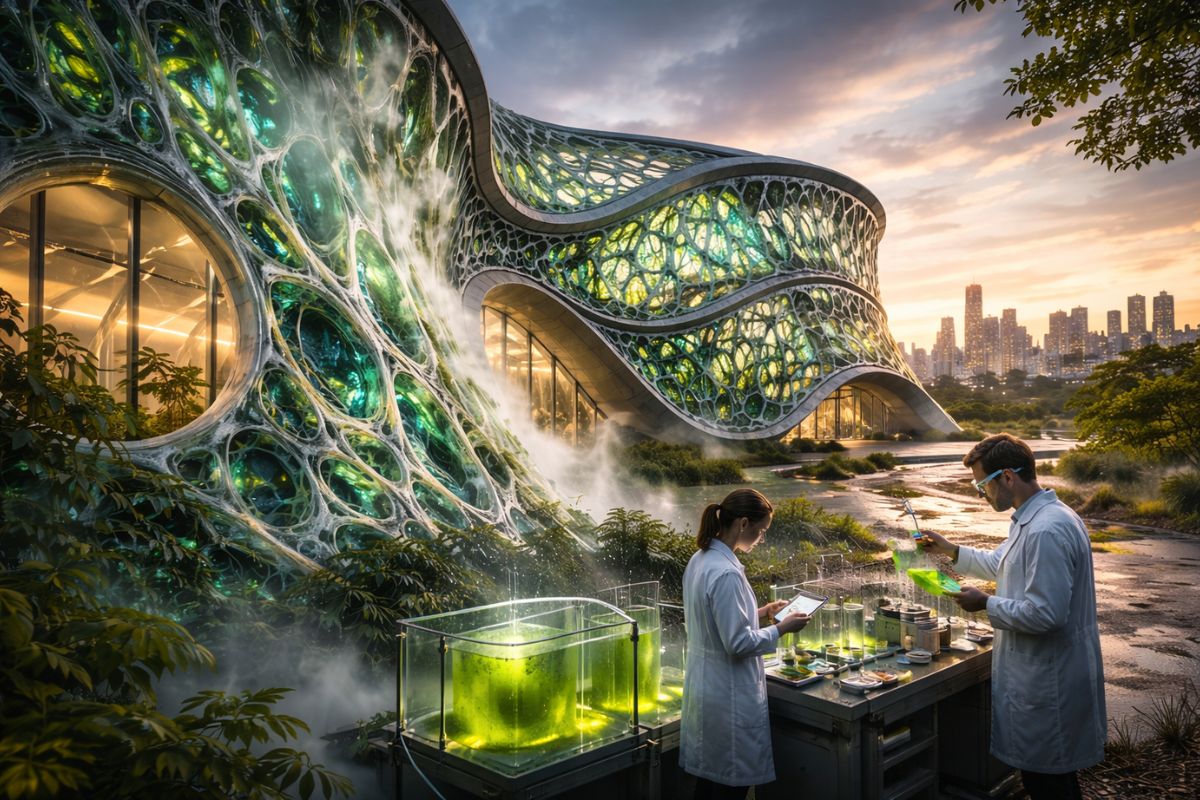
Imagine a building that absorbs air pollution, regenerates itself, and becomes more resilient with each passing year: scientists from ETH Zurich have just turned this idea into reality using cyanobacteria and 3D printing.
-
Ceará receives the first 100% electric 19-ton loader: the SW956E model promises zero diesel, low maintenance costs, a 3.5 m³ bucket, and fast recharging in 1 hour and 10 minutes for mining and construction.

-
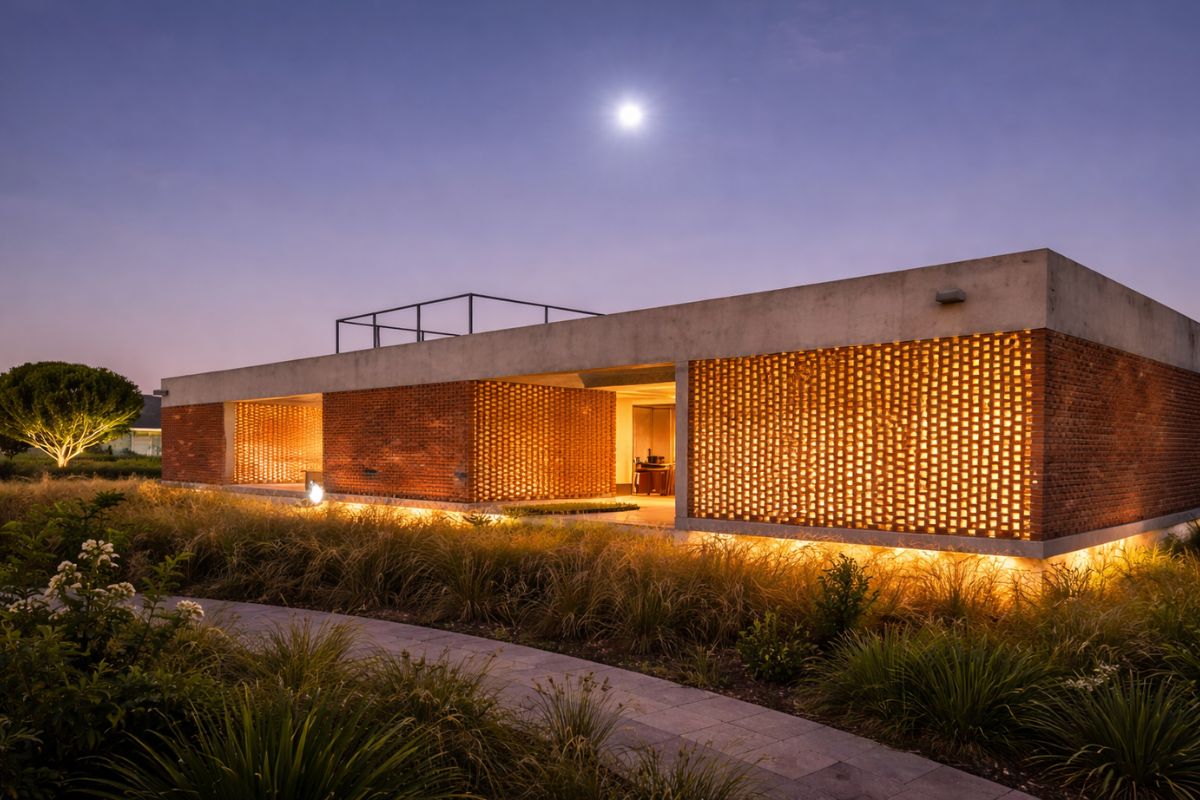
Casa Tupin in Brasília seems to float with exposed concrete and prestressed beams, 12 pillars support everything and without windows, it uses floor-to-ceiling openings in glass, cobogó, and small bricks in the internal courtyard.
Strategies applied to maximize lighting
Among the main strategies adopted in projects of this type are the use of larger windows on facades with good indirect light incidence, the creation of openings on different sides of the house, and the use of glass doors and translucent elements. The application of light colors on walls, ceilings, and floors contributes to better reflect the available light, while skylights and upper openings enhance lighting in specific points of the residence.

Benefits of the small house with natural lighting
The combination of a small house, natural lighting, and energy efficiency offers benefits that go beyond savings on the electricity bill. Brighter environments tend to feel larger, which is essential in compact properties. Better use of internal space and uniform light distribution make activities such as reading, studying, and working more comfortable and functional in daily life.
Planning defines the efficiency of the compact house
The planning of an efficient house requires a detailed analysis of the land and solar incidence throughout the day. Defining the environments that will receive direct or indirect light, combined with the choice of materials that reflect light without causing discomfort, ensures a balance between brightness and thermal comfort. Lighting tests and simulations help adjust the project and make the result more efficient and functional.
Adaptation of natural lighting in urban areas
In dense urban areas, adapting natural lighting requires specific solutions due to narrow lots and close constructions. Resources such as skylights, internal courtyards, winter gardens, brises, and perforated elements allow light to reach central areas of the house without compromising privacy. Even with limitations, it is possible to keep the residence well-lit, efficient, and aligned with current demands for sustainability and quality of life.







Seja o primeiro a reagir!