





 Portuguese
  English
  Spanish
  7 min of reading
  0 comments


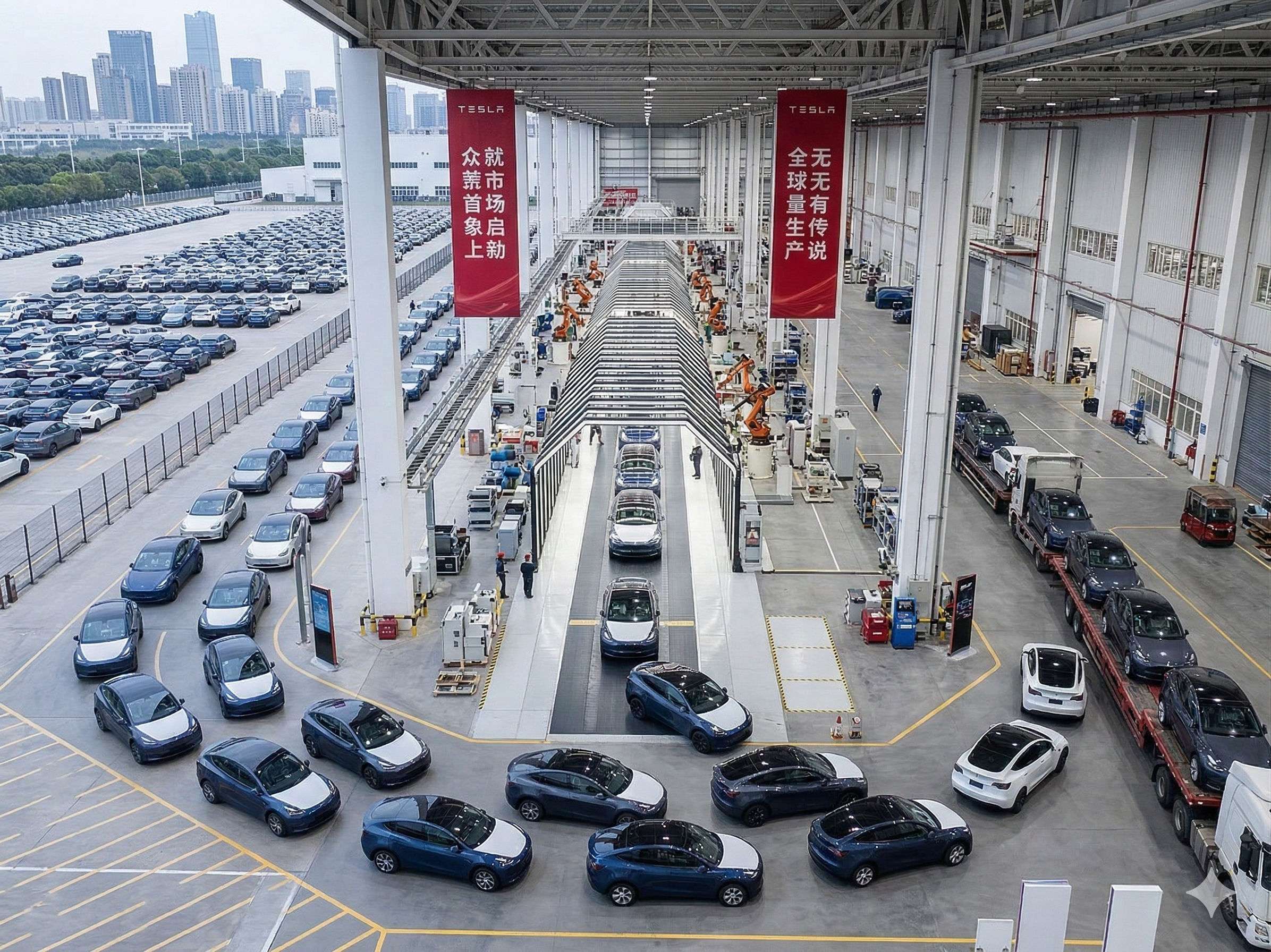
Tesla prepares cheaper compact electric SUV, smaller than the Model Y, focused on production in China and global volume recovery in the mass market.
In 2026, Tesla returned to the spotlight after an exclusive report from Reuters revealed that the automaker led by Elon Musk is discussing with suppliers the development of a new compact electric SUV, focusing on cost reduction and mass production. The project, still in its early stages and without official confirmation of launch, arises at a delicate moment for the company, which is facing a slowdown in demand for its vehicles and increasing pressure from Chinese and European competitors.
According to sources linked to the development quoted by Reuters, the new model is expected to be smaller than the Model Y, adopt a lighter structure, possibly use only one electric motor, and be designed to cost less than the current Model 3, which is currently the entry-level model for the brand in key markets. The initial plan points to production in China, at the Shanghai factory, before a possible expansion to the United States and Europe.
The strategy indicates a significant shift in positioning: by returning to study a more affordable vehicle, Tesla is trying to regain competitiveness precisely in the segment where Asian manufacturers, especially the Chinese, have been advancing more strongly. Amid pressure on sales, inventories, and margins, the bet on a lower-priced compact utility vehicle appears as an attempt to reposition the brand in an increasingly competitive global electric vehicle market.
-
Kawasaki took the technology from its most brutal racing bikes, squeezed it into a 400cc 4-cylinder engine that revs to 15,000 RPM, and created the ZX-4R, a machine that shouldn’t exist in this displacement but is making experienced riders rethink everything they thought they knew about mid-range motorcycles.

-
The culture of cars that jump on the asphalt was born in the garages of Mexicans in the 1940s, was treated as a crime in the United States for decades, and has now become an official postage stamp of the American Postal Service in a twist that no one expected.

-
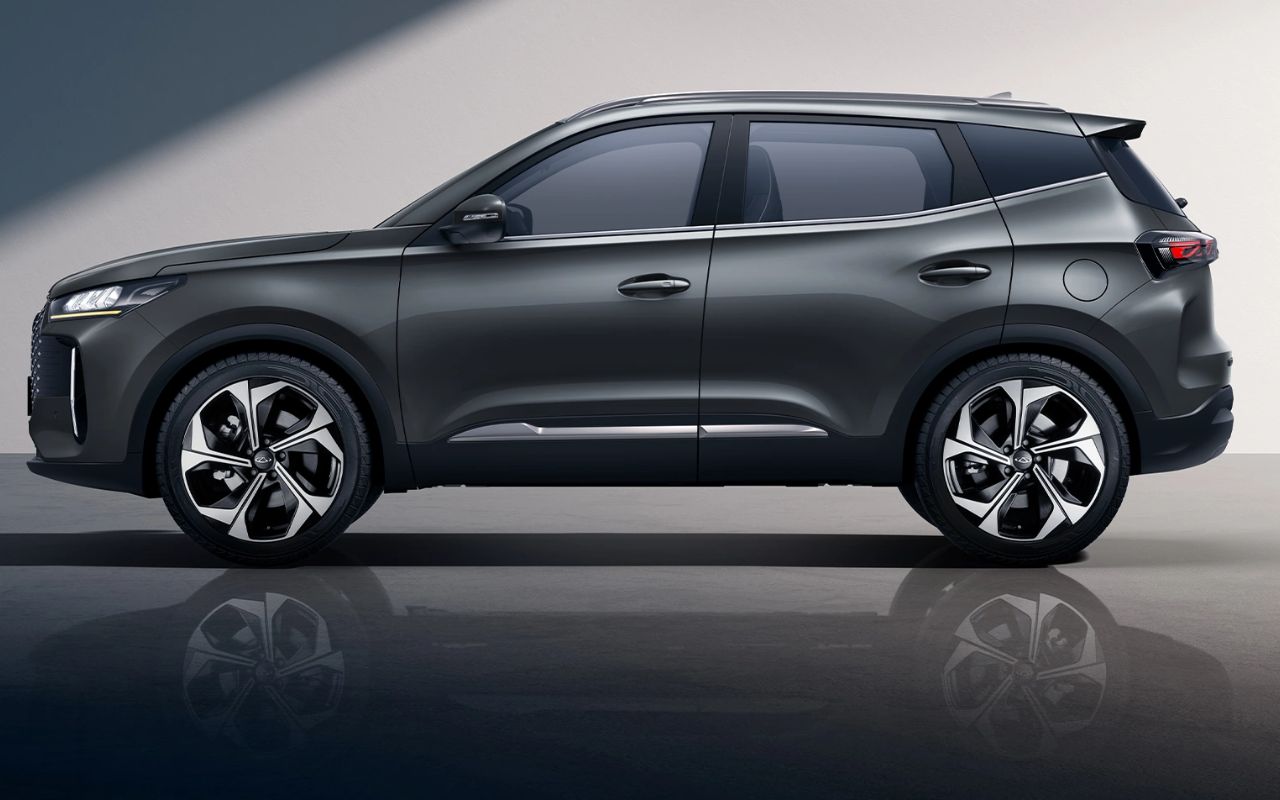
It surpassed the Onix Plus and HB20S: with over 5,000 units sold in March, the Caoa Chery Tiggo 5X 2027 has refreshed its look, conquered the market, and will soon launch a version priced at R$ 120,000 for PcD.
-
Used cars soar in Brazil: historical appreciation changes the landscape in 2026

New Tesla project targets aggressive cost reduction and industrial scale
The main feature of the new electric SUV is its proposal for low structural cost, something that has become essential in a scenario where the growth of electric vehicles has slowed in mature markets like the United States and Europe.
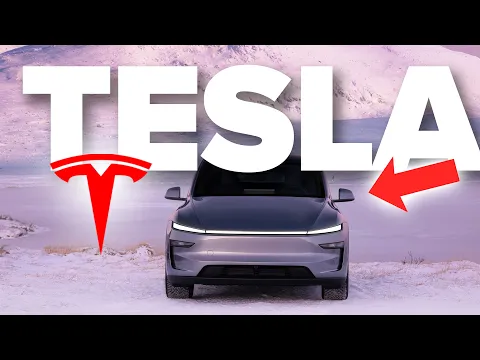

Tesla has been signaling this direction over the past few years, mainly with the concept of a new generation of cheaper vehicles, often associated with the so-called “next-generation platform.” The new compact SUV could be the first concrete product of this philosophy.
Among the main technical pillars expected to reduce costs, the following stand out:
- Simplification of the vehicle architecture
- Use of fewer structural components
- Integration of large-scale cast parts (gigacasting)
- Reduction of the number of motors (simple drive configuration)
- Optimization of the local supply chain in China
This approach allows not only to lower the final price but also to accelerate the manufacturing process, a critical factor for achieving high volumes.
Tesla has already demonstrated its capability in this field with its highly automated factories, such as the Gigafactory in Shanghai, which has become one of the company’s most productive units.
China becomes a central piece in Tesla’s global strategy
The fact that the new SUV is being developed in China is no coincidence. The country has established itself as the largest electric vehicle market in the world, with a highly developed industrial chain and significantly lower costs.
Moreover, Chinese manufacturers like BYD, NIO, XPeng, and Geely have been rapidly advancing with cheaper and technologically competitive models, directly pressuring Tesla.
Producing the new SUV on Chinese territory offers several strategic advantages:
- Reduction of logistical costs
- Proximity to battery suppliers
- Access to local industrial incentives
- Ability to respond quickly to the market
Tesla already relies heavily on China to maintain its global volume. The Gigafactory in Shanghai accounts for a significant share of the company’s exports to Europe and Asia.
With the new model, the expectation is to further expand this role, transforming the Chinese unit into the main hub for entry-level vehicle production.
Pressure from cheaper competitors forces strategy change
In recent years, Tesla has dominated the electric vehicle market with models like the Model 3 and Model Y. However, this leadership has begun to be challenged with the massive entry of competitors offering cheaper vehicles.
Chinese manufacturers, in particular, have launched models at significantly lower prices while maintaining a good level of technology, range, and finish. This scenario has forced Tesla to adopt measures such as:
- Price reductions in various markets
- Review of profit margins
- Production adjustments
- Greater focus on operational efficiency
Even with these efforts, the company has seen its relative share pressured in several markets.
The new compact SUV emerges as a direct response to this movement, aiming to compete in the entry-level segment, where sales volume is much higher.
The compact electric SUV segment is the most competitive in the market
The focus on a compact SUV is not random. This segment has become the most relevant in the global electric vehicle market, combining:
- Consumer preference for SUVs
- More affordable prices
- Urban versatility
- Lower production costs
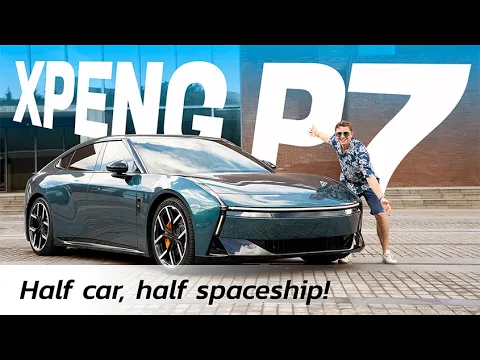
Today, models of this type dominate sales in countries like China and Europe. By positioning its new vehicle below the Model Y, Tesla aims to directly enter the highest volume range, where the most price-sensitive consumers are.
This move could redefine the competitive dynamics, especially if the company can maintain its advantages in software, autonomy, and charging network.
Reduction of complexity could redefine Tesla engineering
One of the most relevant aspects of the new project is the likely reduction of vehicle complexity. This represents a significant shift from Tesla’s traditional approach, which has always prioritized high levels of technology and performance. The new philosophy indicates a greater focus on:
- Production efficiency
- Structural simplicity
- Standardization of components
- Industrial scalability
This type of approach has already been adopted by Chinese manufacturers with great success, allowing for more competitive prices.
If implemented correctly, this strategy could allow Tesla to reduce costs without compromising essential elements like range and safety.
Tesla tries to recover growth pace amid global slowdown
The development of the new SUV occurs in a context of slowdown in the global electric vehicle market. After years of accelerated growth, factors such as:
- Reduction of government incentives
- Increase in interest rates
- Initial market saturation
- Increased competition
- have begun to impact demand.
In the United States, for example, the end of federal subsidies has reduced the appeal of some models. In Europe, regulatory and economic changes have also affected the pace of adoption.
In this scenario, Tesla needs to find new ways to sustain growth, and entering more accessible segments is one of the most evident paths.
New model could be decisive for Tesla’s next phase
The importance of the new compact SUV goes beyond a simple launch. It could represent a turning point in Tesla’s strategy. If the model can combine:
- Competitive pricing
- Good range
- Energy efficiency
- Mass production
the company could recover some of the ground lost to competitors.
Furthermore, the vehicle could serve as a basis for a new generation of products, expanding the portfolio across different price ranges.
The dispute for the mass electric car enters a new phase
The global electric vehicle market is entering a new phase, marked by greater competition and a focus on cost. In the early years, the challenge was to prove the viability of the technology. Now, the focus is on making electric vehicles accessible to the general public.
In this context, companies that can produce cheap models at scale will have a significant competitive advantage. Tesla, which led the first phase of the electric revolution, now needs to adapt to remain relevant in the massification phase.
Although still in its early stages, the project for the new compact SUV is expected to advance quickly, considering the strategic urgency. The next expected steps include:
- Final definition of the vehicle architecture
- Initial prototype testing
- Adjustments in the supply chain
- Preparation of production lines in China
If the timeline progresses without delays, the model could be presented in the coming years as part of Tesla’s new phase.
This new SUV could change the game or come too late
The development of a cheaper electric SUV by Tesla places the company back at the center of the dispute for the future of electric mobility.
The question that now dominates the debate is whether the automaker will be able to execute this strategy in time to regain its competitive advantage or if the market has already advanced too quickly with the presence of new players.
With China leading global production and local manufacturers accelerating innovation and cost reduction, the success of this new model could define not only the next cycle for Tesla but also the balance of power in the global automotive sector.
Now, the discussion shifts to a central point: does this new compact SUV have the potential to place Tesla back at the forefront of the mass market, or will it be just another competitor in an increasingly saturated landscape?








Seja o primeiro a reagir!