





 Portuguese
  English
  Spanish
  4 min of reading
  0 comments


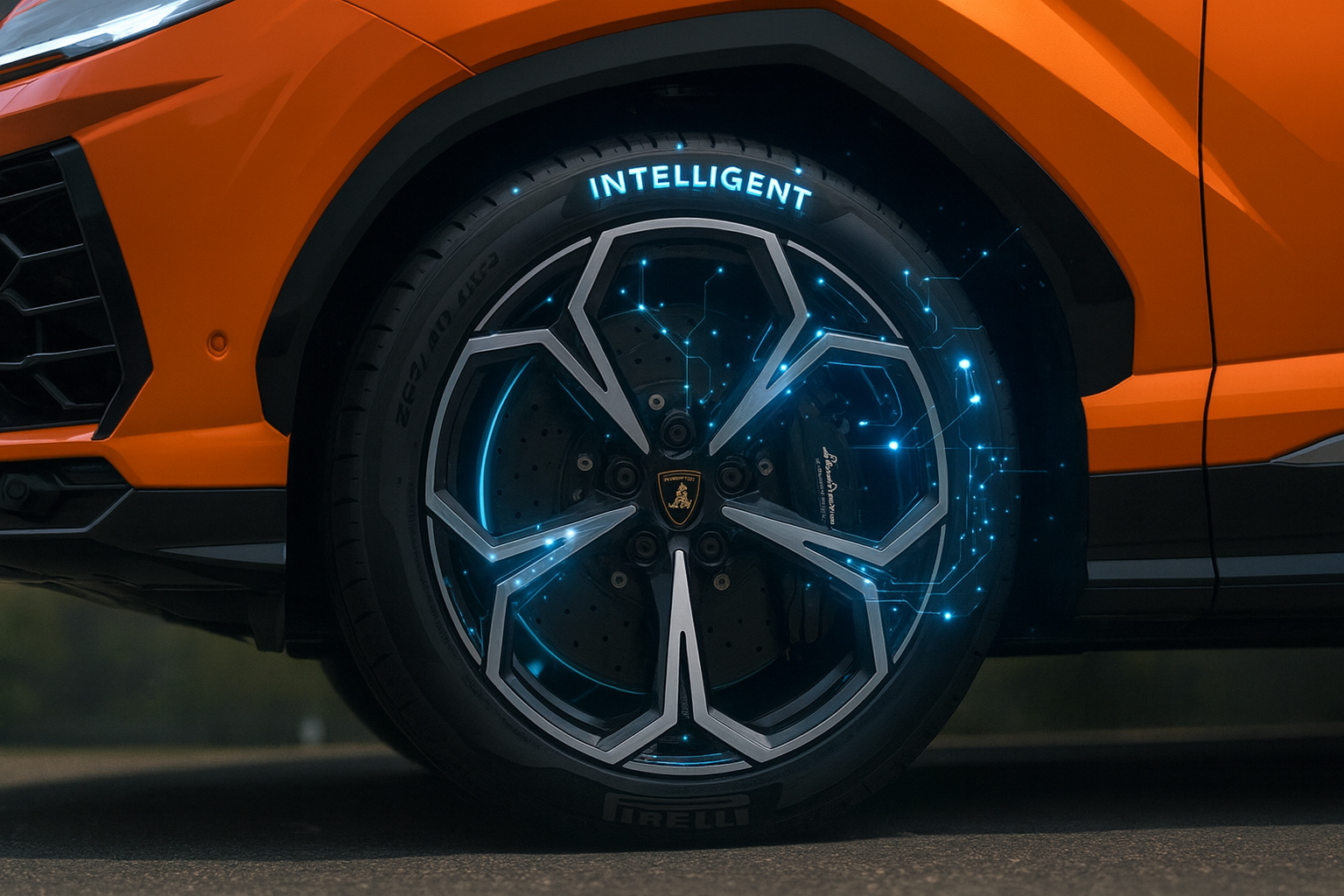
Cutting-Edge Technology Turns Tires into Protagonists of Mobility
A technological revolution is underway. Artificial intelligence applied to tires promises to change the way we drive, manufacture, and manage global mobility.
More than just simple rubber components, smart tires are emerging as protagonists in a sector that, since 2023, has embraced digital solutions to enhance performance and sustainability. Renowned manufacturers such as Michelin, Continental, and Goodyear have already been testing, since 2024, groove cuts guided by algorithms, ensuring greater traction, durability, and efficiency.
Technical Investigation Reveals Unique Potential of AI in Tires
The introduction of artificial intelligence in tires did not happen suddenly. As the Society of Automotive Engineers (SAE) reported in 2024, it took years of research conducted in factories across Europe and the United States.
-
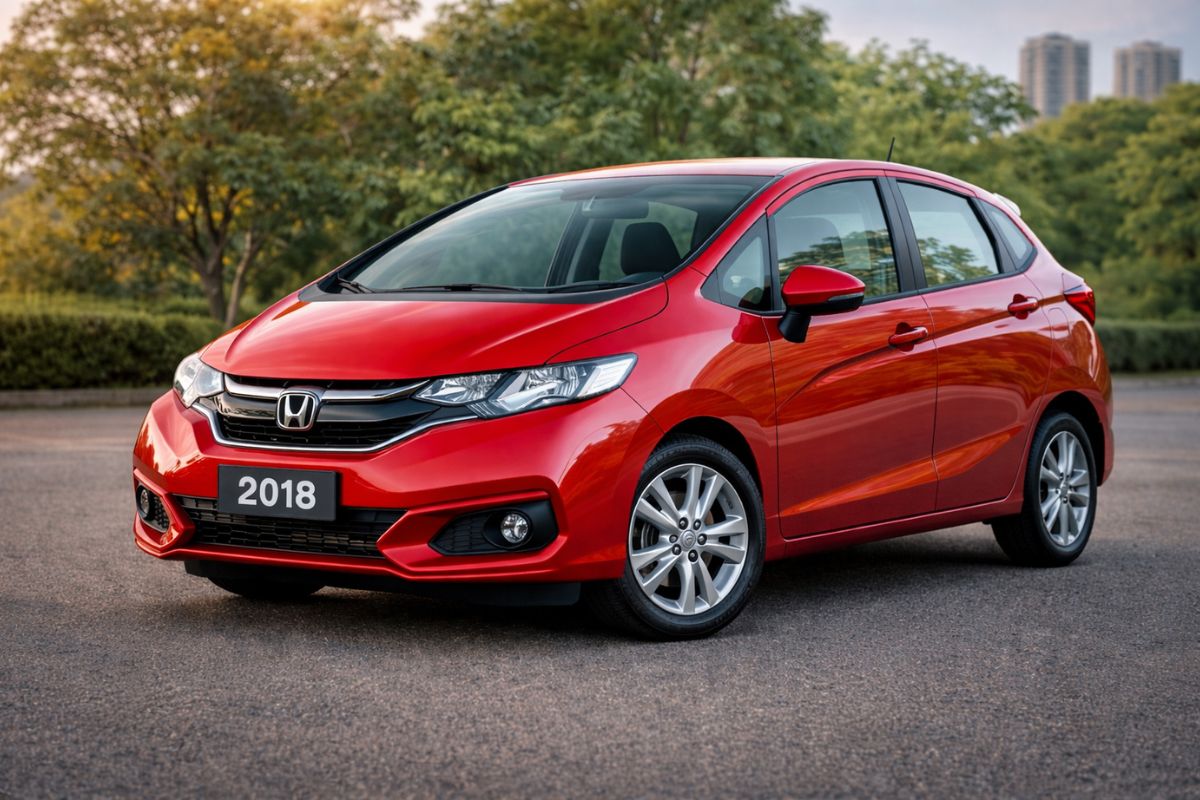
The Honda Fit has been discontinued for years, but the 2018 model is worth more today in the Fipe table than it cost brand new, proving that this used car, valued with a 1.5 i-VTEC engine and Magic Seat, only increases in price.
-
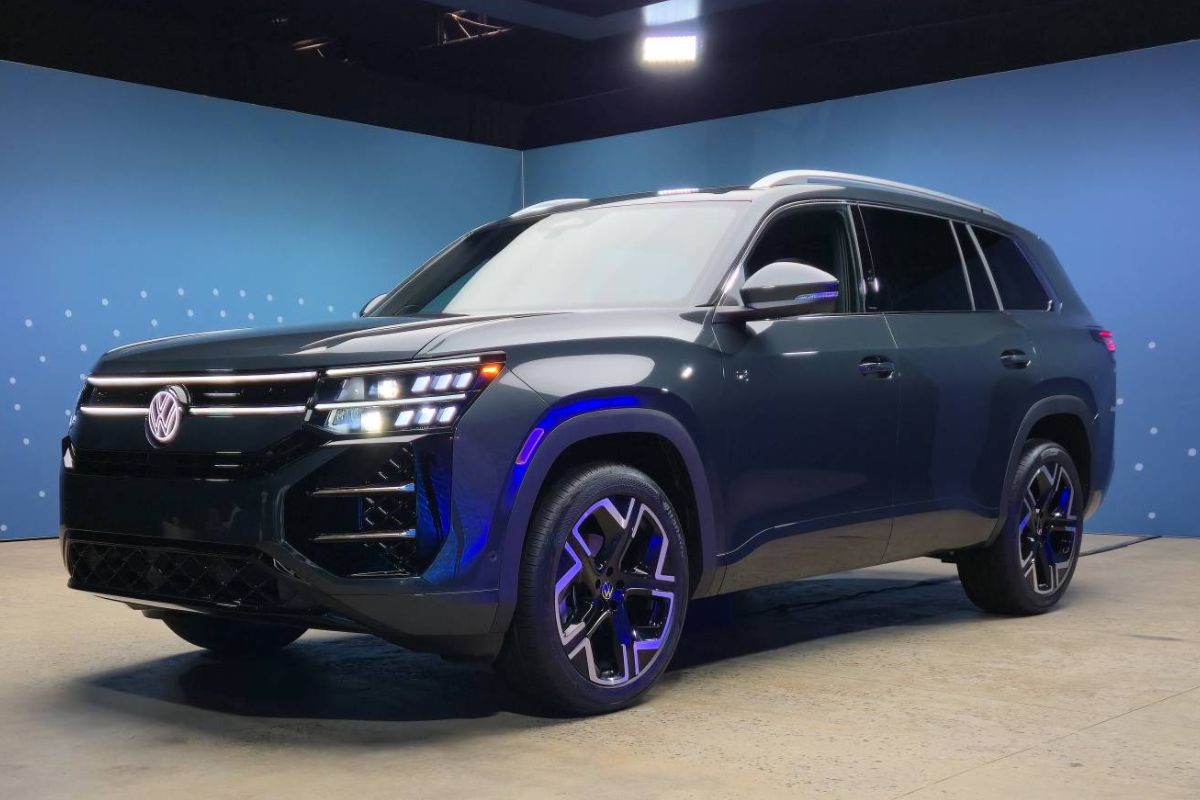
Volkswagen unveiled the 2027 Atlas with a 282-horsepower EA888 turbo engine, a 15-inch screen, massage seats, and a completely new interior to finally elevate the three-row SUV built on the MQB platform to a new level.
-
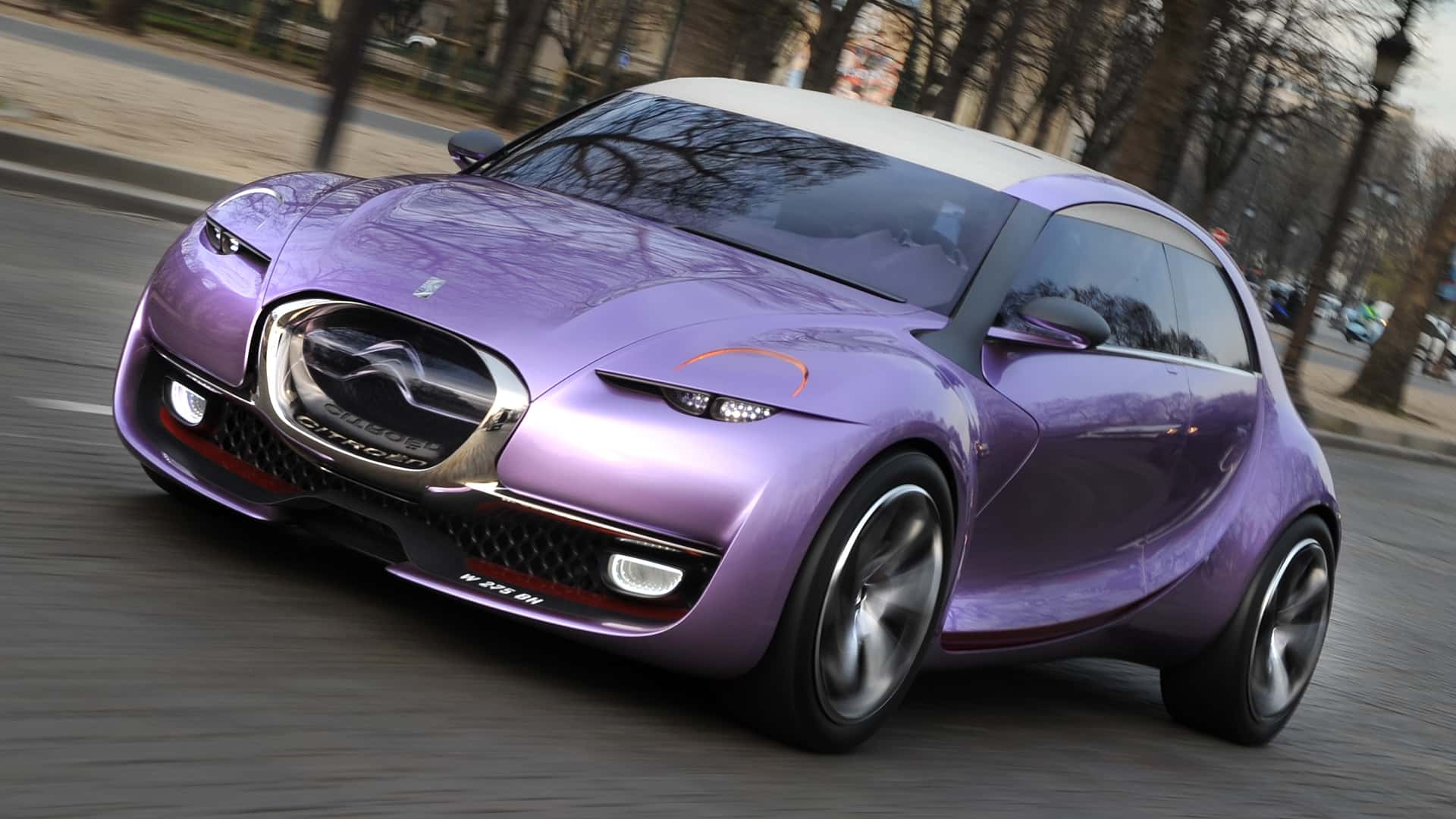
After decades out of the spotlight, Citroën is preparing to bring back the legendary 2CV as a low-cost electric vehicle, betting on the revival of one of the most popular cars in history and aiming to enter the race for affordable compact cars.
-
The 2026 electric Vitara arrives in Brazil and proves that Suzuki is not leaving: 4×4 traction, 184 hp, 61 kWh LFP battery, 293 km range, R$ 259,000, and a trunk capacity of 224 L.

These studies allowed the industry to understand wear patterns and create more precise cuts in rubber. Thus, the grooves began to offer better performance on wet surfaces, greater abrasion resistance, and extended lifespan.
According to the European Tire and Rubber Manufacturers Association (ETRMA), tests initiated in 2019 culminated, in 2022, with the first commercial prototypes presented by Pirelli. Since then, the technology has rapidly evolved.
Economic and Social Impacts of Innovation
The application of AI in tires brings impacts beyond the industrial sector. Reports released by Goodyear in 2024 highlight that drivers already perceive reduced maintenance costs and improved road safety.
In addition, commercial transport fleets are beginning to adopt smart tires to optimize fuel consumption and plan preventive replacements, which generates large-scale savings. This scenario also encourages foreign investments and fosters job creation in the automotive chain.
However, experts emphasize that gains will only be consolidated if there is efficient governance and clear sustainability policies.
Race for Technology Accelerates Among Manufacturers
Just like with mineral discoveries, the advancement of AI in tires has sparked a true technological race. Major manufacturers are competing to dominate this market, which could generate US$ 22 billion as early as 2025, according to consulting firm Markets and Markets.
In this context, companies are seeking to integrate sensors and digital systems capable of monitoring, in real-time, pressure, temperature, and road conditions. This ensures immediate alerts for drivers and creates strategic data for manufacturers to develop even safer vehicles.
However, the rush for innovation creates challenges. High costs and limited infrastructure in emerging countries hinder mass adoption, leaving room for regional imbalances.
Planning for Sustainable Adoption
For smart tires to reach mass markets, it will be essential to outline strategies for democratizing technology. According to the forecast from the National Institute of Tire Manufacturers (ANIP), Brazil is expected to begin local production starting in 2026, after tests in partnership with universities and research centers.
The goal is to ensure that the average consumer also has access to innovative products, without prices becoming a barrier. This approach aims to prevent modernization from being restricted to luxury vehicles.
At the same time, experts argue that regulatory standards should be created to ensure that smart tires meet environmental and technical criteria, ensuring collective benefits without compromising sustainability.
The Tire Revolution in a Global Context
The transformation of tires aligns with a global trend: technologies that combine efficiency, connectivity, and sustainability. Since 2023, autonomous vehicles have relied on real-time data generated by tires equipped with sensors, integrating with navigation systems.
This movement places the automotive industry on a new level, where artificial intelligence is not just support but a protagonist of future mobility. Thus, rubber, traditionally associated with simplicity, gains status as a strategic element for the economy and society.
What Does the Future Hold for Smart Tires?
Experts believe that, by 2027, production costs are expected to drop significantly, expanding adoption in emerging markets and consolidating AI as the standard in tire manufacturing.
However, the challenge will be to balance innovation, accessibility, and sustainability. The sector will need to invest in transparent governance, continuous research, and strict environmental regulation.
Meanwhile, consumers, fleets, and governments are beginning to envision a scenario where even tires help reduce environmental impacts, save resources, and increase safety on the roads.
Isn’t it curious to think that a simple piece of rubber could be a game-changer for the future of mobility?










Seja o primeiro a reagir!