





 Portuguese
  English
  Spanish
  5 min of reading
  1 comment


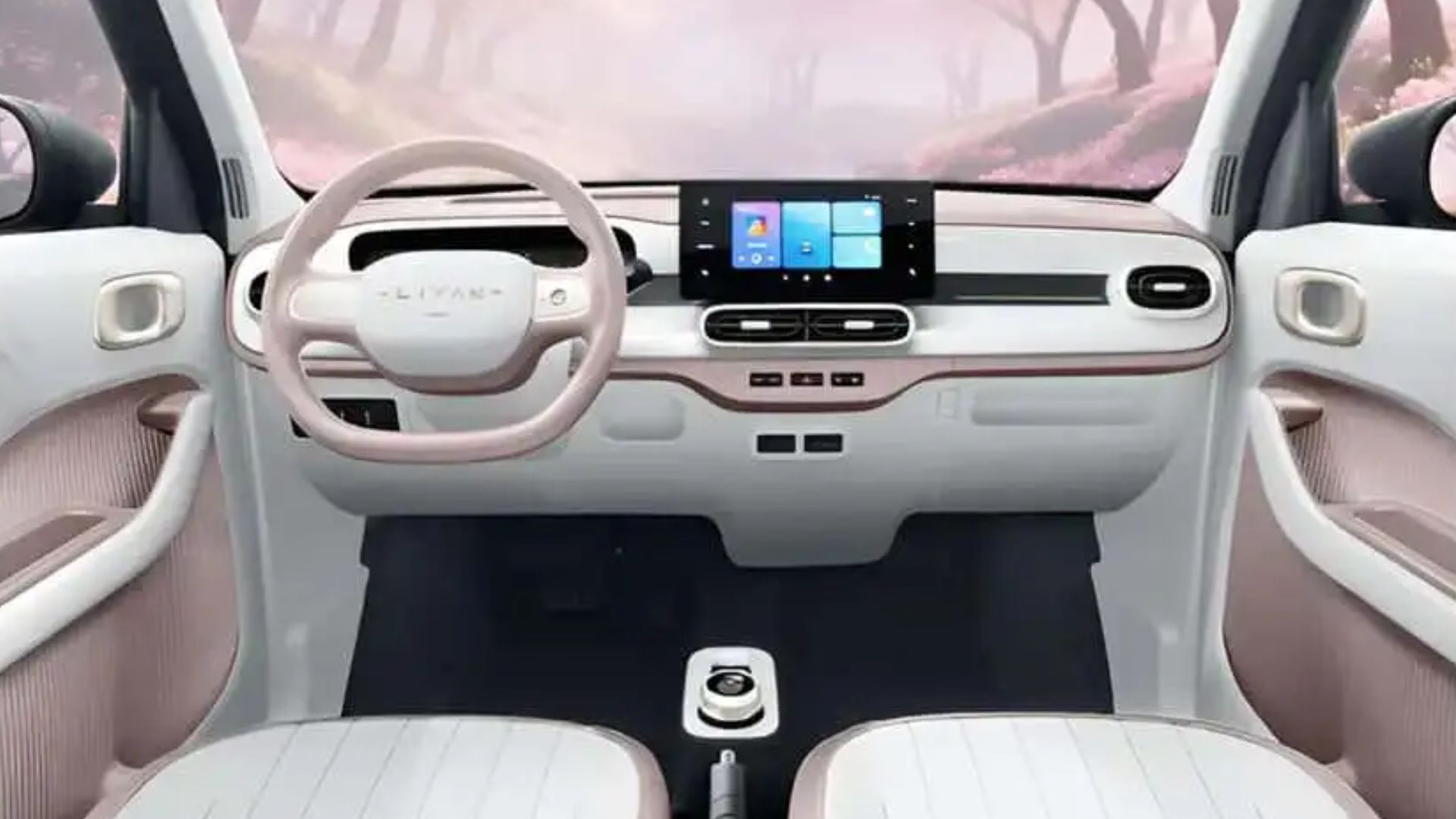


Geely’s Electric Microcar Debuts in China with Affordable Price, Compact Motor, Urban Range, and Curious Design, Targeting Consumers Seeking Practicality and Low Cost for Short Commutes.
Geely introduced the Livan Smurf in China, an urban electric microcar that debuts with a price around 36,000 yuan (about R$ 27 thousand in direct conversion).
The model features a front motor of 30 kW (40 hp), a top speed of 100 km/h, an estimated 17 kWh LFP battery, and a range close to 200 km under the CLTC cycle.
Weighing 815 kg and with 14-inch wheels, the compact is aimed at daily commutes in urban centers and enters the competition with the Wuling Hongguang Mini EV, Chery QQ Ice Cream, and Bestune Pony. So far, there is no official announcement about sales in Brazil.
-
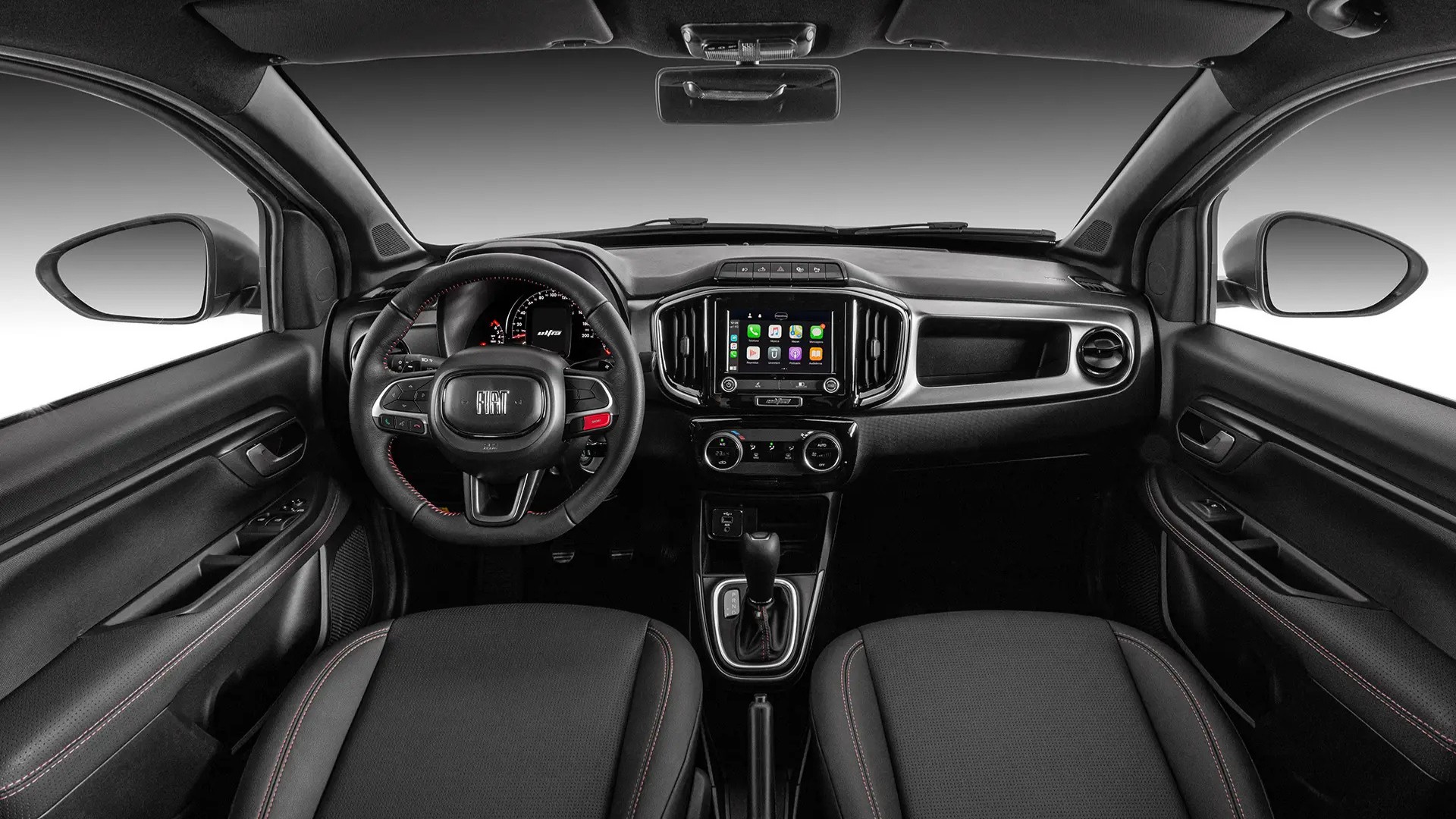
With a 1.3 engine, nearly 700 km of range, and Turbo 200, the Fiat model surpasses Polo, Tera HB20, and Onix, becoming the best-selling car in March; see the numbers for the Fiat Strada and others.
-
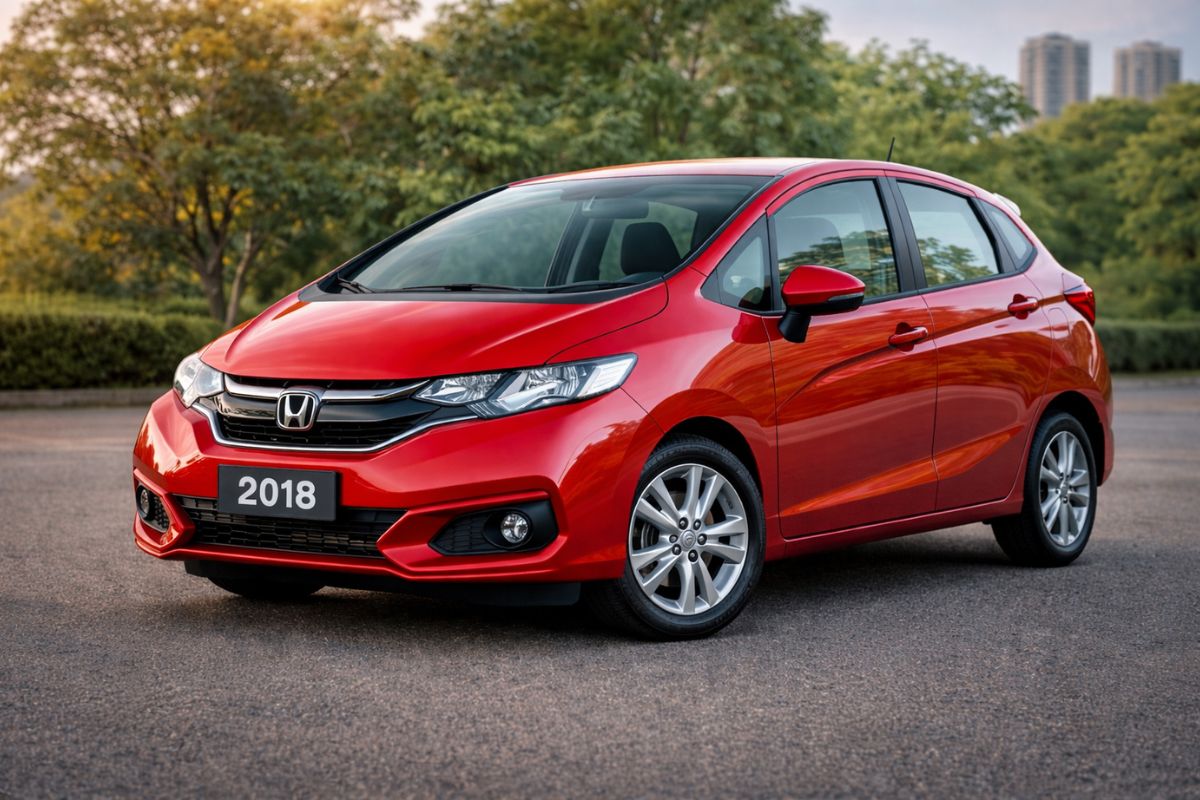
The Honda Fit has been discontinued for years, but the 2018 model is worth more today in the Fipe table than it cost brand new, proving that this used car, valued with a 1.5 i-VTEC engine and Magic Seat, only increases in price.
-
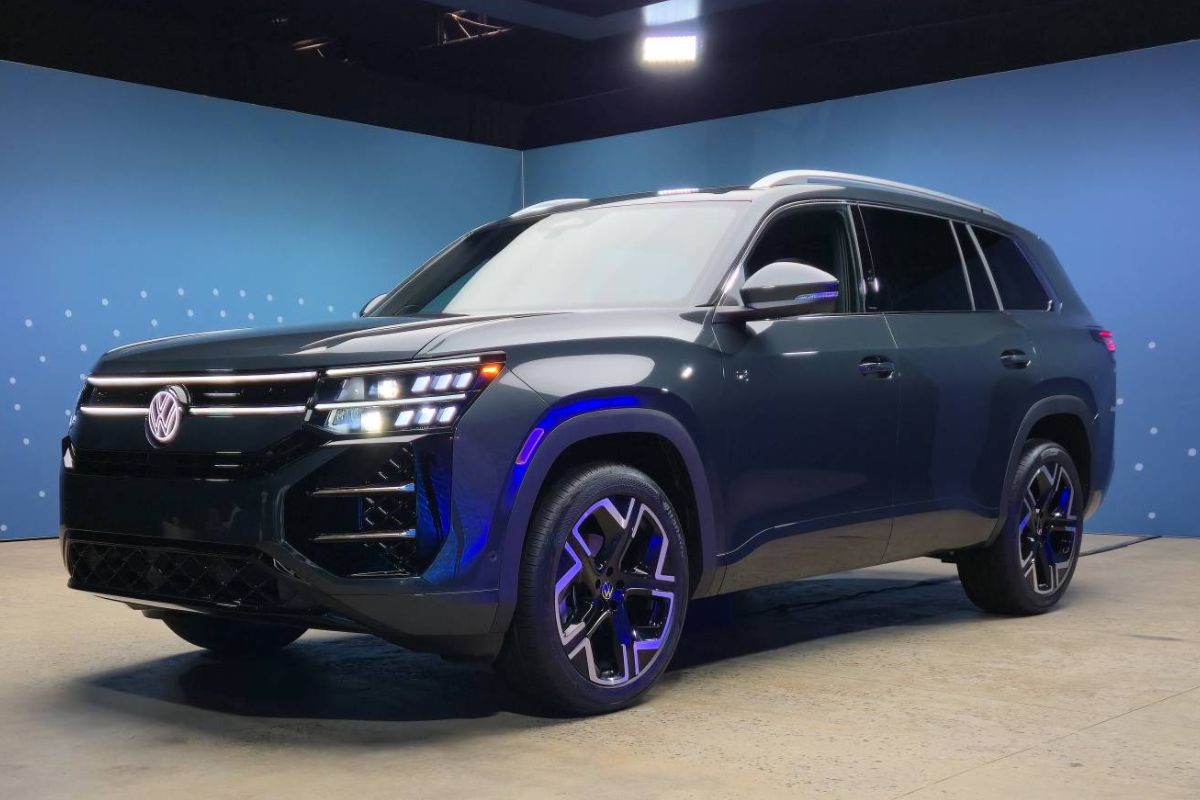
Volkswagen unveiled the 2027 Atlas with a 282-horsepower EA888 turbo engine, a 15-inch screen, massage seats, and a completely new interior to finally elevate the three-row SUV built on the MQB platform to a new level.
-
After decades out of the spotlight, Citroën is preparing to bring back the legendary 2CV as a low-cost electric vehicle, betting on the revival of one of the most popular cars in history and aiming to enter the race for affordable compact cars.

Electric Microcar Segment
Designed strictly for city use, the Smurf occupies the niche of the so-called Chinese A00 class, prioritizing low acquisition costs and simple usage.
In this scenario, Geely expands the offering below its larger subcompacts, targeting customers looking for a “second electric car” or the first vehicle for short trips.
The focus is on practicality: reduced dimensions, low maintenance, and contained energy consumption.
Compact Design and Minimalist Interior
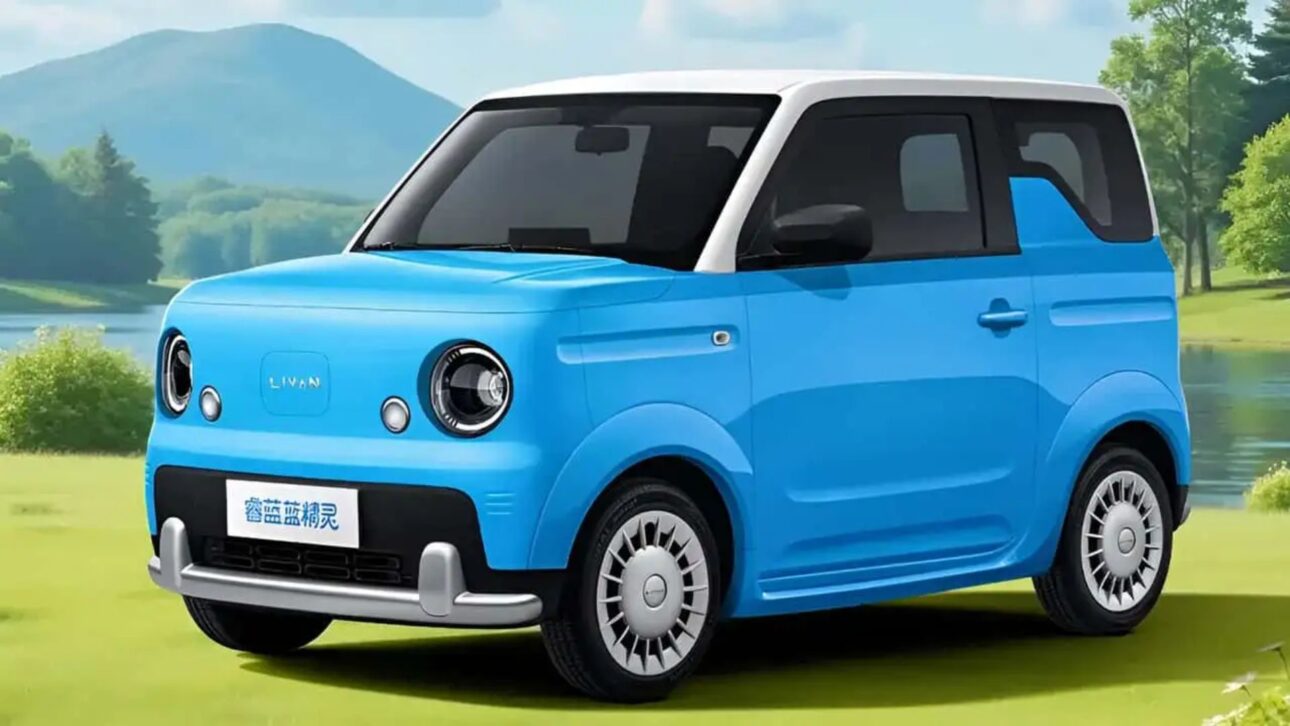
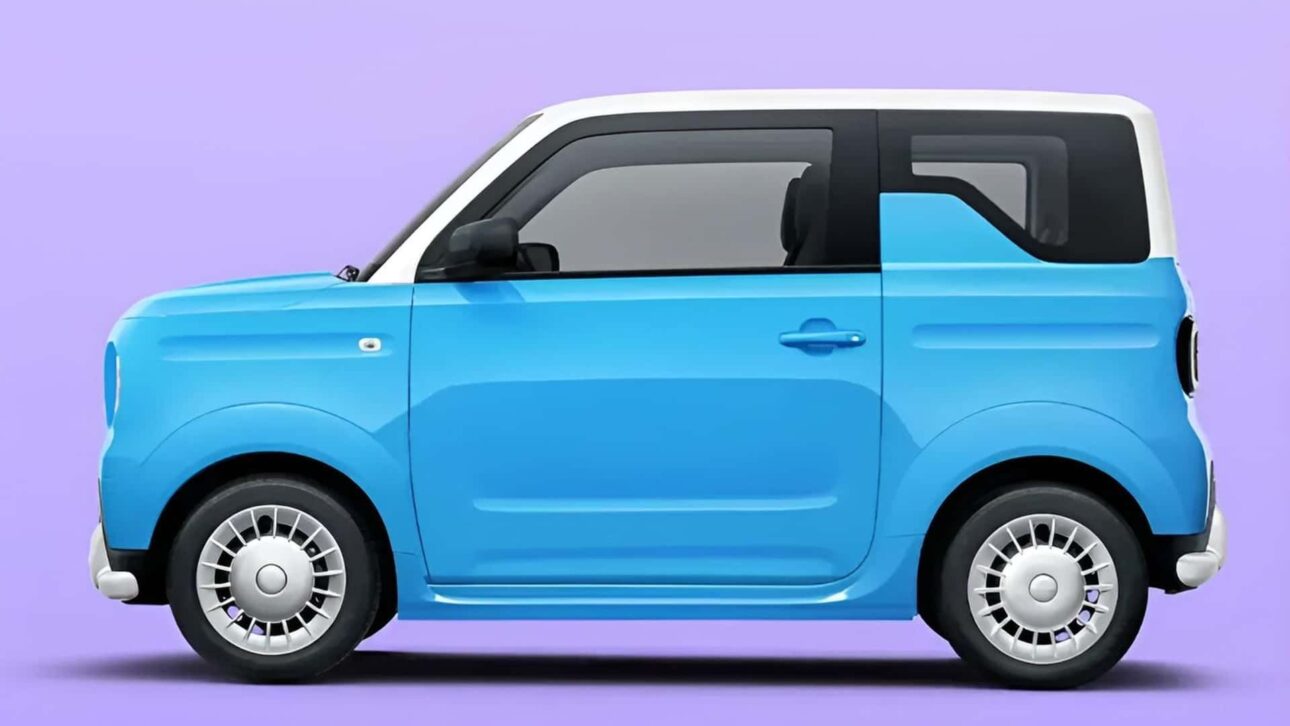
On the outside, the design follows the formula of more recent Chinese microcars: a small box-shaped body, rounded corners, and short proportions.
The headlights, dubbed “Forest Spirit Eye”, combined with the silver bumper create a “smile” effect at the front, while the charging port is centrally located on the hood.
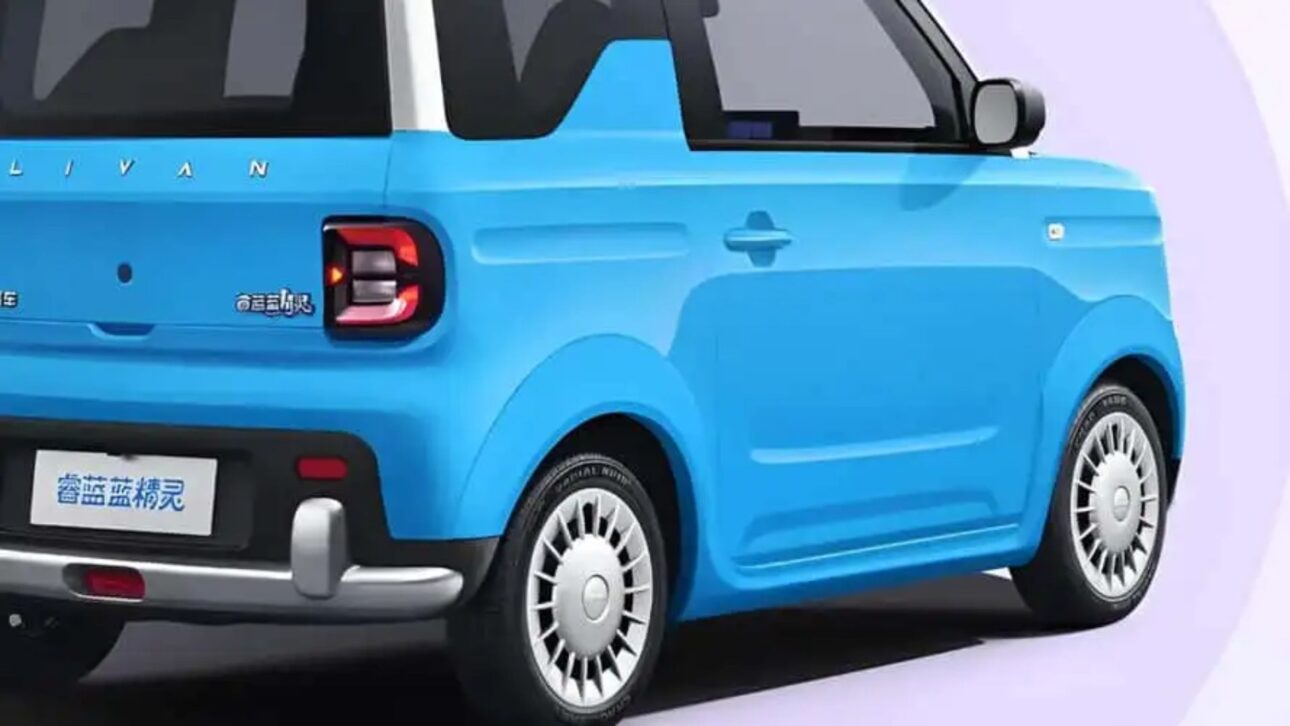
The body can be painted in a single color or in two tones, and the alloy wheels maintain the “Vibrant Pinwheel” design, measuring 14 inches.
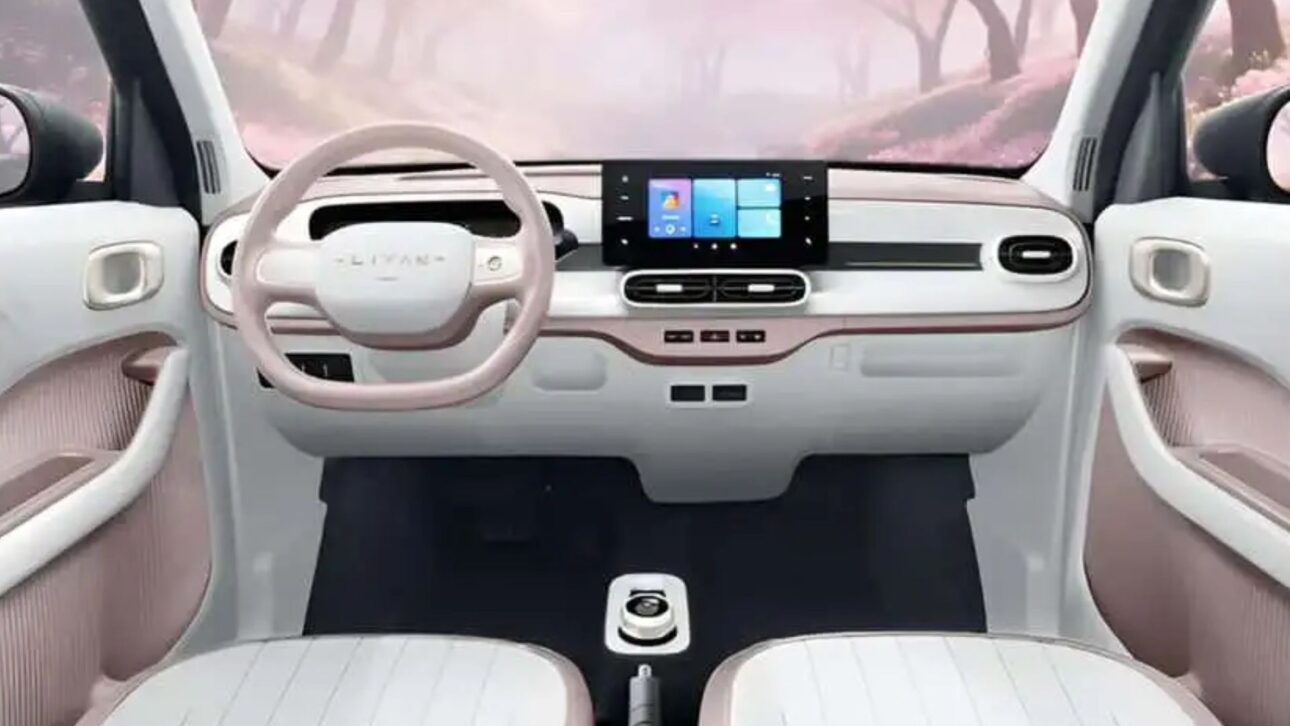
Inside, the proposal is minimalist.
The dashboard emphasizes curved lines and clean surfaces, with three color combinations available: Sakura Pink, Castle Grey, and Forest Green.
Functional items include a two-spoke steering wheel, a rotating gear selector, a “floating” central screen, and external hooks that serve as support for small everyday items.
The priority is to reduce distractions and conserve space for four occupants on short distances.
Dimensions and Construction of the Smurf
The Smurf measures 3,100 mm in length, 1,558 mm in width, and 1,610 mm in height, with a wheelbase of 2,015 mm.
The curb weight stands at 815 kg, and the gross weight reaches 1,125 kg.
The architecture is monocoque (unibody), with ABS brakes.
To tackle urban potholes and ramps, the brand claims a 25° approach angle and 35° departure angle.
The track widths are 1,315 mm in the front and 1,311 mm in the rear, and the tires are 155/65 R14 to complete the set.
Everything was conceived to maneuver effortlessly on narrow roads, park in tight spaces, and maintain stability at typical urban traffic speeds.
Electric Motor and Range
The mechanics use a single front electric motor of 30 kW (40 hp), sufficient to propel the microcar to 100 km/h.
For a vehicle of this proposal, the top speed fulfills the role of allowing movement on short express avenues, although the primary vocation remains urban environments.
The lithium iron phosphate (LFP) battery has an estimated capacity of 17 kWh.
The manufacturer indicates a range of around 200 km under the CLTC standard, a figure compatible with short trips, timely recharges, and a low cost per kilometer.
As is the case with other micro-EVs, performance prioritizes smoothness and low energy demand, instead of vigorous accelerations.
Competitive Pricing in the Chinese Market
The suggested price, around 36,000 yuan, reinforces the intention to achieve large-scale in an extremely price-sensitive segment.
In direct conversion, the amount corresponds to about R$ 27 thousand, a level that in China places the Smurf among the more affordable options with electric propulsion.
The strategy relies on Geely’s own experience with the Panda Mini EV, the technical basis for the new model, which recorded over 100,000 units from January to July 2025 in its domestic market.
By inheriting components and dimensions from the Panda, the Smurf reduces development costs and accelerates production.
Equipment and Conveniences
Aiming for functionality, the comfort package focuses on what is essential for daily use.
The simple digital dashboard and the floating central screen encompass the basic functions of the multimedia system, while the rotary gear selector frees up space in the console.
The two-spoke steering wheel enhances ergonomics, and the external hooks are a practical detail designed for backpacks, bags, or umbrellas.
These are common solutions in this niche because they help keep the cabin organized without increasing project costs.
Differences Compared to the Panda Mini
While sharing the platform and proportions, the Smurf receives its own identity in the finish and front-end design.
The lighting signature and the color palette aimed at a young audience ensure visual distinction.
The result is a design that retains the “friendly look” that popularized the Panda but with distinct styling elements.
The choice of LFP follows the trend of more stable and durable batteries in this price range, prioritizing robustness over higher energy density.
Arrival in Brazil
For now, there is no confirmation of the Smurf’s launch in the Brazilian market.
Geely returned to Brazil in 2025 with the electric SUV EX5 and operates in partnership with the Renault network, but the company has not announced the arrival of the microcar.
Any potential import would require standard homologation and adaptation to local regulations, processes that typically weigh on the final cost of ultra-compact vehicles.
In the meantime, the Smurf remains targeted at the Chinese audience, where the micro-EV category has high acceptance and a more widespread charging infrastructure in dense urban areas.
Popularity of Electric Microcars in China
Two factors help explain the demand.
First, the combination of low price with sufficient range for urban trips shortens the entry barrier to electric vehicles.
Second, Chinese cities offer a large number of low-power charging points, suitable for small batteries like that of the Smurf.
Thus, owners recharge overnight or during quick stops at local stores, without the need for high-power networks.
The experience accumulated with rivals like the Wuling Hongguang Mini EV also shows that when usage is predominantly urban, a range around 200 km serves its purpose well.
Even though the Smurf does not have a defined Brazilian debut, the recent advance of Chinese brands here raises the central question for consumers: would an electric vehicle priced at R$ 27 thousand, focused entirely on the city, find space in our traffic and in our charging infrastructure?








Acho bem viável, se fosse no preço compatível e bem acessível, mais seguro que motos. Mas tem que ter preço baixo.
Infelizmente com uma política que não pensa no bem estar dos menos favorecidos acho difícil vir para o Brasil com preço atrativo.