Portuguese
  Spanish


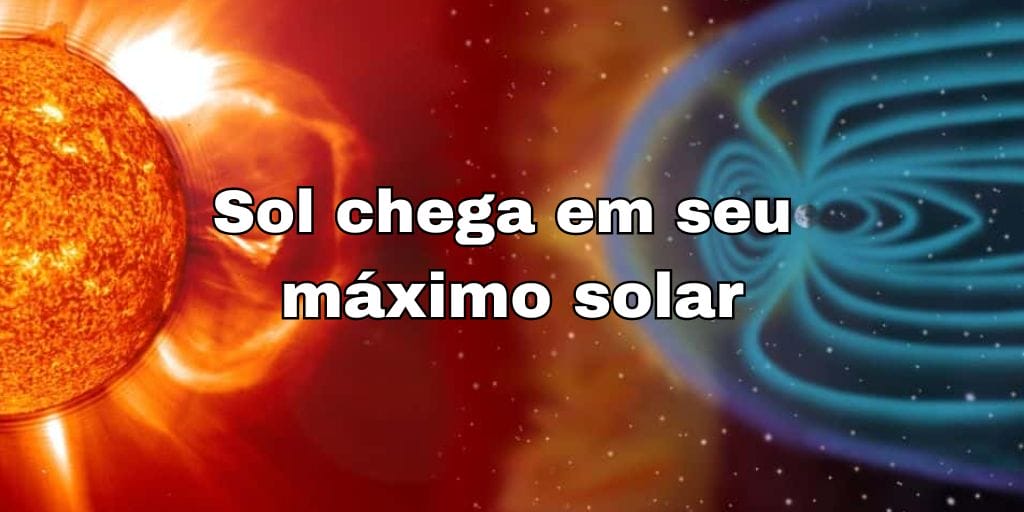

The Sun, Central Star of Our Solar System, follows a regular cycle that lasts about 11 years. Since scientists began to monitor these cycles, we have witnessed 24 of them, and currently, we are immersed in the 25th.
The transition between cycles 24 and 25 occurred in December 2019. Now, at this moment, we are witnessing the beginning of solar maximum – the peak of solar activity in its cycle.
According to an article published by the portal Olhar Digital this week, experts predict that the peak will be reached around 2025. Since the beginning of this cycle, scientists have anticipated exceptionally intense activity.
This cycle is projected to have some of the highest peaks ever recorded. However, it has proven to be more turbulent than initially expected.
-
Apple Raises MacBook and iPad Prices as Memory Costs Surge by Up to 98%, Losing Edge Over Rivals and Highlighting AI Boom’s Impact on Consumers

-
China Establishes State Centers to Train Humanoid Robots, While the West Lags Behind with Makeshift Solutions
-
The Trap of Modern Technology: How Screen Overload and Digital Connections Can Impact Your Mental Health and Well-being
-
Wyoming Couple Grows Tropical Fruits Year-Round in -40°C Using Geothermal Greenhouse, Demonstrating Earth’s Heat Can Produce Oranges and Lemons in Snow Without Traditional Heating





In early May, the Sun demonstrated its agitation with a series of eruptions and explosions on its surface, releasing a huge amount of coronal mass towards Earth.
This phenomenon is known as a solar storm. Although these eruptions are common events, the Earth’s magnetic field usually protects us from them.
However, if a solar storm is particularly strong, the coronal mass can penetrate the Earth’s magnetic field.
A notable example occurred in 1859 when a powerful storm resulted in visible auroras at tropical latitudes and damaged electrical and telegraph networks in various parts of the world.
Electronic Components at Risk
One of the main risks of intense solar storms is damage to electronic components, vital for many aspects of modern life.
These storms can cause damage to electronic devices in space, such as satellites, which are more vulnerable. One of the first signs of these storms is the increase in northern and southern auroras.
During solar storms, auroras can be observed at lower latitudes than usual, affecting radio communications, electrical grids, and satellite efficiency.
In response to the May storm, some flight routes were adjusted to avoid areas where airplanes could be affected by charged solar particles.
Scientists monitor solar activity through sunspots, dark areas on the Sun’s surface that indicate magnetic instability and are often associated with coronal mass ejections.
Shawn Dahl, space weather meteorologist at the National Oceanic and Atmospheric Administration’s Space Weather Prediction Center, described the Sun’s recent activity as “space weather” in all its forms, from solar flares to radiation and geomagnetic storms.
Although the May solar storm was significant, it did not cause major disruptions, partly due to advancements in understanding and preventing the impacts of space weather.
Dahl emphasized that modern technologies are better prepared to deal with these events, which helped mitigate the potential damage of this particular storm.
In summary, despite the intensity of recent solar activity, experts agree that there is no cause for alarm.
Improved understanding and preparation mean that we are better equipped than ever to handle the challenges that these storms may present.