






 Portuguese
  Spanish
  6 min of reading
  0 comments


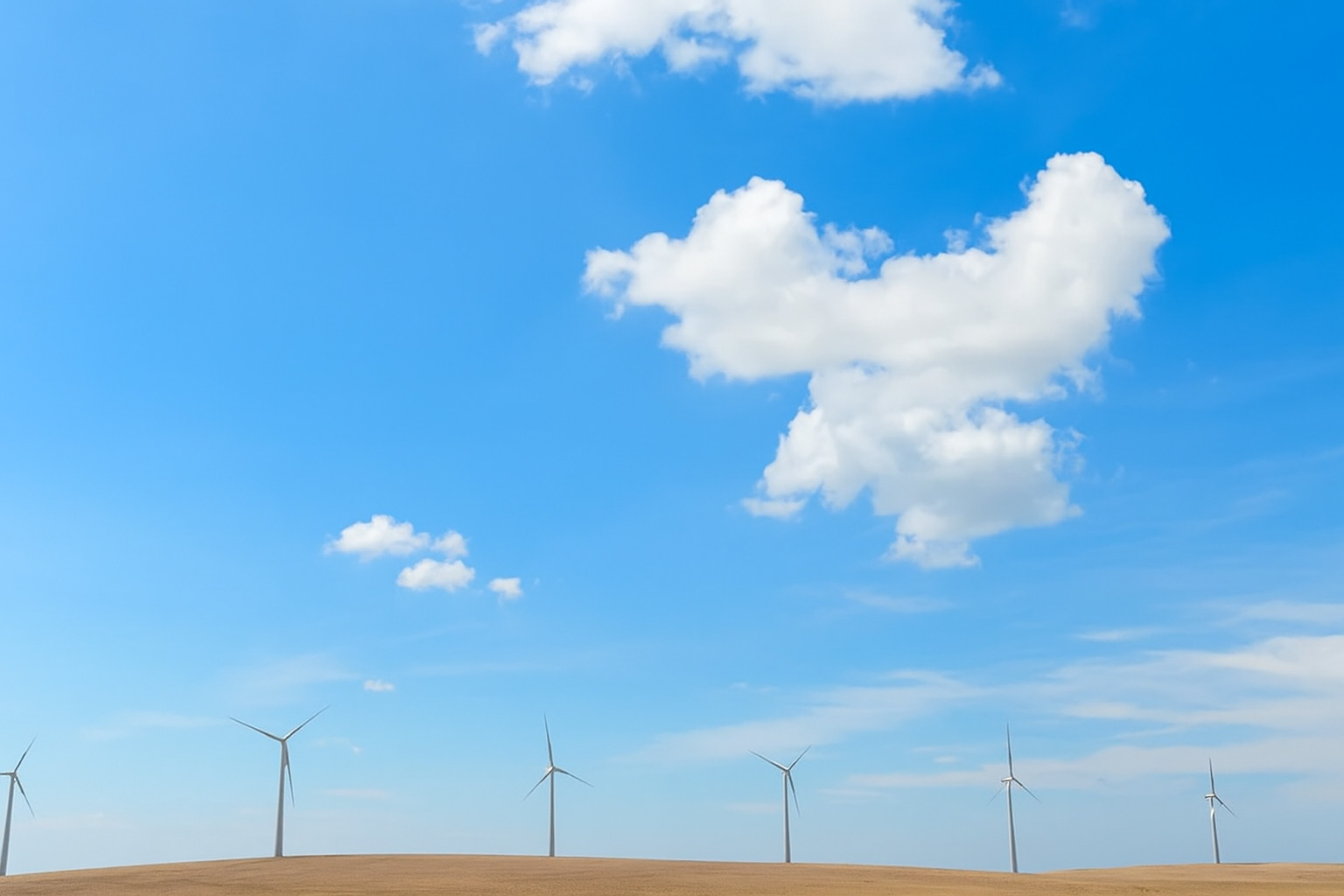
Discover How Solar And Wind Energy In Brazil Grows With Innovation, Science, And Regulation, Overcoming Barriers And Ensuring A Sustainable Future.
Brazil holds a position of global prominence when it comes to renewable energy sources. Among them, solar and wind energy in Brazil lead the growth and are already transforming the national electric matrix.
In recent years, these two sources have ceased to be timid alternatives and have become strategic pillars of sustainable development.
Thus, the expansion is progressing at an accelerated pace, but the challenges still require attention. Therefore, overcoming them depends on investment in innovation, strengthening regulation, tropicalization of technologies, and integration with the productive sector.
-
Brazilian scientists are simultaneously advancing two research projects on clean hydrogen and driving solutions that could transform the energy matrix, enhance industrial competitiveness, and accelerate large-scale emission reduction targets.

-
Advancement in renewable energy: A R$ 150 million project launched by Petrobras and Finep aims to create state-of-the-art electrolyzers for green hydrogen, strengthening national research and preparing Brazil to compete in a billion-dollar energy market.
-
Illiterate or semi-literate grandmothers were trained to repair solar systems, open rural workshops, and light up homes that still depended on kerosene.
-
The world has bet on green hydrogen as the fuel of the future, but now faces the side effect: producing 1 kilogram requires about 9 liters of ultrapure water, and the largest projects on the planet are precisely in the driest regions of the Earth, where water is already scarce for people.




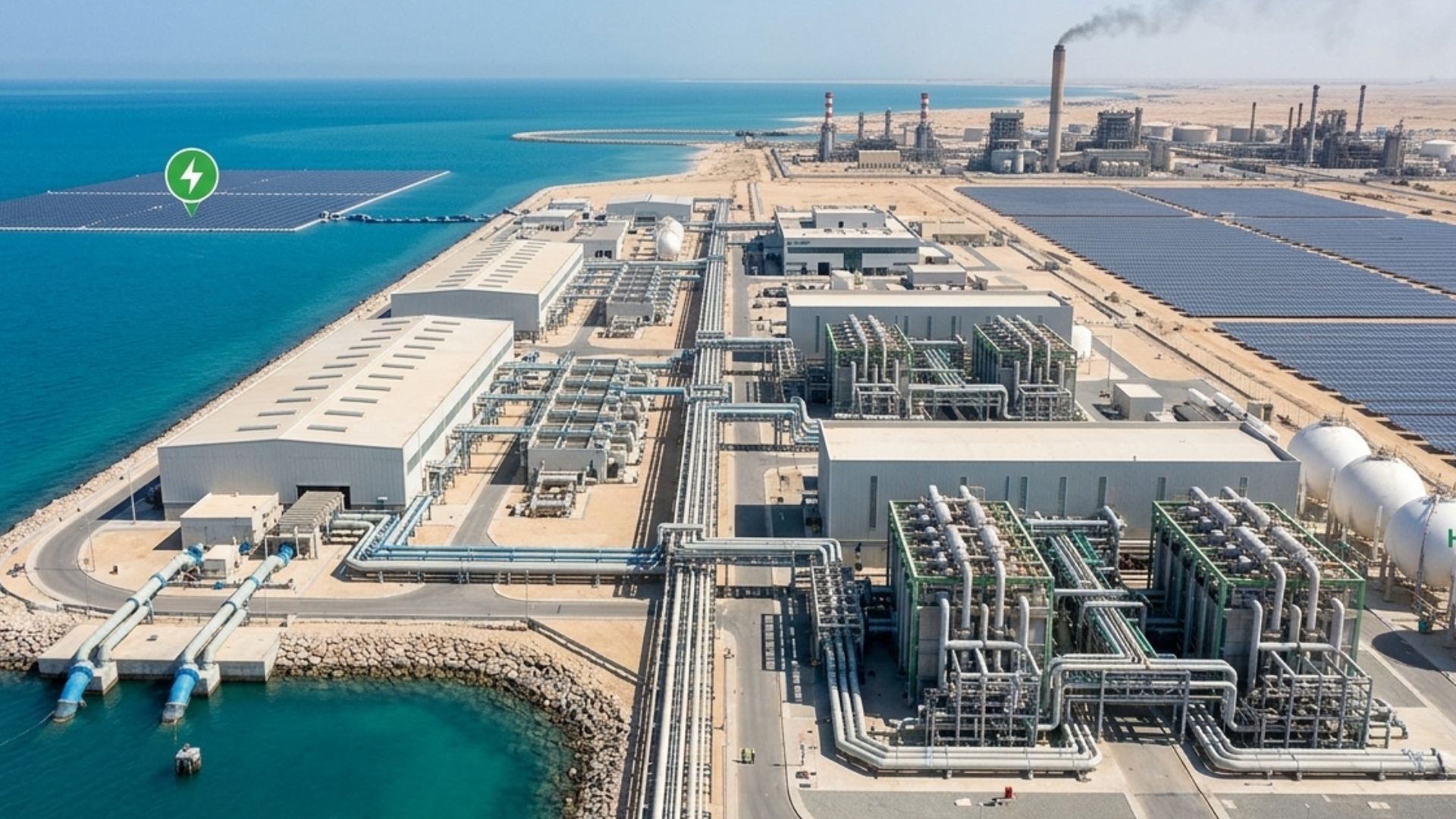
Moreover, the debate also involves social and economic factors, as access to renewable energy needs to benefit the entire population, not just large companies or urban centers.
The Historical Context Of Renewables In Brazil
The history of renewable energy in Brazil helps to understand the present, as it shows how the country structured its electric matrix.
Since the 20th century, Brazil has built its energy base with large hydropower plants, harnessing extensive and powerful rivers. This strategy ensured autonomy but also brought environmental and social problems linked to the displacement of communities and the alteration of ecosystems.
However, with the energy crisis of the 2000s and the advance of climate change, the country began to diversify its matrix.
In this context, solar and wind energy gained strength. Starting in 2010, incentive policies, energy auctions, and the drop in equipment prices stimulated the expansion of these sources.
Today, according to the National Electric Energy Agency, these two sources already account for almost a quarter of the installed capacity.
Thus, the data shows that Brazil is advancing rapidly. However, the essential question arises: how to transform this expansion into something lasting, competitive, and sustainable?
Science, Technology, And Tropicalization Of Solutions
The answer primarily involves science.
Universities and research centers spread across Brazil—especially in the Northeast, Southeast, and South—develop cutting-edge projects aimed at new materials, equipment design, and adaptation of technologies to tropical conditions.
Consequently, tropicalization proves crucial, as not all technologies created in Europe or Asia function the same way in warm, humid, or high solar radiation climates.
Photovoltaic solar energy is the clearest example of this adaptation process.
Currently, the panels dominating the market use silicon, an efficient but expensive and limited material.
In Brazil, the dependence remains high as cells are not locally manufactured: they arrive imported and only assembled.
Thus, researchers aim to reverse this situation by developing cheaper and more sustainable silicon purification routes.
They also explore abundant natural resources, such as quartz and high-purity sand in Minas Gerais.
Challenges And Innovations In Solar Energy
Still, the scientific community bets on new materials.
In this sense, the so-called perovskite, a crystalline compound studied since the 19th century, stands out as a promise to reduce costs and increase the efficiency of solar panels.
In international laboratories, perovskite cells have already reached up to 30% efficiency, compared to the 23% limit of silicon.
Moreover, the hybrid combination of perovskite and silicon could push that number to 50%, capturing differing solar radiation spectra.
The challenge, however, remains substantial.
Perovskite exhibits low durability and, in some cases, contains lead, a heavy metal that poses environmental risks.
Therefore, Brazilian research groups are developing lead-free versions adapted to tropical climates.
The goal is to create solutions capable of serving the global market while also addressing national particularities, such as high temperatures, elevated humidity, and strong solar incidence.
This same reasoning guides infrastructure innovations.
Brazil is already testing floating panels in reservoirs, which prevent water evaporation and generate energy simultaneously.
Additionally, another avenue is agrivoltaics, which combines agriculture and solar generation, using panels in greenhouses to protect crops while producing electricity.
There are also solar tiles, photovoltaic facades, and carports, covered parking lots equipped with panels that serve both public buildings and the private sector.
The Advancement And Barriers Of Wind Energy
While solar energy focuses on materials and adaptation, wind energy in Brazil faces the challenge of technological dependence.
The country already masters the production of towers, blades, and generators. However, it still imports knowledge for the manufacturing of large turbines.
Although WEG invests in national wind turbines, specialists argue for increasing Brazilian participation in areas such as power electronics and converters, which continue to arrive from abroad.
Thus, mastering these stages strengthens the production chain and reduces import costs.
Another sensitive point is the waste disposal of blades.
Made of composite materials, they last up to 25 years.
Since the first Brazilian wind farm was established in 1999, the problem is now approaching.
Research centers are developing alternatives to recycle these composites into civil works, such as highways, or to create materials that are easier to reuse.
Finally, the expansion of offshore wind energy also represents a great opportunity.
Brazil is beginning to explore this modality, with turbines installed at sea.
The experience accumulated by the oil and gas industry in marine environments can, therefore, accelerate this process.
Pilot projects in Rio Grande do Norte, Rio de Janeiro, and Rio Grande do Sul show initial advancements.
However, there are still no clear regulations for the sector.
Thus, with appropriate regulation, offshore wind can transform the Brazilian coastline into one of the largest renewable generation platforms on the planet.
Social Impacts And The Role Of Regulation
Besides the technical aspects, social and environmental impacts require attention.
In Ceará, for example, coastal communities report drastic changes in their way of life due to the installation of wind farms.
Issues related to land, fishing, and leisure demonstrate that the energy transition will only be fair if local populations are included in the decision-making process.
Regulation also plays a decisive role.
More than mastering technology, Brazil needs to modernize its electrical networks to integrate the intermittent energy from the sun and wind stably.
For this, new transmission lines, intelligent management systems, and consistent public policies become essential.
Another critical step is to encourage distributed microgeneration.
By allowing families, small rural producers, and energy cooperatives to participate actively, the country democratizes the benefits of the transition.
Thus, this decentralization reduces transmission losses, increases access, and strengthens energy security.
Paths For Brazil’s Energy Future
The future of solar and wind energy in Brazil also depends on creating partnerships between the public sector, private initiative, and academia.
Projects already involving schools, hospitals, and universities prove that integration brings concrete results.
Moreover, these initiatives reduce costs, increase energy security, and prepare the country for a global scenario where decarbonization and sustainability are becoming increasingly required.
Brazil has all the conditions to lead the renewable energy sector.
The natural potential is impressive: abundant sun, strong and consistent winds, extensive territory, and accumulated experience in large infrastructure projects.
Therefore, the challenge is to transform this potential into national innovation, reducing external dependence and ensuring that clean energy is socially just and environmentally responsible.
Thus, looking to the future, it becomes clear that challenges exist on a large scale, but opportunities outweigh difficulties.
With continuous investment in science, technological adaptation, and efficient regulation, the country can consolidate an electric matrix based on clean sources.
More than an energy choice, this transformation represents a national project.
Solar and wind energy in Brazil represents not only a technical solution but also a cultural, economic, and political solution.
Thus, it is a strategic path to unite prosperity, social justice, and environmental preservation, ensuring a legacy of sustainable development for future generations.






Be the first to react!