





 Portuguese
  English
  Spanish
  3 min of reading
  0 comments


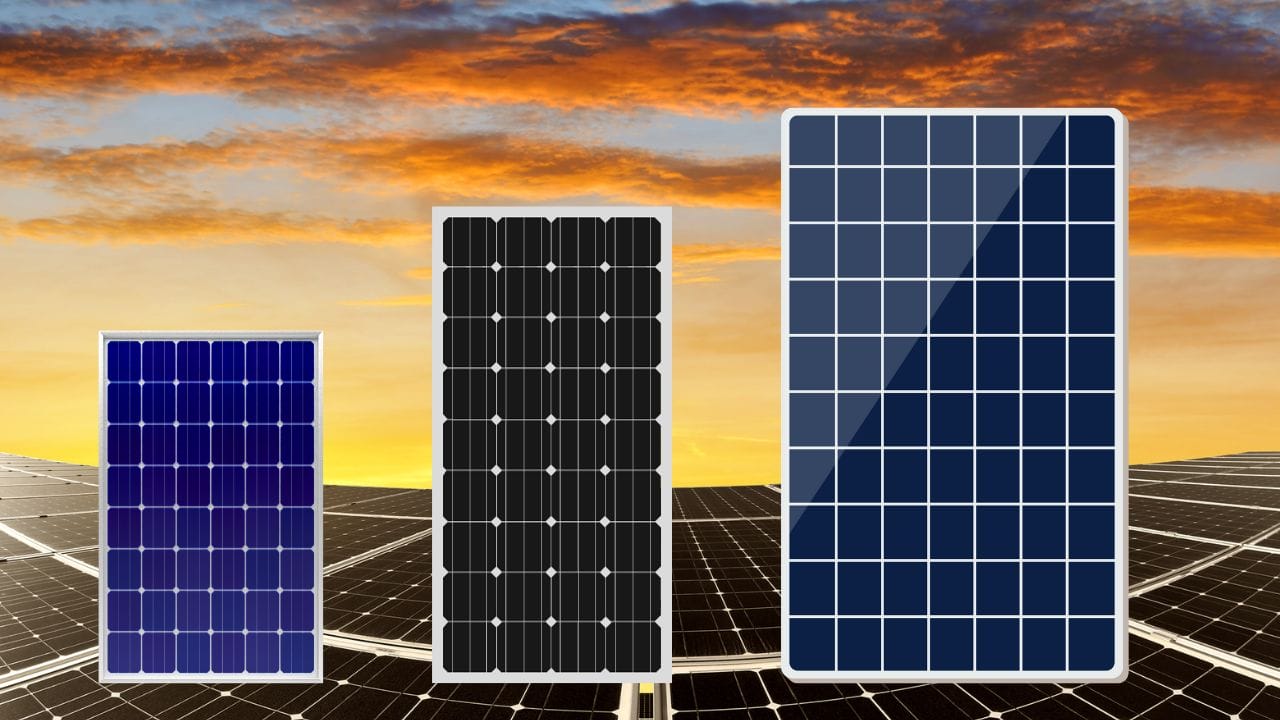
Discover How New Technologies in Solar Panels Are Increasing the Efficiency and Power of Solar Panels.
The technological evolution in the field of solar panels has been remarkably rapid in recent years. A clear example is the transition from 265-watt solar panels to models that now reach 560, 580, and even 670 watts. This impressive change raises a crucial question: how have manufacturers managed to double the power of solar panels in such a short time?
The answer lies in technological innovations applied to photovoltaic cells. One of the main ones is NSP technology (Nitrogen-doped Silicon Phosphorus), which has changed the way solar cells are manufactured. Traditionally, P-type solar cells were predominant, but N-type cells are gaining ground due to their higher efficiency. The fundamental difference between these two types of cells lies in the doping method used in production. While P-type cells are doped with boron, N-type cells are made with phosphorus, which avoids degradation caused by light, common in P-type cells.
Solar Panels with Higher Efficiency
In addition to avoiding light-induced degradation, N-type cells have a more favorable temperature coefficient, which means they are less affected by high temperatures. This results in solar panels with superior performance, especially in hot climates, like that of Brazil. The improved efficiency of N-type cells allows panels to generate more energy without a significant increase in size or weight, a common concern among installers.
-
The Brazilian state accelerates industrial competitiveness with a focus on the extraction of strategic minerals to boost the energy transition in Goiás.

-
Seagri’s headquarters invests in solar energy with Neoenergia Coelba and promises to cut electricity costs, highlighting a strategic advance in sustainability and energy efficiency within state public administration.
-
A Canadian retiree creates a hydroelectric system on a real river, generating energy continuously throughout the day and demonstrating how the power of water can supply a house with stability even in a simple structure.

-
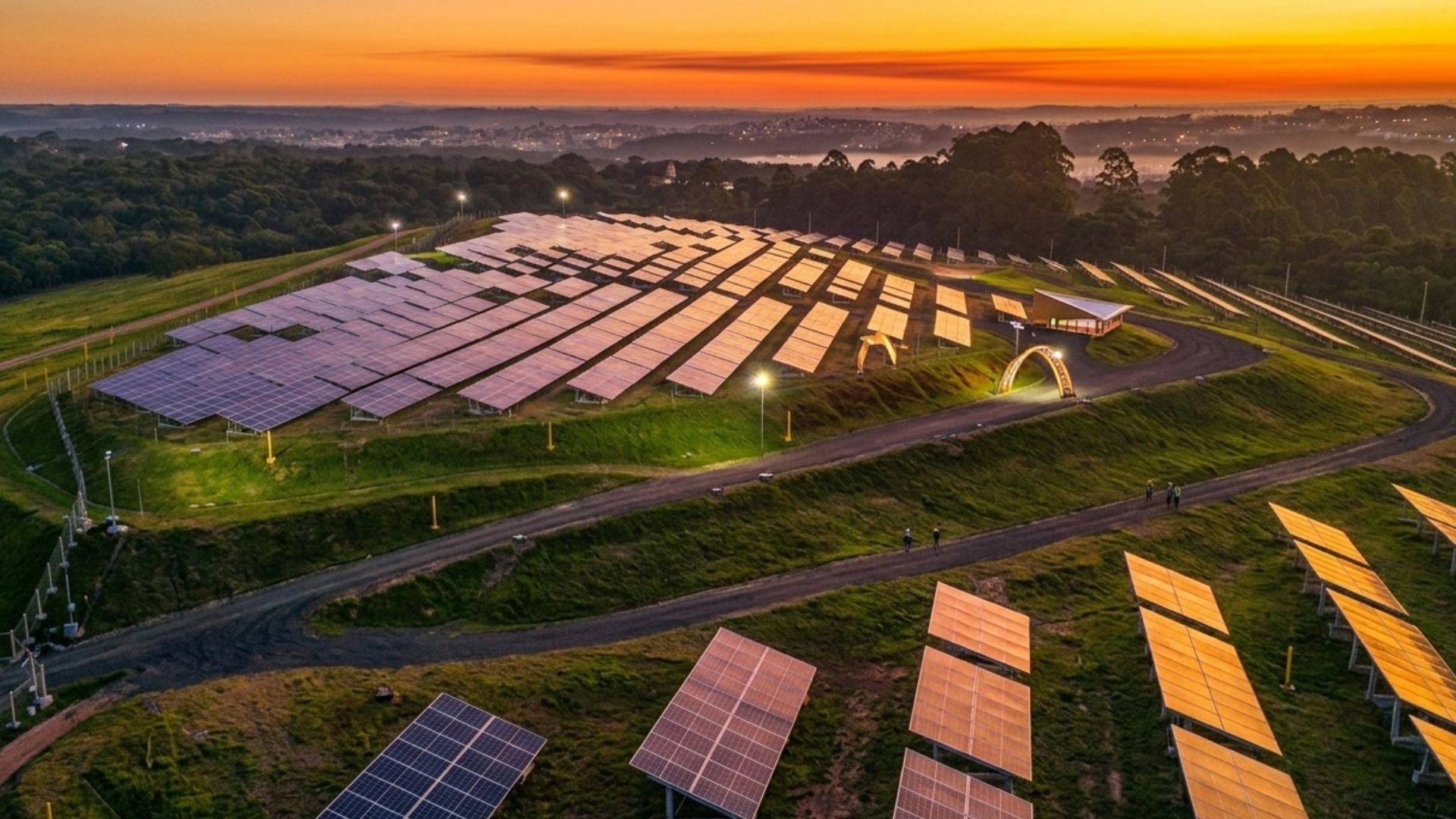
Solar Pyramid draws attention by converting solar energy into million-dollar savings and repositioning the City Hall of Curitiba as an example of innovation, sustainability, and intelligent use of public resources.

Bifacial Solar Panels
Another notable innovation is bifacial solar panels, which have the ability to generate energy on both sides. These panels can increase efficiency by up to 25% compared to conventional panels. To maximize the benefits of bifacial panels, it is crucial to consider factors such as the mounting structure, height, tilt angle, and installation surface. Reflective surfaces, for example, can significantly enhance efficiency by reflecting more light onto the solar cells.
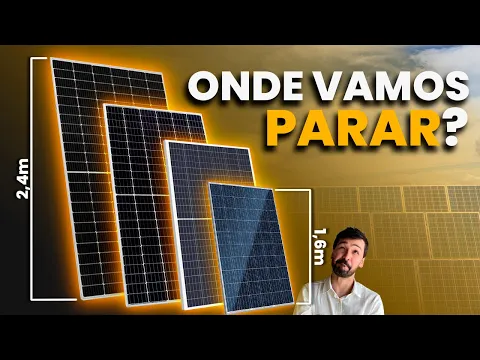

The trend in the solar energy market is clear: there is an increasing demand for efficiency without necessarily enlarging the size of the panels. This is essential for installations in places like residential rooftops and condominiums, where space is limited. Technological innovations, such as N-type cells and bifacial panels, are meeting this demand, making solar energy an even more viable and attractive option.
In this way, solar panels are undergoing a technological revolution. Recent innovations in photovoltaic cells and panel design are increasing efficiency and power, opening new possibilities for solar energy generation, especially in applications like solar panels for condominiums, houses, buildings, and companies. As these technologies continue to develop, it is likely that we will see even more advancements that will make solar energy an even more attractive choice for a sustainable future.







Seja o primeiro a reagir!