





 Portuguese
  English
  Spanish
 4 min of reading
  2 comments


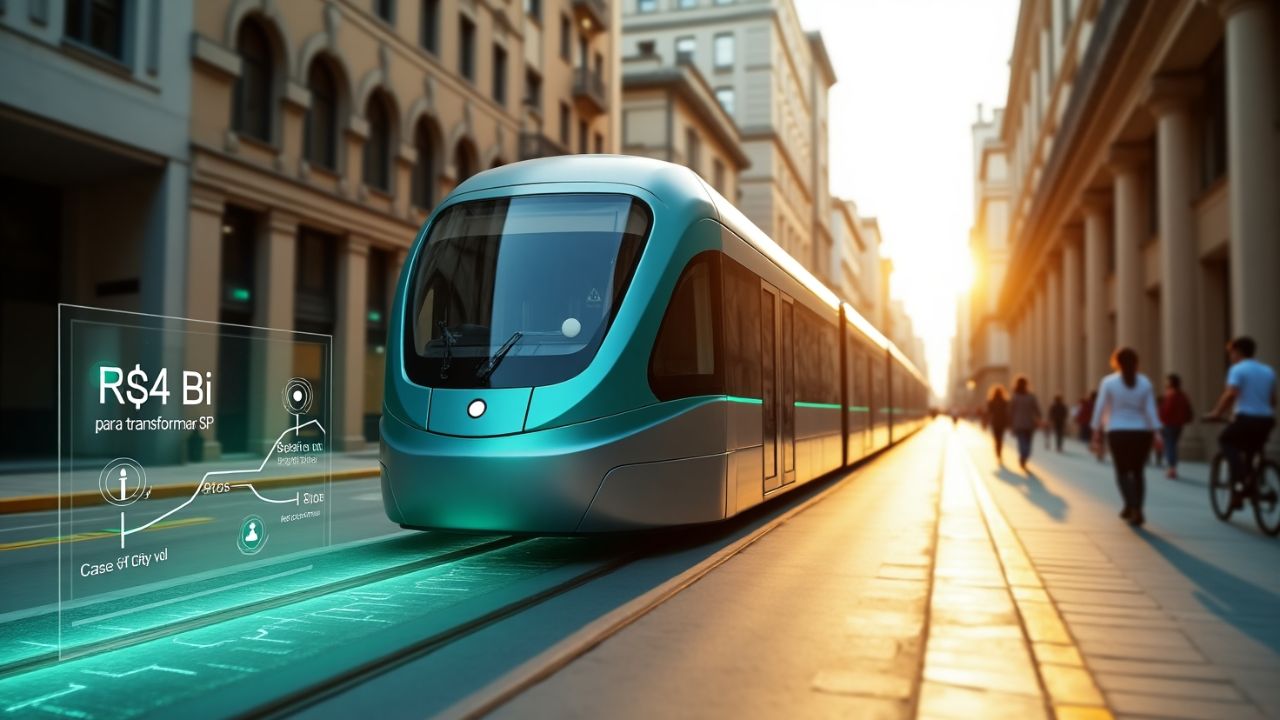


VLT Project Will Feature 12 Km of Tracks, 27 Stops, and Capacity for 134 Thousand Passengers per Day. Urban Study Completed and the City Hall Bets on Revitalization of the Downtown Based on International Models.
The historic center of São Paulo will be completely reimagined in the coming years with the arrival of the VLT (Light Rail Vehicle), called “Bonde São Paulo.” The city hall released details of the project this March 2025, with an expected investment of R$ 4 billion and a delivery estimate for 2027.
According to the municipal administration and the official portal of the São Paulo City Hall (capital.sp.gov.br), the new VLT promises to significantly improve urban mobility in the central region, as well as boost the reoccupation of properties and energize the local economy.
VLT Structure Will Feature Two Lines, 27 Stops, and High-Capacity Trains

The project foresees the construction of two lines of 6 km each, totaling 12 km of tracks in operation. According to the Via Trolebus portal, which also covered the official presentation, the system will have 27 stops along the route, connecting neighborhoods such as Brás, Bom Retiro, Santa Cecília, Campos Elíseos, and the Luz region.
-
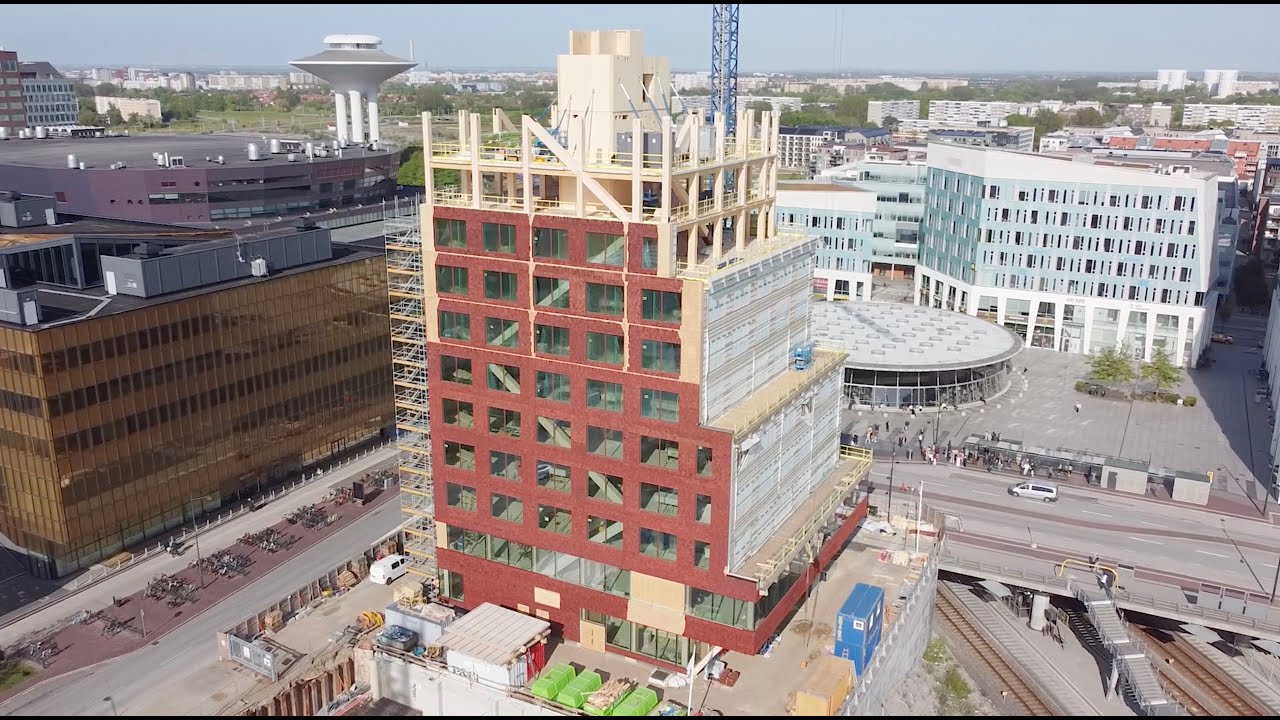
In Sweden, a 51-meter tower was built almost entirely of wood, without a concrete structural core and with solar panels integrated into the facade, using CLT and laminated beams to challenge the dominance of steel and concrete in modern buildings.
-
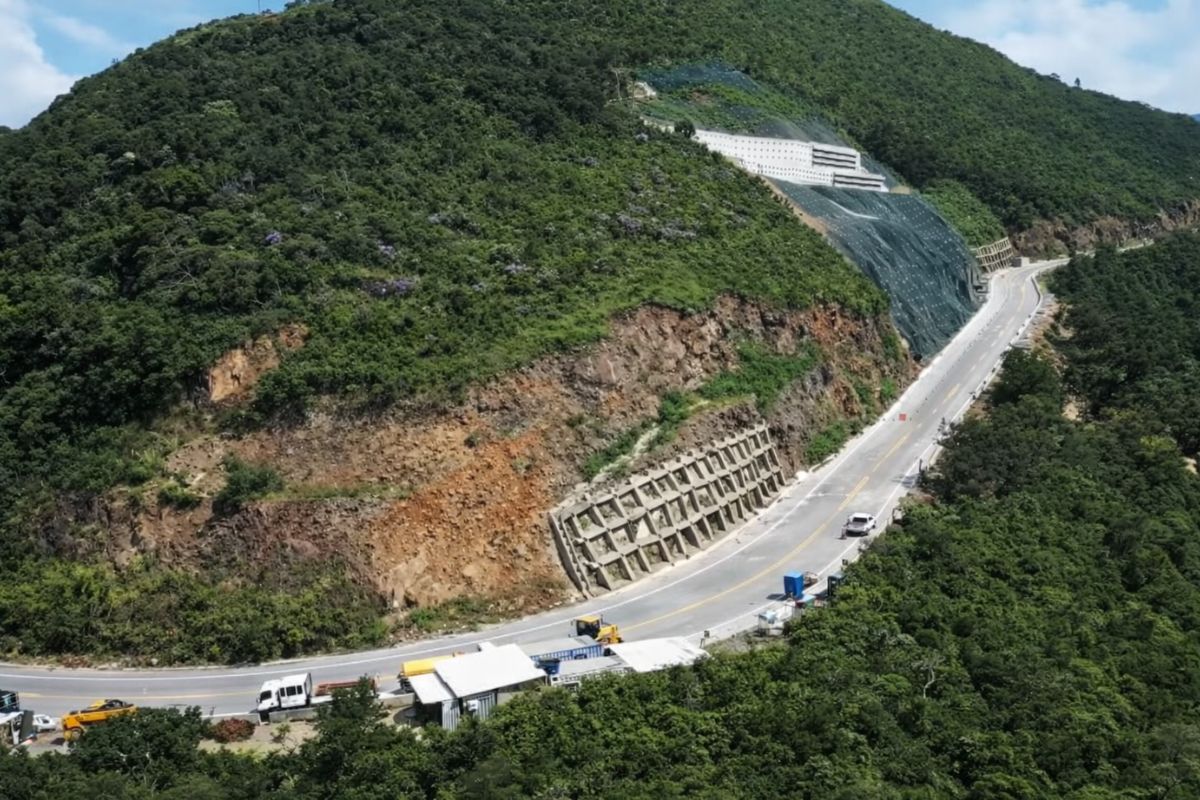
The section of Serra da Rocinha on BR-285 is now open in Timbé do Sul: 50 m tensioned curtains and top-down technique stabilize the slope, with a stairway duct controlling the water.
-
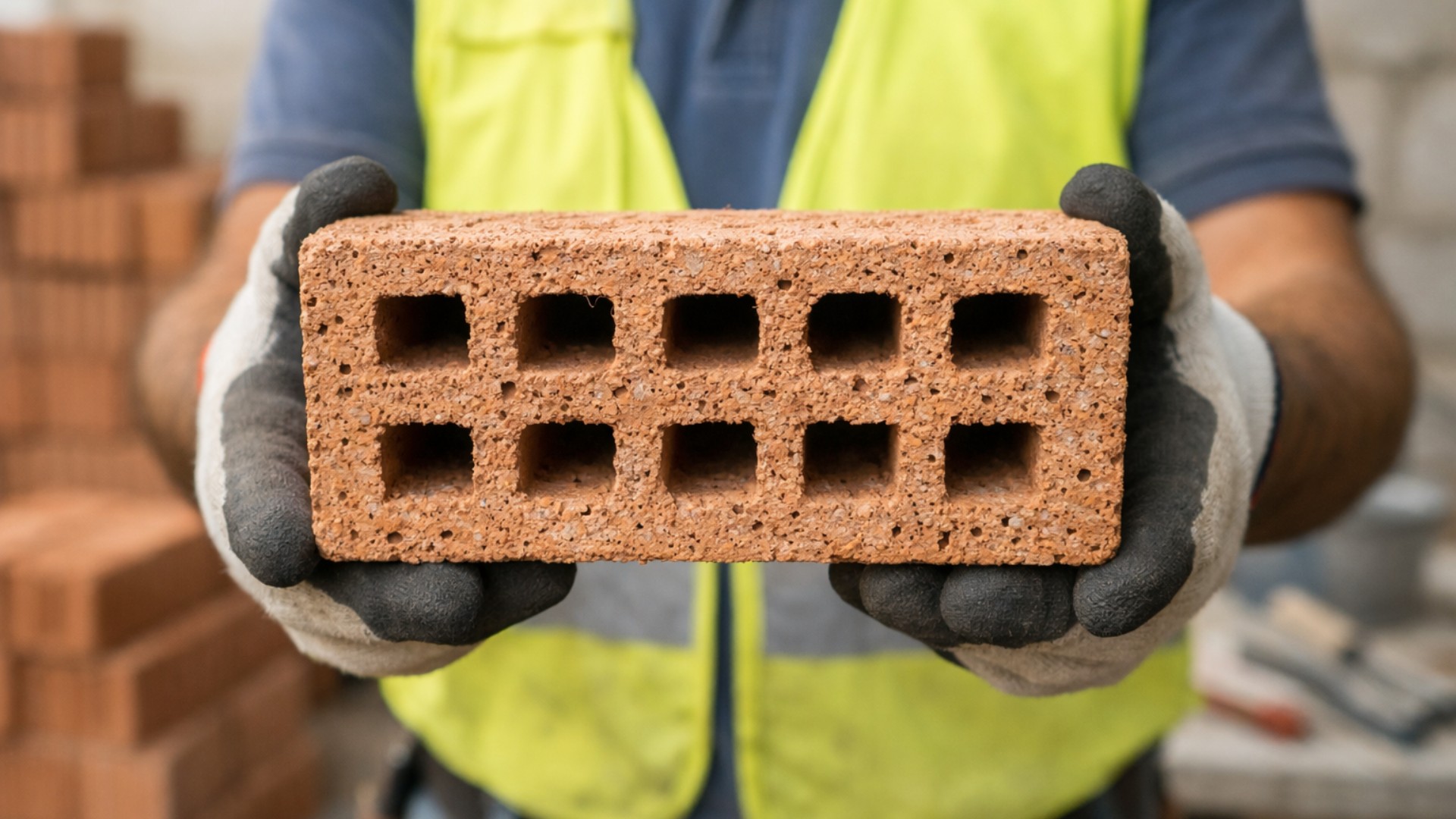
Scientists use sawdust mixed with clay to create a lighter brick, promising efficient thermal insulation and impressing by transforming waste into a solution for construction.
-
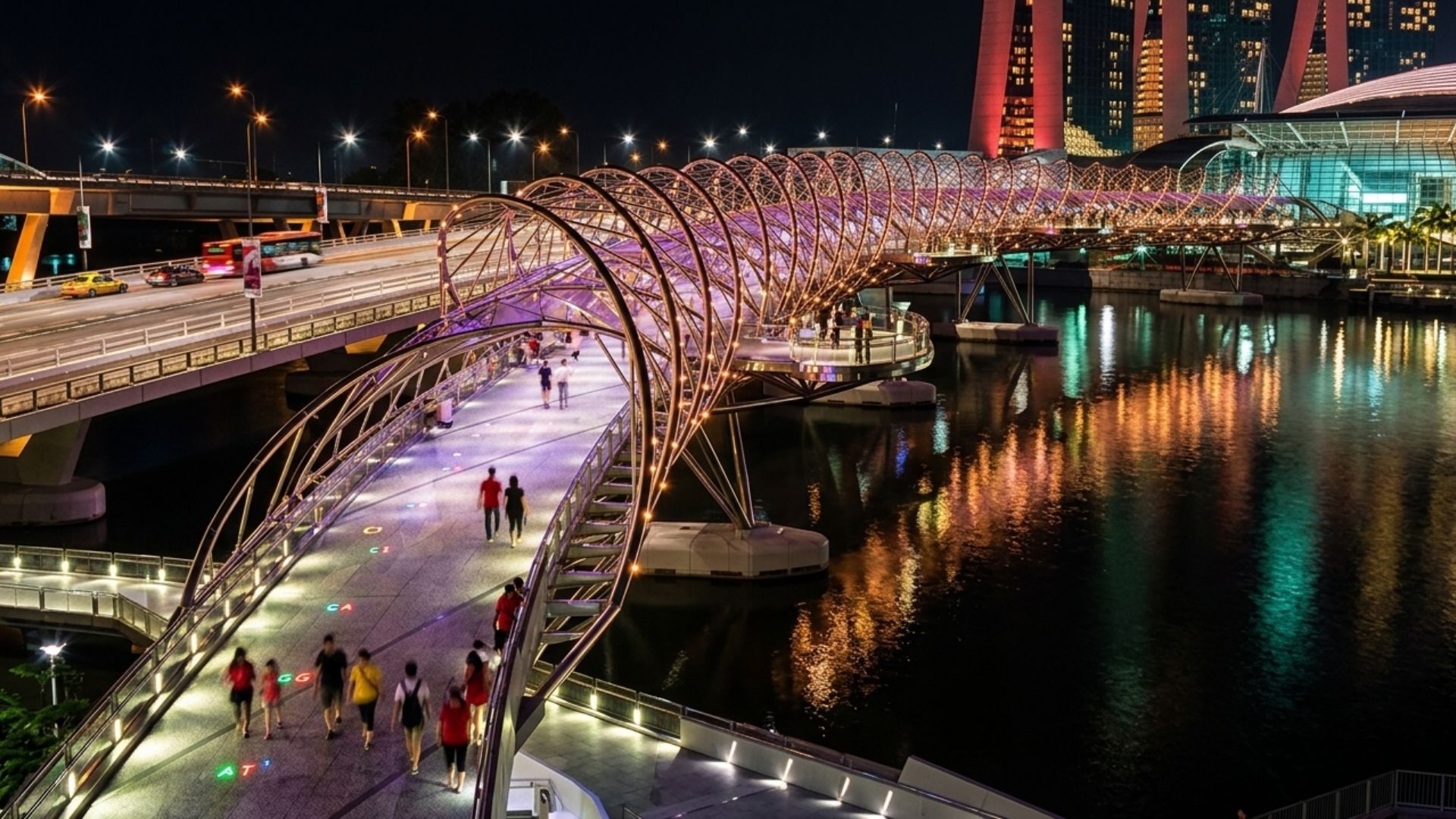
With a DNA shape, this bridge in Singapore draws attention in modern architecture and surprises tourists by transforming a simple crossing into an unforgettable visual experience in the urban heart.

The operation will be conducted by nine trains, each with five cars and a total capacity for 447 passengers. The expectation, according to Metrô CPTM, is to serve up to 134 thousand people per day, operating from 6 am to midnight. Accessibility and comfort are also strong points, with vehicles 100% air-conditioned and equipped with low floors.
The model is inspired by international experiences such as Bilbao and Seville in Spain, as well as Bordeaux in France, where the VLT was one of the main catalysts for urban reoccupation. Mayor Ricardo Nunes emphasized that the system is not just a mode of transportation, but a key piece in the reurbanization project of downtown São Paulo.
The requalification of degraded areas and the encouragement of housing in downtown are clear goals of the initiative. The urban study was completed this March by SP Urbanismo and officially published on the city hall’s website.
Total Investment is R$ 4 Billion, with Expectation of Return Through Advertising and Naming Rights
According to Folha de S.Paulo, the estimated investment is R$ 4 billion, considering construction, train acquisition, signaling, stations, paving, and urban restructuring. The monthly operational cost will be R$ 170 thousand per kilometer, as disclosed in a technical document from SPTrans.
To ensure financial sustainability over the years, the city hall intends to explore naming rights, static and digital advertising, leasing commercial spaces at the stations, and enterprises associated with the VLT route. The expectation is that annual fare revenue will range from R$ 80 million to R$ 120 million, as pointed out by the Metrô CPTM portal in a report published on March 23, 2025.
The project also foresees the creation of commercial hubs in currently unoccupied areas, attracting private investments and expanding the supply of services. According to the Via Trolebus website, these hubs will be integrated into the transportation system, following the concept of “displacement with experience.”
The operation of the system will be carried out through a Public-Private Partnership (PPP), which is expected to be bid in the first half of 2026. Interested companies have already started negotiations with the city management, as advanced by sources from the Metropolitan Transport Secretariat.
Urban Project Foresees Complete Requalification of Downtown SP by 2027
According to the Capital SP portal, the project is part of the restructuring plan for downtown, which includes housing reoccupation, improvements in public safety, and non-motorized mobility, such as bike lanes integrated into the VLT route. The “Bonde São Paulo” was conceived as a vector for urban transformation.
The urban study completed in March 2025 involved mapping underutilized properties, defining priority areas for requalification, and designing new stations with a focus on sustainable architecture. The idea is that the stations will function as community centers, with green areas, natural lighting, and integration with public spaces.
The city hall states that the VLT will be implemented without the need for mass expropriations, taking advantage of existing streets and avenues. Construction is expected to begin in the second half of 2025, with a completion estimate of two years.
According to a study published by SP Urbanismo, for every R$ 1 invested in urban infrastructure downtown, there is an average return of R$ 2.70 in economic development. This data was presented during a public hearing held on March 21, reinforcing the potential of the VLT to boost the local economy.








Projeto necessário para uma cidade como SP .
Fantástico esse projeto. Vai ser um sucesso e São Paulo merece.