





 Portuguese
  English
  Spanish
  4 min of reading
  0 comments


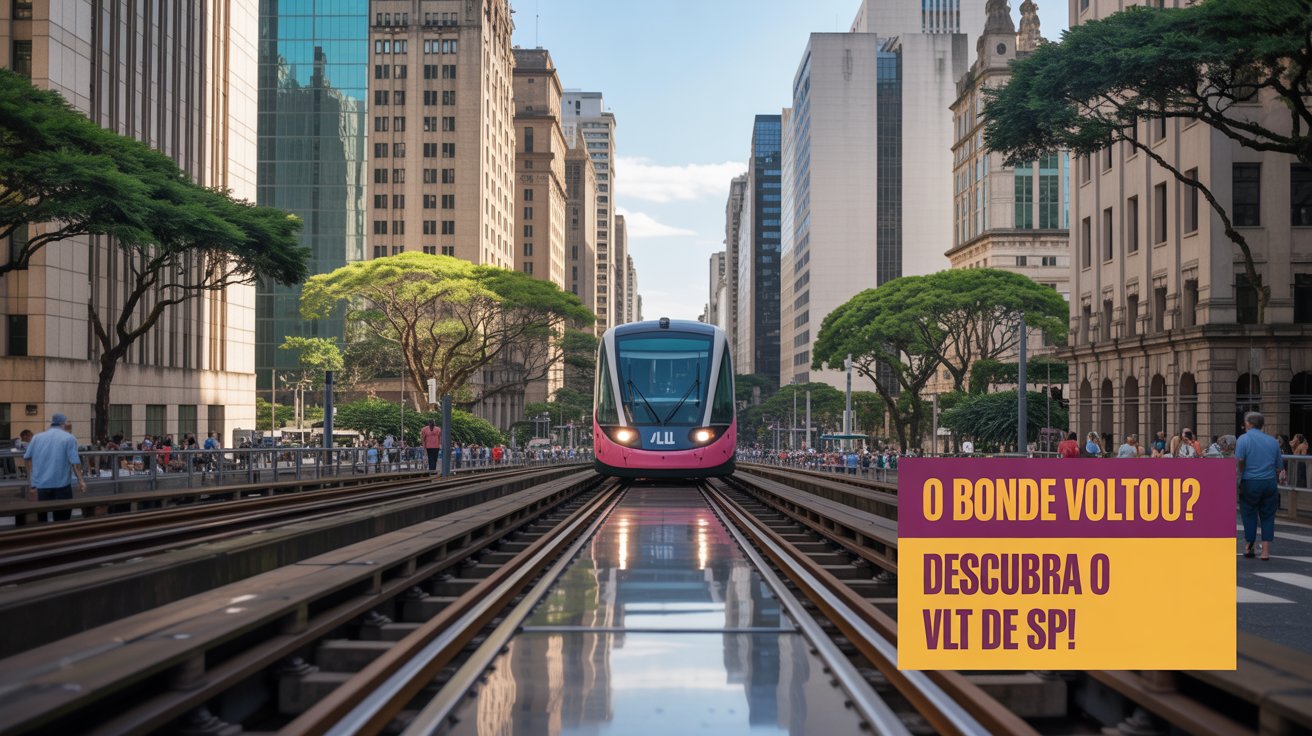
VLT Project Promises to Revolutionize Transportation in Downtown São Paulo with Integration, Sustainability, and Valorization of Historical Areas, Bringing Citizens Closer to Iconic Places in the Capital.
Light Rail Vehicle Marks the Return of Trams to the Downtown
The city of São Paulo is preparing for a historic milestone in its urban mobility: the return of trams, now in a modern format, with the launch of the Light Rail Vehicle (VLT).
The project, budgeted at R$ 3.8 billion, envisions a route of 12 kilometers through the downtown of the capital, divided into two circular lines named after native Atlantic Forest trees, Jequitibá and Sibipiruna, totaling 23 stations.
After 50 years since the last tram ride in São Paulo, the proposal resurrects an icon of the city’s history and adapts it to current transportation needs, focusing on integration, sustainability, and valorization of historical heritage.
-
Mercado Livre “opens the vault” and announces a record investment of R$ 57 billion in Brazil in 2026, a value 50% higher than the previous year, with an expansion plan that includes 14 new logistics centers, totaling 42 units in the country and hiring an additional 10,000 employees.

-
How investment in technology can revolutionize the national economy and enhance industrial gains, according to a study that highlights the direct impact on productivity, innovation, and wealth retention within Brazil.

-
The largest food company on the planet, JBS, has just opened a 4,000 square meter laboratory in Florianópolis to develop customized proteins that modulate muscle mass gain, immune response, and metabolic performance.

-
After nearly 30 bids and competition among industry giants, a Spanish company purchases one of the largest airports in Brazil for almost R$ 3 billion and takes over the management of Galeão in a concession that will last until 2039.


Public Participation and Historical Recovery
The plan was detailed by the São Paulo City Hall and involves stages of public participation, with a public consultation scheduled for August 2025.
The reintroduction of the VLT in the historical center aims to reclaim part of what was one of the largest electric tram networks in the world, which was dismantled in the late 1960s when the system operated around 700 kilometers of tracks.
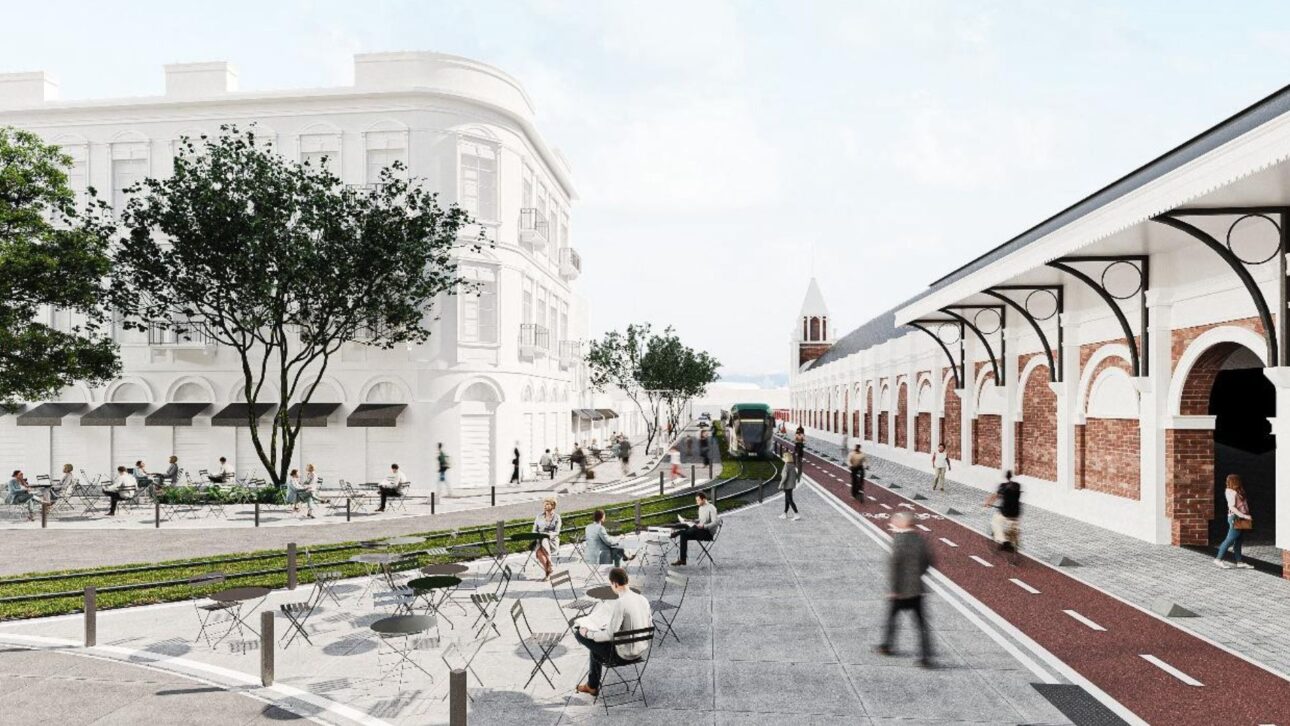
Now, the new VLT, with a more restricted reach, is expected to operate in a closed circuit, connecting strategic points such as the Municipal Market (Mercadão), Rua 25 de Março, Vale do Anhangabaú, Praça da Sé, Parque Dom Pedro, as well as traditional neighborhoods like Brás and Bom Retiro.
Native Names and Integration with Transportation
The choice of line names reinforces the project’s commitment to the environmental memory of the region, honoring emblematic trees of the Atlantic Forest, the city’s original biome.
The lines Jequitibá and Sibipiruna will have a circular path and converge at the Largo do Paissandu, facilitating passenger access to the main hubs of commerce, culture, leisure, and public services in the downtown.
The route totals 12 kilometers, evenly split into two circuits of 6 kilometers each, with integration to five bus terminals, nine Metro stations, and two from the São Paulo Metropolitan Trains Company (CPTM).
Fare Integration and Micromobility
The Light Rail Vehicle is expected to operate in an integrated system with the Bilhete Único, an electronic card already used by buses, trains, and the metro in the capital.
According to Pedro Martin Fernandes, CEO of São Paulo Urbanismo, approximately 130,000 passengers are expected to travel daily on the VLT, using the same fare value applied to municipal buses.
The new model, besides facilitating mobility in the central region, is seen as a solution for so-called micromobility routes — journeys that are long to walk but considered short or expensive for individual transport apps.
Advantages over Metro and Monorail
The proposal is viewed by traffic specialists as a more accessible and efficient alternative compared to systems like the metro and monorail, which have a higher cost of implementation per kilometer.
According to Luiz Vicente Figueira de Mello, professor and researcher of Traffic Engineering at the State University of Campinas (Unicamp), the expectation is that the VLT will represent a significant advancement in connectivity and comfort for users, promoting a more dynamic use of downtown, with the potential to stimulate local commerce and urban tourism.
VLT Financing and Construction Timeline
The financing of the new Light Rail Vehicle system will be predominantly public.
Of the estimated total of R$ 3.8 billion, around 70% is expected to be funded by the municipal administration, which is negotiating with the federal government for agreements to enable the execution of the works.
The remaining 30% will be directed to the private sector, through a bidding process that will encompass the construction and operation of the VLT for a period of 30 years.
The estimate is that the construction of the lines will extend over three years, starting from the commencement date of the works, still subject to the completion of legal processes and public consultations.
Sustainability and Revitalization of the Downtown
In addition to the recovery of the historical tram, the VLT project carries other strategic values.
Among them, sustainability, with the use of low carbon emission electric technology, and the encouragement of the occupation and revitalization of public spaces in the downtown area, which are traditional targets of debates about security, housing, and the offer of essential services.
As highlighted by municipal managers, the goal is to transform downtown São Paulo into a space of permanence, coexistence, and qualified mobility, in line with trends adopted in major global metropolises.
Public Consultation and Community Participation
The project timeline will be detailed in the coming months, with the opening of public consultation in August 2025.
The city’s expectation is to receive suggestions, criticisms, and contributions from different segments of society to improve the final VLT plan, increasing public engagement and decision transparency.
A New Chapter for Public Transportation in São Paulo
With the return of the tram in a modern and sustainable format, São Paulo aligns itself with global mobility trends, revitalizes its history, and envisions a new perspective for downtown.
Do you believe the VLT can truly transform the relationship of São Paulans with the city center and stimulate the valorization of urban memory?






Seja o primeiro a reagir!