





 Portuguese
  English
  Spanish
  3 min of reading


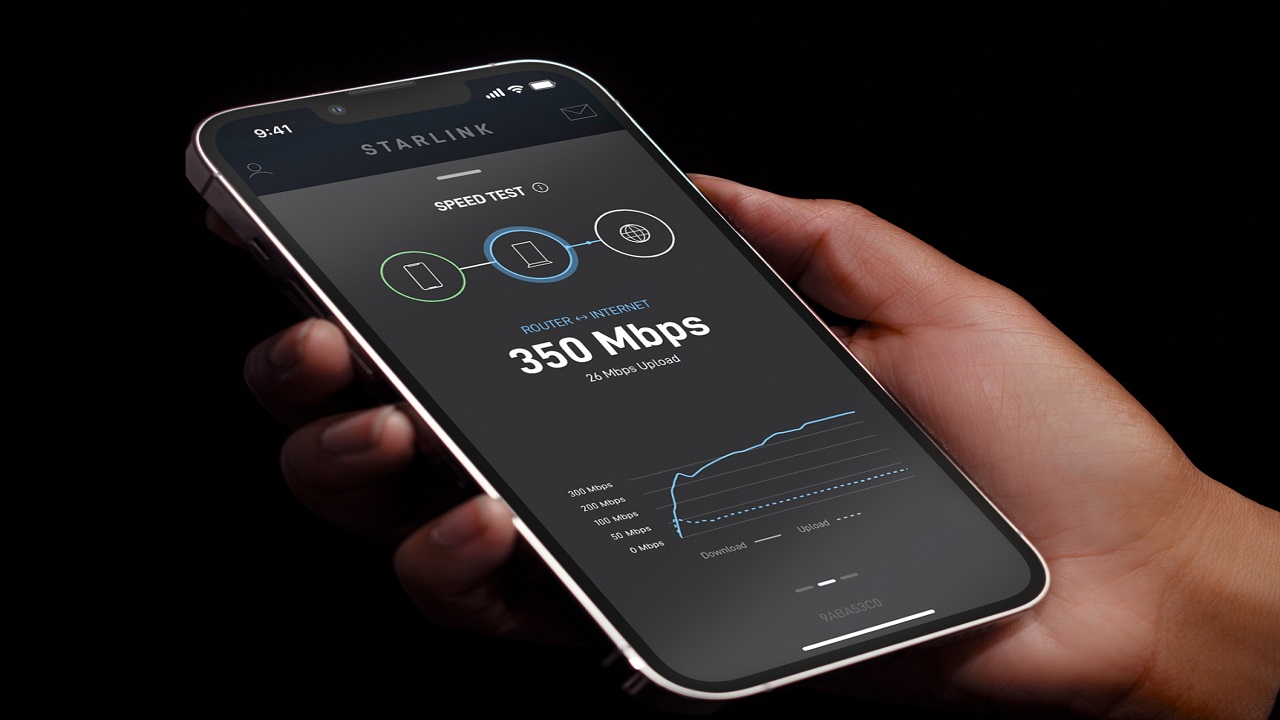
Starlink, Elon Musk’s Company, Now Offers Satellite Internet for the Maritime Industry. The Initial Monthly Fee Announced Is US$ 5,000 and Promises Speeds of Up to 350 Mbps.
Starlink, Elon Musk’s company, has launched its new plan for satellite internet for boats, ships, and yachts, with approval from the Federal Communications Commission (FCC), granted a few days ago, expanding the service’s use possibilities. Called Starlink Maritime, the provider for the maritime industry promises speeds of up to 350 Mbps offshore; however, the service’s pricing is drawing attention.
Starlink’s Satellite Internet Monthly Fee Is US$ 5,000
The initial satellite internet kit for the maritime industry costs US$ 10,000, equivalent to around R$ 53,000 at current exchange rates. The monthly fee, in turn, is US$ 5,000 for months in which the customer uses the connection at least once. This amount equals just over R$ 26,000 in direct conversion. The prices are significantly higher compared to residential plans.
Currently, there is a reason that explains this price difference for the maritime industry. Elon Musk mentioned on his social media that the antenna for boats has high-performance components, maintaining signal strength even in rough seas.
-
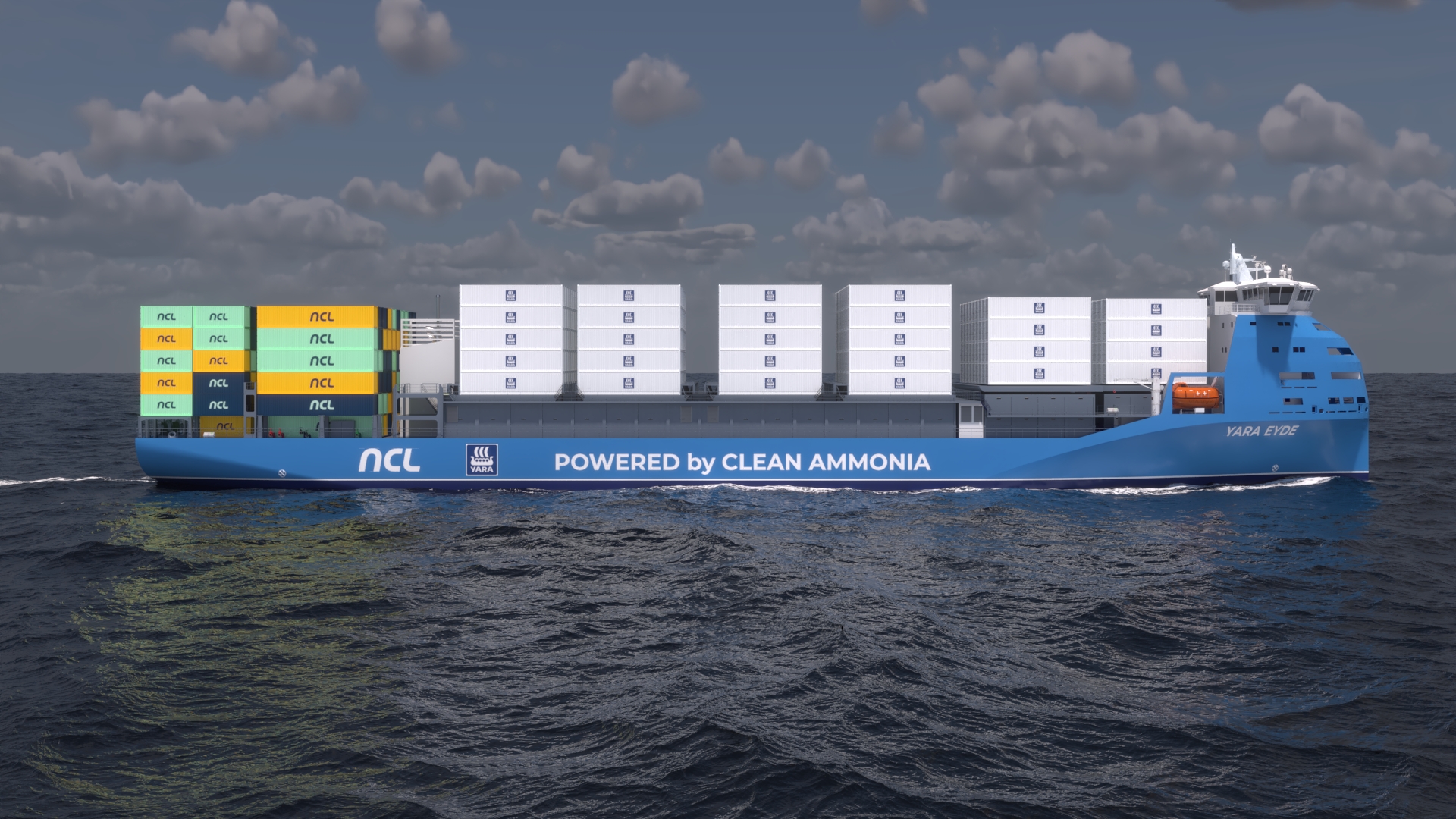
The world’s first container ship powered by renewable ammonia promises to avoid around 11,000 tons of CO₂ per year. The vessel, scheduled to operate in 2026, will connect Norway, Germany, and the Netherlands on one of the shortest and most strategic routes in Europe.
-
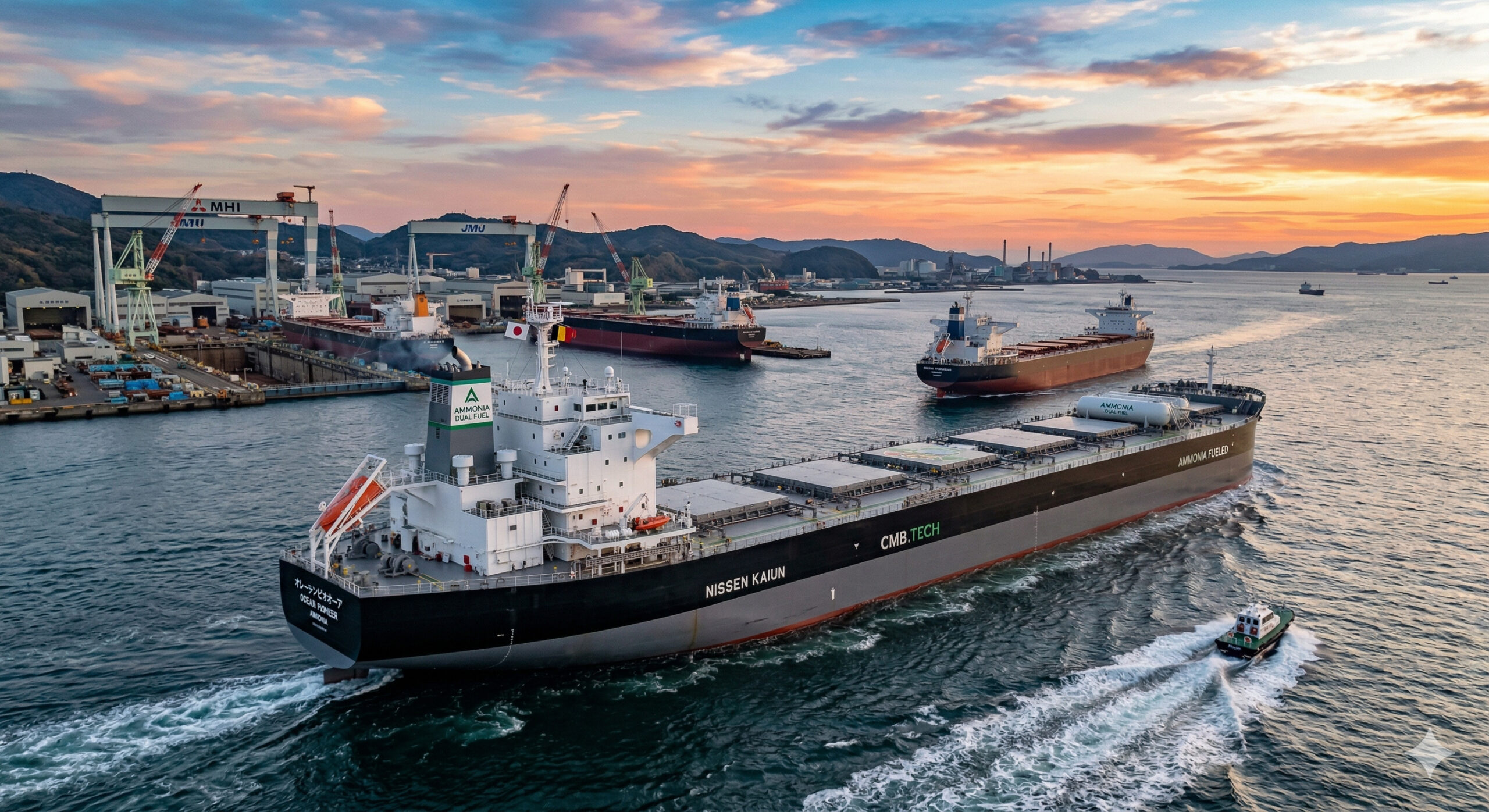
Nine giant ships of up to 210,000 gross tons equipped with dual fuel ammonia engines are being launched by Japan and Belgium. The project includes the world’s first Capesize vessels using this fuel, with contracts of up to 12 years, marking the beginning of a carbon-free ocean fleet starting in 2026.
-
Lack of workers and an aging population: Japan bets on AI robots in factories, logistics, and infrastructure to keep the economy and essential services active.

-
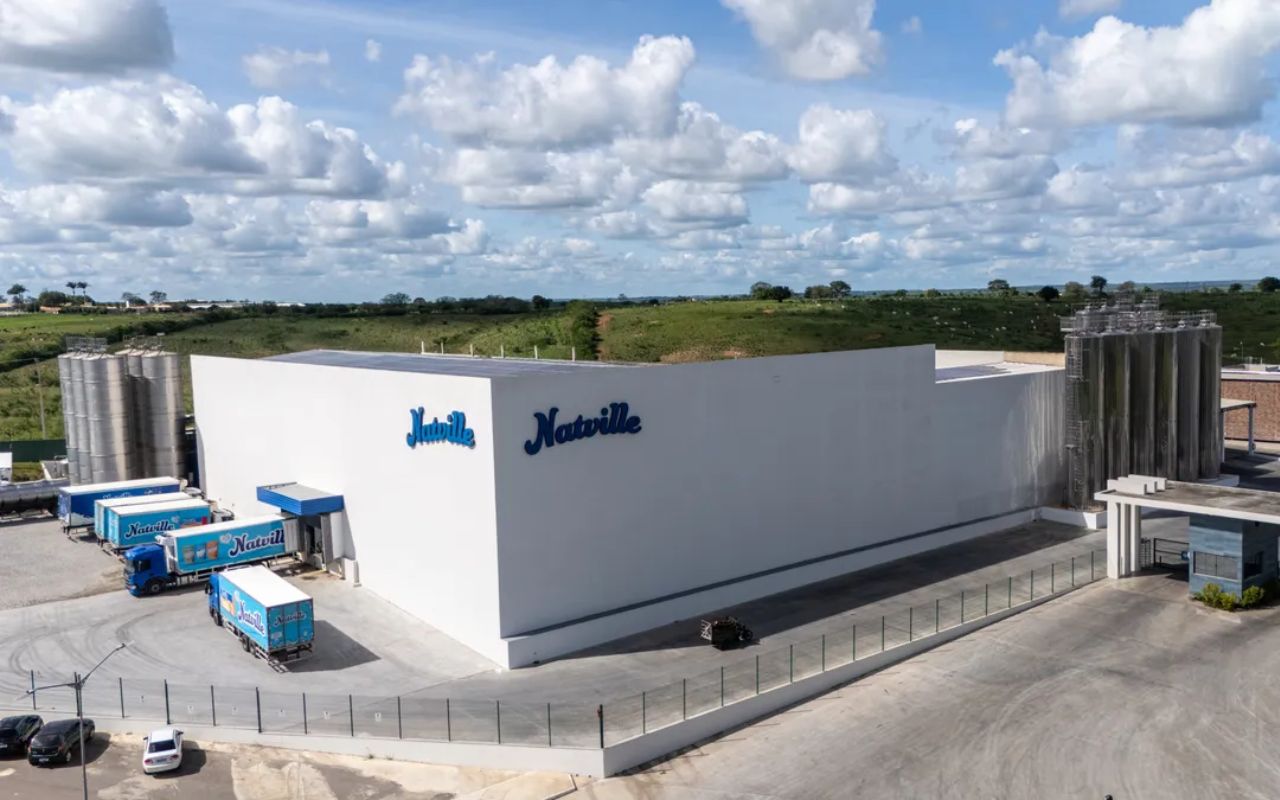
Natville puts R$ 700 million on the table for new factories in the Northeast, generating jobs and boosting the local economy.
Satellite internet terminals were also designed to withstand adverse weather conditions, such as fog, storms, and extreme winds, according to Elon Musk. By way of comparison, the Starlink executive claims he pays US$ 150,000 per month for a connection much worse than the one tailored for the Maritime Industry on his private vessels.
Starlink’s Internet Will Work in Remote Locations
The Starlink page dedicated to the maritime industry mentions that those who sign up for satellite internet will be able to connect to the most remote waters in the world.
However, currently, the coverage provided by Elon Musk’s company is still restricted to the U.S. coast, except for Alaska, and Europe, except for Norway, Finland, and Sweden.
The good news is that Brazil is also on the list to receive the Starlink initiative, along with Chile, New Zealand, and Southern Australia. Elon Musk’s company states that it will expand coverage to more locations in the fourth quarter of this year and also next year.
Starlink Antenna Approved in Brazil


The new Starlink antenna has been approved in Brazil and can now be used and sold here. The second-generation antenna was presented by Starlink at the end of last year, and with its rectangular design, it occupies less space and is much lighter than common antennas. This antenna was first launched in 12 other countries, but Brazil was not included. Everything indicates that this will change now.
The homologation certificate for Starlink’s UTA-212 antenna model was issued in the last few weeks and is valid until 2025. The new antenna from Elon Musk’s company has a rectangular shape, and at 50 x 30 cm, it is much smaller than its predecessor UTA-211, which has a diameter of 58.9 cm in its round shape.
Moreover, weighing 4.2 kg, it is also much lighter than the previous model, which weighed 7.3 kg. It is worth noting that the company has been operating in the country since January 28 of this year, with official authorization from Anatel to operate as a telecommunications company, and thus is already selling its services to consumers in the country.

Formado em Jornalismo e Marketing, é autor de mais de 20 mil artigos que já alcançaram milhões de leitores no Brasil e no exterior. Já escreveu para marcas e veículos como 99, Natura, O Boticário, CPG – Click Petróleo e Gás, Agência Raccon e outros. Especialista em Indústria Automotiva, Tecnologia, Carreiras (empregabilidade e cursos), Economia e outros temas. Contato e sugestões de pauta: valdemarmedeiros4@gmail.com. Não aceitamos currículos!







Seja o primeiro a reagir!