





 Portuguese
  English
  Spanish
  3 min of reading


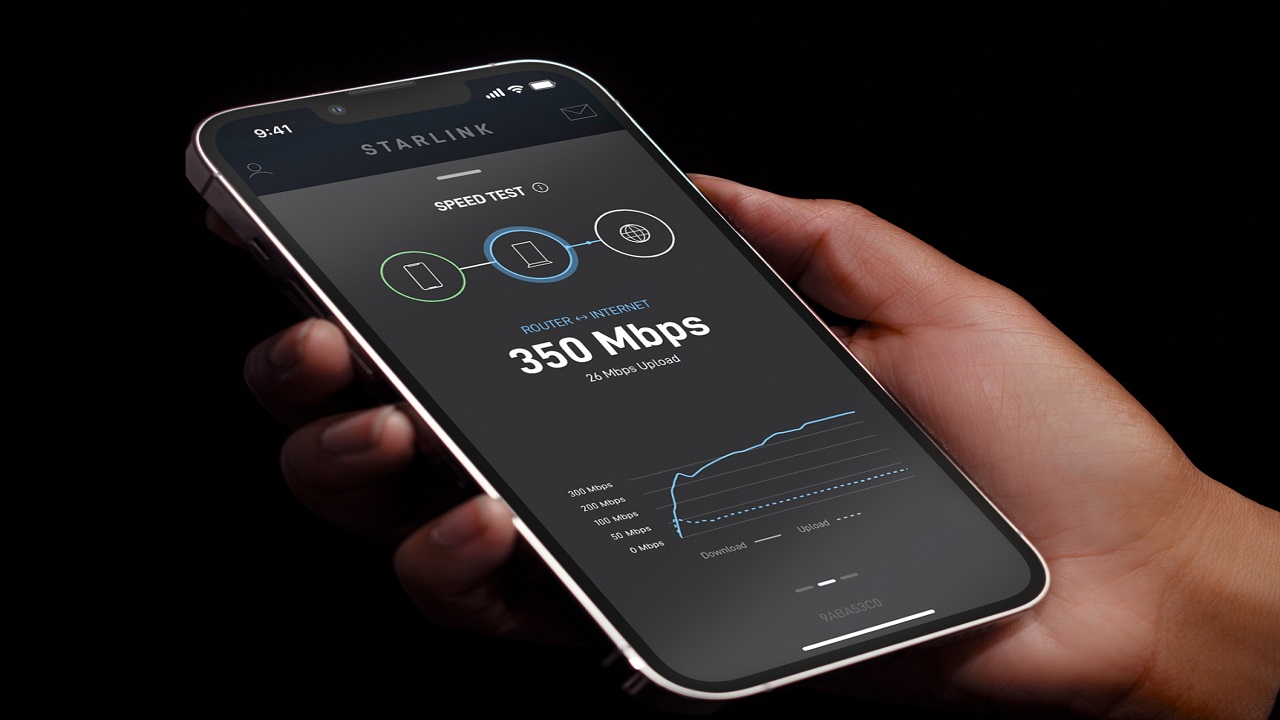
Starlink, Elon Musk’s Company, Now Offers Satellite Internet for the Maritime Industry. The Initial Monthly Fee Announced Is US$ 5,000 and Promises Speeds of Up to 350 Mbps.
Starlink, Elon Musk’s company, has launched its new plan for satellite internet for boats, ships, and yachts, with approval from the Federal Communications Commission (FCC), granted a few days ago, expanding the service’s use possibilities. Called Starlink Maritime, the provider for the maritime industry promises speeds of up to 350 Mbps offshore; however, the service’s pricing is drawing attention.
Starlink’s Satellite Internet Monthly Fee Is US$ 5,000
The initial satellite internet kit for the maritime industry costs US$ 10,000, equivalent to around R$ 53,000 at current exchange rates. The monthly fee, in turn, is US$ 5,000 for months in which the customer uses the connection at least once. This amount equals just over R$ 26,000 in direct conversion. The prices are significantly higher compared to residential plans.
Currently, there is a reason that explains this price difference for the maritime industry. Elon Musk mentioned on his social media that the antenna for boats has high-performance components, maintaining signal strength even in rough seas.
-
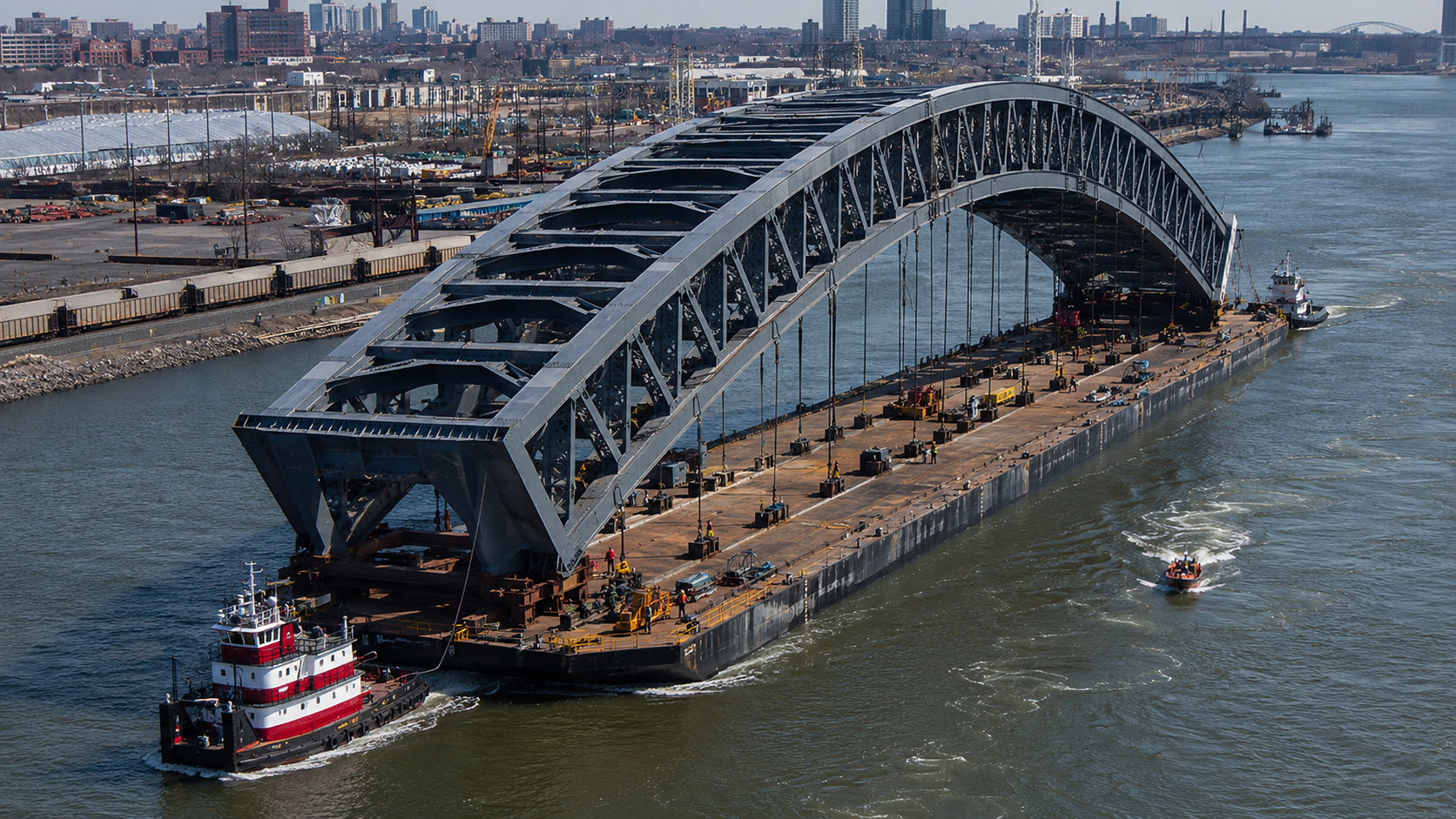
While old bridges still span railways around the world, in the United States a 2,300-ton structure was assembled off-site and transported by barge along the Hudson River to replace a century-old bridge.

-
Egypt builds a $5.5 billion monorail over Cairo with beams weighing 80 to 100 tons lifted by mobile cranes, while streets need to be blocked to erect nearly 100 km of suspended train.
-
While the city slept in Switzerland, a 255-ton bridge was lifted in the dark by a 1,000-ton crane in a nighttime operation with millimeter precision.
-
Near Amsterdam, a construction project next to the A9 highway placed 19 concrete beams in sequence on the same day, with pieces up to 31.5 meters and 60.5 tons.



Satellite internet terminals were also designed to withstand adverse weather conditions, such as fog, storms, and extreme winds, according to Elon Musk. By way of comparison, the Starlink executive claims he pays US$ 150,000 per month for a connection much worse than the one tailored for the Maritime Industry on his private vessels.
Starlink’s Internet Will Work in Remote Locations
The Starlink page dedicated to the maritime industry mentions that those who sign up for satellite internet will be able to connect to the most remote waters in the world.
However, currently, the coverage provided by Elon Musk’s company is still restricted to the U.S. coast, except for Alaska, and Europe, except for Norway, Finland, and Sweden.
The good news is that Brazil is also on the list to receive the Starlink initiative, along with Chile, New Zealand, and Southern Australia. Elon Musk’s company states that it will expand coverage to more locations in the fourth quarter of this year and also next year.
Starlink Antenna Approved in Brazil


The new Starlink antenna has been approved in Brazil and can now be used and sold here. The second-generation antenna was presented by Starlink at the end of last year, and with its rectangular design, it occupies less space and is much lighter than common antennas. This antenna was first launched in 12 other countries, but Brazil was not included. Everything indicates that this will change now.
The homologation certificate for Starlink’s UTA-212 antenna model was issued in the last few weeks and is valid until 2025. The new antenna from Elon Musk’s company has a rectangular shape, and at 50 x 30 cm, it is much smaller than its predecessor UTA-211, which has a diameter of 58.9 cm in its round shape.
Moreover, weighing 4.2 kg, it is also much lighter than the previous model, which weighed 7.3 kg. It is worth noting that the company has been operating in the country since January 28 of this year, with official authorization from Anatel to operate as a telecommunications company, and thus is already selling its services to consumers in the country.

Graduated in Journalism and Marketing, he is the author of over 20,000 articles that have reached millions of readers in Brazil and abroad. He has written for brands and media outlets such as 99, Natura, O Boticário, CPG – Click Petróleo e Gás, Agência Raccon, among others. A specialist in the Automotive Industry, Technology, Careers (employability and courses), Economy, and other topics. For contact and editorial suggestions: valdemarmedeiros4@gmail.com. We do not accept resumes!






Be the first to react!