





 Portuguese
  English
  Spanish
  4 min of reading
  0 comments


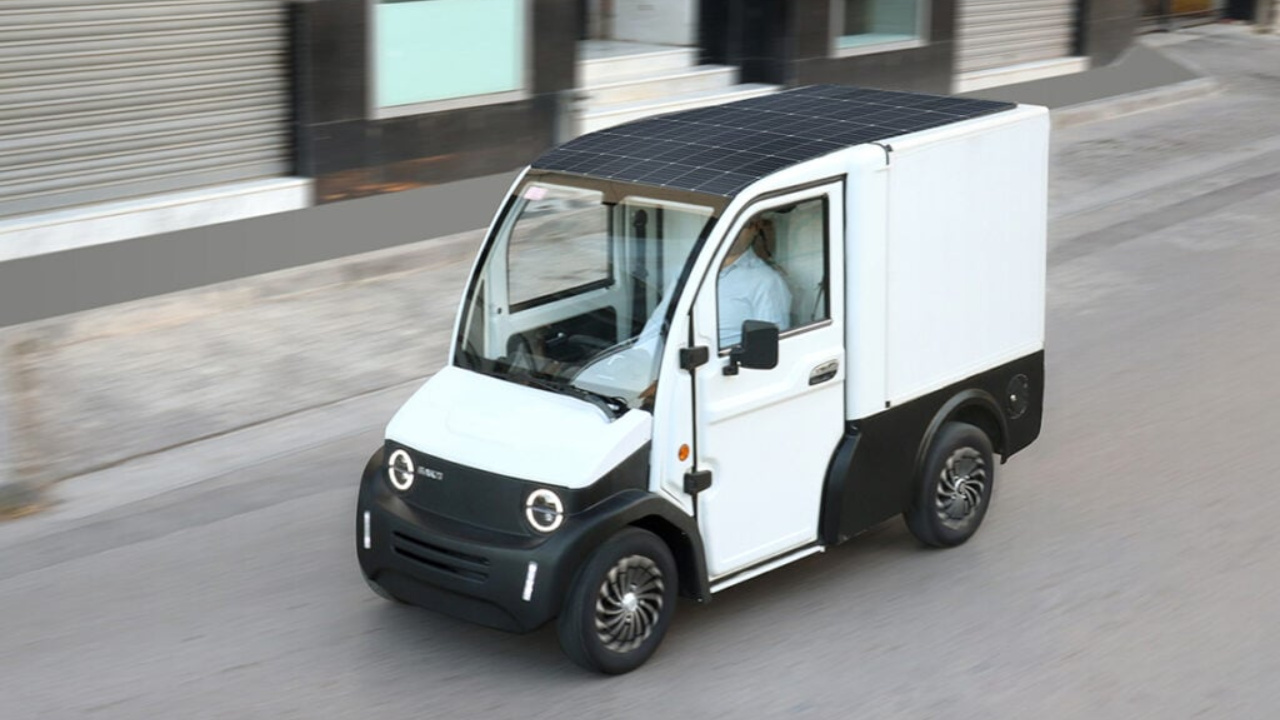
The Tunisian Startup Bako Motors Launches Solar-Powered Electric Vehicles, Promising to Transform Mobility in Africa with Affordable, Sustainable, and Locally-Made Cars.
The search for alternatives to fossil fuels has been driving the development of cleaner and more sustainable transportation solutions. In this context, the startup Bako Motors, based in Tunisia, stands out as an innovative example by presenting solar-powered electric cars. The proposal is to offer sustainable and accessible mobility for the African continent, with vehicles starting at R$ 33 thousand that use the sun as the main energy source.
Unlike traditional electric models that rely entirely on charging stations, Bako’s cars combine conventional electric charging with solar panels installed on the roof. This combination ensures greater autonomy, allowing the vehicles to be charged even while in motion — a solution especially valuable in regions where electrical infrastructure is poor or unstable.
Simple and Scalable Technology Drives Sustainable Mobility
According to Bako Motors, the idea is to make solar energy a practical and scalable solution for daily transportation. Currently, the company has two models in operation aimed at urban mobility: the Bako Bee, a compact two-seater car, and the B-Van, a minivan adapted for deliveries and transportation of small loads.
-
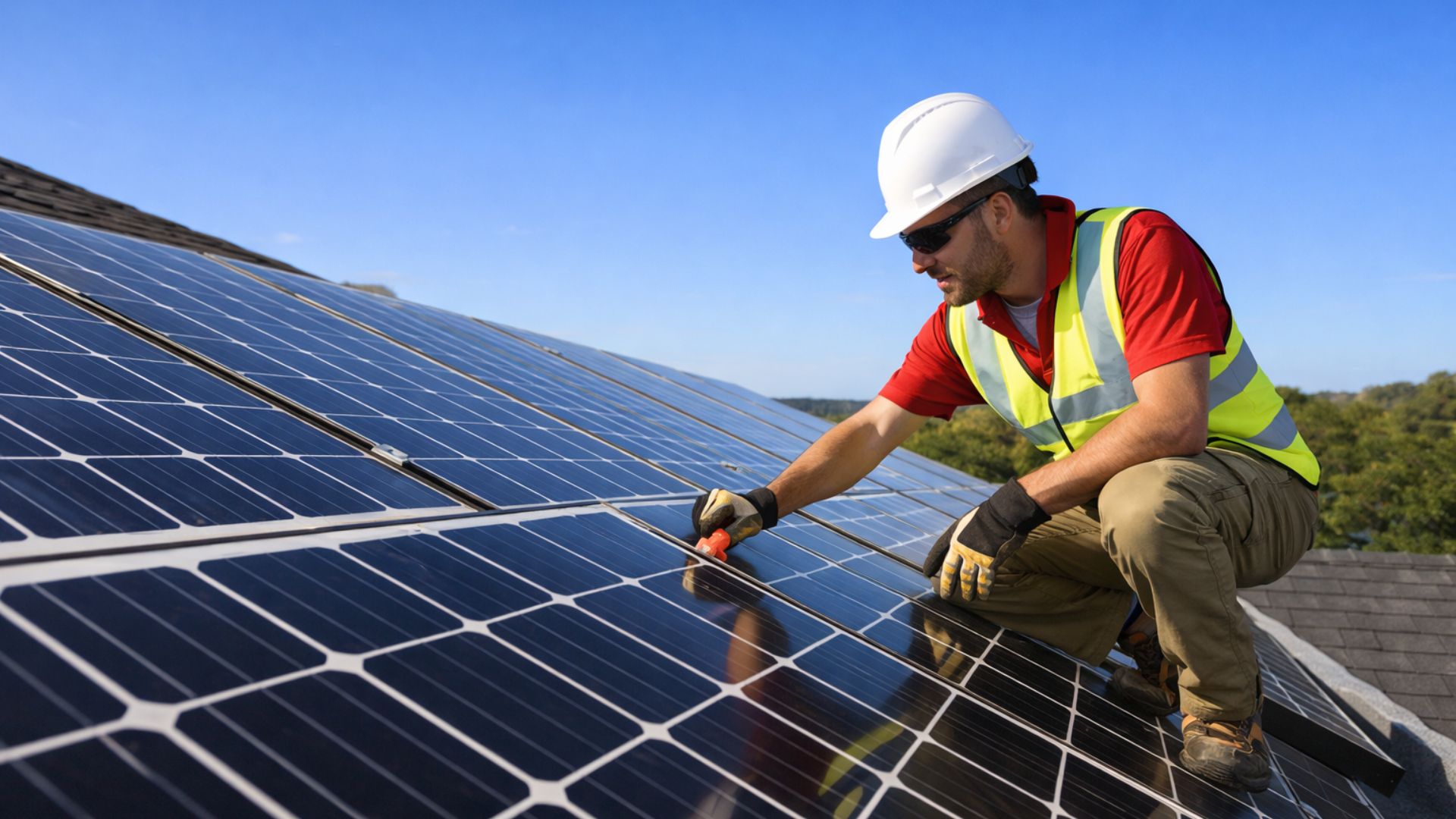
Seagri’s headquarters invests in solar energy with Neoenergia Coelba and promises to cut electricity costs, highlighting a strategic advance in sustainability and energy efficiency within state public administration.
-
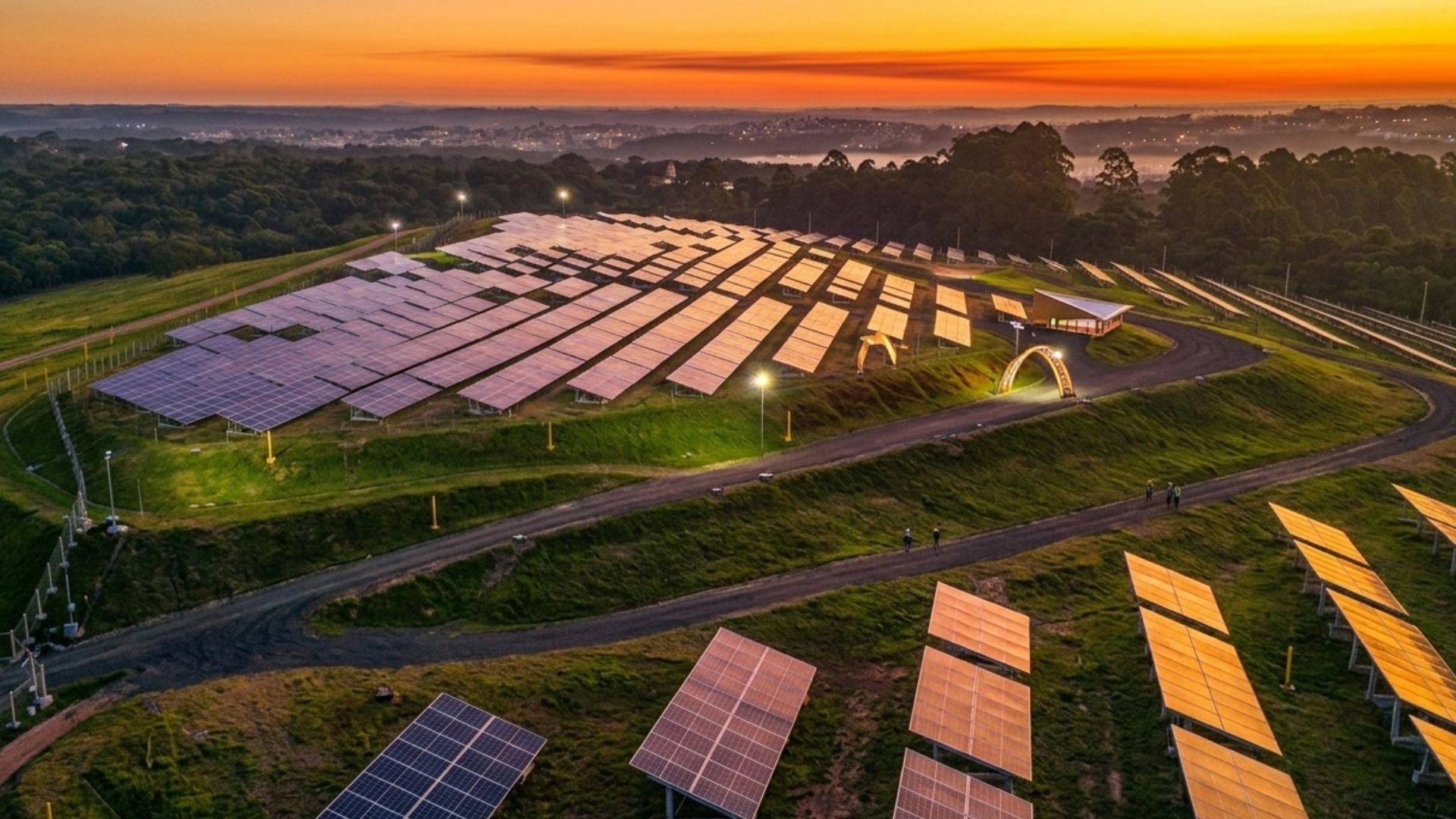
Solar Pyramid draws attention by converting solar energy into million-dollar savings and repositioning the City Hall of Curitiba as an example of innovation, sustainability, and intelligent use of public resources.
-
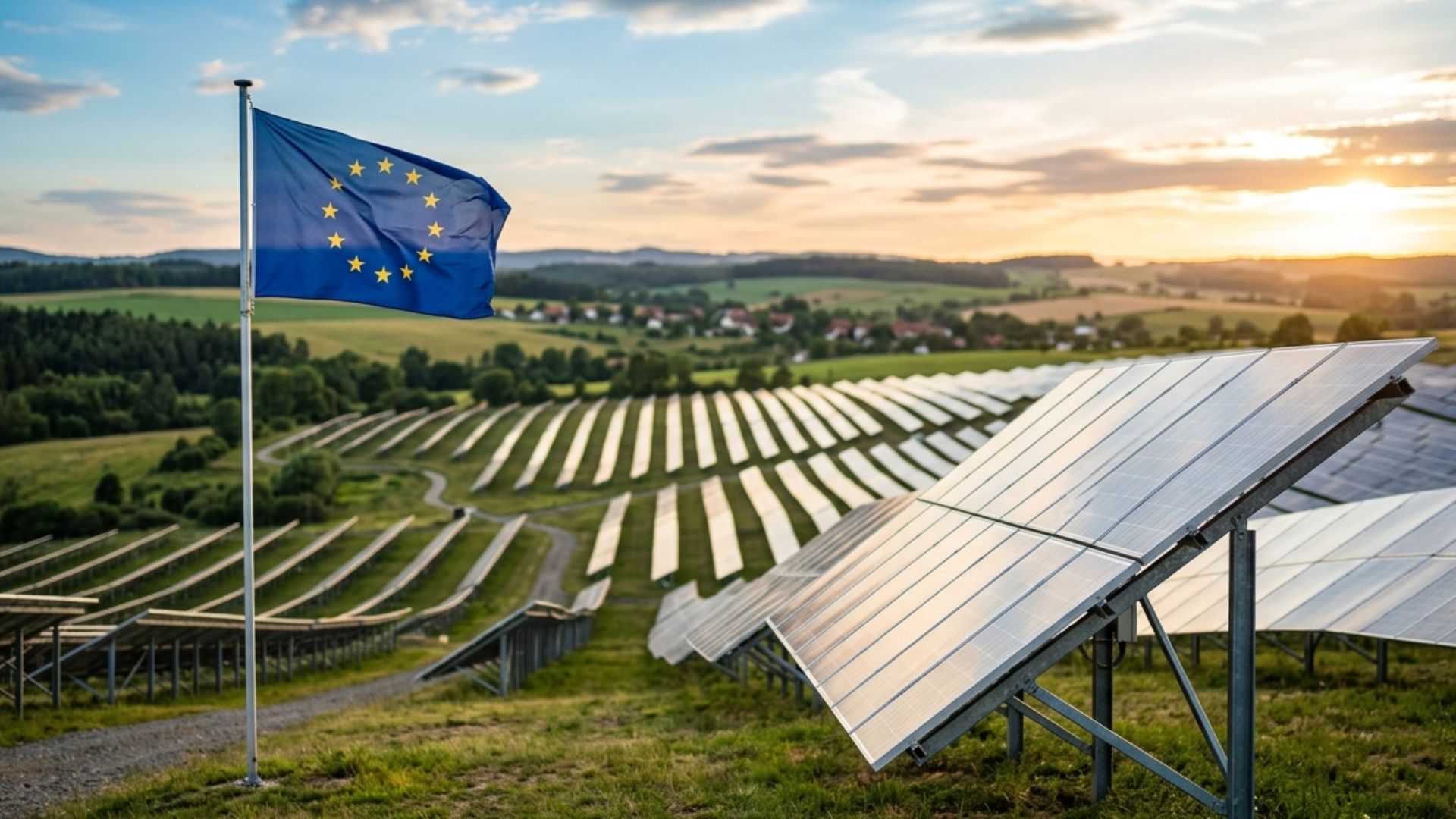
Europe records strong euro economy with solar energy in March and sparks curiosity about which country leads growth that redefines the energy market and reduces costs.
-
Piauí reaches a historic milestone in energy transition: State records nearly 160,000 households powered by solar energy and leads growth in the Northeast.
The startup’s founder, Boubaker Siala, explains that the solar panels are capable of covering more than half of the daily energy needs of the vehicle. “The solar panels on the roof can cover more than half of the daily needs with solar energy, about 17,000 km per year without the need to connect to the electrical grid,” Siala states.
Additionally, the vehicles retain the option of charging via plug, ensuring versatility for different urban and rural contexts. This hybrid approach reinforces the proposal of energy self-sufficiency, reducing dependence on complex and costly electrical infrastructure.
Compact Design and Energy Efficiency as Priority
Focusing on practicality and cost-effectiveness, Bako’s models have been designed to meet local needs. The Bako Bee is an ultra-compact two-seater, with a top speed of 44 km/h and a range between 70 and 120 km. Its initial price is US$ 6,200 (about R$ 33 thousand), making it a viable alternative for urban workers and short-distance drivers.
The B-Van, priced around US$ 8,500 (R$ 45 thousand), can transport up to 400 kg of cargo and offers a range of up to 300 km, depending on usage and load conditions. These specifications make the vehicle ideal for short-distance deliveries and transporting goods in areas with little electrical infrastructure.
A third model, the X-Van, is in development and promises to increase cargo capacity while maintaining a focus on efficiency and low operational costs.
Local Production and Positive Economic Impact
More than a technological innovation, Bako Motors’ project also aims to strengthen the local economy. Approximately 40% of the parts used in manufacturing the vehicles are produced on the African continent — from the chassis steel to the batteries. This strategy reduces import costs, generates jobs, and stimulates regional production chains.
The company has already announced plans to open a new factory in 2026, increasing annual production capacity to 8,000 vehicles. With this expansion, the startup aims to serve not only the African market but also export to the Middle East and Europe, regions showing growing interest in light solar vehicles aimed at urban mobility and sustainable logistics.
Solar Energy as a Driver of Sustainable Development
Bako’s proposal goes beyond car manufacturing. It represents a sustainability-driven business model that combines clean technology, local production, and economic accessibility. This combination places the company in a strategic position in the so-called Global South, adapting the energy transition to the realities of developing countries.
According to Siala, the goal is to create vehicles that meet real mobility contexts, especially in places with constant sunlight and limited access to the electrical grid. This vision not only democratizes access to technology but also reduces carbon footprints and promotes energy independence for communities.
Potential for Social and Environmental Transformation
Bako Motors’ solar-powered vehicles have the potential to reduce greenhouse gas emissions and promote energy decentralization, strengthening local economies. Among the advantages of the company’s model are:
- Reduction of carbon footprint in urban and rural areas;
- Expansion of access to affordable electric mobility for drivers and small entrepreneurs;
- Fostering a local circular economy, with production, maintenance, and reuse in the same region;
- Development of African technological innovation with global impact;
- Direct utilization of solar energy, without transmission losses or the need for large storage systems.
For Bako’s founder, the vision is simple yet powerful:
“The electric mobility of the future doesn’t need to be luxurious or complex. Sometimes all you need to do is look up at the sky and let the sun do its work.”







Seja o primeiro a reagir!