





 Portuguese
  English
  Spanish
  3 min of reading


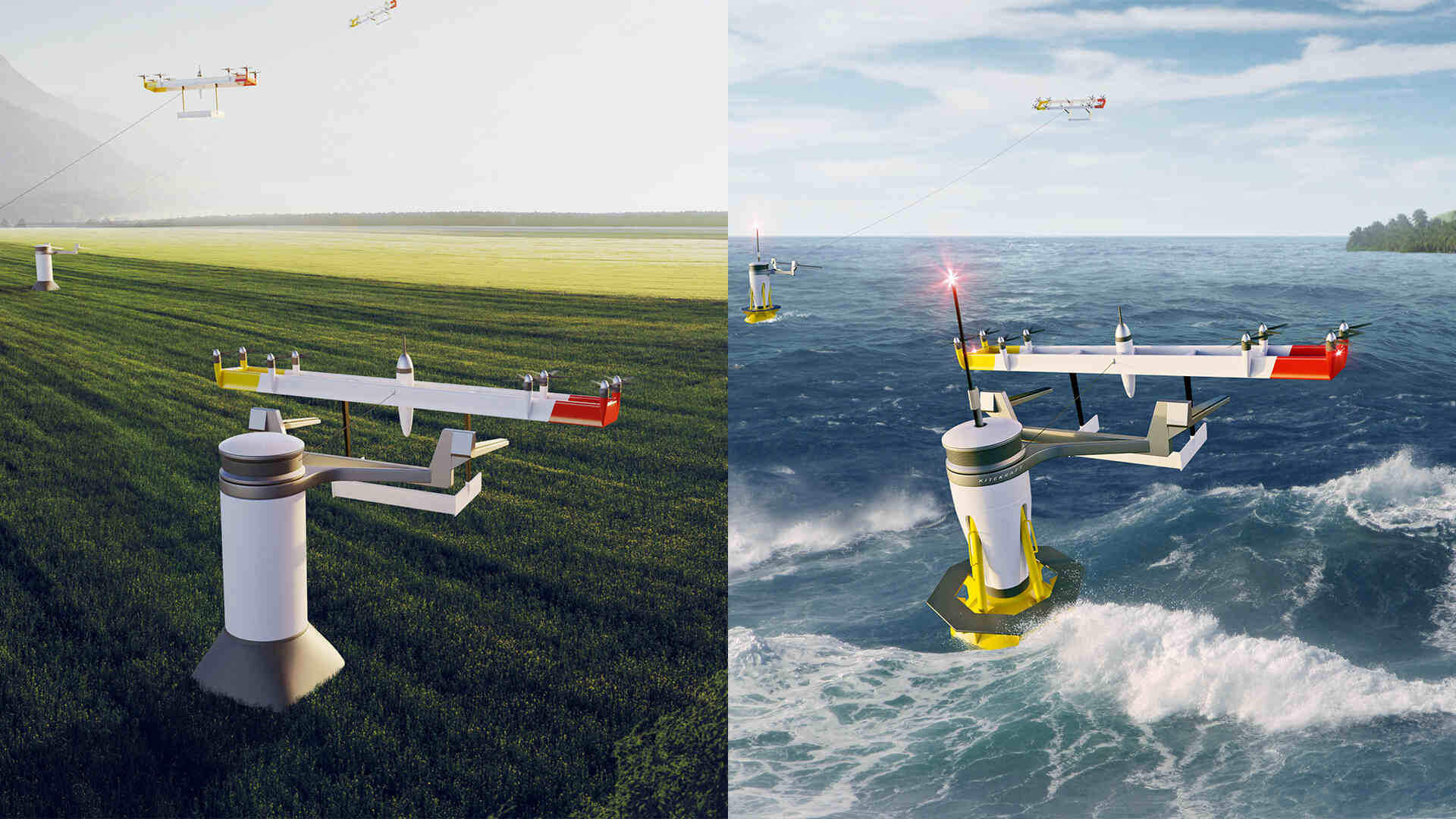
The Advancement Of Renewable Energies Has Led To Surprising Innovations. A Startup Developed A Prototype Of A Flying Wind Turbine, Which Promises To Reduce Costs And Increase The Efficiency Of Sustainable Electricity Generation, Making It More Accessible In Various Regions.
Have you ever imagined a flying wind turbine? This new technology is being tested and is very promising. With the increasing demand for energy and concerns from governments and companies about CO2 emissions, alternatives for increasingly cheaper energy generation are being developed.
One of these alternatives is wind energy generation, a clean and renewable energy source with enormous potential for the future.
Wind energy generation is still expensive compared to solar energy. Aiming to solve the problem, the German company Kitekraft is developing flying wind turbines.
-
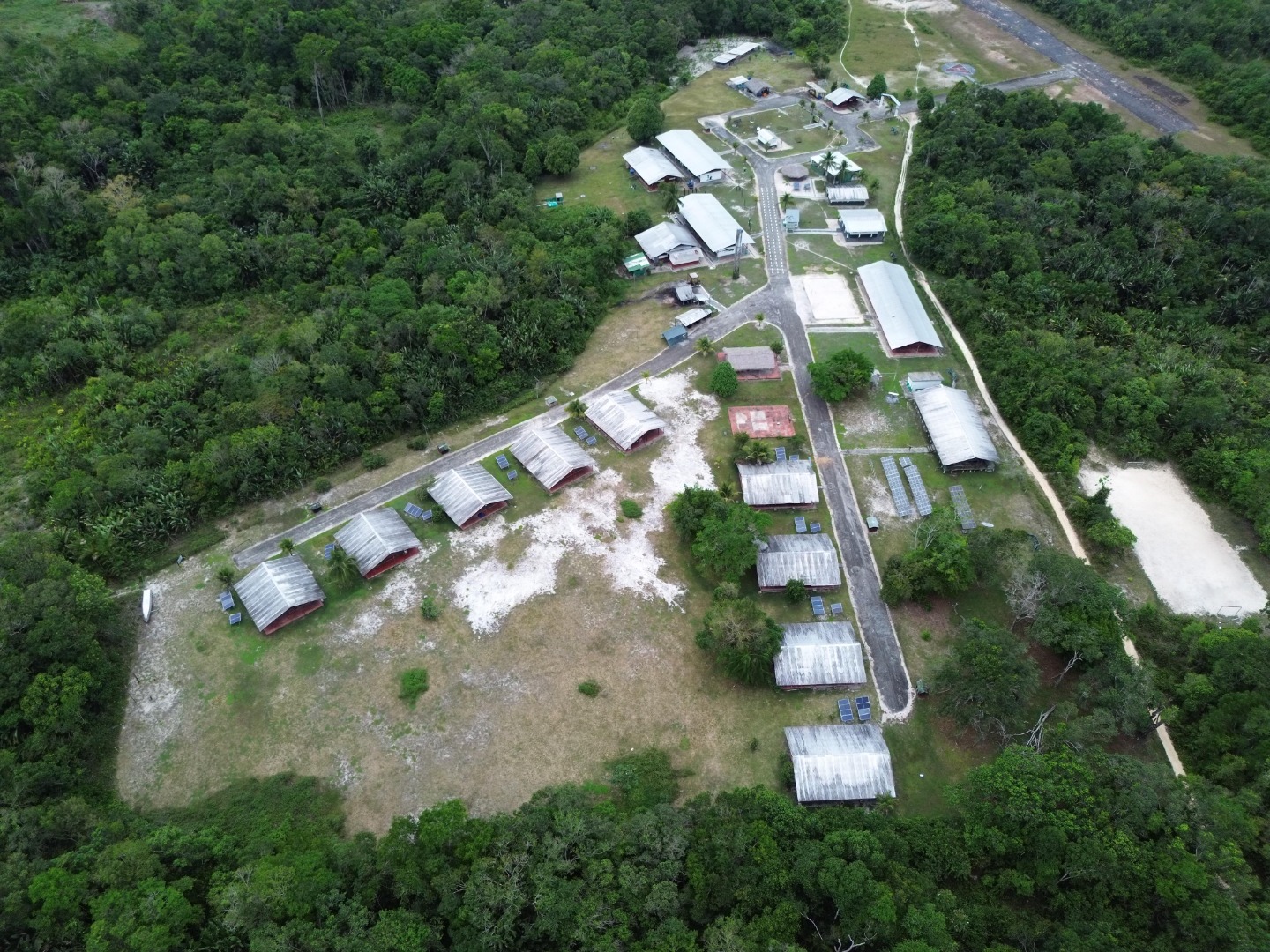
The Ministry of Defense installs a giant photovoltaic plant and ensures a stable supply of clean energy in Maturacá, in the Amazon.
-
Itaipu receives proposals in the renewable energy tender and reinforces the role of public universities in the energy transition with projects that can reduce costs, increase academic investments, and accelerate sustainable innovation in the country.
-
Claro operator reveals a silent change with hundreds of clean energy plants and shows how sustainability is impacting over 80% of its operations in Brazil.
-
Billion-dollar strategic alliance: Brazil and China join forces in infrastructure and technology projects to lead the creation of a global green corridor in the energy transition.

The startup emphasized that the prototype represents a significant milestone towards our first 100 kW product.
The key advantage of the flying wind turbine is that it requires up to 10 times less materials to be built. This way, the manufacturing cost reduces by approximately 50% on a megawatt scale. Additionally, the carbon footprint of its projects is lower than that of conventional plants.
“It all started during my school days when I read Al Gore’s book and saw his documentary ‘An Inconvenient Truth’. This sparked me and encouraged my decision to study renewable energies because I felt I could help solve the problem as an engineer,” said CEO Florian Bauer.
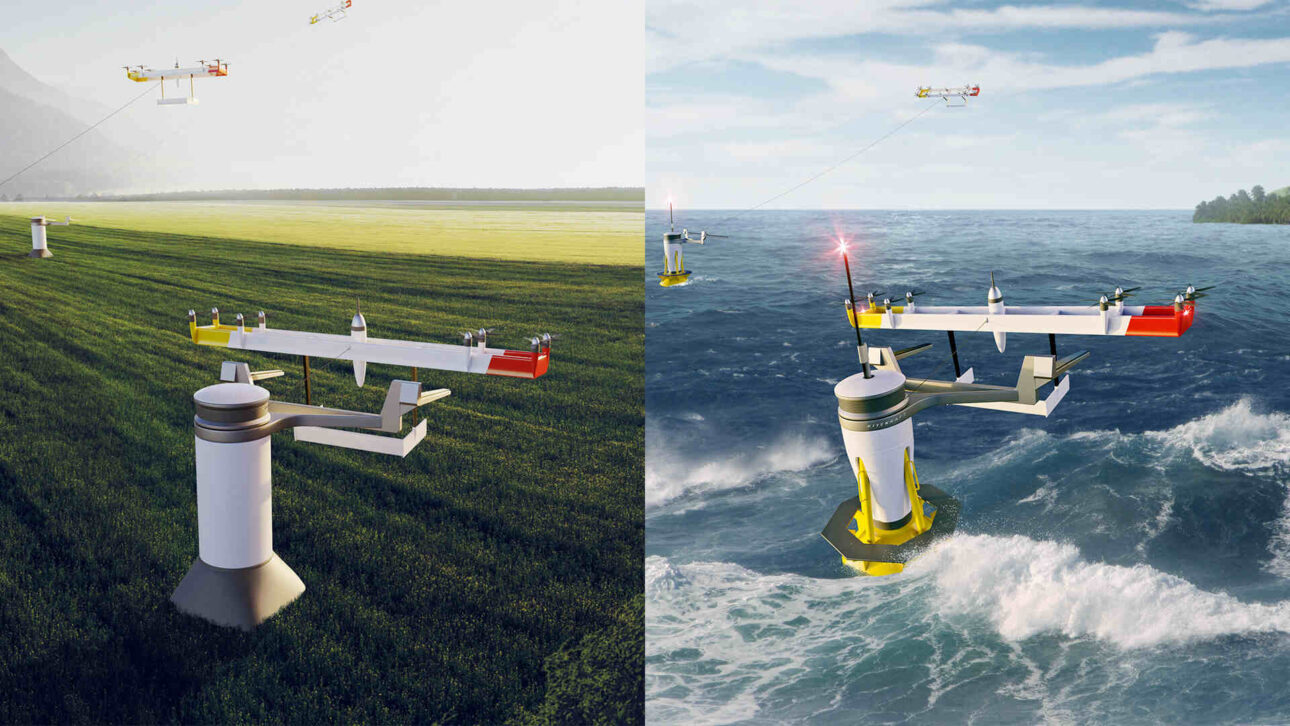
Source: Kitekraft
How It Works?
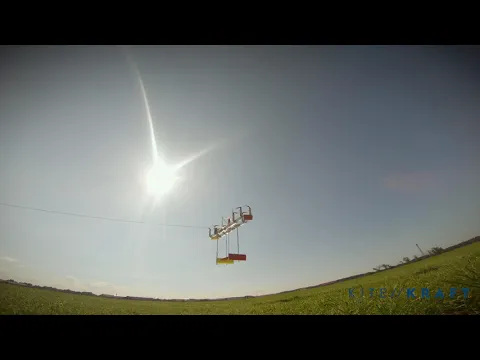
The company developed an autonomous aircraft that generates electricity through eight small rotors included. The electricity generated by the equipment is transferred to a ground station through a high voltage cable. Watch the video below of the prototype test.

Florian Bauer, the company’s CEO, emphasized that the prototype could also be adapted for use in offshore stations: “You only need a land station for the kite, like a floating buoy… There is no need for a foundation, like a huge tower that goes to the ocean floor.”
The prototype was tested last month, however, the company highlighted that it is working hard to find a balance and a final design for the product: “In the coming weeks, new hardware and software improvements, as well as flight tests, are scheduled to take place.”
In September 2021, Kitekraft conducted a successful test of its autonomous prototype, considered a significant milestone toward the development of a commercial 100 kW product.
The company plans to launch a 100 kW version with a wingspan of 10 meters by 2024 and subsequently scale up to a 500 kW version with a wingspan of 20 meters.










Seja o primeiro a reagir!