





 English
  Francês
  Alemão
  Italiano
  Japonês
  Norueguês
  Portuguese
  Spanish
  3 min of reading


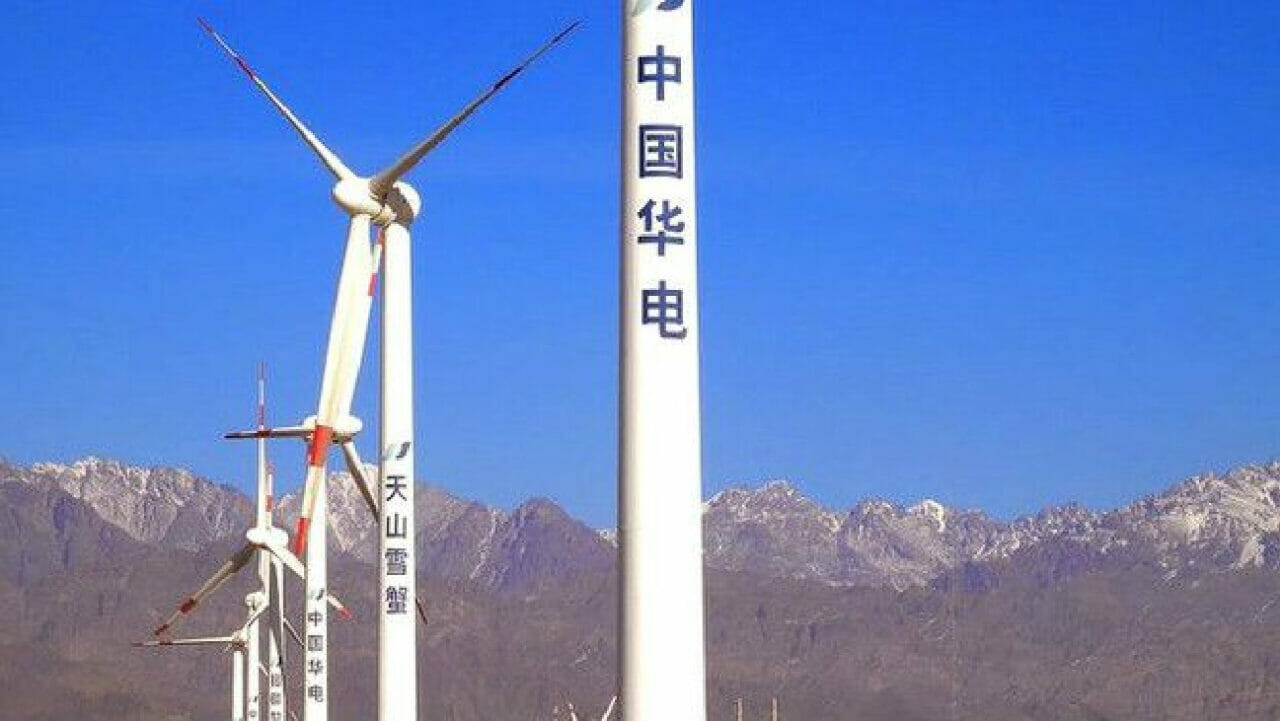
The Promising Innovation for the Wind Energy Industry Is a Change in the Structure of Turbines for Sustainable Energy Generation from Wind
Rare earths (REs), a group of 17 precious minerals, are becoming increasingly essential for modern technology and the energy transition. From cell phones and superconductors to wind turbines and electric cars, these minerals play a vital role in the manufacturing of high-tech products. However, the mining and extraction of REs are challenging and often harmful to the environment, according to Neofeed.
By 2040, global demand for REs is expected to increase sixfold, according to a study by Harvard University. These minerals are relatively abundant, but they are usually dispersed in low concentrations, making mining complex and expensive. Additionally, the extraction of REs is notorious for producing large amounts of toxic waste, which contradicts sustainability goals.
GreenSpur: A Sustainable Alternative
The British startup GreenSpur may have found a solution to reduce dependence on REs in the wind turbine industry. Founded in 2014, the company developed wind turbines that do not require rare minerals to operate.
-
A study reveals the expansion of renewable energy procurement in Brazil and shows how companies are taking advantage of opportunities to reduce expenses, ensure energy efficiency, and strengthen strategic environmental commitments.

-
Mato Grosso do Sul excels in the sugar-energy sector: the state reaches a milestone of 22 operating mills and accelerates the production of clean energy in MS with a focus on sustainability.

-
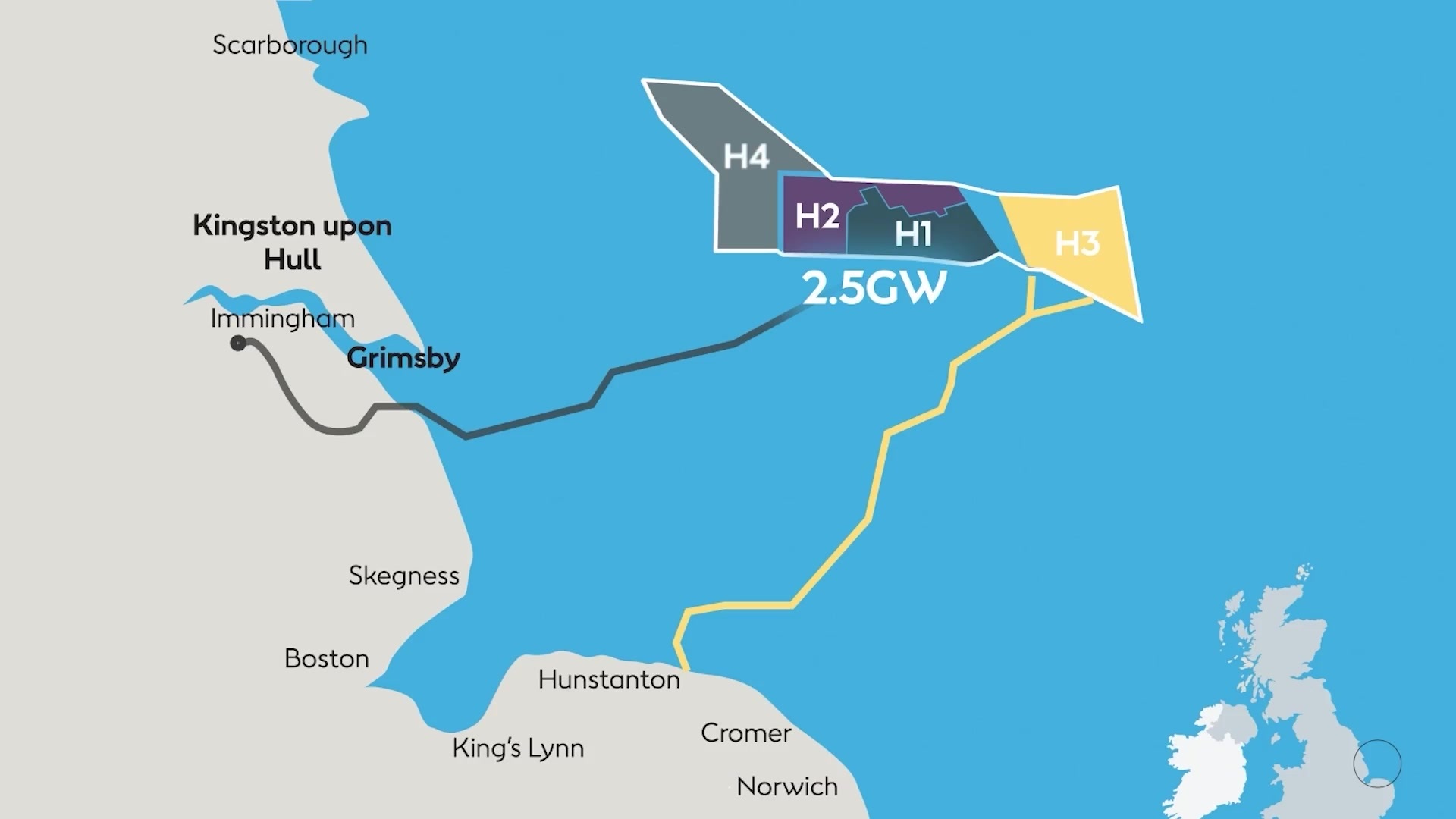
231 turbines of 260 meters at 160 km from the coast, monopiles weighing as much as nine blue whales embedded in the North Sea, and a crane ship taller than the Eiffel Tower: Hornsea 3 will be the largest offshore wind farm on the planet by 2027, and its first components have already arrived in England.
-
National energy dilemma: Brazilians support clean energy but reject increases in tariff costs to finance the sustainable transition.
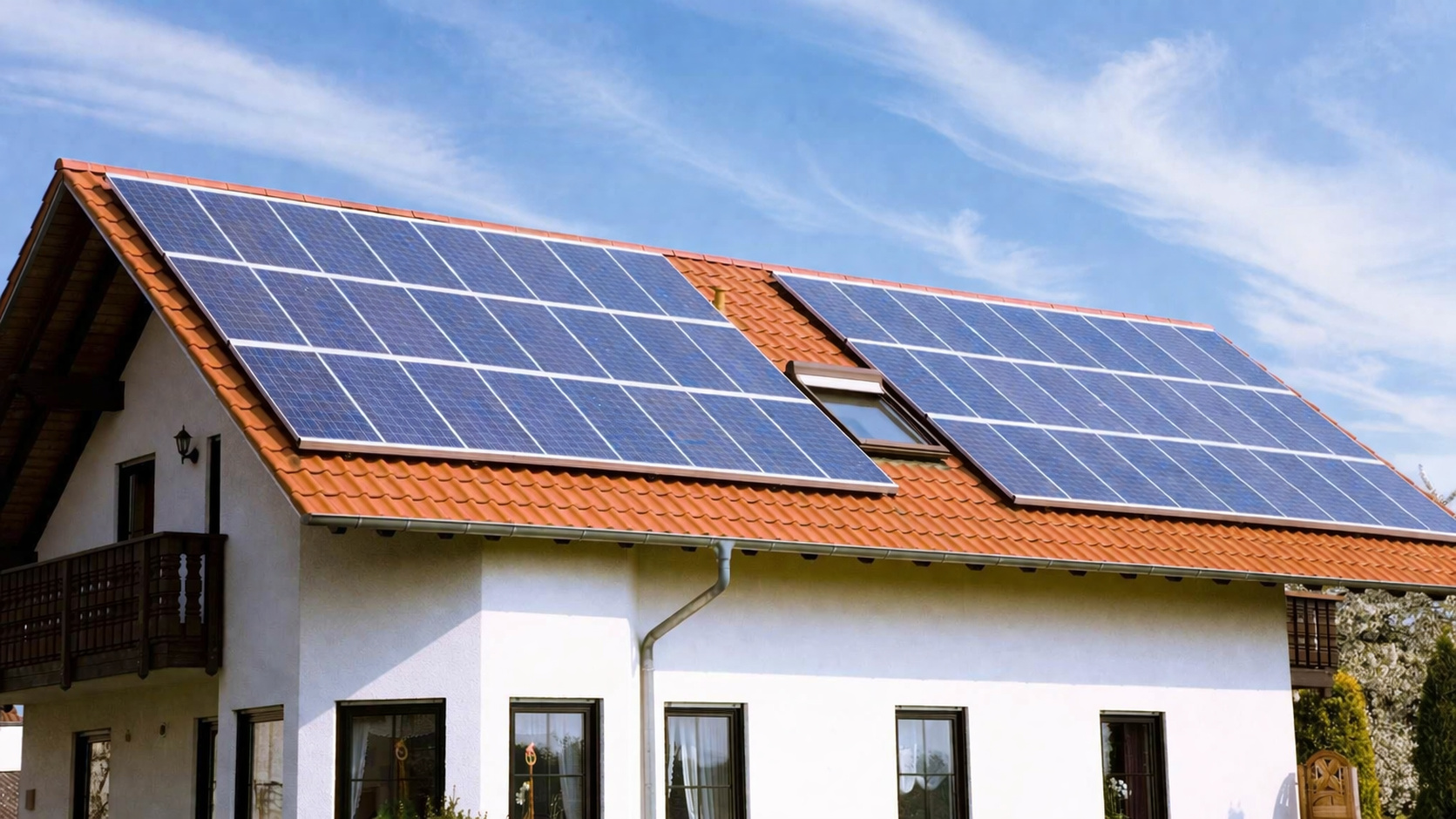

GreenSpur modified the design of the power generator in wind turbines, replacing rare minerals with more common and easily extracted materials. The conventional design of power-generating turbines uses moving RE magnets around static copper wire coils to generate power. GreenSpur adopted an “axial architecture” in which the coils are stacked over the magnets, allowing the use of less potent materials, such as ferrite, a natural iron derivative, instead of REs. The copper in the coils was also replaced with aluminum.
Promising Benefits
This innovative approach to energy generation not only reduces dependence on REs but also has the potential to make wind turbines lighter. A 15-megawatt generator developed by GreenSpur resulted in a 56% weight reduction compared to traditional designs, without compromising efficiency.
While GreenSpur’s technology has shown promise in early tests, it will still take time to become applicable on a large scale. However, the global excitement surrounding this discovery is justified, not only for the potential of a more sustainable future but also for the economic benefits.
Growing Demand for REs
The global demand for REs continues to grow, with China leading production, holding about 44 million tons in reserves. Brazil ranks second, with half of that total. The rising demand is driving an increase in applications for RE mining research in Brazil, which have grown 70% in two years.
The global RE market is projected to reach US$ 5.5 billion in the next five years, with a compound annual growth rate of 10% between 2021 and 2028. This reflects the increase in the production of electric vehicles and wind farms, which require significant amounts of these minerals.
GreenSpur’s innovation is an important step in the search for sustainable alternatives to rare minerals. As the demand for high-tech and renewable energy technology continues to grow, solutions like this can play a vital role in protecting the environment and promoting the global economy.








Seja o primeiro a reagir!