





 Portuguese
  English
  Spanish
  3 min of reading
  0 comments


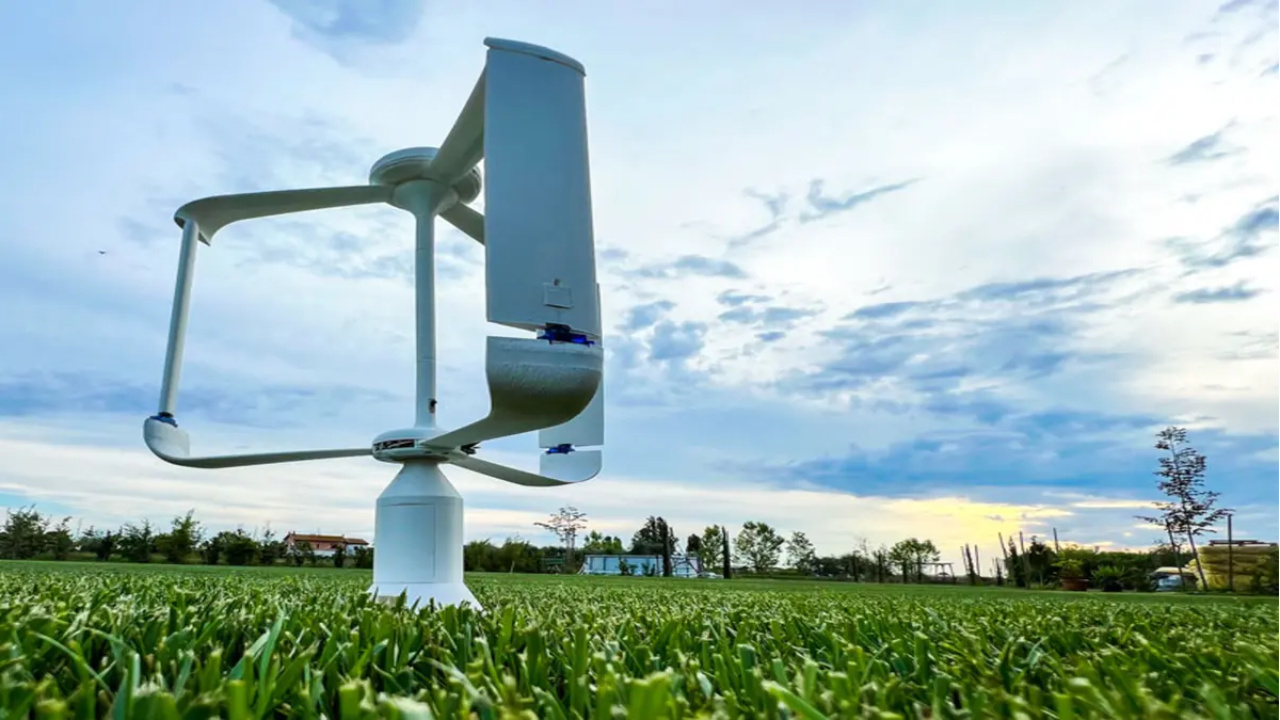
Italian Startup Launches Smart Wind Turbines Capable of Generating More Energy in Cities, with Low Noise and Without Large Structures.
The Italian startup GEVI Wind, founded in 2022, is attracting attention from the global wind energy market by presenting a model of smart vertical turbine that combines technology, efficiency, and sustainability. With a compact design and silent operation, the equipment promises to increase electricity generation by up to 60% compared to conventional systems, without the need for large towers or robust structures.
More than a technical innovation, the proposal seeks to bring wind energy to urban environments, making it accessible for homes, small industries, and local communities. The initiative reflects the trend of decentralizing electricity generation, which has been growing across Europe and inspires new models of energy autonomy.
Smart Turbines: Efficiency, Durability, and Low Acoustic Impact
At the heart of the innovation is a control algorithm based on artificial intelligence, responsible for automatically adjusting the turbine blades thousands of times per minute. The system analyzes factors such as direction, wind speed, turbulence, and aerodynamic behavior, adapting in real-time to ensure maximum utilization of the available energy.
-
Giant of the winds in Rio Grande do Norte: Serra do Tigre Wind Complex receives new investments and accelerates the expansion of clean energy generation to supply millions of Brazilian homes.
-
Urgent energy transition: Greenpeace advocates for massive investments and points to Brazil as a global leader in wind energy production in the coming years.
-
Conflict in the Sertão: Rural communities in Rio Grande do Norte report issues with wind farms and the new challenges of clean energy in the semi-arid region.
-
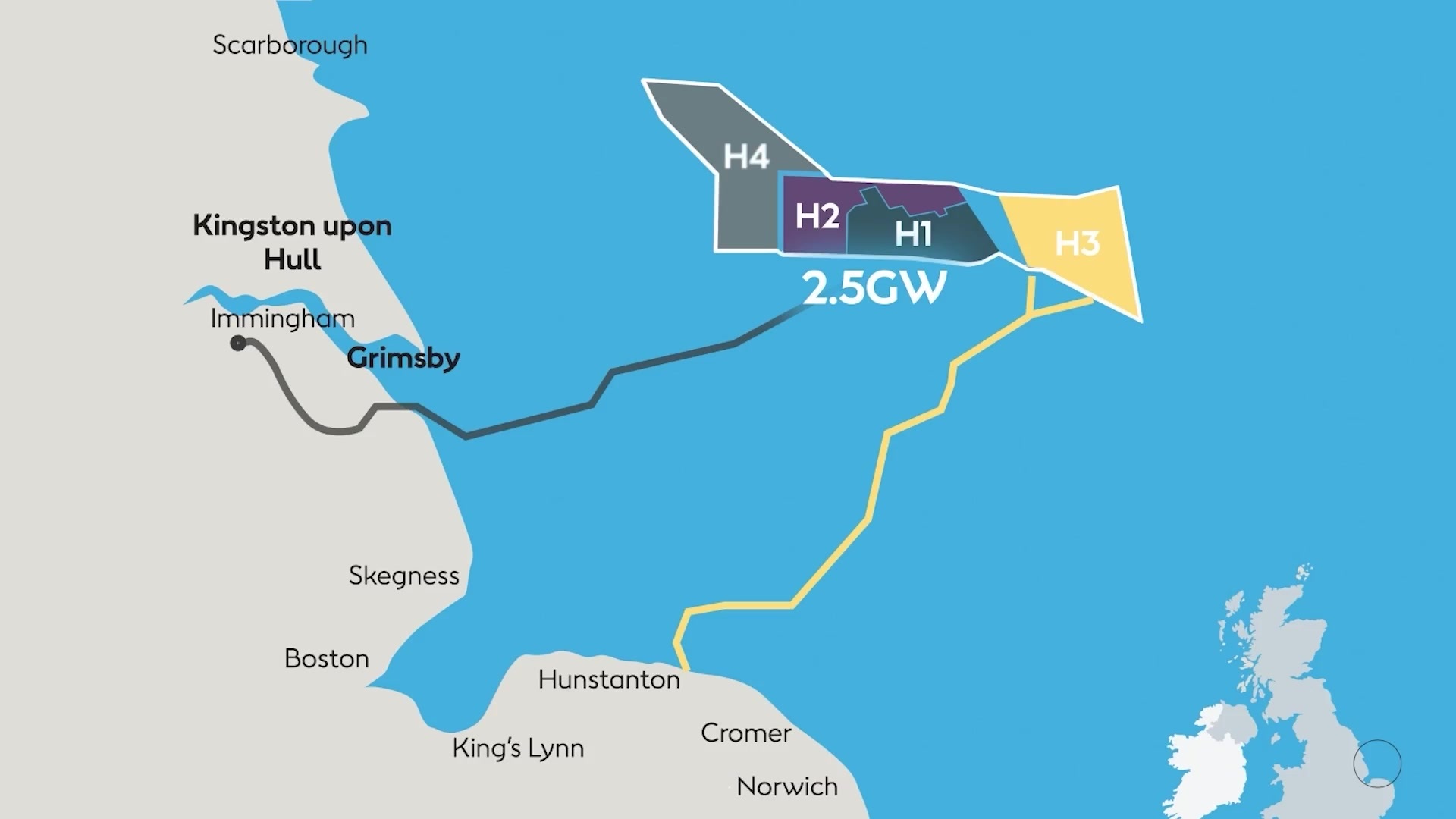
231 turbines of 260 meters at 160 km from the coast, monopiles weighing as much as nine blue whales embedded in the North Sea, and a crane ship taller than the Eiffel Tower: Hornsea 3 will be the largest offshore wind farm on the planet by 2027, and its first components have already arrived in England.

This self-regulating capability offers impressive results:
- Optimized utilization of each gust of wind;
- 80% reduction in mechanical stress, increasing the equipment’s lifespan;
- Minimal maintenance and stable performance over time.
Another differentiator is the noise level below 38 decibels, equivalent to a whisper. This makes the turbines ideal for urban and residential environments, where noise is a limiting factor for the expansion of wind energy.
Urban Design and Distributed Production: Clean Energy Close to Consumption
With 3 meters in height and a rotor diameter of 5.4 meters, GEVI Wind’s turbines are designed to operate on rooftops of houses, small industrial areas, or isolated rural zones. Their generation capacity ranges between 3 and 5 kilowatts, sufficient to meet the needs of a household up to small communities or micro-industries.
The proposal follows the concept of distributed generation, a model that seeks to produce energy close to the point of consumption, reducing transmission losses and strengthening local energy resilience. This decentralization allows for greater autonomy in situations of electrical crises or demand spikes.
Moreover, the modern and compact design of the turbines ensures aesthetic integration with the urban environment, avoiding the visual impact of large wind towers and contributing to a more harmonious and sustainable landscape.
Investment and Vision for the Future: Democratizing Wind Energy
GEVI Wind has already raised €2.9 million in investments, with support from funds like 360 Capital, CDP Venture Capital, and the MiSE Acceleration Fund. The financing will allow for production advancement and expansion into other European countries.
The startup’s goal goes beyond technological innovation: it is to democratize access to renewable energy, offering modular, scalable, and intelligent solutions. The business model envisions a future where each building can generate its own wind energy, contributing to electrical self-sufficiency and reducing dependence on large utilities.
Urban Wind Energy: Global Trend and Local Benefits
GEVI Wind’s proposal follows a trend already observed in countries like Denmark and Spain. In the former, citizen cooperatives operate community microturbines, while Spanish regions such as Navarra and Galicia test pilot projects with compact turbines integrated into local energy communities.
These models prove that urban wind energy can bring concrete benefits, such as:
- Reduction of carbon emissions by replacing fossil sources;
- Social empowerment with local energy generation;
- Creation of green jobs in installation and maintenance;
- Strengthening community resilience in energy crises.
Real Solutions for the Global Energy Transition
In a context of climate crisis and pursuit of energy independence, GEVI Wind’s smart turbines represent a practical and scalable solution. More than a technological advancement, the innovation marks a structural shift: wind energy is no longer exclusive to large parks and starts to become part of urban life.
With efficiency, silence, and intelligent design, the future of urban wind energy has already begun — and promises to transform how cities produce and consume energy.






Seja o primeiro a reagir!