





 Português
  Inglês
  Espanhol
  3 min de leitura
  25 comentários


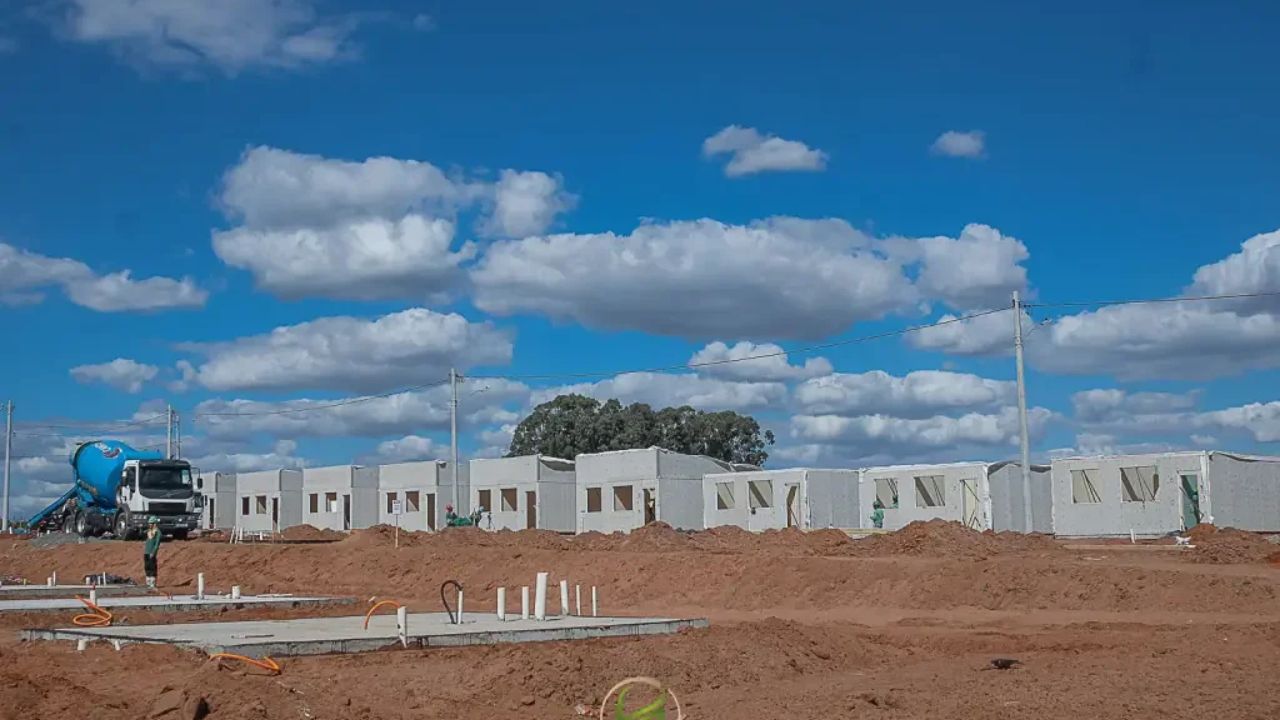


With Innovative Technologies, Hauss Brasil Delivers Complete Homes in Record Time, Reducing 95% of Water Consumption and Eliminating Waste, While Having Already Won Six Tenders from Minha Casa, Minha Vida and Planning to Manufacture Up to 4,000 Homes Per Year.
Your house ready in just 48 hours. A reality made possible by the Minas Gerais startup Hauss Brasil. In a scenario where the housing deficit in Brazil reaches 6 million households, this innovative company is showing that construction can be fast, sustainable, and efficient. Founded in 2024, Hauss has already generated an impressive R$ 120 million in its first year of operation.
But how did it achieve this feat? The secret lies in the combination of cutting-edge technology and a business model focused on meeting specific housing demands.
How Hauss Brasil Came to Be
Hauss was born from the joint effort of four entrepreneurs: Junior Bergamin, Paulo Curió, Jonatas Resende, and Gilberto Bergamin. With experiences in engineering, law, and public management, they created a govtech, and not a conventional construction company, to tackle one of the country’s biggest challenges: the lack of affordable and quality housing.
-
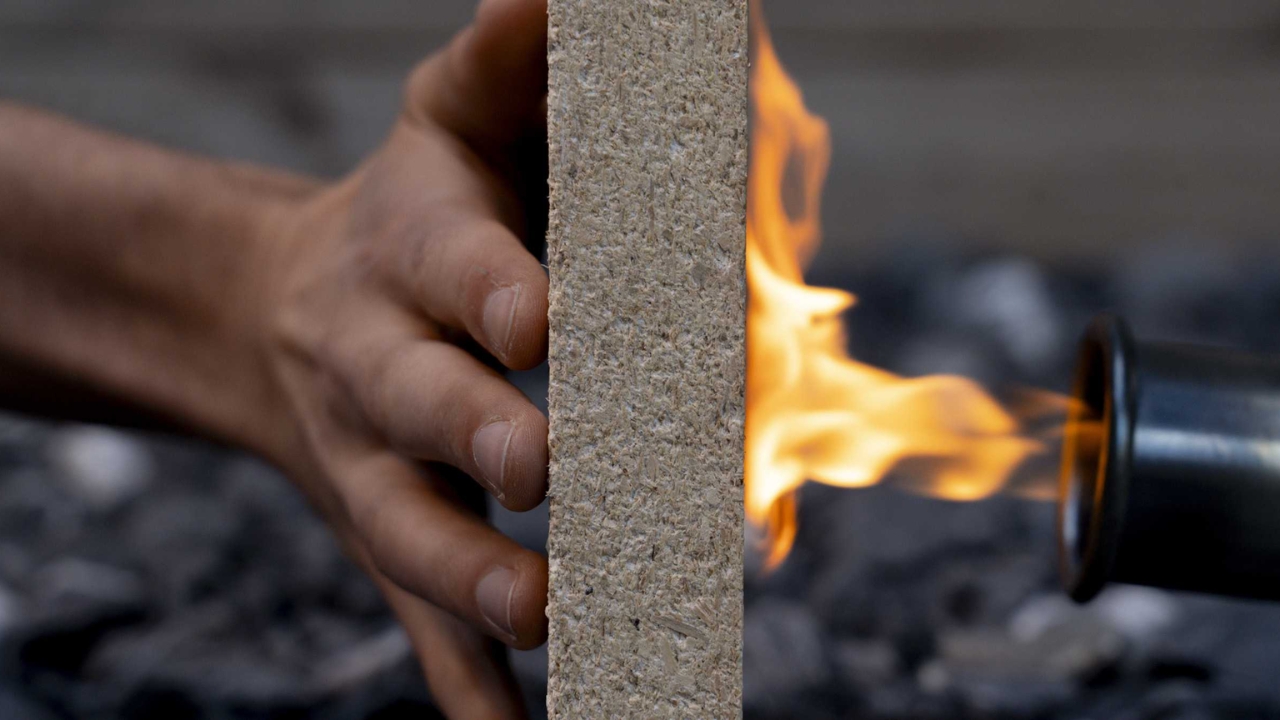
Scientists transform sawdust into fire-resistant panels, stabilize the compound with an enzyme extracted from watermelon seeds, and turn waste into promising material for construction.
-
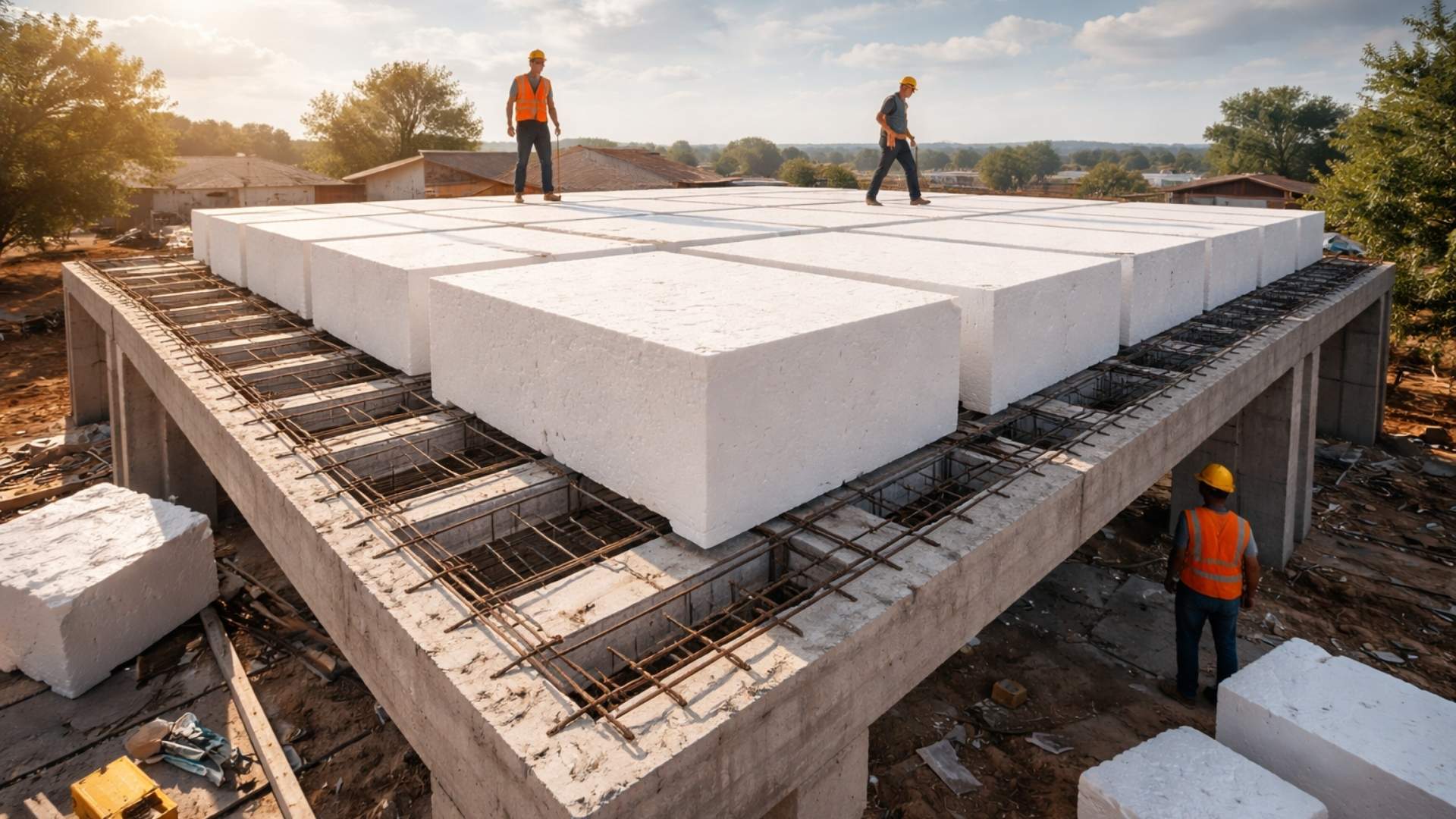
Forget concrete: architects are replacing tons of concrete with giant blocks of expanded polystyrene to build the roofs of houses and reduce structural weight by up to 50%, cut costs, improve thermal insulation, and speed up construction.
-
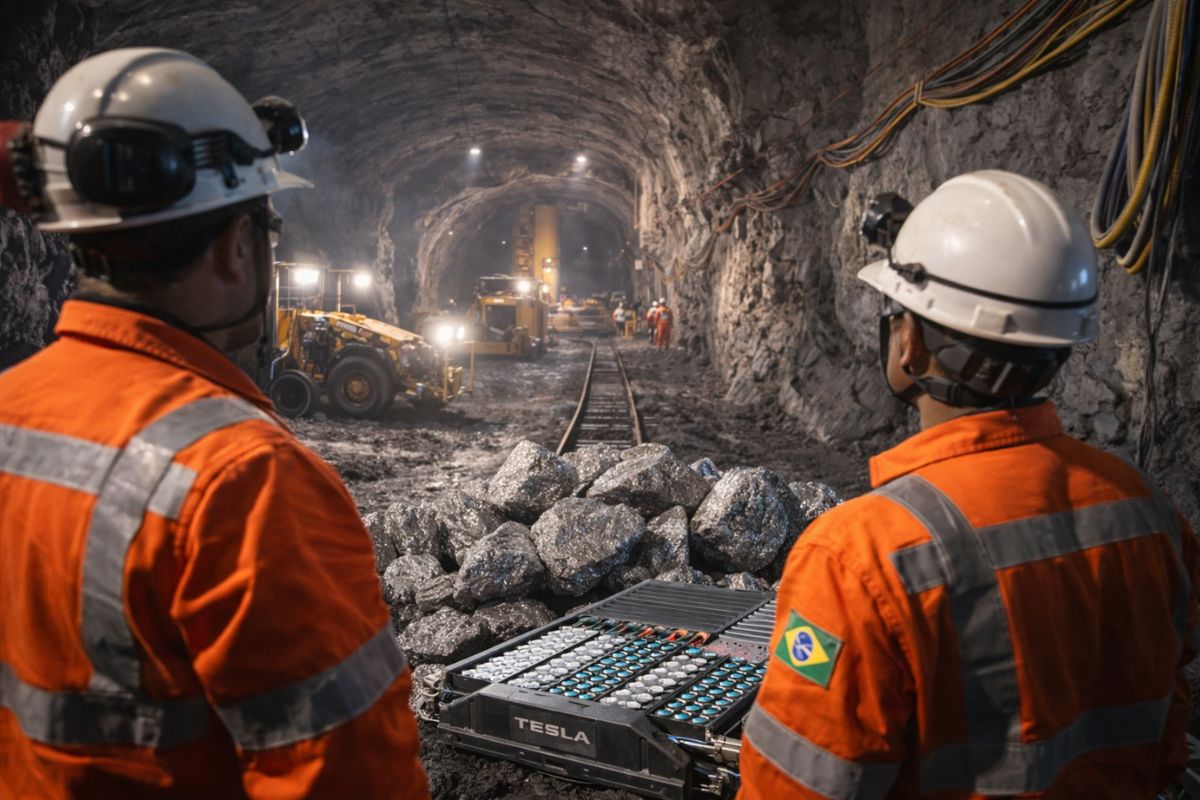
The Brazilian state enters the center of the global race for critical minerals by starting the construction of the largest underground nickel mine in Latin America, a mineral essential for electric car batteries that the entire world is competing for at this moment.
-
New CCR concrete paving technology promises roads up to 3x more durable, less maintenance, and cost reduction in Brazil.


Right from the start, Hauss won six tenders from the Minha Casa, Minha Vida program, focusing on small towns and families with incomes starting at a minimum wage. The first housing complex, in Itamogi (MG), composed of 150 homes, was a landmark, showing that it’s possible to transform housing construction in Brazil.
How Hauss Transforms Construction in Brazil
With methods such as Light Steel Frame and Light Wood Frame, the homes are prefabricated in Curitiba and assembled on-site in just two days. This impressive speed is only possible thanks to highly precise processes, similar to those of an automotive assembly line.
In addition to speed, sustainability is a major highlight. Hauss homes consume 95% less water and produce almost no waste, drastically reducing environmental impacts compared to traditional constructions.
Benefits for Small Towns and Low-Income Families
The startup serves regions where large construction companies do not operate due to a lack of scale, bringing dignified housing to forgotten communities. Thus, Hauss not only constructs homes but also creates opportunities and improves quality of life.
Thanks to advanced insulation, the homes maintain a comfortable temperature of 22°C, even in extreme climates. The acoustic insulation is twice as high as Brazilian standards, providing extra comfort to residents.
Challenges and Future of Industrialized Construction in Brazil
Although the techniques used are fast and sustainable, they still face cultural resistance. Many Brazilians associate traditional construction, with concrete and mortar, with quality. This paradigm is slowly changing, but the process remains challenging.
After being acquired by the logistics group Expresso Nepomuceno, Hauss plans to expand its operations to São Paulo and open a new factory in the Southeast. With the capacity to produce 4,000 homes per year, the startup is focused on growing sustainably and responsibly.








Der ser um lixo na qualidade, fora o carioca o mineiro é um malandro de mão cheia
Boa tarde. Matéria bastante incompleta. Como está sendo o feedback dos proprietários? Qual o custo? Tamanhos são diferenciados? É vendida para particular? Atende quais regiões ?
Muito legal. Faltou a planta das casas e custos.