





 Portuguese
  English
  Spanish
  3 min of reading


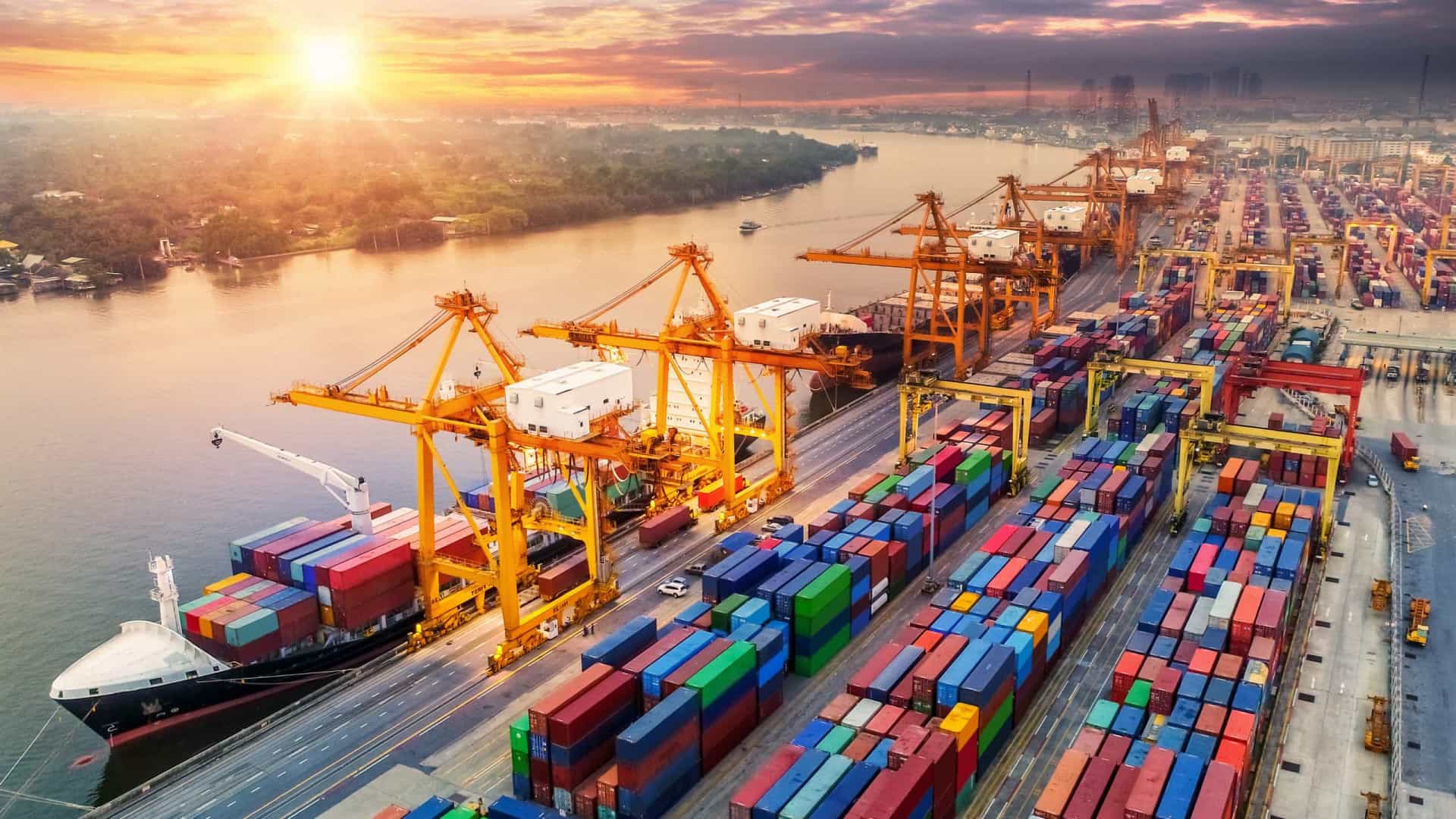
The Charging Relationship of the SSE Fee between Wet and Dry Ports in Brazil Will Now Be Analyzed by the STF, Which Will Judge an Appeal Filed by Abratec Against the Decision of the TCU to Suspend the Charge, and It May Result in Major Impacts on the Sector.
For this Tuesday, (08/02), an appeal from the Brazilian Association of Container Terminals (Abratec) against the decision of the Federal Court of Accounts (TCU) to suspend the charging of the Segregation and Delivery Service (SSE) fee is under consideration at the Federal Supreme Court (STF). This service is a type of toll previously charged by wet ports to dry ports in the process of cargo handling, but it is prohibited from being charged until the STF judges the case.
Abratec Files Appeal Against the TCU for the Resumption of the SSE Fee Charging in Cargo Handling Operations Between Brazilian Ports
The national port sector is quite unstable regarding charges in the logistics of cargo handling, since Abratec filed an appeal with the STF against the TCU, which suspended the charging of the SSE fee, charged by wet ports to dry ports as part of the goods transportation process. Now, the STF will have to rule on the appeal and make new decisions that will change the course of operations between national port complexes.
The process at the STF was opened by Minister Dias Toffoli, citing urgency, and is expected to be judged by the Supreme Court later this month, thus ensuring both Abratec and the TCU a conclusion regarding the controversy surrounding the SSE fee in national ports.
-
Natville puts R$ 700 million on the table for new factories in the Northeast, generating jobs and boosting the local economy.
-
With 74% of companies facing difficulties in hiring, technicians and engineers in renewable energy are becoming scarce in Brazil and are essential to support the expansion of solar, wind, and green hydrogen projects.

-
Europe is trying to create an ammonia-powered marine engine without auxiliary fuel, which could unlock the race for giant emission-free ships. The technology aims to eliminate one of the biggest obstacles to clean maritime propulsion.
-
A 4,500-ton frigate with just over 100 crew members, state-of-the-art radar, and cruise missiles is being touted as the new standard of naval warfare in the 21st century.
The main argument from the rapporteur and Abratec is that the TCU did not consult companies and national port terminals about the impacts of suspending this charge on the functioning of operations.
This fee has been charged for over 20 years by companies based on authorization from the National Agency for Waterway Transportation (Antaq), but it was suspended last week by the agency after the TCU’s decision to suspend the charge.
However, Abratec emphasizes the negative impacts of the decision and claims that the loss from the prohibition could reach R$ 1 billion by 2025. In addition, up until the end of 2022, the estimated loss is R$ 98.4 million, and for 2023, Abratec forecasts a total impact of R$ 284.5 million.
Controversy over the SSE Fee Charging in National Port Complexes Has Persisted for 20 Years, and the Judgment of Abratec’s Appeal Against the TCU Should Conclude the Case
In addition to the issue of loss of monetary revenue and financial damage to national port complexes, Abratec also states that the decision to maintain the suspension of the SSE fee charging will influence infrastructure issues in national ports, which will not be able to apply the necessary investments for operational improvements due to financial losses.
This issue of the SSE fee charging has been ongoing since its establishment 20 years ago and has been causing conflicts between wet and dry ports in the country. Additionally, the charge is contested by the Union of Companies Operating Retroport Terminal in Itajaí and Surrounding Areas (Sinter) against the terminals of APM Terminals and Portonave, and the president of the union, Anderson Peres Ribeiro, stated that he will not comment on the action at the STF.
Now, Brazilian ports are awaiting the STF’s deliberation regarding the appeal filed by Abratec against the TCU and hope for a conclusion favorable to investments and monetary revenue in the complexes, thus avoiding future financial and structural losses.






Seja o primeiro a reagir!