





 Portuguese
  English
  Spanish
  4 min of reading
  0 comments



STJ Decision Reinforces That The Poor Condition Of The Vehicle, By Itself, Does Not Constitute Grounded Suspicion And Delimitates The Legal Limits Of Police Action In Personal Stops.
The STJ decided that driving a dented or poorly maintained car is not sufficient reason to justify a police stop. The 5th Chamber of the court granted a Habeas Corpus to dismiss a criminal case for illegal possession of a firearm, understanding that police action must be based on grounded objective reasons, not subjective impressions.
According to the Conjur portal, in the case analyzed, the driver was stopped merely because the car had a dented door. Even after discovering a weapon and fake documents, the ministers considered that the circumstances of the stop were illegal, as the suspicion must precede the flagrant not be created by him.
What The STJ Decided And Why It Matters
According to the rapporteur, Minister Ribeiro Dantas, there was no suspicious behavior or concrete indication of crime that justified a personal search.
-
Banco do Brasil sues famous influencer for million-dollar debt and intensifies debate on delinquency, risks of seizure, and direct impact on Gkay’s credibility.

-
The Senate approves a bill that criminalizes misogyny, hatred, or aversion towards women, and includes the crime in the Racism Law with a penalty of up to 5 years.

-
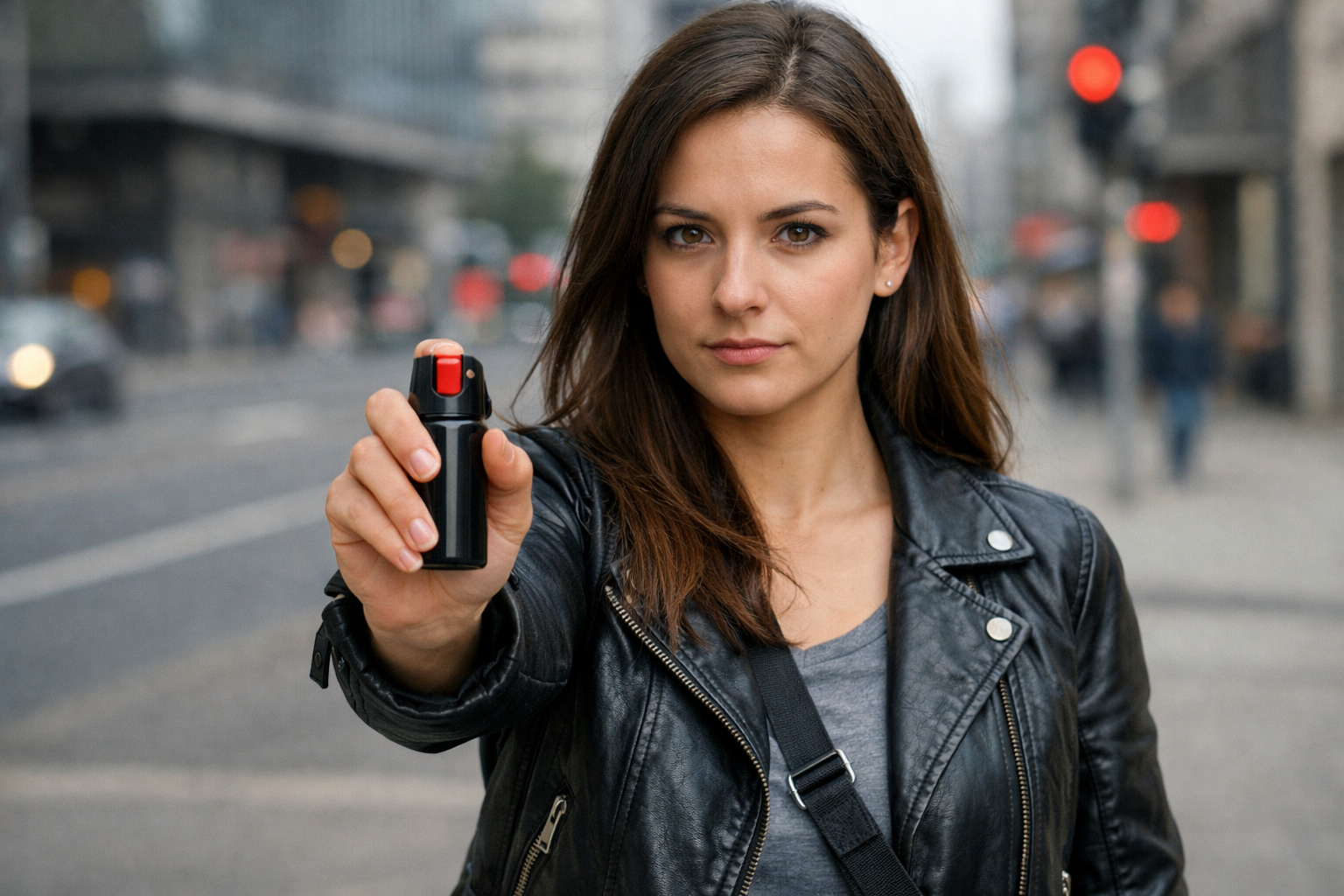
Chamber Approves Bill That Allows Pepper Spray for Women Over 16 and Imposes Strict Rules for Purchase, Possession, and Use as Self-Defense
-
Chamber Approves Law to Combat Leucaena, Fast-Growing Plant That Dominates Land and Threatens Native Species in Various Regions of the Country


The judge classified the situation as a “exploratory stop”, that is, an action without prior basis in objective facts.
The decision reaffirms the jurisprudence that the mere appearance of the vehicle or the driver does not constitute grounded suspicion.
For the STJ, the duty of justification is essential in any invasive action of the State against the citizen.
“It is not enough to have police intuition; there must be a verifiable reason prior to the act,” emphasized the minister.
Limits Of Police Action And The Importance Of Grounded Reasons
The Constitution and the Code of Criminal Procedure stipulate that personal and vehicular searches can only occur in the presence of concrete indications of crime.
This rule has been reiterated in various judgments of the STJ, which seeks to balance individual freedom with public safety.
In practice, this means that stops based solely on appearance, location, or generic behavior are illegal.
The court recognizes, however, that there are situations where the context allows action, such as flight, evident nervousness, or flagrant preparation of a crime.
Still, each case must be analyzed with probative rigor to avoid abuses and discrimination.
The Construction Of Jurisprudence On Personal Stops
In recent years, the STJ has been consolidating a technical understanding of what constitutes grounded suspicion.
Anonymous tip-offs, police intuitions, or mere coincidences such as two people on a motorcycle or wearing a helmet in an unusual location are not enough to justify a search.
On the other hand, visible bodily reactions, attempts to flee, or disproportionate nervousness in the presence of police can, in certain cases, sustain the legality of the search.
This differentiation seeks to avoid selectivity and racial bias in stops, as well as strengthen the duty of motivation of security forces.
The Concrete Case: A Flagrant Without Legitimate Cause
The process originated in Pernambuco, where a driver was stopped merely because he was driving a car with a dented door.
During the inspection, the agents found a firearm and false documents.
The defense argued that the stop was arbitrary, as there was no indication of crime before the police action.
The local Court of Justice had considered that the discovery of the flagrant justified the stop, but the STJ reversed this understanding.
For the ministers, the “grounded reasons” must exist before the action. If suspicion arises after the search, the act is illegal and its evidence is void.
Effects Of The Decision And Its Reflections On Police Practice
With the precedent, the STJ reinforces the message that the legality of stops must be assessed by the initial motivation, not by the outcome found.
The prevention of abuses depends on the ability of the police officer to justify each action based on observable facts.
This interpretive line may impact police procedures throughout the country, requiring ongoing training, standardization of protocols, and detailed recording of the reasons for the stop.
The decision also strengthens judicial control over practices that may violate the dignity and privacy of citizens.
Do you agree with the position of the STJ that the appearance of the vehicle should not justify stops? Does this decision strengthen individual rights or limit police work? Share your opinion in the comments your viewpoint helps to understand the balance between security and freedom in Brazil.










-

-

-

3 pessoas reagiram a isso.