





 Portuguese
  English
  Spanish
  5 min of reading
  0 comments


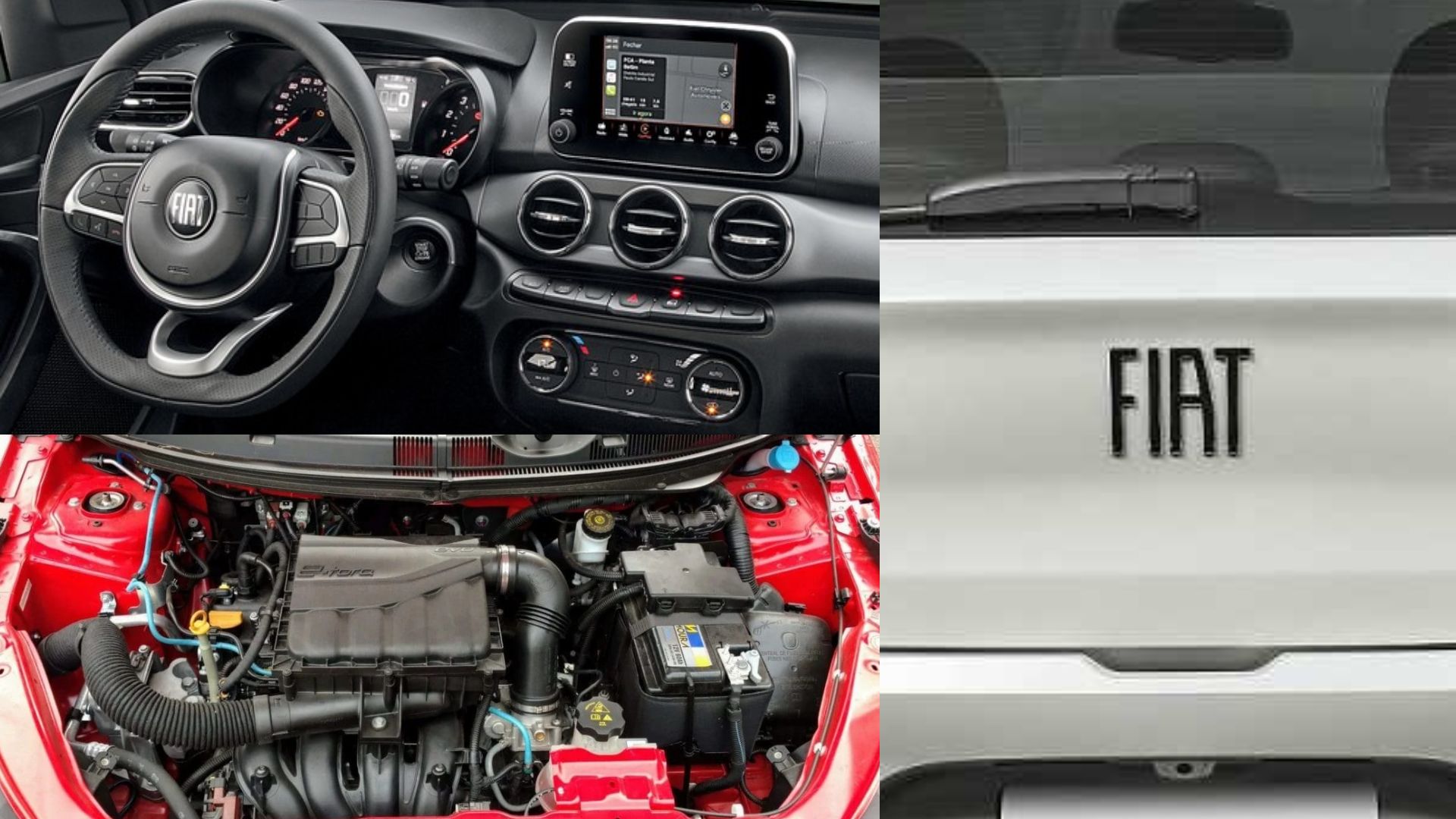
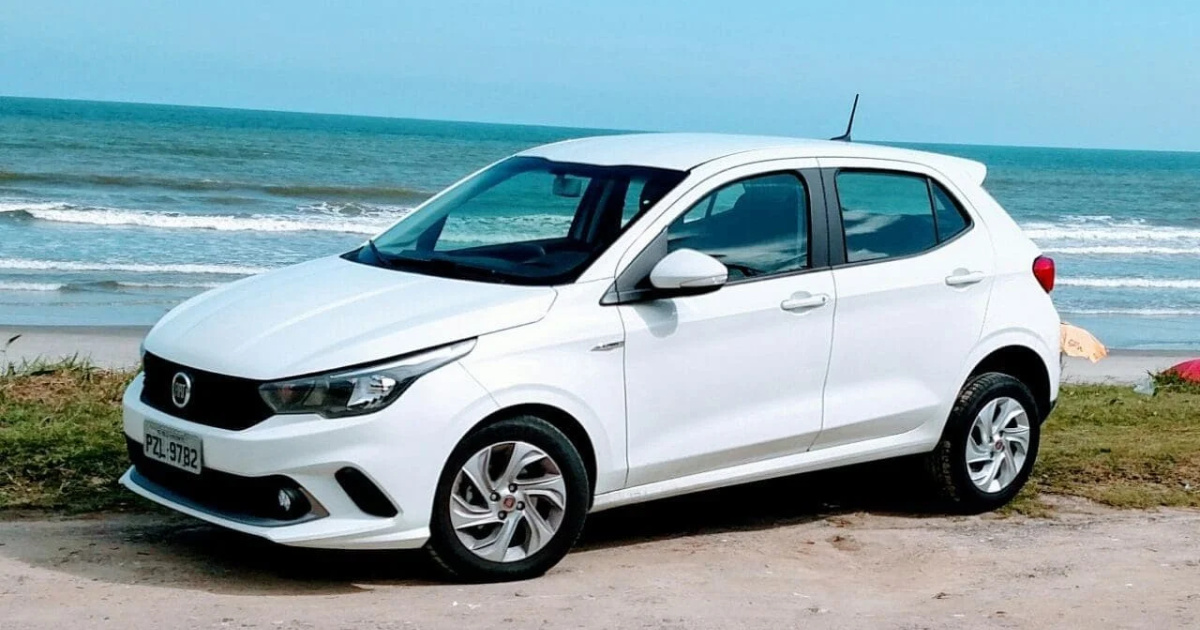
Launched in 2017, the Fiat Argo took the place of three models of the brand, gained different engines and transmissions, conquered versions with popular and adventurous appeal and surpassed the mark of 600 thousand units sold in Brazil.
The Fiat Argo was launched at the end of May 2017 with the task of occupying, at once, the spaces left by Palio, Punto, and Bravo.
Developed on the MP1 platform, the hatch debuted with Firefly 1.0 and 1.3 engines, in addition to the then-available E.TorQ 1.8.
Over eight years, the range evolved, lost and gained configurations, incorporated CVT, and consolidated market presence, surpassing 600 thousand units in the country.
-
With a price almost R$ 100 thousand lower, the Haval H9 surpasses the SW4 for the first time in March, but Toyota still leads in the accumulated total for 2026; the Chinese SUV bets on technology and premium finishing to compete at the top.
-
6 used cars that cost less than a new Honda CG 160 Titan and still provide trunk space, four seats, and comfort that many new motorcycles cannot offer.
-
Caoa Chery Tiggo 5X skyrockets in sales in Brazil: a 2,318% increase and waiting lists of up to 4 months to acquire the model.
-
Goodbye falls: Singaporean company Omoway begins production of a motorcycle that doesn’t fall and surprises the market by offering automatic balance technology that reduces accidents and transforms the urban riding experience.

Launched to Replace Palio, Punto, and Bravo
At the time of the presentation, the brand’s strategy was clear: a single hatch to serve distinct buying profiles.
The Argo entered as the entry point of the lineup, took on the role of “premium” compact, and in some packages, advanced in content to compete with previous generations of medium hatches.
Platform, Project, and Engines
Internally called X6H, the project was born in the first half of the 2010s.
The MP1 base brought advances in rigidity and allowed for updated mechanics.
At launch, the Argo offered the 1.0 Firefly three-cylinder (up to 77 hp), the 1.3 Firefly (up to 109 hp), and the 1.8 E.TorQ (139 hp).
With the arrival of new phases of Proconve, both Firefly engines were recalibrated and lost some horsepower, but maintained their efficiency proposal.
Transmissions: From GSR to Automatic CVT
The set of transmissions reflected this range. There was a five-speed manual available in all engine options.
The automated GSR (single clutch) was exclusive to the 1.3. The Aisin AT6 automatic was intended for the 1.8 versions.
Over time, the lineup phased out the GSR and retired the 1.8/AT6 combination. Today, the options focus on the manual and the CVT automatic paired with the 1.3.
Range Expansion and Arrival of the Trekking Version
At the start, the portfolio included Drive, Precision, and HGT.
In 2018, a basic version, without a surname, was added below the Drive to reduce the entry price.
The following year, the Trekking expanded the model’s reach by adopting a look and tuning aimed at mixed-use.
It was offered with 1.3 and, later, also with 1.8 automatic. This diversification was important to maintain volume and presence against the rise of compact SUVs.
Exit of the GSR and End of the Precision
The first cut occurred in early 2020, when the GSR transmission was discontinued in the hatch.
The solution, which served as a cheaper alternative to the conventional automatic, lost space and was phased out.
Months later, in the second half of 2020, the Precision version was no longer offered. As a result, HGT and Trekking began to concentrate on the former engine 1.8 E.TorQ.
Proconve and the Farewell to the 1.8 Engine
The end of 2021 marked the regulatory turnaround.
The new emissions requirements of the Proconve L7 prohibited the continuation of the 1.8 + AT6 combination in the Argo.
They also required adjustments to the 1.0 and 1.3 engines. The Firefly engines lost power and torque discreetly, with a trade-off in consumption.
Since then, the Argo has relied exclusively on this engine duo.
Items That Got Left Behind
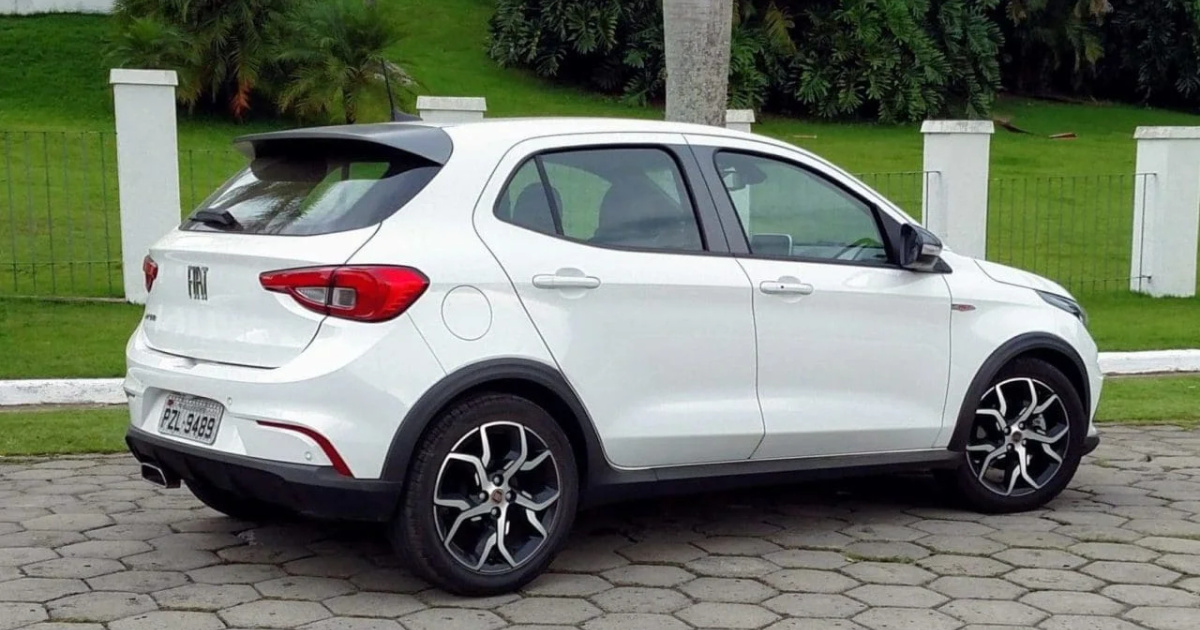
With the streamlining of versions, some items that previously distinguished higher configurations also ceased to appear.
Side airbags were offered as optional in top versions, but are not part of the current offering.
Similarly, features like 17-inch wheels no longer make up the current set.
This rationalization accompanied the simplification of catalogs and packages.
Fiat Argo 2026 in Dealerships
For the 2026 model, the Argo retains the mechanical base and focuses on improvements in comfort and lighting.
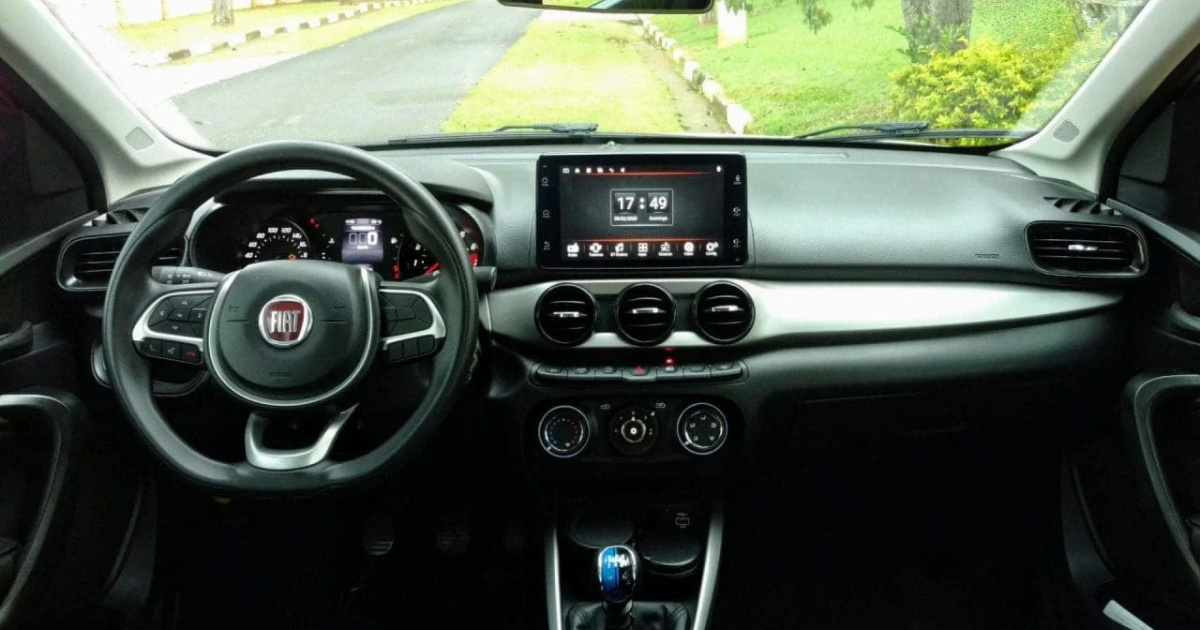
The versions feature Full-LED headlights in some packages and multimedia with wireless mirroring.
The lineup includes Argo 1.0 manual and Drive 1.0 manual. In configurations with the 1.3, there are Drive 1.3 CVT and Trekking 1.3 CVT.
The brand also reintroduced the Trekking 1.3 manual, bringing back the manual transmission option in the adventurous version.
Sales and Market Performance
The trajectory has been one of consistent growth. Without artificial peaks, the Argo gained space in consumer preference, including fleets and ride-hailing drivers.
The hatch frequently ranks among the five most registered vehicles in the country. Since its debut, it has accumulated over 600 thousand units sold in Brazil.
In the first two years alone, it had already surpassed 100 thousand units.
Factors That Sustained the Model
Several factors explain the Argo’s consistency. The offering of simple versions with a good package of mandatory safety features and desired items secured space at the base of the market.
The maintenance of a robust and well-known mechanical setup, coupled with competitive ownership costs, strengthened its presence.
Finally, updates in connectivity and lighting maintained public interest without altering the central equation of price and efficiency.
Comparison with Competitors
In direct comparison, the Argo stands out for its accessible 1.0 versions. The CVT appears in lower price ranges than some rivals. The Trekking option attracts those looking for ground clearance and all-terrain tires.
On the other hand, items like side airbags and more sophisticated features tend to be found in competitors that offer packaged deals.
Given this eight-year history, how do you evaluate the current combination of versions, engines, and transmissions of the Argo: does it meet your expectations for a compact hatch today?








-

-

-

-

-

36 pessoas reagiram a isso.