





 Portuguese
  English
  Spanish
  5 min of reading
  0 comments



With Strong Job Creation and Expansion of Residential Launches, the Southeast Establishes Itself as the Epicenter of Civil Construction in Brazil in 2025
Published on September 9, 2025, the data released by the Brazilian Chamber of the Construction Industry (CBIC) confirms that the Southeast stood out nationally by leading the creation of jobs in civil construction and keeping the real estate market heated during the first seven months of the year.
The survey was presented in Belo Horizonte, during the CBIC Regional Indicators Southeast event, with the support of Sinduscon-MG, FIEMG, and sponsorship from the Bank of Brasília (BRB).
The region concentrated three of the five states with the highest formal job creation in the sector, in addition to representing half of the real estate launches in the country. The performance reinforces the strategic role of the Southeast in the Brazilian economy and points to relevant trends for investors, professionals, and consumers.
-
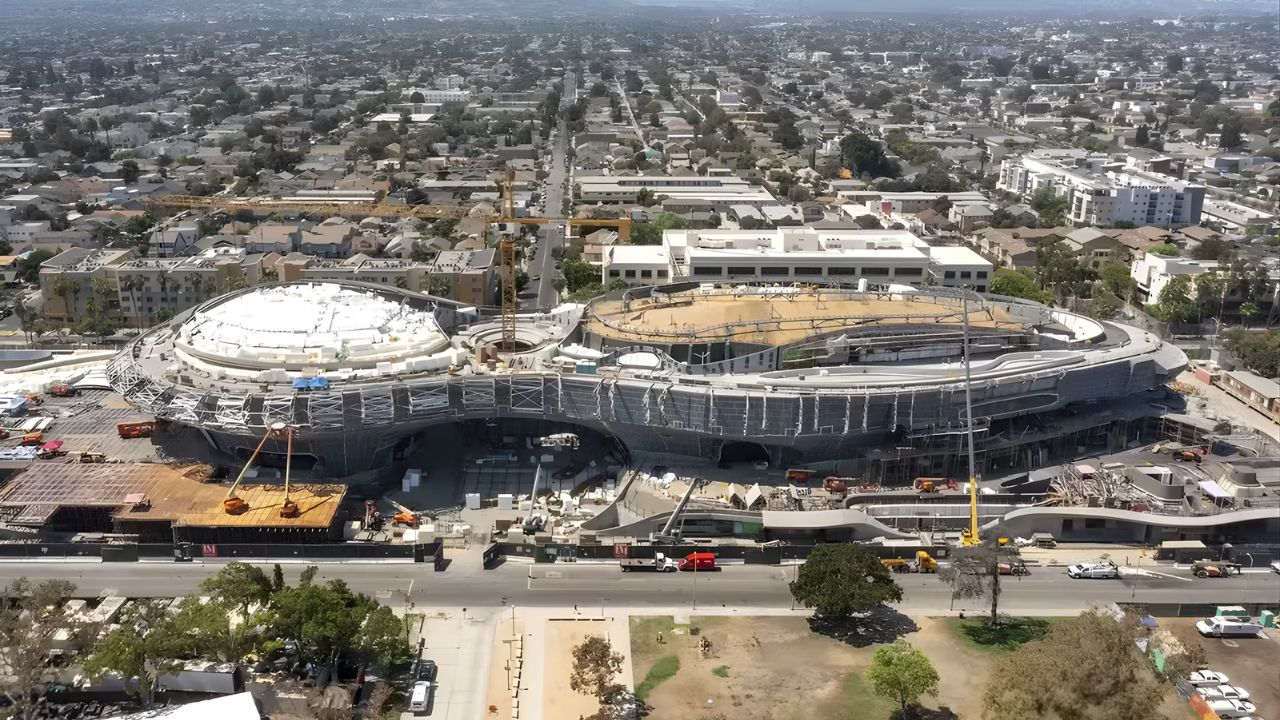
Created by George Lucas with over $1 billion, a futuristic museum in the shape of a spaceship with 1,500 curved panels is about to open in Los Angeles and will house one of the largest private collections of narrative art in the world.
-
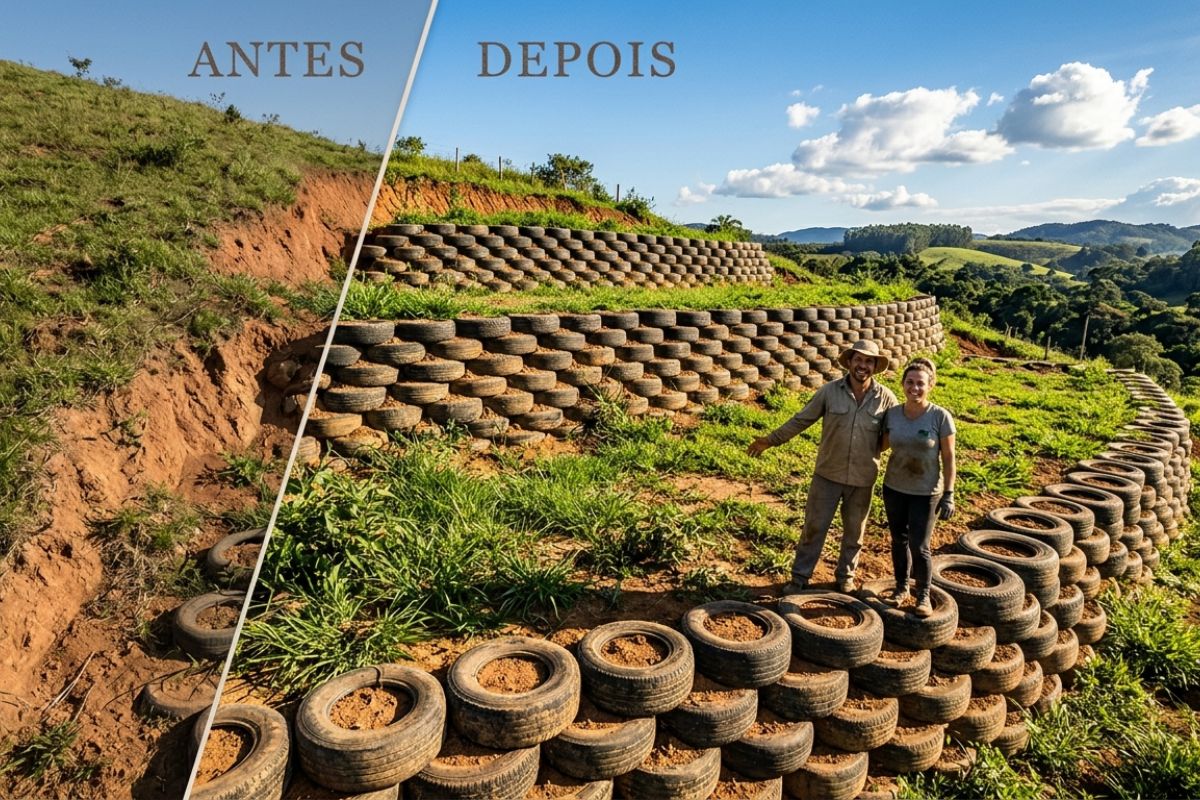
Couple shows how they built a retaining wall on their property using 400 old tires: sloped land turned into plateaus, tires are aligned, filled, and compacted with layers of soil, with grass helping in support and at almost zero cost.
-
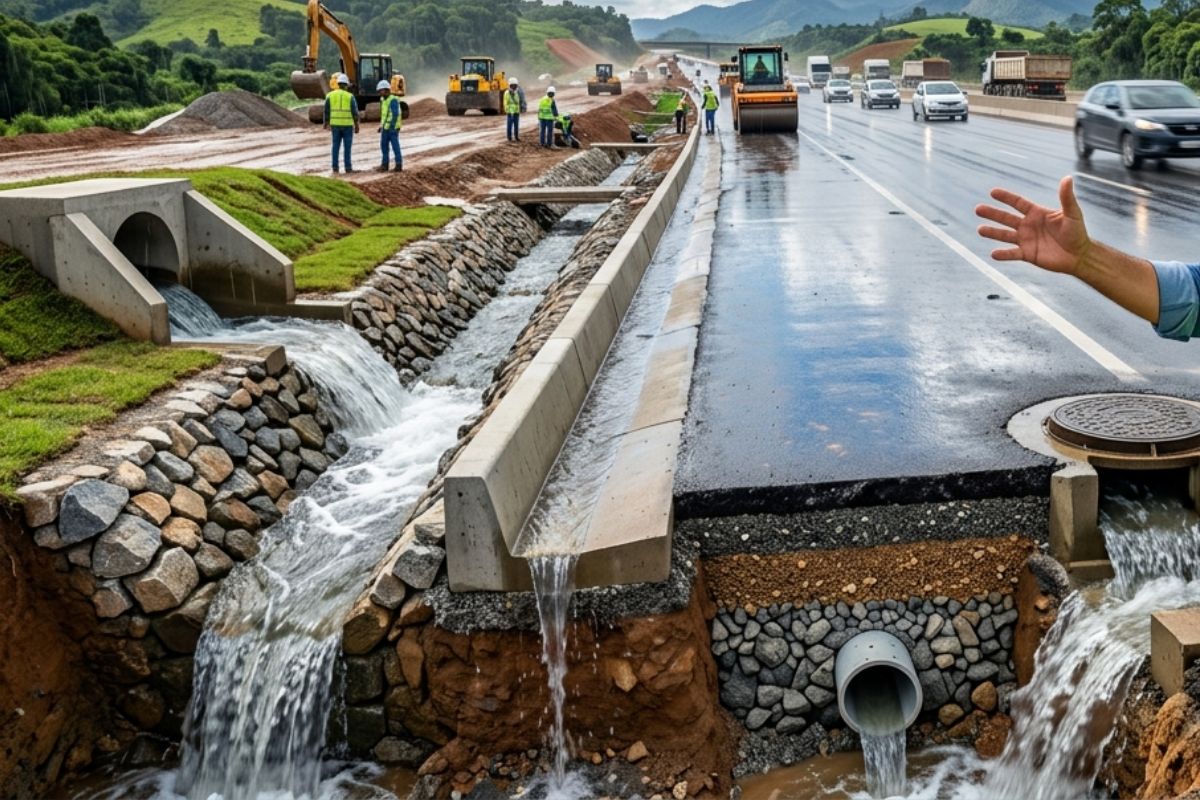
Engineer explains drainage during the rainy season: the difference between surface water and deep water, ditches, gutters, and water outlets on the road, as well as drains and drainage mattresses, to prevent erosion, aquaplaning, and flooding at the construction site today.
-
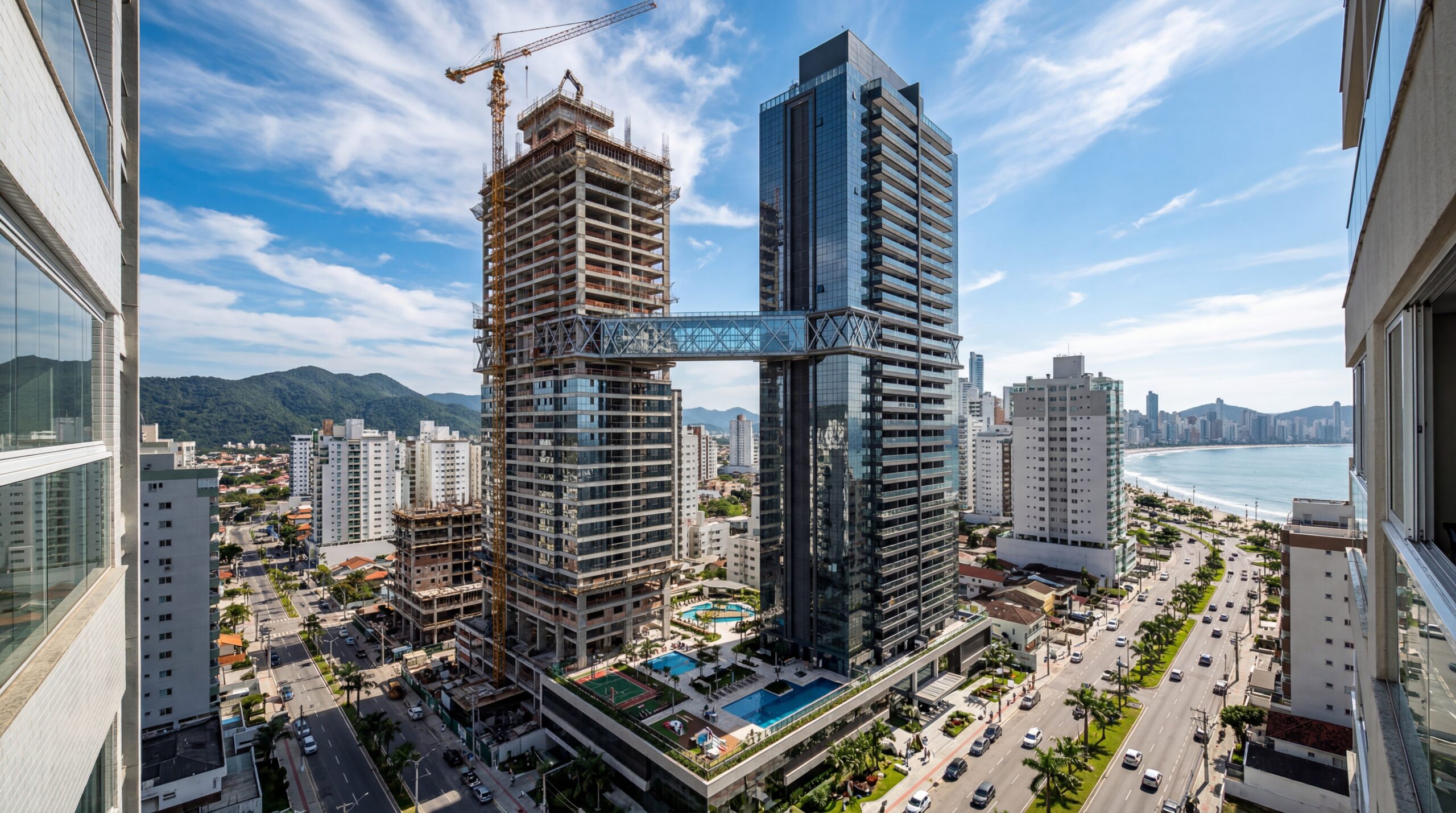
With 55 floors, 177 meters in height, a 15-meter walkway between the twin towers, ventilated facade, and 6,300 m² of leisure space, Ápice Towers already has one tower completed and another nearly at the top.
Southeast Concentrates Job Generation in Civil Construction
Between January and July 2025, the states of SP, MG, and RJ were responsible for 73,139 new formal job positions in civil construction. São Paulo led with 40,813 jobs, followed by Minas Gerais with 20,703 and Rio de Janeiro with 11,623.
The capital of São Paulo concentrated 19,237 of these jobs, which corresponds to 55.31% of the total generated in the Southeast. Belo Horizonte also had a significant participation of 28.69% of the new jobs. According to the chief economist of CBIC, Ieda Vasconcelos, this growth is directly linked to the heating of the real estate market and the resumption of investments in urban infrastructure.
The average admission salary in the sector also stood out: R$ 2,490.54 in July, above the national average of R$ 2,277.51. This positions civil construction as one of the segments with the best entry-level remuneration in the country.
Civil Construction Drives Residential Launches in the Southeast
In the first half of 2025, 103,576 new residential units were launched in the Southeast region, representing 50% of the projects launched nationally. São Paulo was the main driver of this growth, with 60,544 units, followed by Minas Gerais and Rio de Janeiro.
The General Sales Value (VGV) of the launches in the region was R$ 59.063 billion, an increase of 29.4% compared to the same period in 2024. In Brazil, the growth was 19.4%, totaling R$ 122.885 billion. This data reinforces the relevance of the Southeast as a hub for urban development and shows that the real estate market remains heated, even in the face of economic challenges.
Market Segmentation: Opportunities in Different Ranges
The diversity of products offered in the Southeast is another factor contributing to the positive performance of the sector. Of the 111,704 residential units launched in the region, 52.4% (58,355) were intended for the Minha Casa Minha Vida (MCMV) Program, aimed at low-income families. Mid-range properties totaled 49,707 units (44.6%) and high-end properties, 3,303 units (3%).
This segmentation allows for catering to different profiles of consumers and expands business opportunities for developers and builders. However, some capitals faced a decline in launches. Vitória recorded a decrease of 53.6%, Belo Horizonte saw a reduction of 40.9%, and Rio de Janeiro, a decrease of 2.5%.
According to Raphael Lafetá, president of Sinduscon-MG, urban legislation has been a barrier to the growth of MCMV in Belo Horizonte. He advocates for greater flexibility in municipal Master Plans and faster project approvals to stimulate the development of the real estate market.
Real Estate Market in the Southeast Attracts Investors and Consumers
CBIC’s research on the intention to purchase property reveals that 48% of residents in the Southeast are interested in buying a new property. Of these, 6% plan to buy in the next six months and 24% within a year. This data reinforces consumer confidence and the expectation of continuity in the heating of the real estate market.
Furthermore, the Southeast has attracted both national and international investors, especially in cities like São Paulo, Campinas, Belo Horizonte, and Niterói. The established infrastructure, the availability of skilled labor, and the high potential for property appreciation make the region a favorable environment for business in the civil construction sector.
Challenges Faced by Civil Construction in the Southeast
Despite the positive performance, the civil construction sector in the Southeast faces significant challenges. Rising interest rates, persistent inflation, and economic instability have impacted the cost of inputs and consumers’ financing capacity.
Fernando Guedes Ferreira Filho, executive president of CBIC, highlights that these factors have put a brake on growth but emphasizes the sector’s resilience. According to him, civil construction continues to be one of the main engines of the Brazilian economy, generating jobs, income, and urban development.
Another critical point is the bureaucracy in project approvals, especially in large urban centers. The slowness of administrative processes and the rigidity of municipal legislation hinder the expansion of projects aimed at popular housing, such as MCMV.


Southeast as a National Reference in Construction Opportunities
The performance of the Southeast in the first half of 2025 confirms its leadership in job creation in civil construction and maintaining a heated real estate market. With São Paulo leading residential launches and job generation, the region establishes itself as the main hub of opportunities in the sector.
The diversity of products, the growing interest of consumers, and the ability to attract investments reinforce the strategic position of the Southeast in the national scenario. Even in the face of economic and urban challenges, the sector shows adaptability and continues to generate positive impacts on the economy.
For professionals in the field, investors, and families seeking housing, the Southeast remains a benchmark in urban development, innovation, and job generation. The expectation for the second half is for continuity in growth, with new ventures, a greater supply of construction jobs, and strengthening of the real estate market throughout the region.






Seja o primeiro a reagir!