





 Portuguese
  English
  Spanish
  3 min of reading
  1 comment


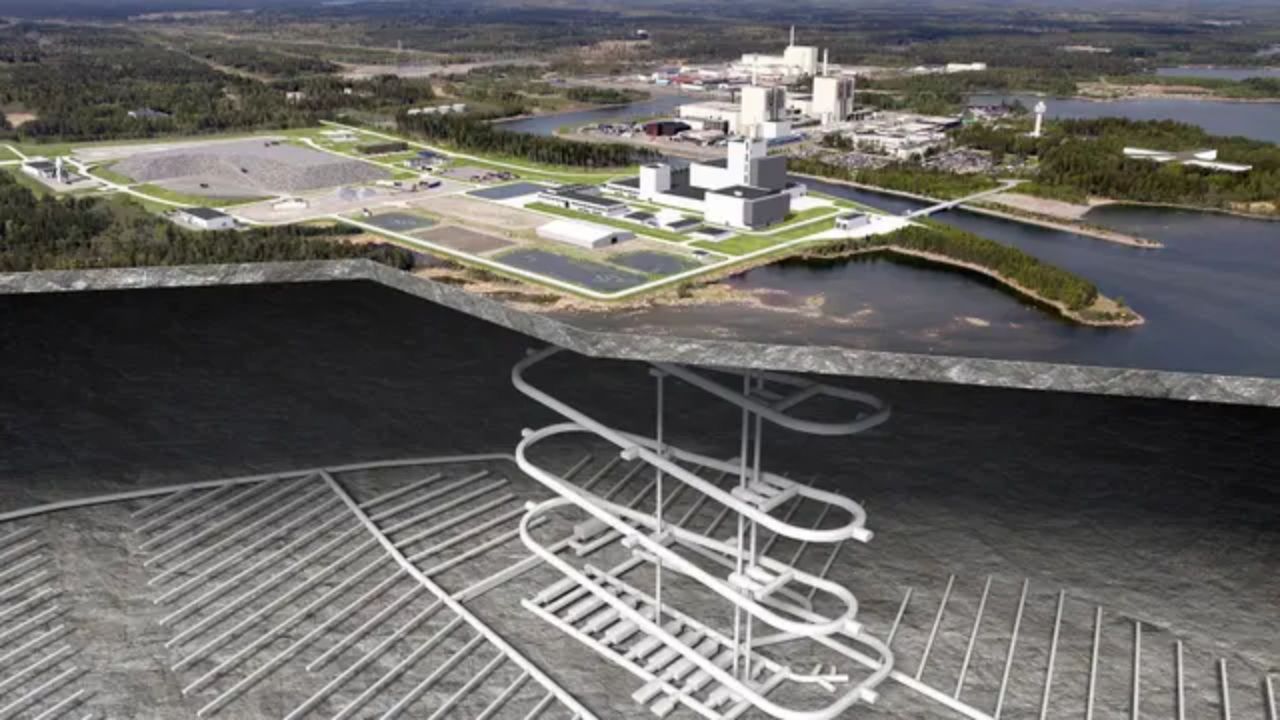


Sweden Begins Construction of An Underground Repository in Forsmark Designed to Store 12,000 Tons of Radioactive Waste in Copper Capsules Protected by Clay, Buried 500 Meters Deep in 1.9 Billion-Year-Old Rock, Expected to Operate Until 2080.
When it comes to radioactive waste, the first question that comes to mind is: “What to do with waste that remains dangerous for thousands of years?” This challenging issue led Sweden to create a groundbreaking project: an underground repository to safely store nuclear waste for 100,000 years.
Why Is Storing Radioactive Waste So Challenging?
Nuclear energy is a powerful and relatively clean source, but it comes at a price: the highly dangerous waste it generates.
Radioactive waste can emit dangerous radiation for millennia. This material not only harms human health but also poses a threat to the environment, potentially contaminating soil, air, and water for generations.
-
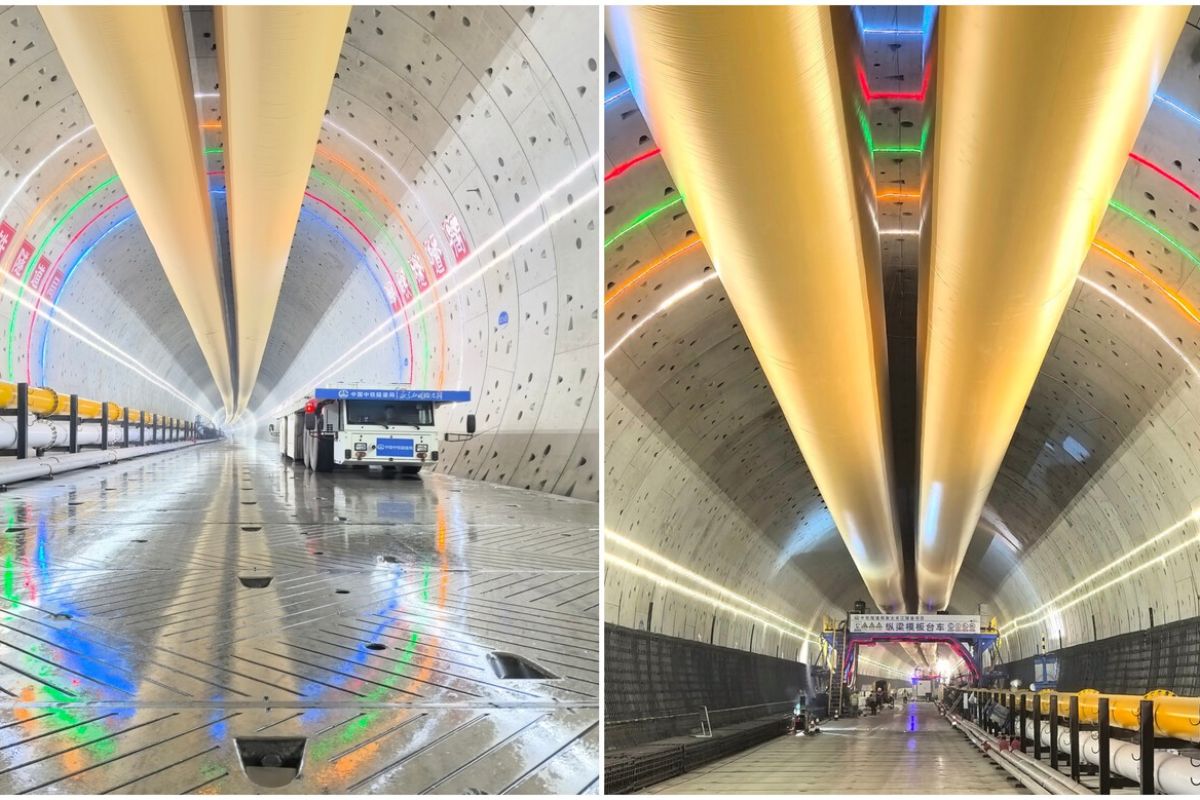
China completes the most critical section under the Yangtze River with the intelligent tunneling machine Linghang, excavating 11.32 continuous kilometers at depths of up to 89 meters and transforming the Chongming-Taicang tunnel into a landmark that redefines the scale of high-speed rail engineering in the 21st century.
-
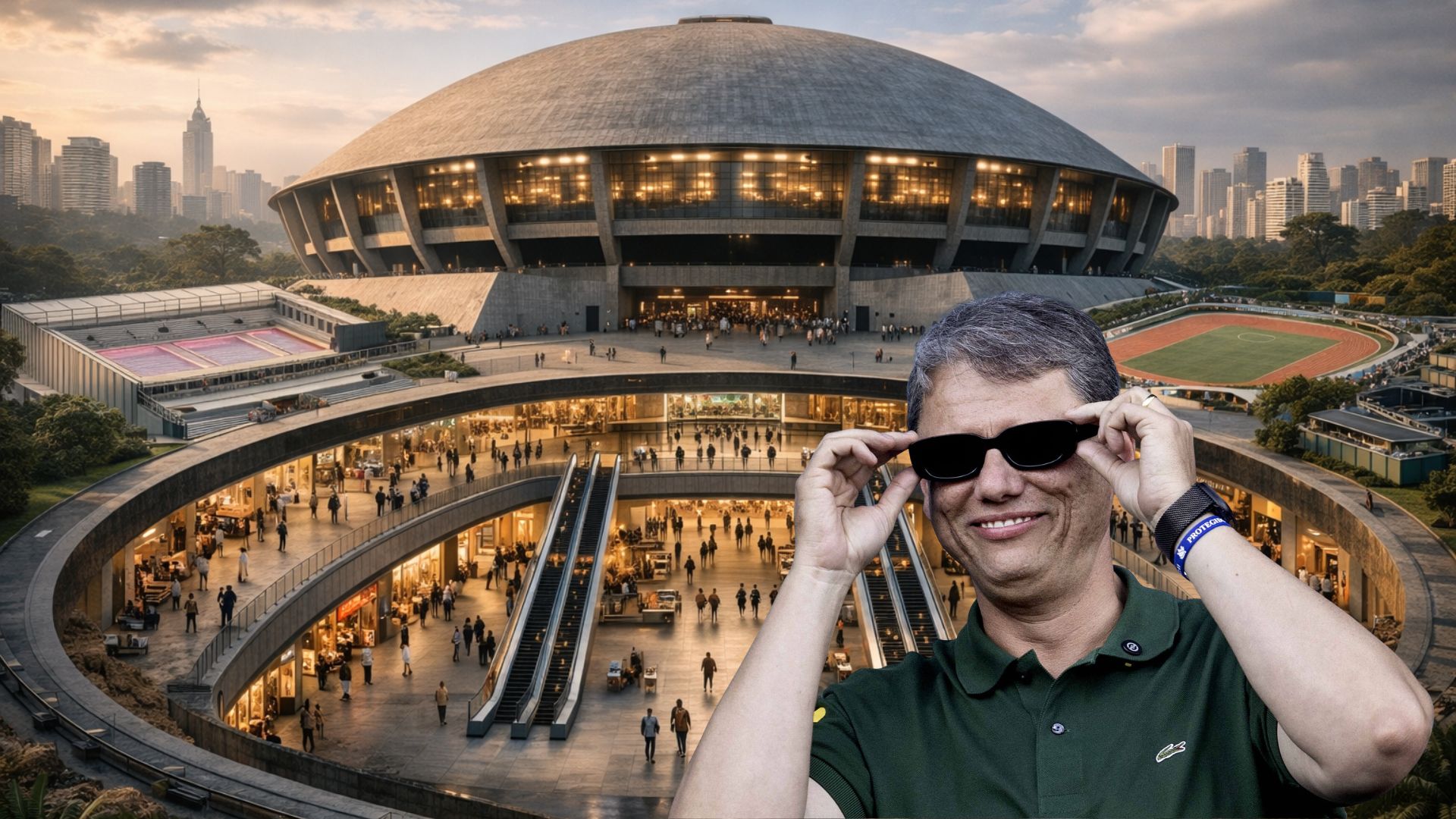
The government of São Paulo surprises South America with a plan to transform the famous Ibirapuera with underground shops, air conditioning, and a 25-year concession in a billion-dollar project that expands the audience, alters a protected area, and provokes an immediate reaction.
-
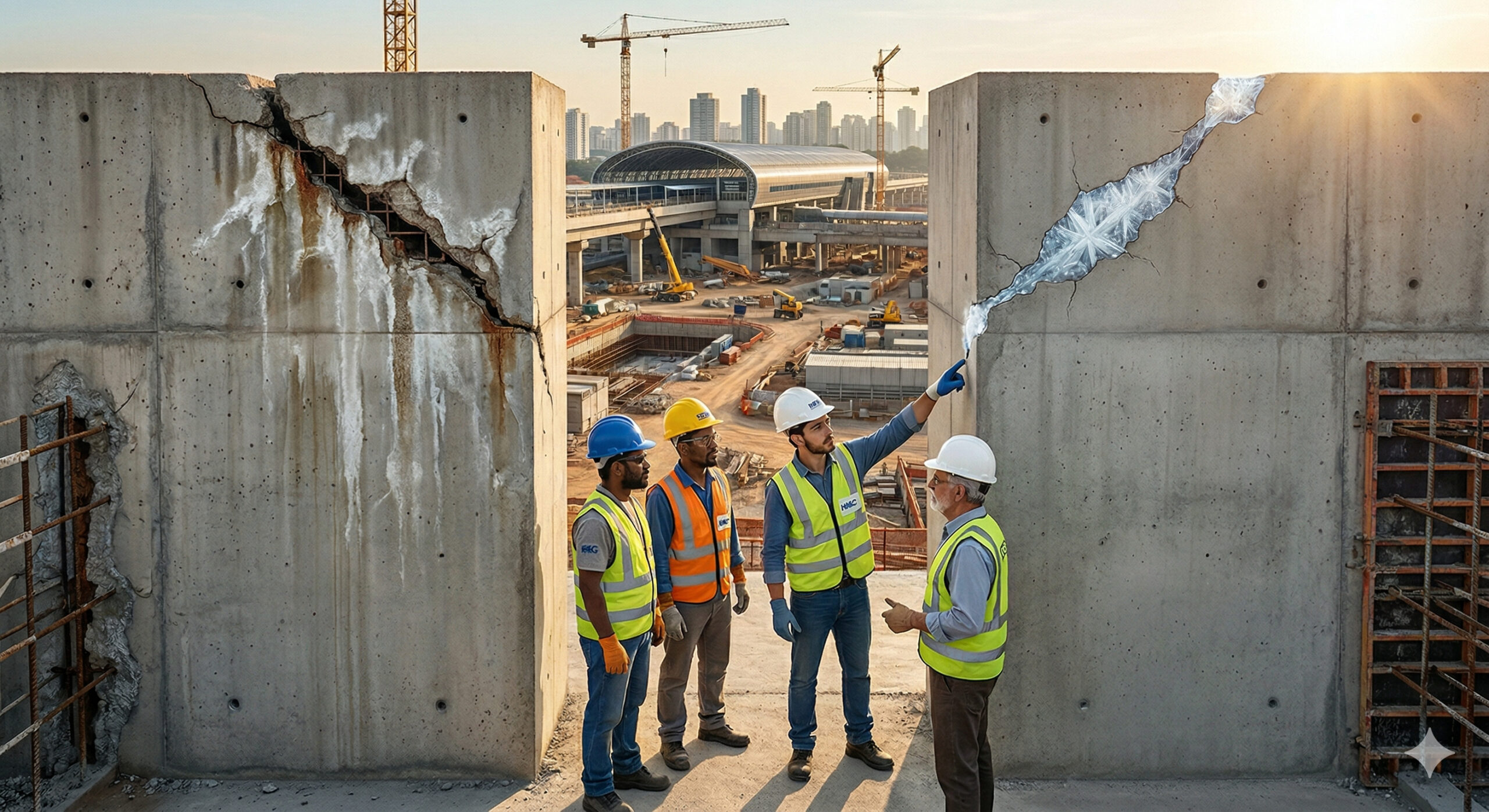
With a lifespan of up to 60 years and a cost up to 30% higher than conventional concrete, self-healing concrete is already being used in Brazil to eliminate leaks, reduce maintenance, and is changing the real cost of construction projects.
-
Engineered wood CLT challenges steel and concrete and promises construction that is up to 2x faster with a lower environmental impact in modern civil engineering.

Most waste is temporarily stored in pools near reactors, which is not a definitive solution. These storage sites pose risks of leaks and accidents, especially in scenarios of natural disasters or human failures.
The Forsmark Project: Technology and Planning for the Future

Sweden has taken a step forward with the construction of the Forsmark repository, located in Söderviken, near the Forsmark nuclear power plant.
The repository for radioactive waste is being excavated in a 1.9 billion-year-old rock bed. This ancient and stable rock was chosen to ensure isolation and prevent any surface contamination.
The waste will be stored in 5-meter copper capsules designed to resist corrosion. Each capsule will be wrapped in special clay, which acts as an additional barrier to protect against potential leaks.
The repository will feature a network of 60 kilometers of tunnels. For 40 years, remote machines will place the capsules in the tunnels while new areas are excavated simultaneously.
Impact and Controversies Surrounding the Repository
Although it is an innovative solution, the Forsmark project faces challenges and criticism.
Swedish NGOs have raised concerns about the long-term safety of radioactive waste. Research suggests that copper capsules may face corrosion issues over time, increasing the risks of groundwater contamination.
Despite the criticisms, the Forsmark repository is an example of responsibility in nuclear waste management. It offers a safe and long-term alternative instead of temporary solutions that leave risks for future generations.
A Crucial Step for the Future of Nuclear Energy
The Swedish repository is not just a local solution but a global model.
As nuclear energy expands, the world needs definitive solutions to deal with waste. Countries like Finland are already adopting similar approaches, and others can learn from Sweden’s experience.
Nuclear energy is a key player in the fight against climate change. However, its success depends on safe strategies for handling radioactive waste. The Forsmark project is proof that it is possible to balance clean energy and environmental responsibility.





“Vamos enterrar essa ****. Resolvemos nosso problema. Fo…se o futuro…100.000 anos ?…quem vai estar aqui para reclamar ? “