





 Portuguese
  English
  Spanish
  4 min of reading
  0 comments


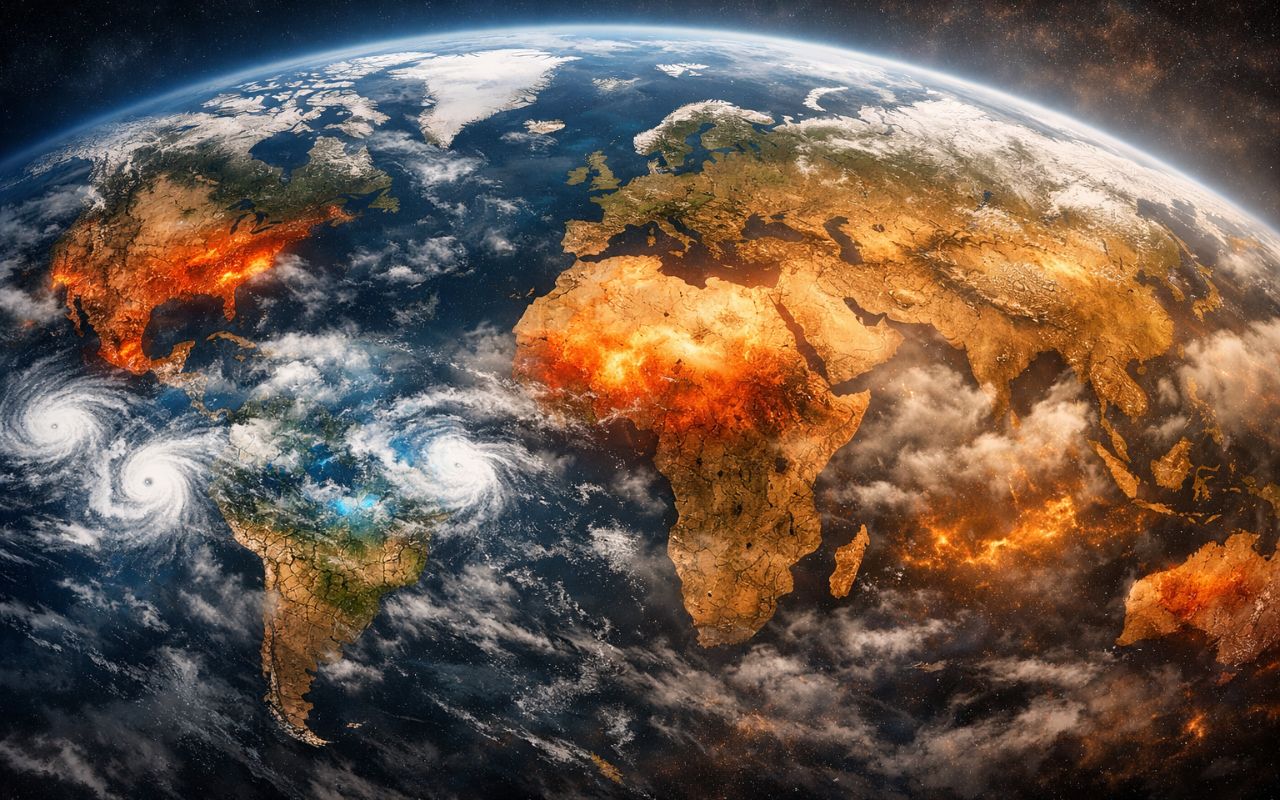
Super El Niño may form in 2026 and raise the risk of extreme global heat until 2027.
Recent updates from international climate models indicate that a Super El Niño may form as early as 2026, significantly increasing the risks of extreme events in various regions of the planet.
The alert has been reinforced by experts based on recent data released by the European Centre for Medium-Range Weather Forecasts (ECMWF). The phenomenon, which occurs in the equatorial Pacific Ocean, can cause severe changes in the global climate, with direct effects until 2027.
According to meteorologists, the chances of this Super El Niño forming have nearly doubled compared to previous projections. This is due to the accelerated warming of Pacific waters, which already show above-average signs. Thus, the scenario has begun to be monitored with greater concern by the international scientific community.
-
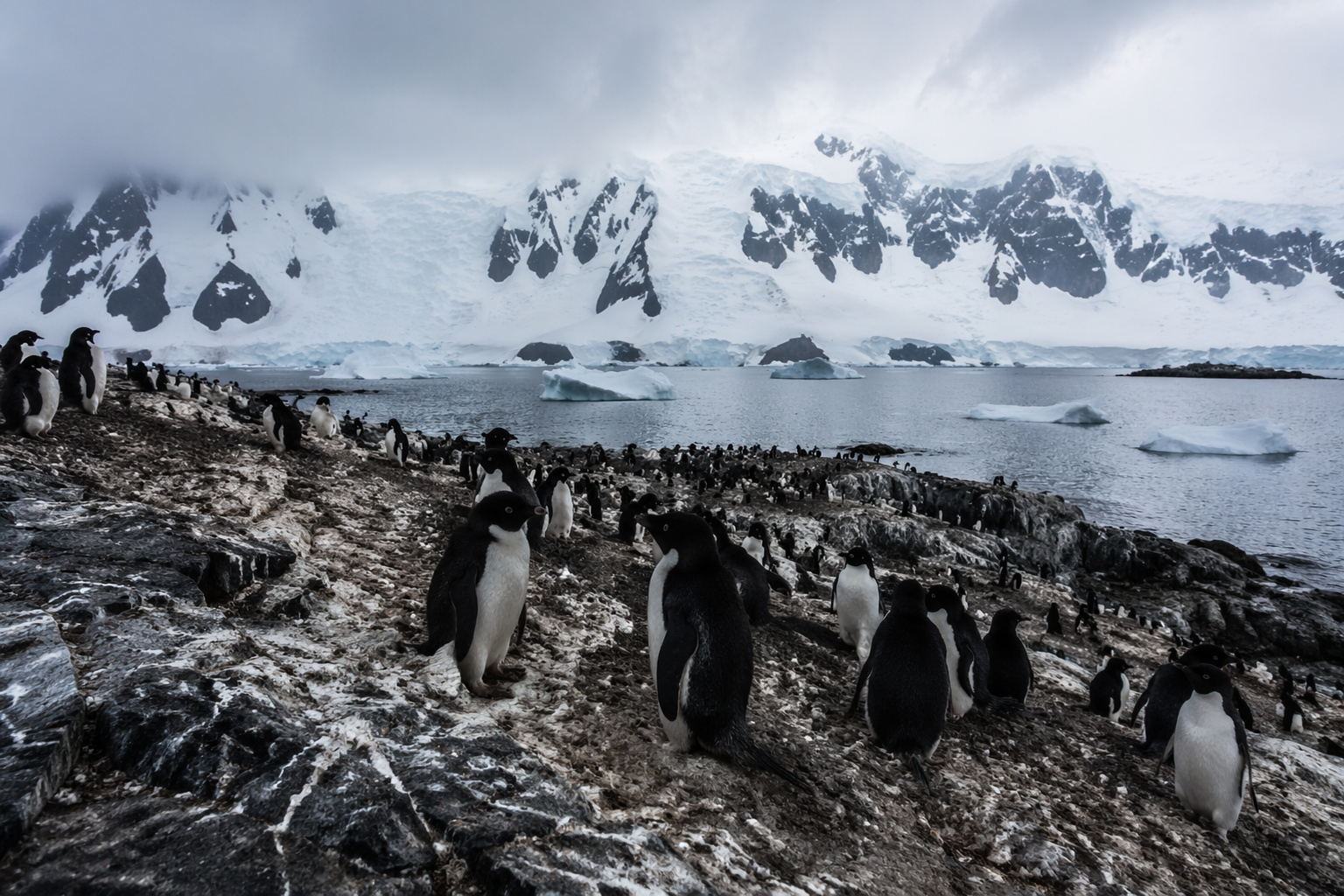
An invisible phenomenon in Antarctica on a continental scale reveals a direct impact on the polar climate by showing that penguin droppings release ammonia, form bright clouds, and raise an unexpected scientific curiosity about the balance of the icy atmosphere.
-
A rare phenomenon of silent electric flashes in trees on the east coast of the United States intrigues researchers, confirms a century-old suspicion, and raises concerns about invisible environmental impacts.

-
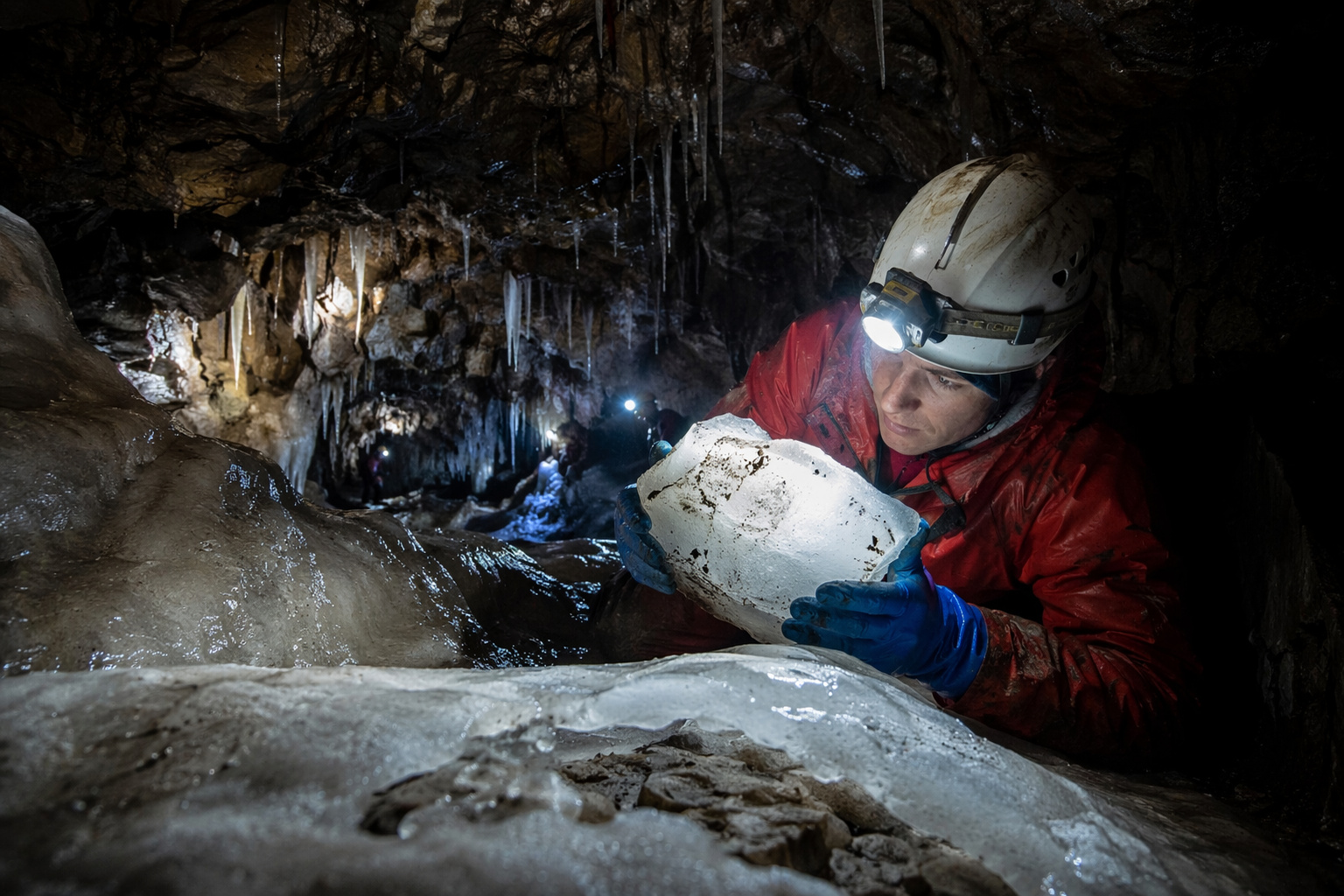
5,000-year-old bacteria found frozen in a cave in Romania already shows resistance to modern antibiotics and raises a global scientific alert about the future of infections.
-
5,000-year-old bacteria found frozen in a cave in Romania already shows resistance to modern antibiotics and raises a global scientific alert about the future of infections.
What is Super El Niño?
Unlike a common event, Super El Niño is characterized by an increase of more than 2 °C in the temperature of the equatorial Pacific waters. This intense warming alters atmospheric behavior, directly affecting rainfall and temperature patterns on a global scale.
This type of phenomenon does not occur frequently. On average, a Super El Niño arises every 10 to 15 years, being considered one of the most powerful climatic events on the planet. Therefore, when there are signs of its formation, the impact tends to be more lasting and intense.
Experts point out that the current event may surpass the one recorded in 2015, which was previously considered the strongest in recent history. There are even projections indicating that this could be the most intense in the last 140 years.
What characterizes Super El Niño?
- Warming of more than 2 °C in the equatorial Pacific waters.
- Rare phenomenon, occurring every 10 to 15 years.
- More intense and lasting global climatic impact than a common El Niño.
Impacts of Super El Niño in the Americas and Brazil
The effects of Super El Niño are already beginning to be outlined by climate models. In the Americas, for example, the forecast indicates extreme contrasts between drought and excessive rain.
In northern Brazil and Central America, the trend is for severe droughts, which can directly affect agriculture and water supply. On the other hand, countries like Peru and Ecuador may face heavy rains and flooding.
Meanwhile, the southern United States and parts of South America are expected to experience more frequent heat waves. Thus, Super El Niño may intensify extreme weather events across the continent.
Asia, Oceania, and oceans also on alert
In addition to the Americas, Super El Niño is expected to strongly impact regions in Asia and Oceania. Countries like India, Indonesia, the Philippines, and Australia face a high risk of drought, which may compromise agricultural production and generate food insecurity.

In the oceans, the changes are also significant. There is a forecast for an increase in the formation of cyclones and typhoons in the Pacific. In contrast, the Atlantic may see a reduction in hurricane activity.
These changes demonstrate how Super El Niño has the capacity to reorganize climate patterns on a global scale, directly affecting economies and populations.
Super El Niño may intensify global warming
Another critical point associated with Super El Niño is the so-called “staircase” effect on global warming. This phenomenon occurs when the heat generated by intense events is not fully dissipated before the next climate cycle.
With the increase of greenhouse gases in the atmosphere, the planet retains more heat. Thus, each new Super El Niño may further raise the global average temperature, creating a cycle of progressive warming.
Moreover, a warmer atmosphere can hold more moisture. This increases the risk of intense storms and flooding in various regions, making the climate even more unpredictable.
Why could 2027 be the hottest year in history?
Projections indicate that the peak of Super El Niño is expected to occur between late 2026 and early 2027. This period coincides with the greatest release of heat into the atmosphere, which may drive new temperature records.
Although 2024 has been considered the hottest year on record, the current scenario points to a possible surpassing of this milestone. This is because the combination of global warming and an intense Super El Niño may raise temperatures to unprecedented levels.
If the forecasts are confirmed, 2027 could go down in history as the hottest year ever recorded on the planet. In light of this, experts emphasize the importance of constant monitoring and preparation for extreme weather events.
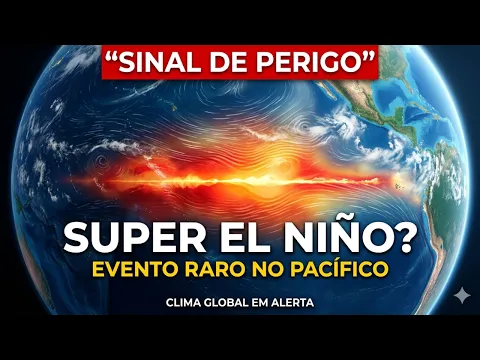

With the possible arrival of a Super El Niño, the world may face a new configuration of climate risks. Prolonged droughts, floods, heat waves, and intense storms are expected to occur more frequently and intensely.
In light of this scenario, governments and productive sectors need to prepare to mitigate impacts. After all, Super El Niño is not just a climatic phenomenon, but an event with the potential to directly affect the economy, food security, and the lives of millions of people worldwide.
Source: Olhar Digital









Seja o primeiro a reagir!