





 Portuguese
  English
  Spanish
  5 min of reading
  0 comments


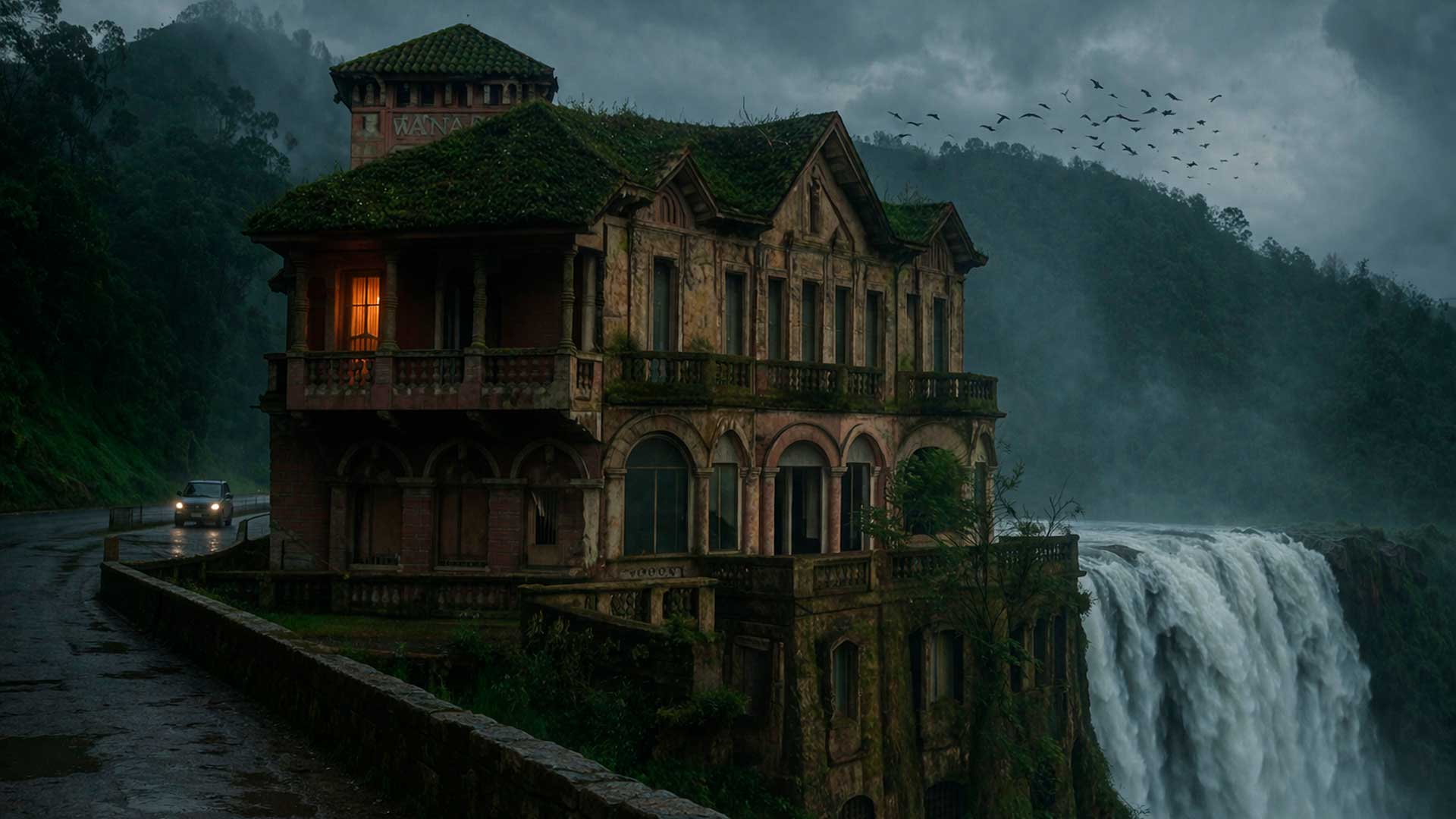
In front of the Tequendama Falls, the former Hotel del Salto exchanged abandonment and fear for a museum that still fascinates visitors with its landscape, architecture, and mystery
The former Hotel del Salto, now known as Casa Museo Tequendama, remains one of the most intriguing places in Colombia. Built in front of the Salto de Tequendama, a waterfall of about 157 meters on the Bogotá River, the building brings together architectural heritage, environmental memory, and a supernatural fame that has spanned decades.
Even after restoration, the construction is still surrounded by an unusual aura. The misty landscape, the cliff, the history of abandonment, and popular reports of apparitions have transformed the site into a point of curiosity for those interested in historical tourism and places marked by legends.
However, the region already carried symbolism long before the hotel’s fame. In Muisca tradition, the Salto de Tequendama is linked to the figure of Bochica, a central character in indigenous cosmology, associated with opening a passage for the waters and the formation of the waterfall, a myth that helped to transform the place into a reference of spiritual and cultural significance long before the era of modern tourism.
-
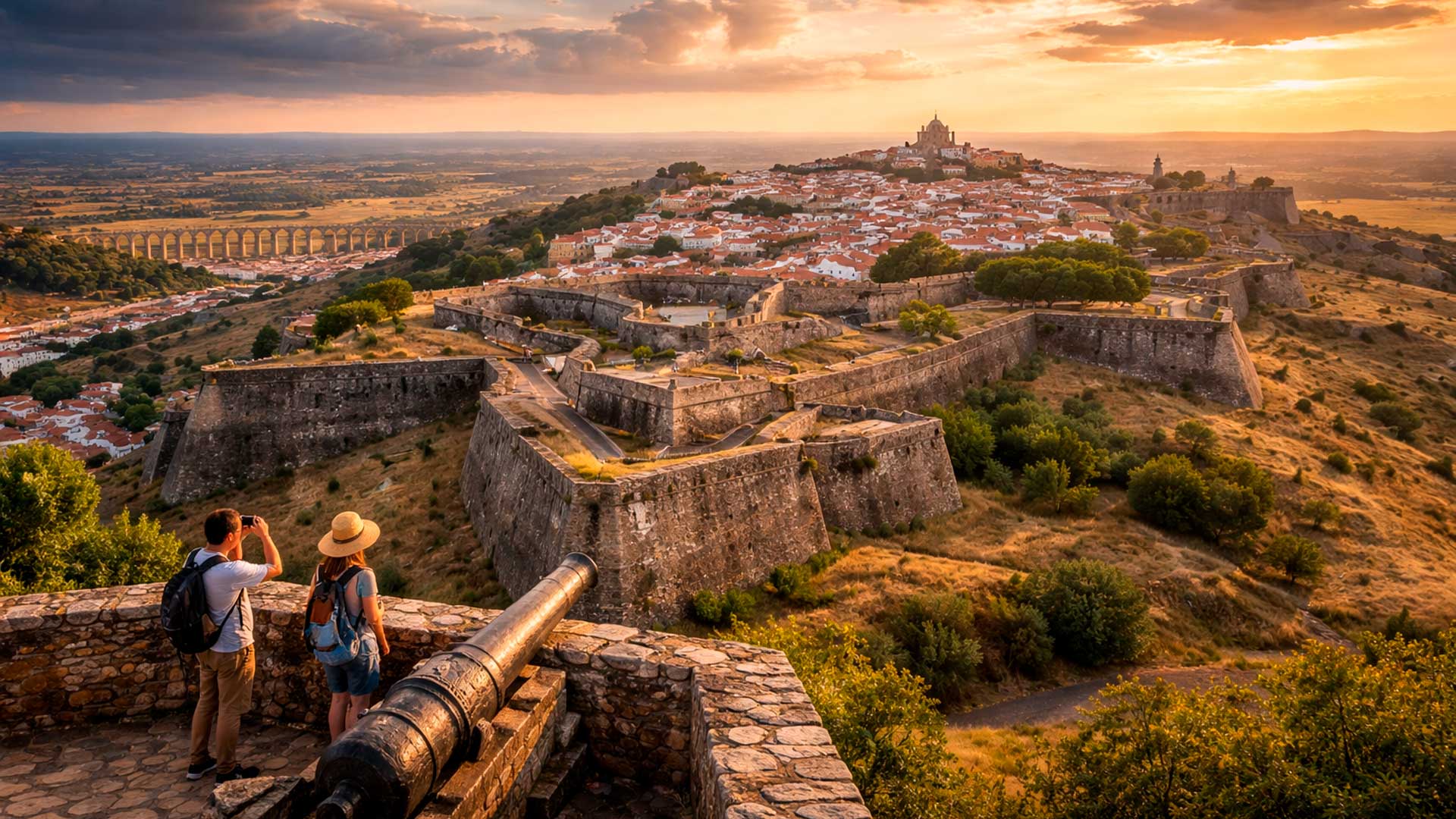
This star-shaped fortified construction, hidden near the border of Spain, may be the largest fortress on the planet.
-
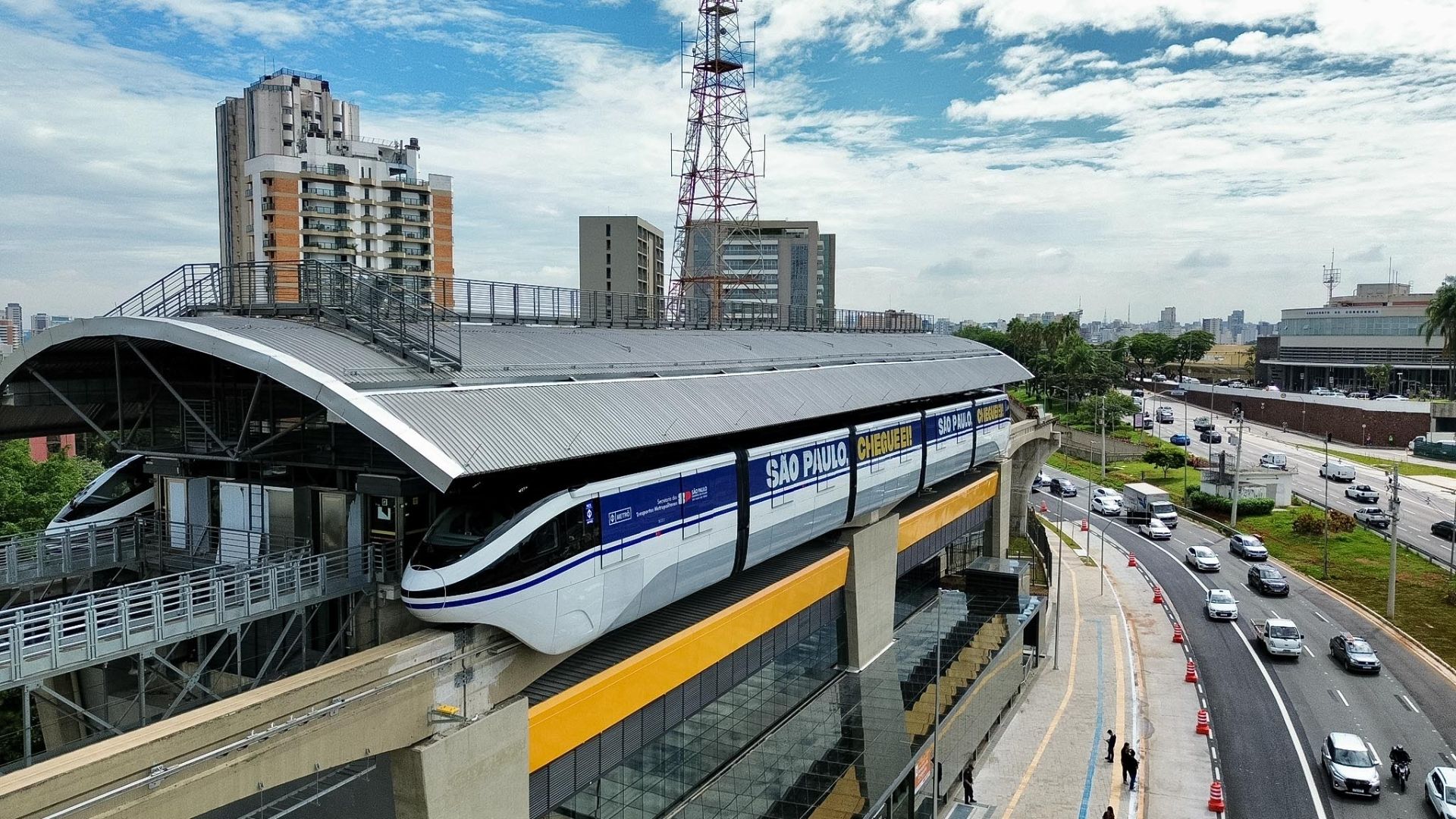
Congonhas receives the monorail promised for the 2014 World Cup after more than a decade of delays and becomes the first airport in Brazil with integrated subway.
-
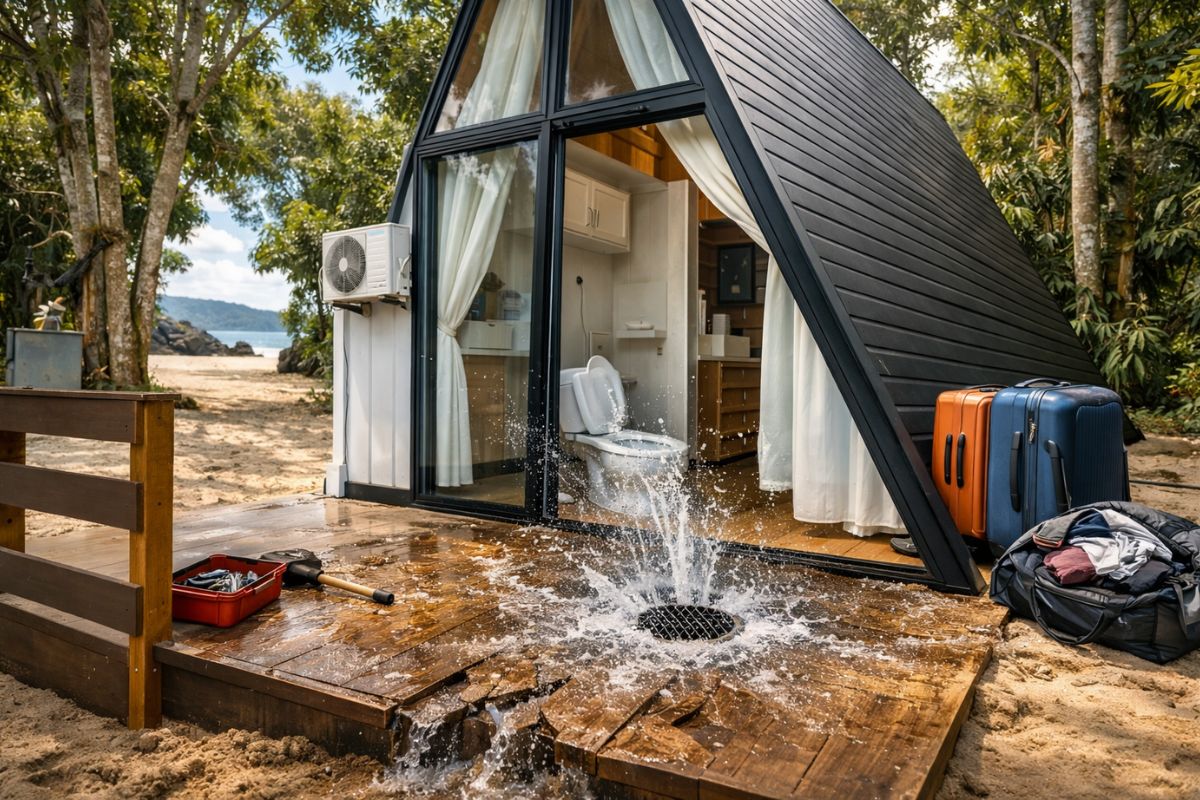
Goodbye, concrete: a new trend in civil construction reduces the weight of the structure by up to 30%, accelerates projects by up to 40%, cuts costs on steel and labor, and improves thermal insulation with EPS.

-
Russian engineers create an innovative propeller blade for aircraft that could completely change the way airplanes and helicopters operate.

Today, the address continues to attract visitors of different profiles, but with a broader understanding than during the peak of horror stories. What was once seen merely as a gloomy building on the edge of the abyss has also begun to be presented as a space for environmental education, memory preservation, and appreciation of the biodiversity of the Tequendama region.
An icon of the 1920s that lost its glow due to crisis and pollution

The most well-known phase of the construction dates back to the 1920s, when the building established itself as a visual landmark in front of the waterfall. The Casa Museo Tequendama itself describes the building as the former Castillo de Bochica, a sophisticated destination for Bogotá’s elite, with strong European influence in its architecture and windows designed to enhance the monumental landscape of the Salto.
Over time, the image of luxury was eroded by economic problems and the worsening environmental conditions of the surroundings. Colombian sources on the history of the property indicate that the tourism crisis, foul odors, and pollution of the Bogotá River contributed to a decline in interest in the site, pushing the building into a decay that deepened throughout the 20th century.
By the end of the last century, the former hotel was more remembered for its abandonment than for its elegance. The deteriorated structure, combined with the visual isolation of the cliff and the loss of tourist prestige, opened the door to a new chapter, this time dominated by the imagery of fear and the curiosity of visitors attracted by the place’s bad reputation.
The weight of legends helped transform the place into a destination of mystery
The fame of being haunted did not arise from nowhere. It fed on the combination of the dramatic setting of the Tequendama Falls, the indigenous narratives linked to the waterfall, episodes of deaths in the vicinity, and the long phase of abandonment of the building, which reinforced the feeling that the place had become trapped in its own past.
Over time, reports circulated about voices, apparitions, and strange presences inside the building. These stories gained traction among locals, curious individuals, and urban explorers, but remain in the realm of folklore and oral tradition, not historical proof. What exists more consistently is the record that the area around the Salto has accumulated tragedies over the years, something that directly impacted the reputation of the former hotel.
This point helps to understand why the Hotel del Salto continues to attract so much attention. It is not just a supposed haunted address, but a place where history, landscape, environmental crisis, and popular imagination have rarely mixed, creating a powerful narrative that has crossed generations and reached strongly to the internet and contemporary tourism.
The restoration changed the destiny of the building without erasing its aura
The turning point began to take shape with the work of the El Porvenir Ecological Farm Foundation, linked to the environmental recovery of the area since the 1990s. In the foundation’s institutional history, 2011 appears as the year when the negotiation for the purchase of the property was finalized, paving the way for restoration in partnership with the Institute of Natural Sciences of the National University of Colombia.
In 2013, the recovery of the former hotel progressed with international support and in an open-door format, allowing visits during the work and exhibitions linked to the university’s museum system. This stage marked the symbolic transition of the building, which ceased to be merely a ruin surrounded by rumors and began to be treated as cultural and environmental heritage.
The consolidation came in the following years. The foundation’s history records that, in 2016, all museum spaces were opened to the public, and in 2018 the Casa Museo Tequendama received national recognition as a cultural interest asset. In practice, the building gained a new function, more related to education, memory, and territory conservation than to the former hotel glamour.
Today, the Casa Museo operates with visits on weekends and holidays, usually from 9 AM to 4 PM, keeping alive an experience that goes far beyond the supernatural. Those who arrive there find a tourist spot that continues to be surrounded by mystery but has also become a symbol of the attempt to recover the historical and ecological dignity of one of Colombia’s most striking landscapes.
The former Hotel del Salto shows how heritage and mystery can walk together
What makes the former Hotel del Salto survive in the collective imagination is not just its haunted fame. It is the fact that it condenses, in the same building, luxury, decay, legend, pollution, restoration, and memory, in front of a waterfall that was sacred long before it became a tourist postcard.
Perhaps that is why the place remains so relevant. For some, it is one of the most mysterious settings in South America. For others, it is proof that reducing a historical heritage to the idea of a haunted house erases the cultural and environmental weight of an entire territory.







Seja o primeiro a reagir!