





 Portuguese
  English
  Spanish
  4 min of reading


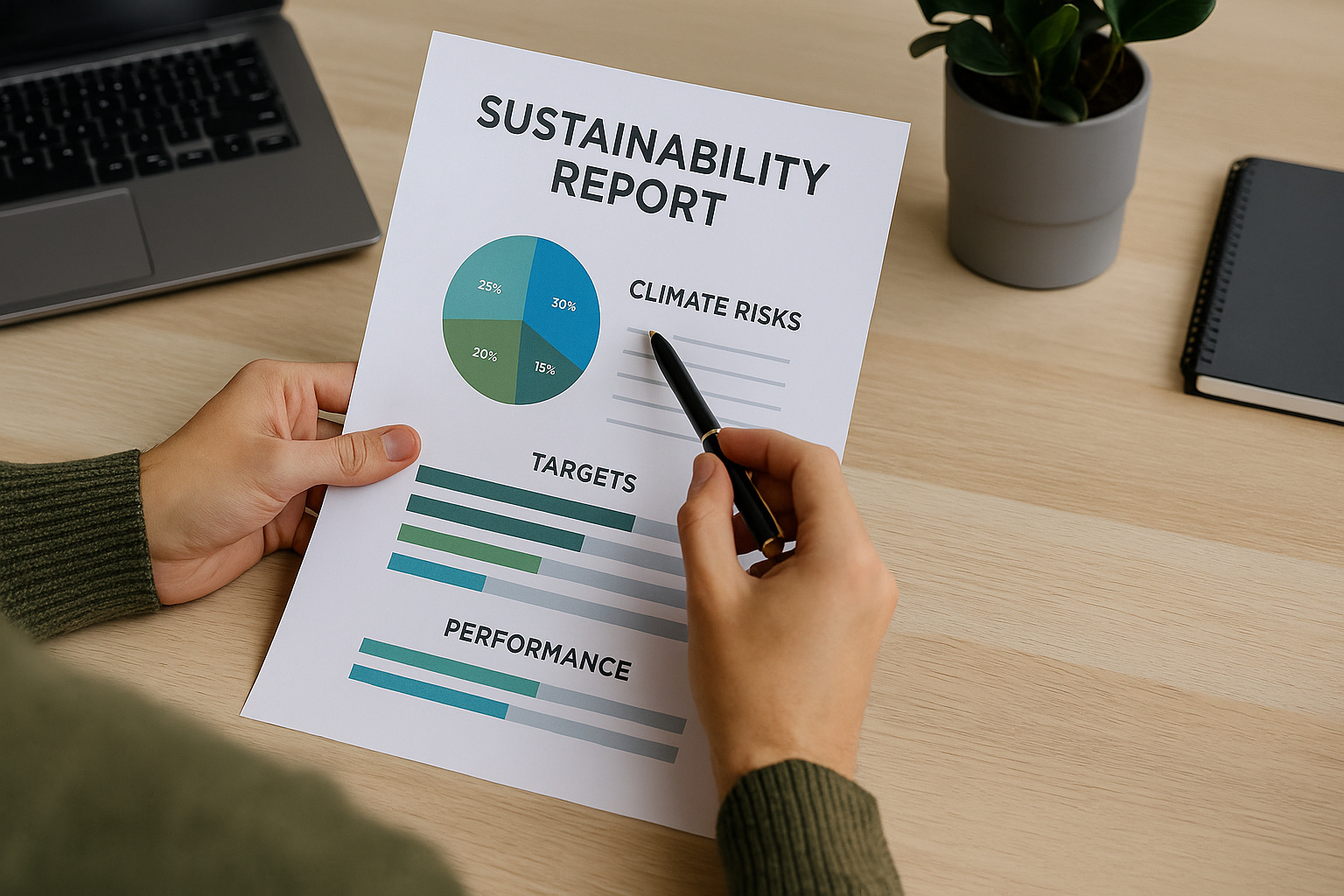
The Discussion About Sustainability Advanced Rapidly in The Last Decade, Especially After The First Global Guidelines for Environmental Reporting and Subsequently with The Strengthening of European Standards.
Even so, according to the website KPMG Portugal (2025), half of Portuguese companies still do not quantify the financial impacts of climate risks, despite already being required to report this data under the European Sustainability Reporting Standards (ESRS). This finding raises concerns, especially since climate adaptation has become essential for competitiveness in the global scenario.
Although many organizations already recognize the importance of the topic, the study “ESRS: Lessons Learned for The Future,” conducted by KPMG, shows that there is still a significant gap between environmental awareness and effective practice. Furthermore, according to the consulting firm’s own website, the research covers 20 Portuguese companies and compares the results with an international universe composed of 270 European organizations that also reported under the same standards. Thus, the report identifies progress but also highlights significant gaps that need to be addressed urgently.
The History of The Evolution of Corporate Sustainability
The journey of sustainability in the European business context began to gain momentum in the early 2000s, when voluntary reporting became popular among large corporations. Subsequently, the creation of the European Green Deal in 2019 accelerated the process, imposing mandatory targets for emission reductions and increased climate transparency. Since then, companies across all sectors have begun restructuring internal processes to robustly report environmental indicators.
-
Embrapa’s discovery reveals an unexpected advancement by allowing the production of seedlings from the caatinga using brackish water, opening a new frontier for farmers to face drought more efficiently.

-
6 sources of free fertilizer that you are throwing away every day and can transform your garden without spending anything.

-
With a water crisis on the radar, Sabesp invests in reclaimed water for data centers and transforms sewage treatment into a solution that saves millions of liters and protects public supply.

-
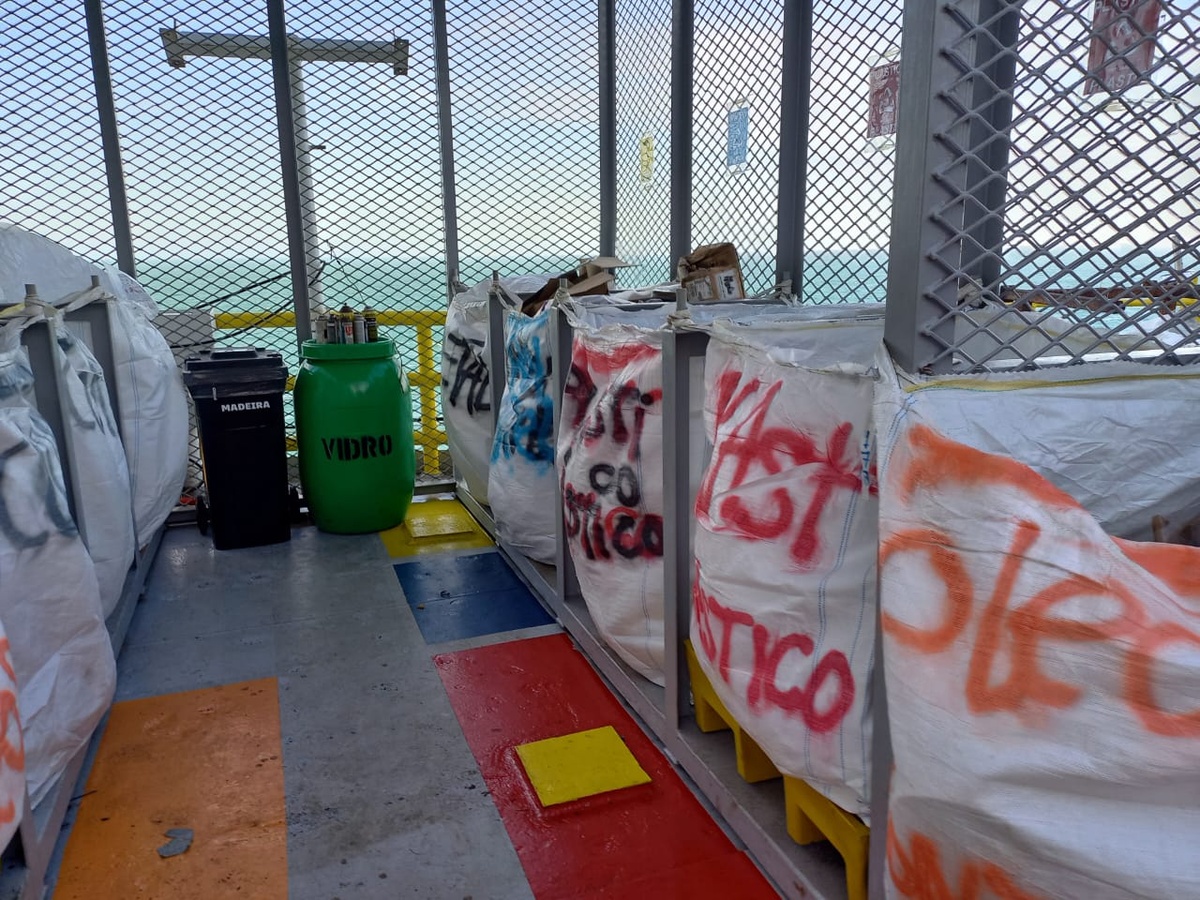
Foresea achieves 100% offshore waste reuse in 2025, eliminates landfill disposal, and consolidates sustainable strategy with 1,500 tons recycled.
However, according to the European government, the implementation of the ESRS represents the most ambitious step to date. These standards require companies to measure, validate, and disclose dozens of environmental indicators, including direct and indirect emissions, climate-related financial risks, and mitigation strategies. Nevertheless, even with this requirement, the study shows that many businesses still struggle to integrate these indicators into financial planning.
Still, this difficulty is not limited to Portugal. KPMG reports that a large part of European companies also face challenges in quantifying climate risks, although the Portuguese percentage stands out negatively. This comparison reinforces the need for structural advancements within the national corporate environment.
The Importance of Quantifying Risks to Ensure Sustainability
The quantification of climate risks has shifted from being a recommendation to becoming a regulatory requirement. This is because storms, droughts, fires, rising sea levels, and water crises have become frequent events with direct impacts on company results. According to the National Institute of Statistics (INE), life expectancy at age 65 has increased, which requires greater financial longevity from the economic system and greater environmental stability.
Therefore, when a company fails to estimate the potential climate damages to its operations, it risks not only its stability but also that of its investors, consumers, and communities. Furthermore, according to the KPMG report, the absence of climate financial metrics undermines the credibility of sustainability reports, reducing their utility for audits and the financial market.
Nevertheless, many organizations claim that measuring these risks requires complex data and advanced methodologies, making immediate application of the standards difficult. Despite this, experts argue that delaying this process could further complicate future adaptation.
How Portuguese Companies Compare to The International Scenario
Although Portugal has made progress in some areas, the KPMG report demonstrates that significant discrepancies remain when Portuguese companies are compared to the European average. According to the analysis, a large part of international corporations can already quantify some environmental risks, while Portuguese businesses still face methodological and structural obstacles.
This scenario could hinder the country in the global race for sustainable investments. Since 2021, international funds have begun prioritizing companies with strong environmental governance, following strict ESG criteria. Thus, organizations that do not present complete reports may lose ground in competitive markets.
On the other hand, the study also highlights good practices observed in companies that have fully incorporated ESRS guidelines. These organizations present transparent reports, mitigation strategies, scenario analyses, and adaptation plans based on real data. These examples show that transformation is possible and that investments in training and technology make a significant difference.
Sustainability as A Permanent Requirement
Although the process is challenging, sustainability can no longer be treated as a passing trend. According to the European Commission, the climate crisis requires immediate and coordinated actions. Therefore, companies that delay their adaptation may jeopardize the future of the entire production chain. Moreover, incomplete reports fail to inform investors about potential risks, reducing market confidence.
Still, the KPMG study emphasizes that the transition to a more robust reporting model requires time, training, and new technologies. Organizations that understand this need are already seeking digital solutions that automate part of the data collection, increasing the accuracy of the disclosed information.
At the same time, according to the website KPMG Portugal, Portuguese companies show a willingness to evolve and are already adopting good practices in other areas, such as governance, ethics, and waste management. However, measuring climate financial risks remains the biggest challenge and the main focus for the next reporting cycles.
The Urgency to Move Towards Real Sustainability
This set of information reveals that Portugal is at a decisive moment. Although there is recognition of the importance of sustainability, there is still a lack of consistency in the use of metrics, which is essential to ensure economic and environmental resilience in the coming years. Therefore, adaptation to European standards must be viewed as a priority.
At the same time, companies that advance faster will gain a competitive advantage, as consumers and investors already demand total transparency. Thus, sustainability will continue to shape corporate decisions, public policies, and global development strategies for decades to come.








Seja o primeiro a reagir!