





 Portuguese
  English
  Spanish
  5 min of reading
  8 comments


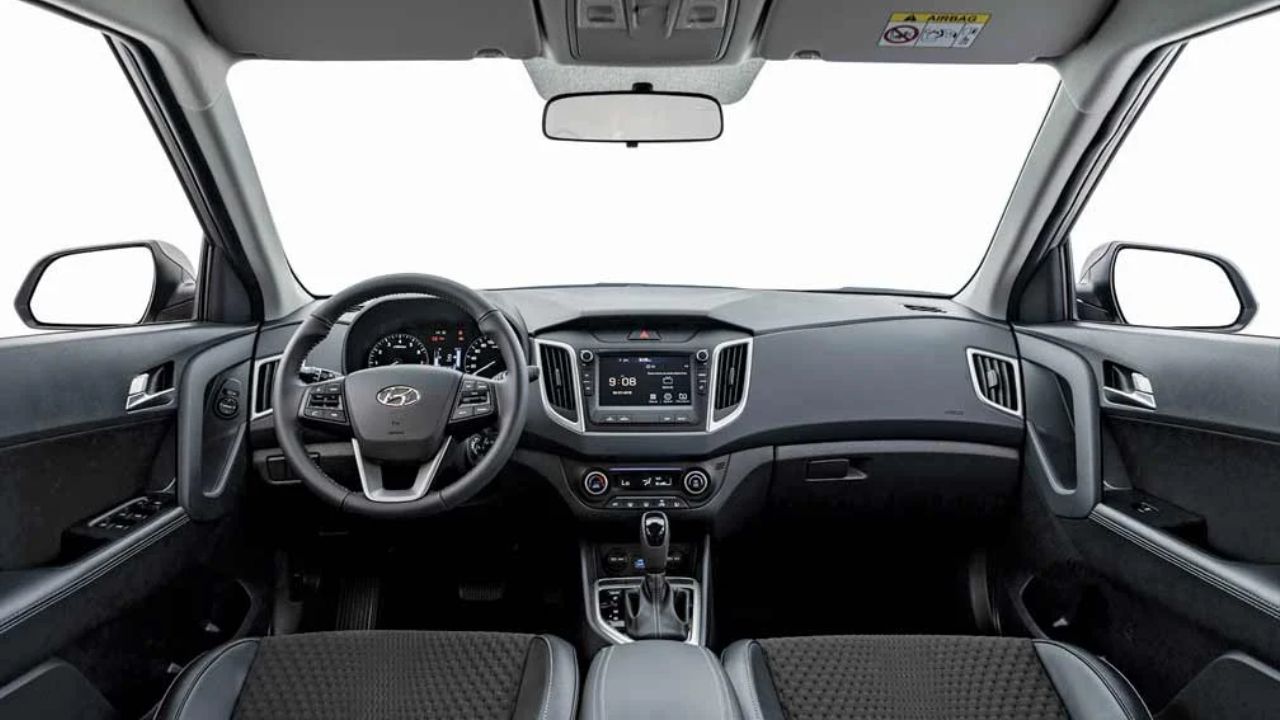


Analysis of Hyundai’s Popular SUV: 1.6 Engine with 130 HP, 431L Trunk, and Key Points of Attention in the Price Range of R$ 85 Thousand.
The Hyundai SUV that has established itself as one of the most desired in Brazil, the first-generation Creta, now strongly appears in the used car market in the price range of R$ 85 thousand. Equipped with a 1.6 naturally aspirated engine with 130 HP, a six-speed automatic transmission, and a generous 431-liter trunk, it attracts buyers with its promise of robustness and family space.
Produced in Piracicaba (SP) since 2016, this model (codename GS/GC) was the brand’s bet to replicate the success of the HB20 in the higher value segment. According to analyses from the Motor Show portal, its success is attributed to a strategy focusing on reliability and solid construction, derived from the Elantra platform. However, consumers need to assess whether the strengths outweigh the performance compromises and, especially, fuel consumption.
The Heart 1.6 and the Reputation for Reliability
The powertrain is a pillar of this Hyundai SUV’s reputation. We’re talking about the Gamma 1.6 16V naturally aspirated engine, with dual variable valve timing (D-CVVT), delivering up to 130 HP with ethanol (123 HP on gasoline). The maximum torque of 16.5 kgfm (ethanol) peaks at 4,500 rpm. It works in conjunction with a conventional six-speed automatic transmission, with a torque converter, known for its smoothness and robustness.
-
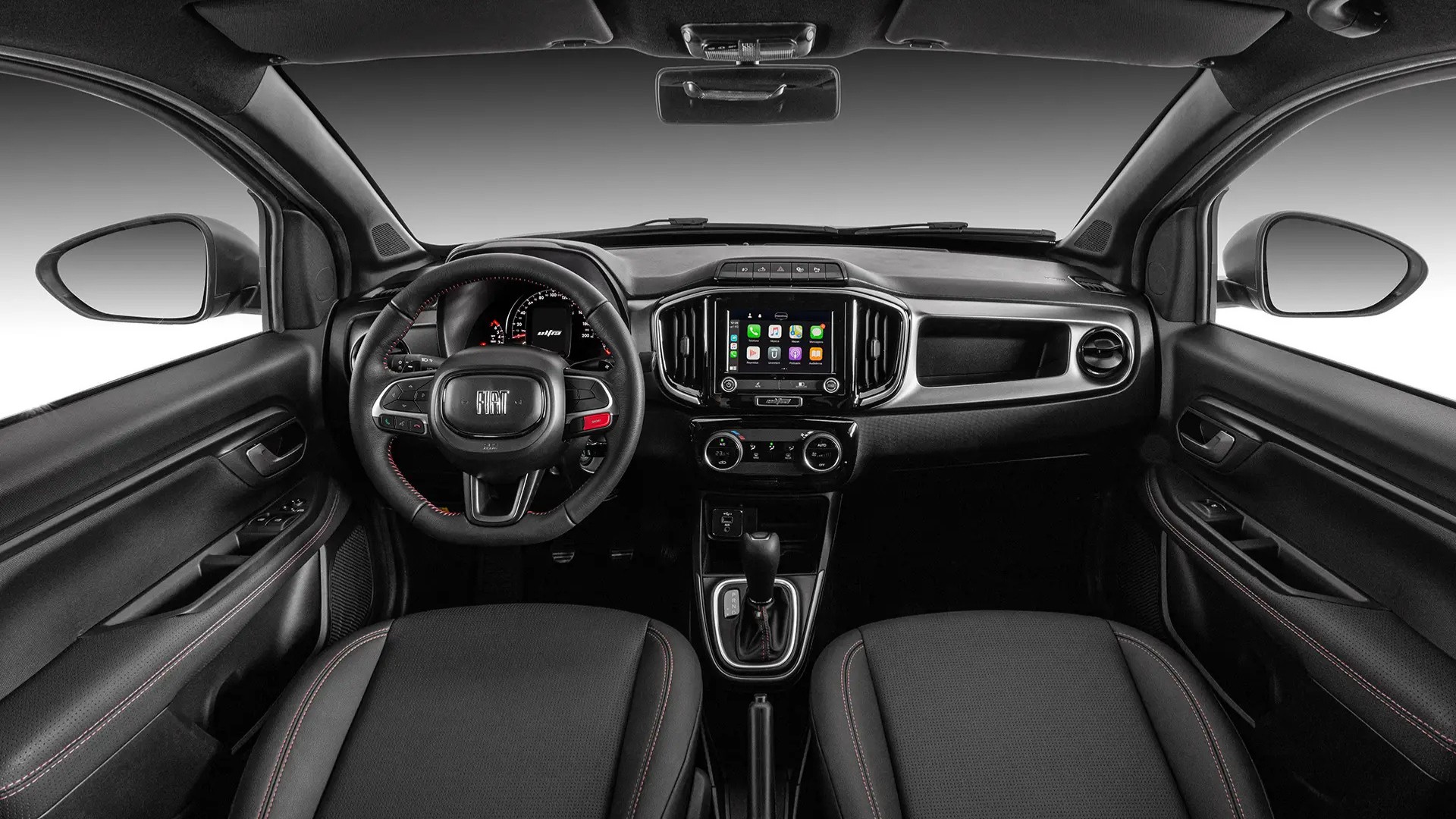
With a 1.3 engine, nearly 700 km of range, and Turbo 200, the Fiat model surpasses Polo, Tera HB20, and Onix, becoming the best-selling car in March; see the numbers for the Fiat Strada and others.
-
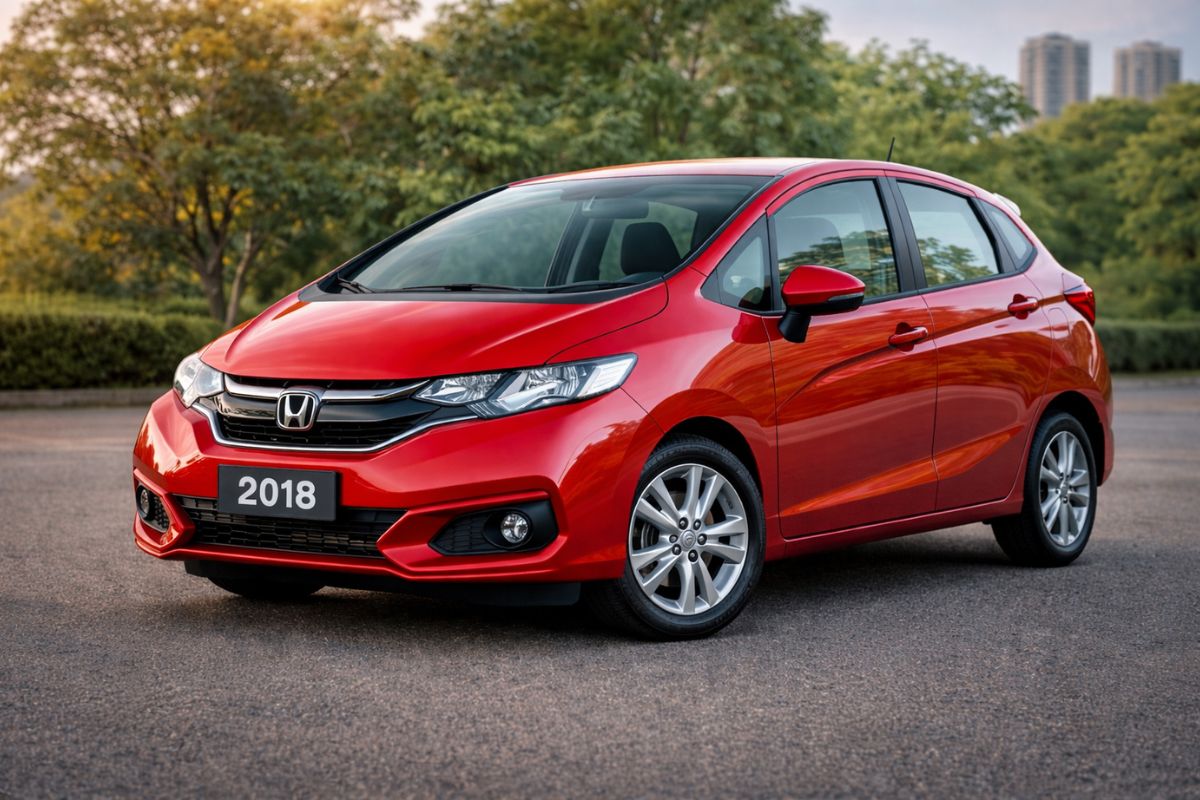
The Honda Fit has been discontinued for years, but the 2018 model is worth more today in the Fipe table than it cost brand new, proving that this used car, valued with a 1.5 i-VTEC engine and Magic Seat, only increases in price.
-
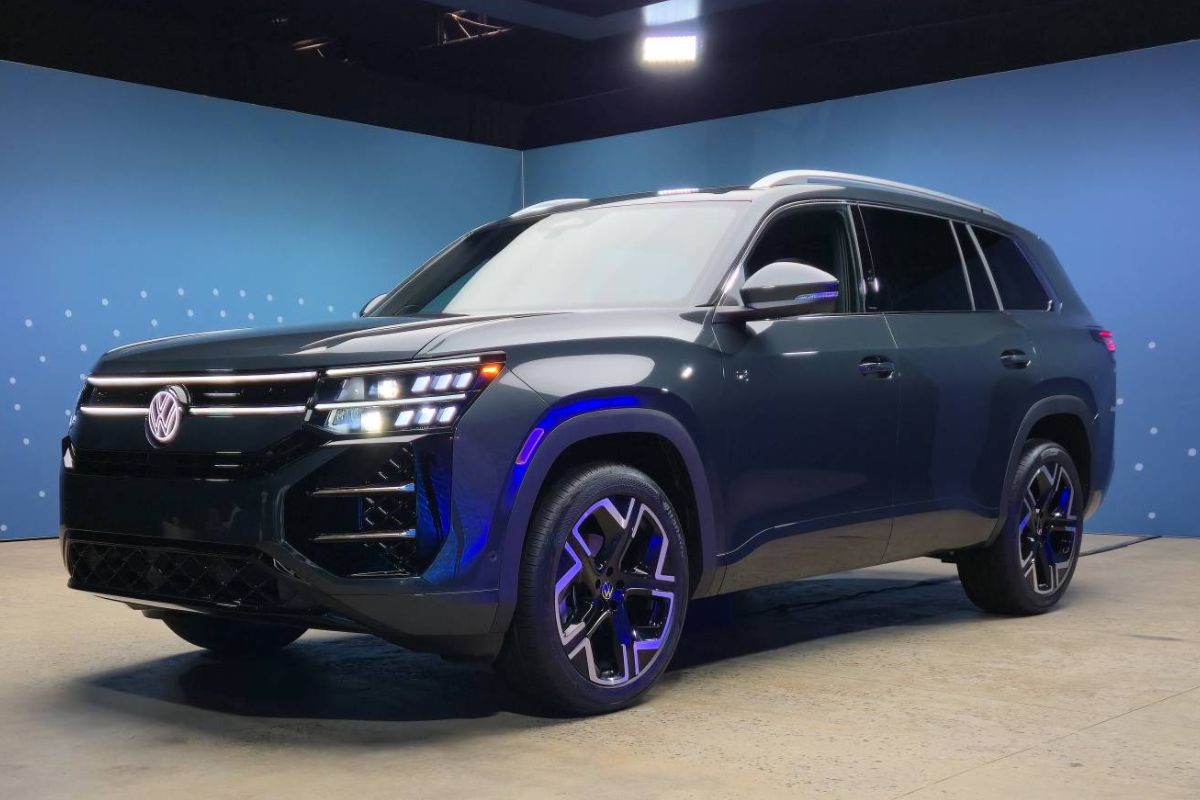
Volkswagen unveiled the 2027 Atlas with a 282-horsepower EA888 turbo engine, a 15-inch screen, massage seats, and a completely new interior to finally elevate the three-row SUV built on the MQB platform to a new level.
-
After decades out of the spotlight, Citroën is preparing to bring back the legendary 2CV as a low-cost electric vehicle, betting on the revival of one of the most popular cars in history and aiming to enter the race for affordable compact cars.

Motor Show highlights that the choice of a naturally aspirated engine and a conventional transmission was not a step backwards but a strategic decision by Hyundai. The brand prioritized reliability and low maintenance costs over performance and cutting-edge efficiency, a gamble that appealed to risk-averse buyers seeking long-term peace of mind, a crucial point in assessing a used car.
Performance and Consumption: Where the Car Divides Opinions
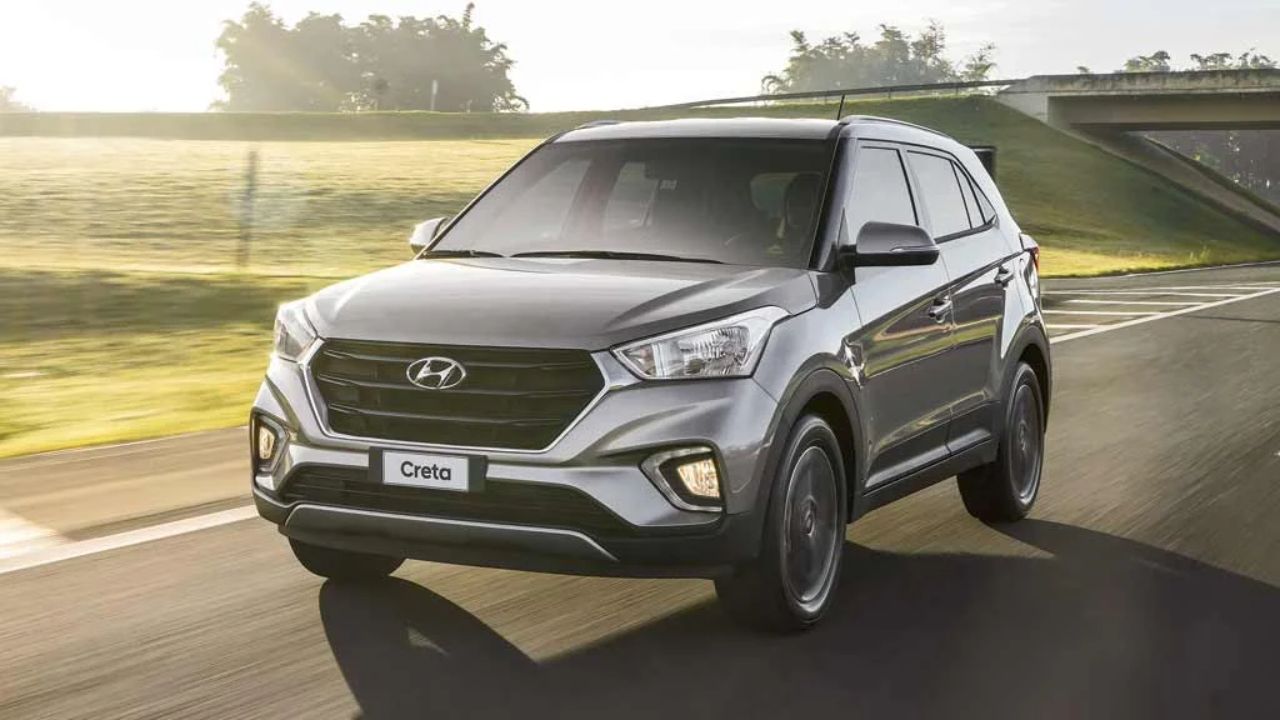
In terms of performance, the Creta 1.6 is considered merely adequate. In standardized tests conducted by the magazine Quatro Rodas, the SUV recorded an acceleration of 0 to 100 km/h in 12.7 seconds. The driving experience reveals adequate performance for urban use. However, on highways, the engine shows effort to move the 1,359 kg vehicle, requiring gear reductions and high revs during overtaking.
Fuel consumption is undoubtedly the most criticized point. Quatro Rodas measured averages of 10.4 km/l in the city and 13.5 km/l on the highway (presumably with gasoline). However, the reality for owners, as compiled by the site Carros na Web, is less optimistic and should be considered by buyers.
According to reports from owners on Carros na Web, urban consumption with ethanol often ranges from 6.5 to 7.0 km/l, potentially plummeting to 4.7 km/l in heavy traffic. On the highway, with the same fuel, averages range between 9.5 and 10.0 km/l. This high expenditure is a direct counterpoint to the weight of the car, derived from its robust platform, and the need for the 1.6 engine to operate at higher revs to deliver performance.
Interior Space and Practicality: Where the Creta Shines
If performance and consumption generate debates, interior space is a positive consensus. With 2.59 meters of wheelbase, the Hyundai SUV offers a generous cabin, especially for those traveling in the rear seat, with plenty of legroom and headroom. The finish, although dominated by hard plastics (common in the segment), is praised for its solid assembly and absence of premature noises, according to owner reports.
The standout feature of the model is its trunk. With a declared capacity of 431 liters, it ranks among the largest in its category. Motor Show points out that it easily surpasses direct competitors of its time, such as the Jeep Renegade (320 liters) and the previous-generation Chevrolet Tracker (306 liters), making it an extremely functional choice for families needing space.
Which 1.6 Versions to Look for R$ 85 Thousand?
In the range of R$ 85 thousand (usually 2018 or 2019 models), special attention should be paid, as the differences between versions are crucial for the user experience. Entry-level versions, such as Attitude and Action, came with a basic radio (blueAudio) without a touchscreen. The “easy to use” center mentioned in the briefing, the 7-inch blueMedia with Apple CarPlay and Android Auto, was present in intermediate and higher versions, such as the Pulse Plus and Smart Plus.
More important than multimedia features is safety. Essential items like electronic stability controls (ESC) and traction (TCS), as well as the hill start assist, were restricted to versions starting from the Pulse Plus. The entry-level versions lacked these vital items, making the search for more complete configurations an absolute priority for anyone buying a used car.
Owners’ Opinions: What to Watch for in the Long Run
The Creta enjoys a solid reputation for robust reliability, as highlighted by Motor Show. There are no reports of serious chronic issues with the engine or transmission. A fundamental differential in the used car market is Hyundai’s five-year factory warranty; many 2019 or 2020 units purchased in 2025 may still be covered, reducing financial risk.
However, Carros na Web, based on owners’ opinions, points out some recurring annoyances that deserve attention during a test drive. The most cited are premature wear or warping of the front brake discs, clicks in the steering column when maneuvering at low speeds, and, in some cases, sporadic freezing of the multimedia system. These are points of concern but considered of lower severity and repair cost.
A Rational SUV with Clear Commitments


The first-generation automatic Hyundai Creta 1.6 stands out in the R$ 85 thousand price range as an excellent choice for those whose top priorities are interior space, driving comfort, and robust reliability. It is a practical family SUV and a safe purchase in the used car market.
However, it is an unsuitable choice for those seeking vigorous performance or, especially, low fuel consumption. The recommendation is clear: prioritize the “Plus” versions (Pulse Plus or Smart Plus), which offer the complete safety package with ESC and TCS, plus the more modern multimedia system.
Do you have or have you ever owned a 1.6 Creta? Do you think the high fuel consumption is outweighed by the space and reliability? Share your opinion in the comments; we want to know about the real experience of those who use the car daily.







Eu tenho um Creta 2018/2019 sou muito satisfeito com o carro 1.6 é PCD não troco por um carro novo de outra marca queria trocar por um Creta mais não tem como isenção
Boa noite tenho um Creta plus plus 1.6 completo já vai fazer 2 anos,já andei mais de 100 km é top de mais,vou sai dele e pegar outro,vale a pena comprar.
O consumo depende muito do pé do motorista , ex: saídas muito rápidas nos farol manter uma velocidade constante é muito importante pra o consumo