





 Portuguese
  English
  Spanish
  3 min of reading
  0 comments


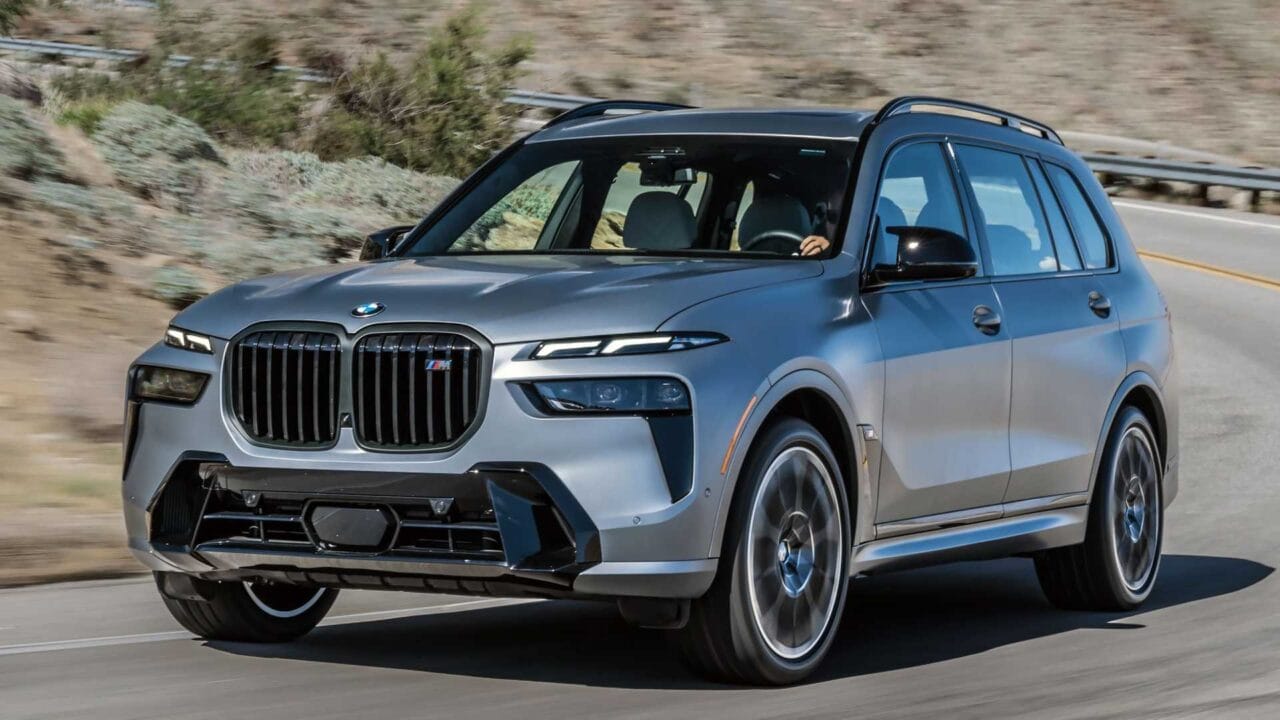
The Newly Arrived BMW X7 SUV Lands In The Brazilian Market, Impressing With Its 530 Horsepower. The Seven-Seater Model Of The German Brand Also Stands Out For Its Wide Range Of Embedded Technologies.
The new BMW X7 SUV has arrived in Brazil, the large seven-seater SUV from the brand, which was introduced to the global market last year. Now with a redesigned look, and also featuring a huge front grille, the brand’s new design language, the model arrives in the country initially in a single version, the M60i, equipped with a V8 engine delivering 530 horsepower.
Seven-Seater BMW X7 SUV Is Full Of Cutting-Edge Technologies


At the front, the headlights are split, where the lower ones serve as headlights themselves, and above are the LED daytime running lights. The front bumper features sharper creases, and at the rear, there are few changes.
The new BMW SUV still retains the horizontal taillights that invade the trunk lid, for instance. Inside, the new BMW X7 SUV excels in technology. In this way, following the trend set by the electric iX, the dashboard has been completely redesigned. One of the novelties includes the displays, with a 12.3-inch instrument panel and a 14.9-inch multimedia screen, housed in a unique horizontal assembly.
-
Six diseases that seem common but can prevent the renewal of the driver’s license for the elderly throughout Brazil and surprise experienced drivers — could any of them affect you without showing clear signs?

-
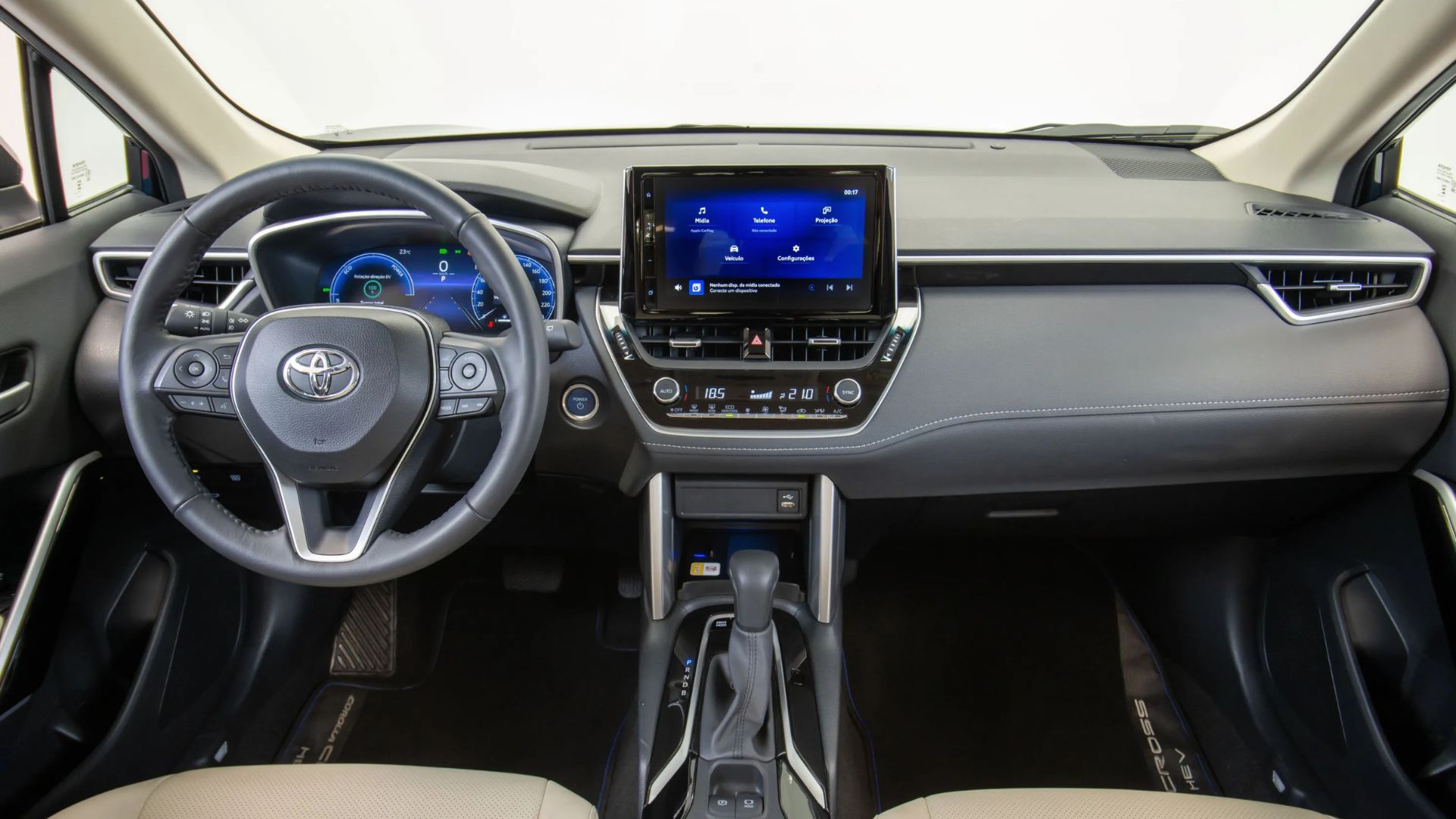
With 122 hp, fuel consumption of up to 17.7 km/l, and a trunk capacity of 440 liters, this hybrid SUV impresses even though it costs up to R$ 47,000 more than the Yaris — meet the Toyota Corolla Cross.
-
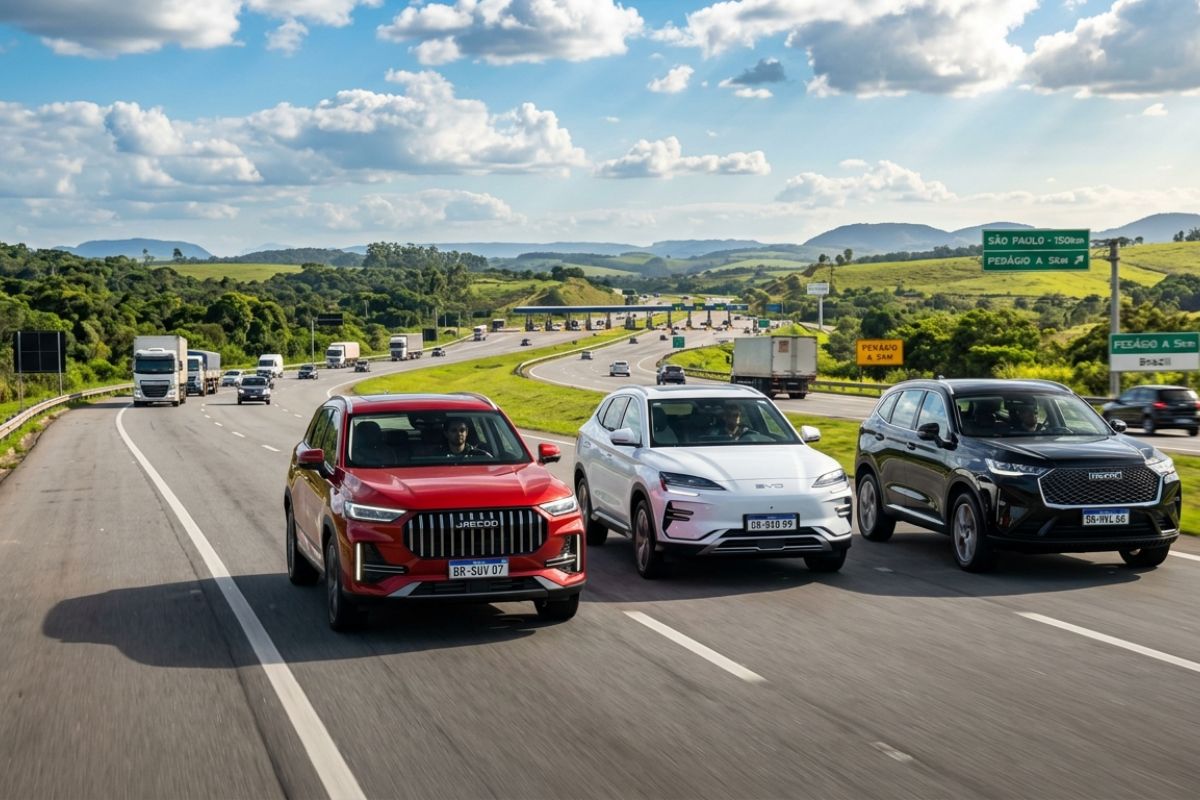
600 km with three Chinese plug-in SUVs, same mode and air conditioning on: Jaecoo 7, BYD Song Plus, and Haval H6 hit the road, and the pump reveals who was truly the most economical.
-
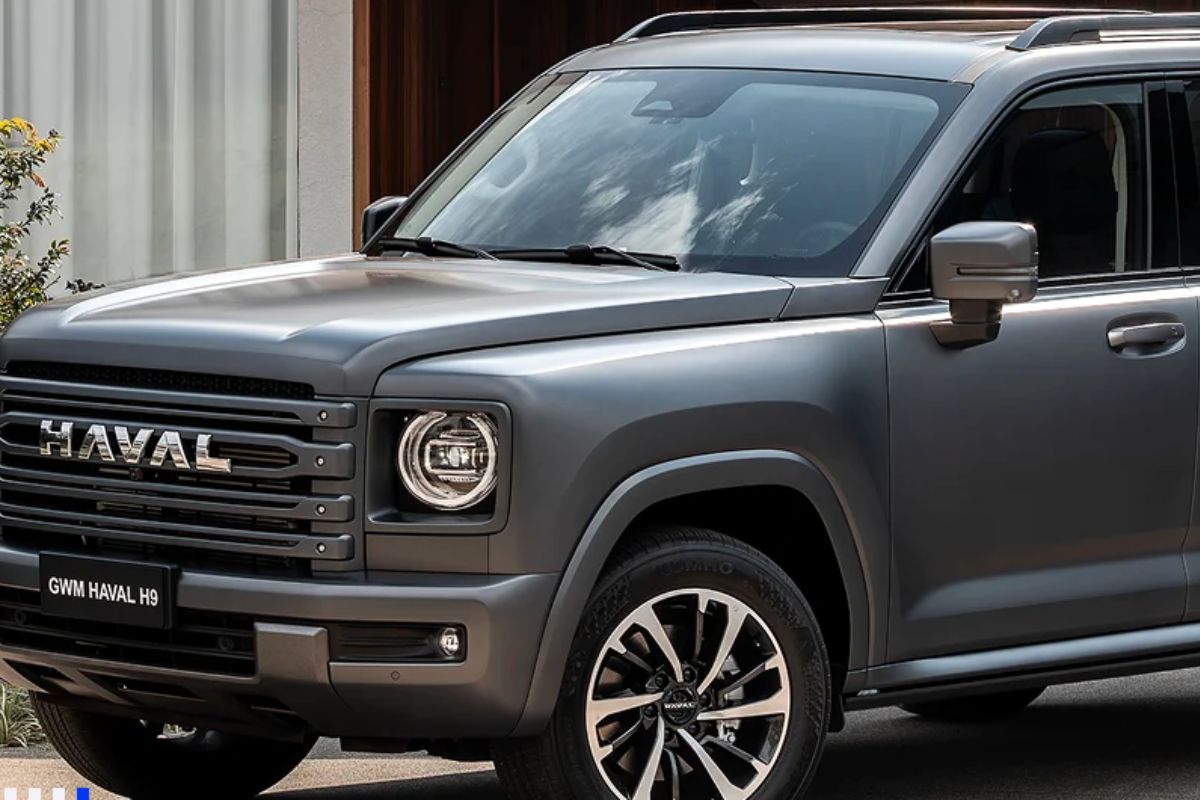
With a price almost R$ 100 thousand lower, the Haval H9 surpasses the SW4 for the first time in March, but Toyota still leads in the accumulated total for 2026; the Chinese SUV bets on technology and premium finishing to compete at the top.

The gear lever has been replaced by a new control, without a knob, and new air vents are part of the interior assembly. Among the innovations of the seven-seater SUV are seats upholstered in Merino Leather (just like in the electric i7), 22-inch wheels, 5-zone air conditioning, and doors with soft-close. Additionally, there are also seats with ventilation and heating, cup holders with cooling or heating, a Sky-Lounge sunroof, a Bowers & Wilkins Diamond sound system with over 1500W, and more.
New Seven-Seater BMW SUV Can Reach 250 Km/h
Other highlights of the BMW X7 SUV include active steering with rear-wheel steering, automated driving systems, front collision and lane departure warnings, cruise control with stop&go, and parking assist.
There is also the Digital Key Plus, a virtual key system compatible with Samsung Galaxy and iPhone smartphone models, which dispenses with the physical key. To move the seven-seater SUV, there is the 4.4 V8 Twin Power engine producing 530 horsepower and 76.4 mkgf of torque, linked to an eight-speed automatic transmission, and all-wheel drive.
According to the manufacturer, the BMW X7 SUV in this configuration has a top speed of 250 km/h and goes from 0 to 100 in just 4.7 seconds, for example. Furthermore, all models come with the BMW Service Inclusive (BSI) program free for three years or 40,000 km, whichever comes first.
The model is available in Mineral White, Marina Bay Blue, Manhattan Gray, Alpine White, Sapphire Black, Carbon Black, Brooklyn Gray, and Skyscraper Gray. Additionally, inside, the interior can come in Ivory White, Black, Coffee, or Tarfuto colors. Finally, its suggested price is R$ 1,154,950.
New RENAULT SUV Arrives To Compete With Luxury Cars
In addition to the BMW X7 SUV, the new Renault SUV, called Kardian, arrives in Brazil in March next year and the French brand is already preparing the ground for its launch. The brand’s new strategy focuses on SUVs and pickups.
Renault revealed some data about the design, engine, and other specifications of the Kardian, which will be produced in Brazil.
The new Renault SUV will be manufactured at the Curitiba plant, serving demands from over 20 countries. It will also be produced in Morocco. The car will feature a 1.0 turbo engine and dual-clutch transmission.








Seja o primeiro a reagir!