





 Portuguese
  English
  Spanish
  3 min of reading


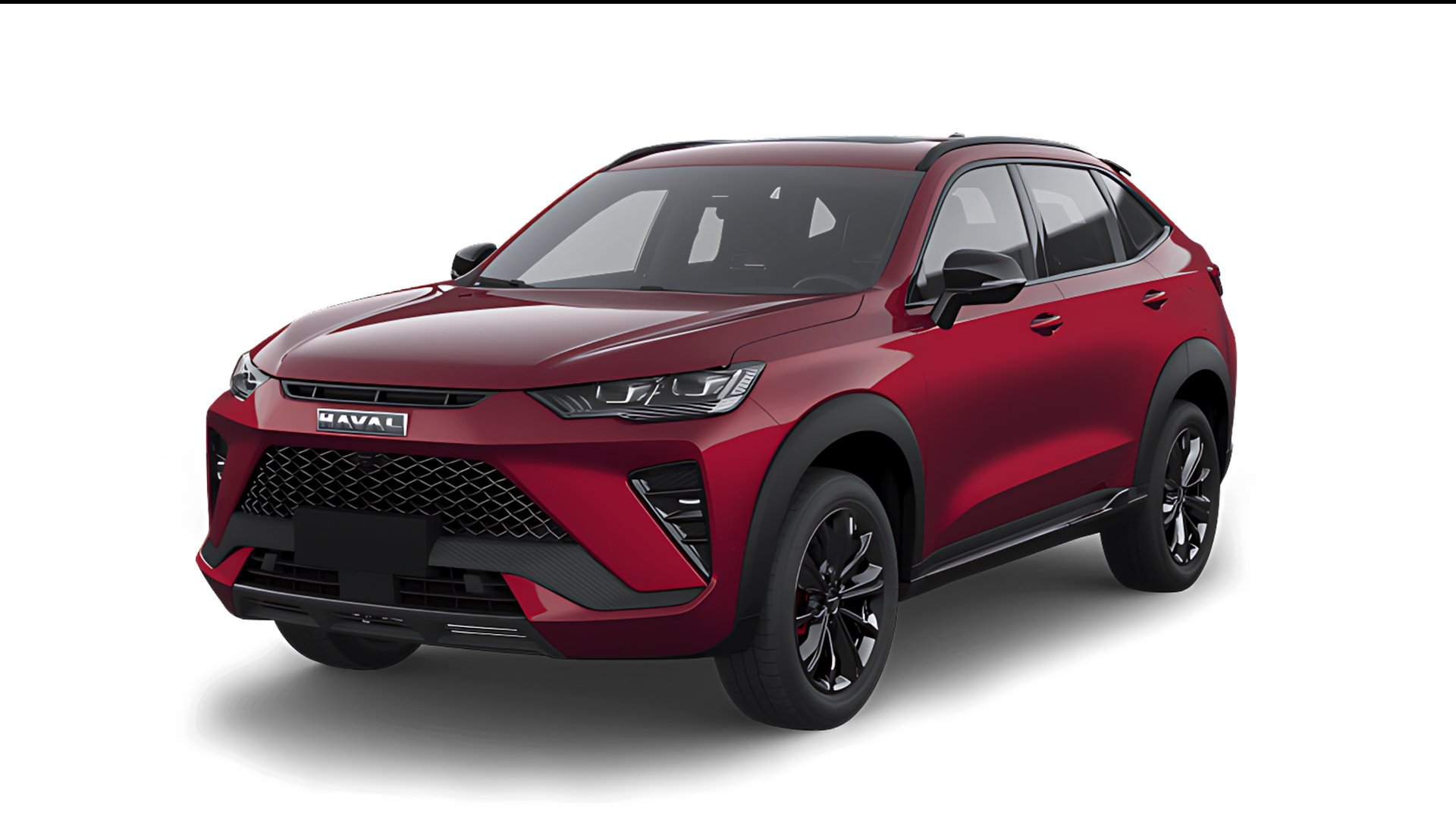
The GWM Hybrid SUV Can Reach Acceleration From 0 to 100 Kilometers Per Hour in 4.8 Seconds, for That the Driver Will Need to Turn Off the Vehicle’s Stability and Traction Control Systems
Great Wall Motors (GWM) recently unveiled its brand new Haval H6 GT, a hybrid sports utility vehicle (SUV) from China imported to Brazil. Although the price has not yet been disclosed, the company is offering the possibility of pre-ordering the hybrid SUV in exchange for a deposit of R$ 9,000.
The Haval H6 GT is a plug-in hybrid SUV with a 1.5-liter combustion engine and two electric motors. The engines can produce 393 horsepower and 76 kgfm of torque when combined. The automatic transmission is of the DHT type.
Customers who make a deposit to pre-order a Haval H6 GT and then decide they no longer want to purchase the vehicle after learning its price will have their money refunded, according to the Chinese manufacturer.
-
The engine that powers almost the entire Volkswagen lineup in Brazil may be nearing its end in Europe because the brand wants to simplify its range to just three engines and is already preparing the 1.5 TSI as a replacement that will also arrive in the Brazilian market.

-
China did not ask for permission and took the wheel of the global automotive industry while automakers from the US and Europe accumulated $75 billion in losses.

-
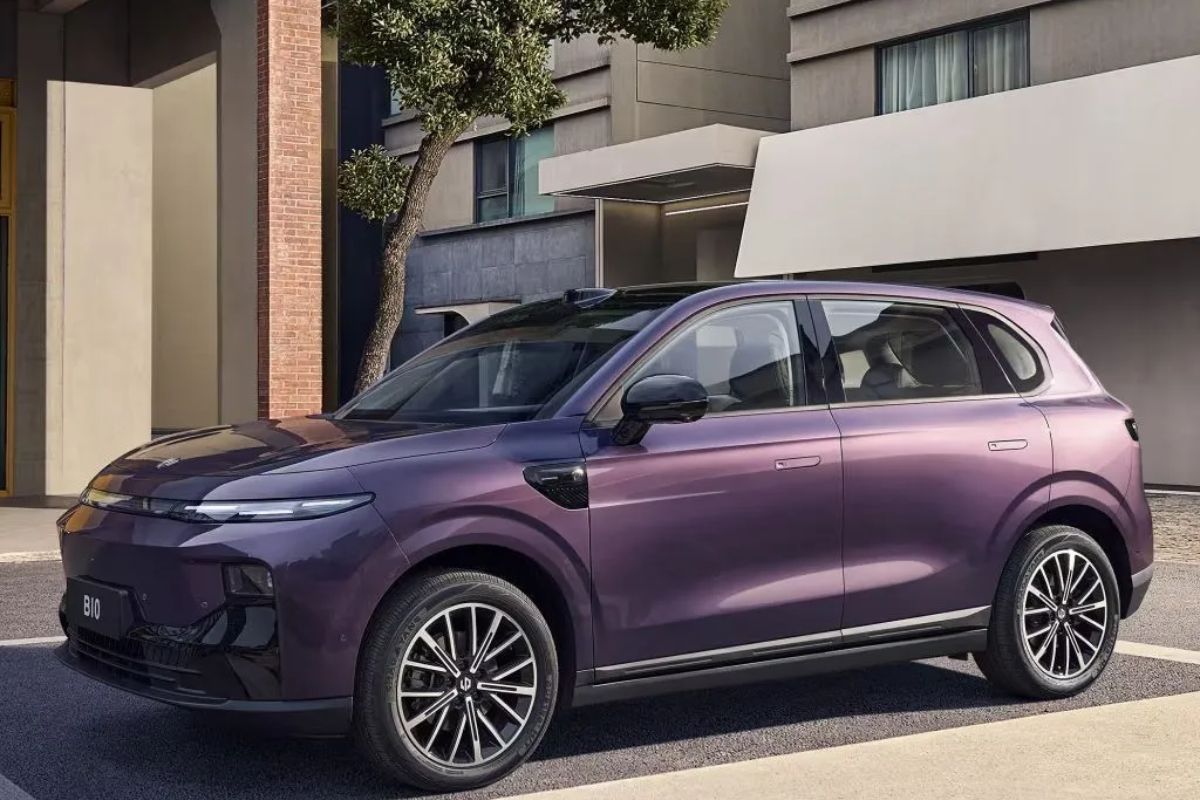
Leapmotor B10 arrives at R$ 182,990 with 218 hp, recharges from 30% to 80% in just 16 minutes, drives up to 288 km, and will also be produced in Brazil at a Stellantis factory.
-
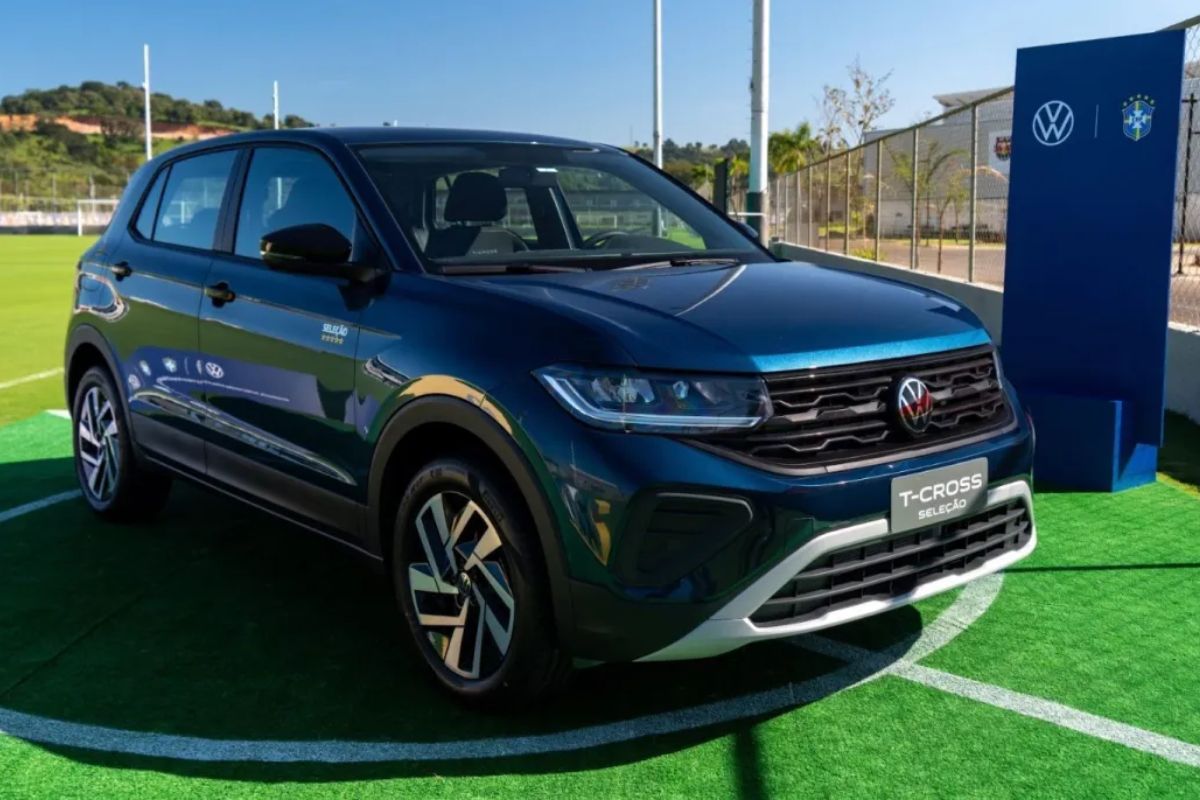
Volkswagen launches T-Cross Seleção for R$ 129,990 with 17” wheels, exclusive CBF design, Norway Blue color, and enhanced package; special edition for the 2026 World Cup arrives at dealerships in May.
Permanent all-wheel drive is included. According to GWM, the combustion engine can never operate independently. Even during cruise speed, when most hybrid vehicles focus their efforts on the combustion engine to charge the battery, it will continue to be assisted by the electric units throughout the journey.
The combined consumption of the engines in the city is 27.4 kilometers per liter. On the road, the Haval hybrid SUV achieves fuel consumption comparable to the Honda Civic, reaching 25.2 kilometers per liter. According to the Chinese manufacturer, the battery has a capacity of 34 kWh, which allows the SUV to travel 170 kilometers on electric power alone.
The GT model of the Haval H6 can go from 0 to 100 kilometers per hour in 4.8 seconds, but the driver will need to disable the vehicle’s stability and traction control systems and use the launch control feature to achieve this acceleration. See the car in detail in this video:


The Haval H6 GT Hybrid SUV Takes About 20 Minutes to Charge From 10% to 80% Using DC Fast Charging Equipment
The hybrid SUV measures 4.72 meters in length, 1.94 meters in width, 1.72 meters in height, and has a wheelbase of 2.73 meters. When compared to the Caoa Chery Tiggo 8 Pro Plug-in Hybrid, its main competitor, the Haval H6 GT has a wheelbase that is 2 centimeters longer and is 6 centimeters wider and lower. It is worth noting that the Haval comfortably accommodates five people.
In addition, the equipment package of the GWM hybrid SUV includes a digital instrument panel, a multimedia center compatible with Apple CarPlay and Android Auto, wireless phone charger, premium JBL sound system, panoramic sunroof, and luxury finish.
Adaptive cruise control, an emergency braking system, cross traffic assist, and blind spot sensors are examples of driver assistance technologies. In addition, the Haval integrates a camera for the purpose of facial recognition of the driver.
This camera records the seat position, driving mode, air conditioning temperature, and other aspects according to each driver’s unique preferences. Up to five different faces can be registered.
The month of April 2023 is expected to be when the first units of the hybrid SUV will be delivered to consumers who made pre-reservations. According to GWM, the lack of semiconductor microchips or batteries does not hinder commercial operations. The Chinese automaker plans to bring ten new models to the Brazilian market over the next three years, some of which will be based on local designs.
GWM will focus on pop-up stores, test drives in shopping malls, and home delivery of vehicles as ways to differentiate itself from competitors.








Seja o primeiro a reagir!