





 Portuguese
  English
  Spanish
  6 min of reading
  0 comments


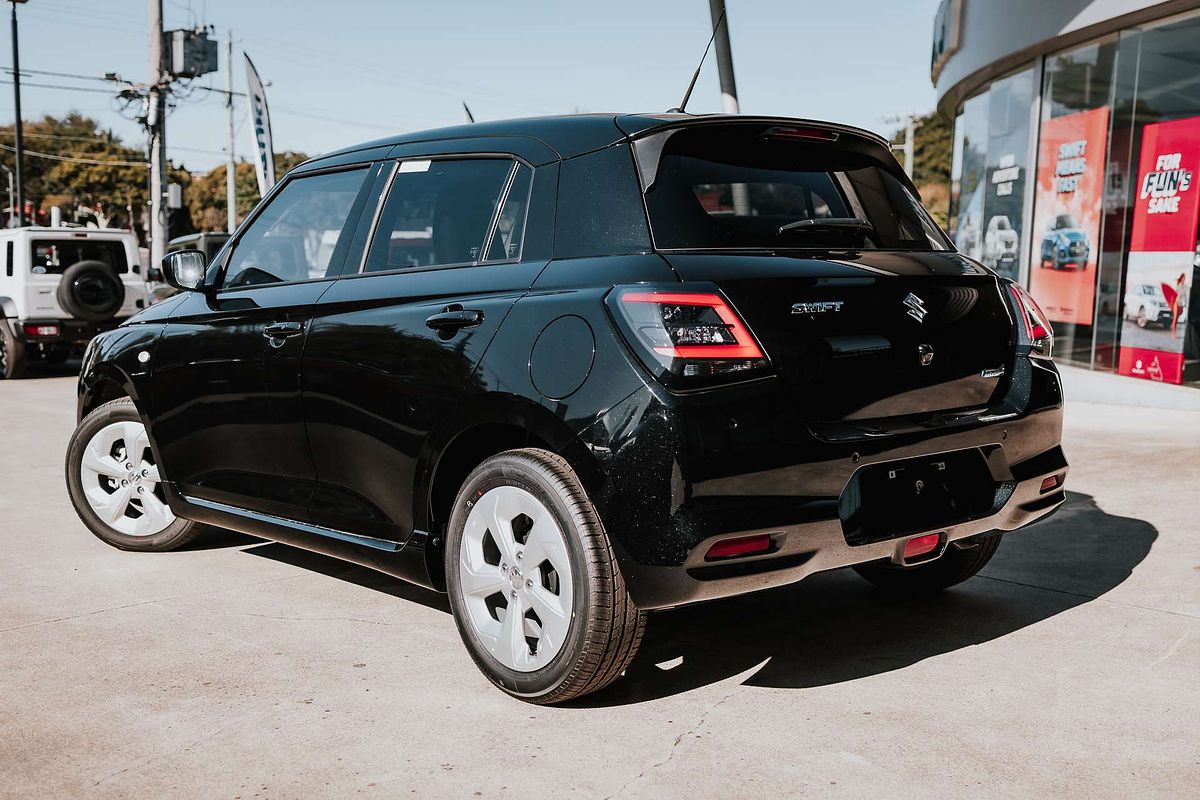
Suzuki Swift Hybrid Arrives in the Asian Market With Impressive Consumption of 28 Km/L, Efficient Technology, and Competitive Price. Learn Why This Economic Hybrid Hatch Will Not Come to Brazil.
Suzuki has just introduced to the market a new generation of its most iconic model: the Suzuki Swift Hybrid, an economic hybrid hatch that promises impressive range, embedded technology, and an affordable price. The launch, which officially took place in Japan and other Asian markets, consolidates the brand’s commitment to sustainable mobility. The new Swift has been completely redesigned and combines an efficient combustion engine with a mild hybrid system. The result is a city car with an estimated average consumption of 28 km/l in the WLTC cycle — one of the best figures in the category.
However, the excitement of the Brazilian public may be tempered by an important factor: Suzuki has no immediate plans to bring the model to Brazil. The forecast for the Suzuki Swift Hybrid in Brazil is still uncertain, raising discussions about the challenges of the national market for compact hybrid vehicles.
Suzuki’s Hybrid Hatch Impresses With Economy and Urban Performance


The new Suzuki Swift Hybrid was designed to meet the demands of Asian consumers: low fuel consumption, compact design, and practicality in dense urban traffic. The mechanics include a 1.2-liter three-cylinder engine, coupled with a 12V hybrid system and lithium-ion battery. This setup does not aim for sports performance but maximum energy efficiency.
-
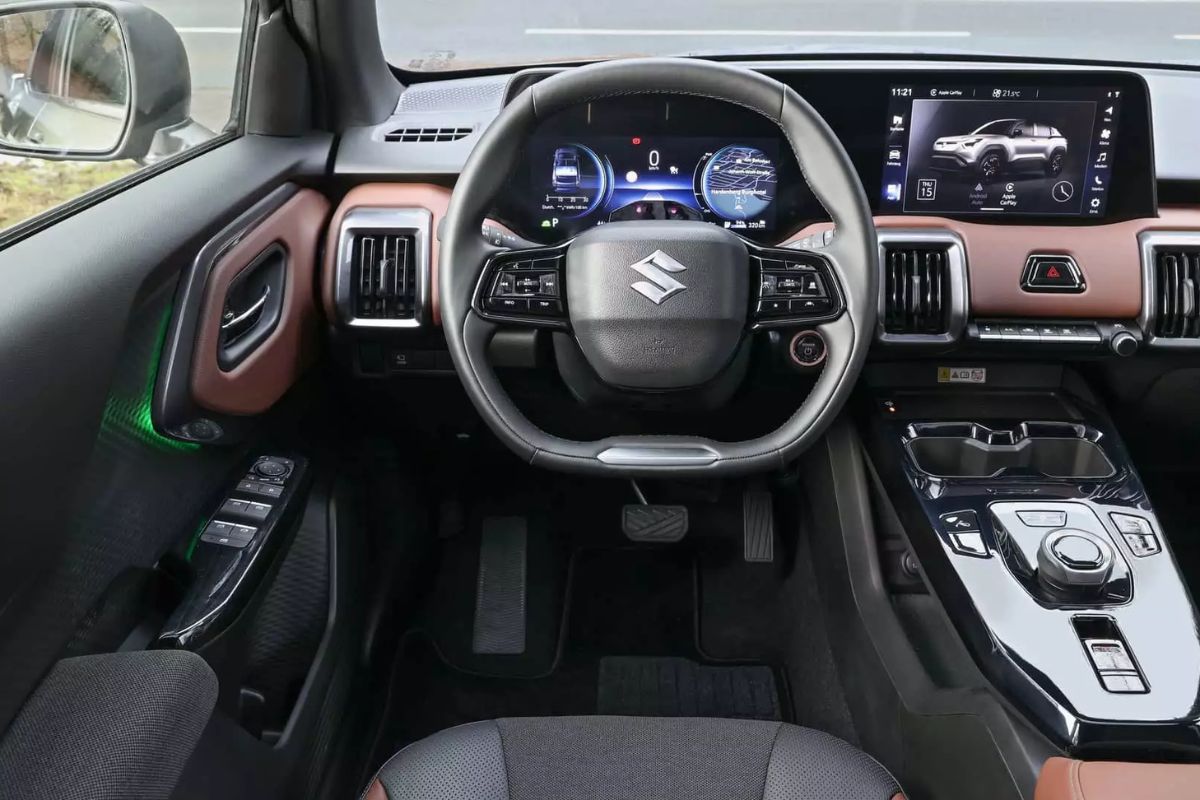
The 2026 electric Vitara arrives in Brazil and proves that Suzuki is not leaving: 4×4 traction, 184 hp, 61 kWh LFP battery, 293 km range, R$ 259,000, and a trunk capacity of 224 L.
-
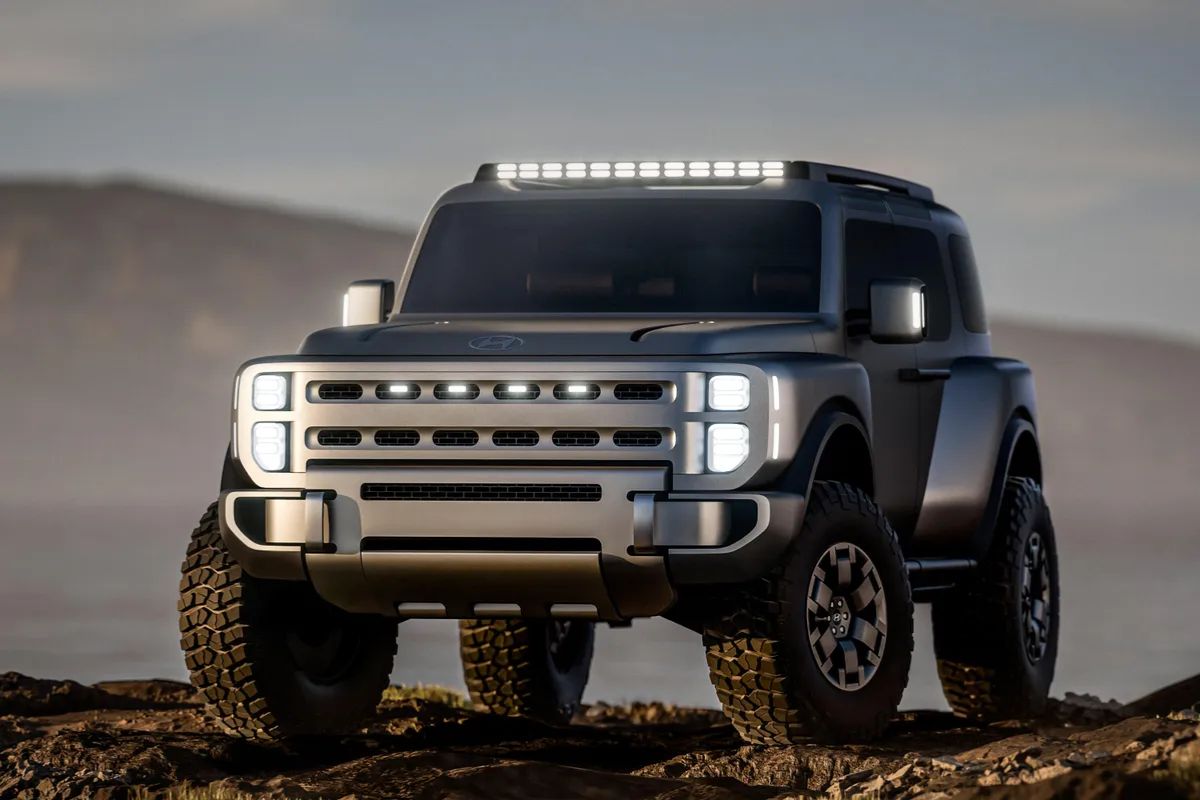
Hyundai has unveiled the Boulder, a square SUV with a body-on-frame design, 37-inch mud tires, and carriage-style doors that seems to be made to take on the Ford Bronco and the Scout Traveller in the United States.
-
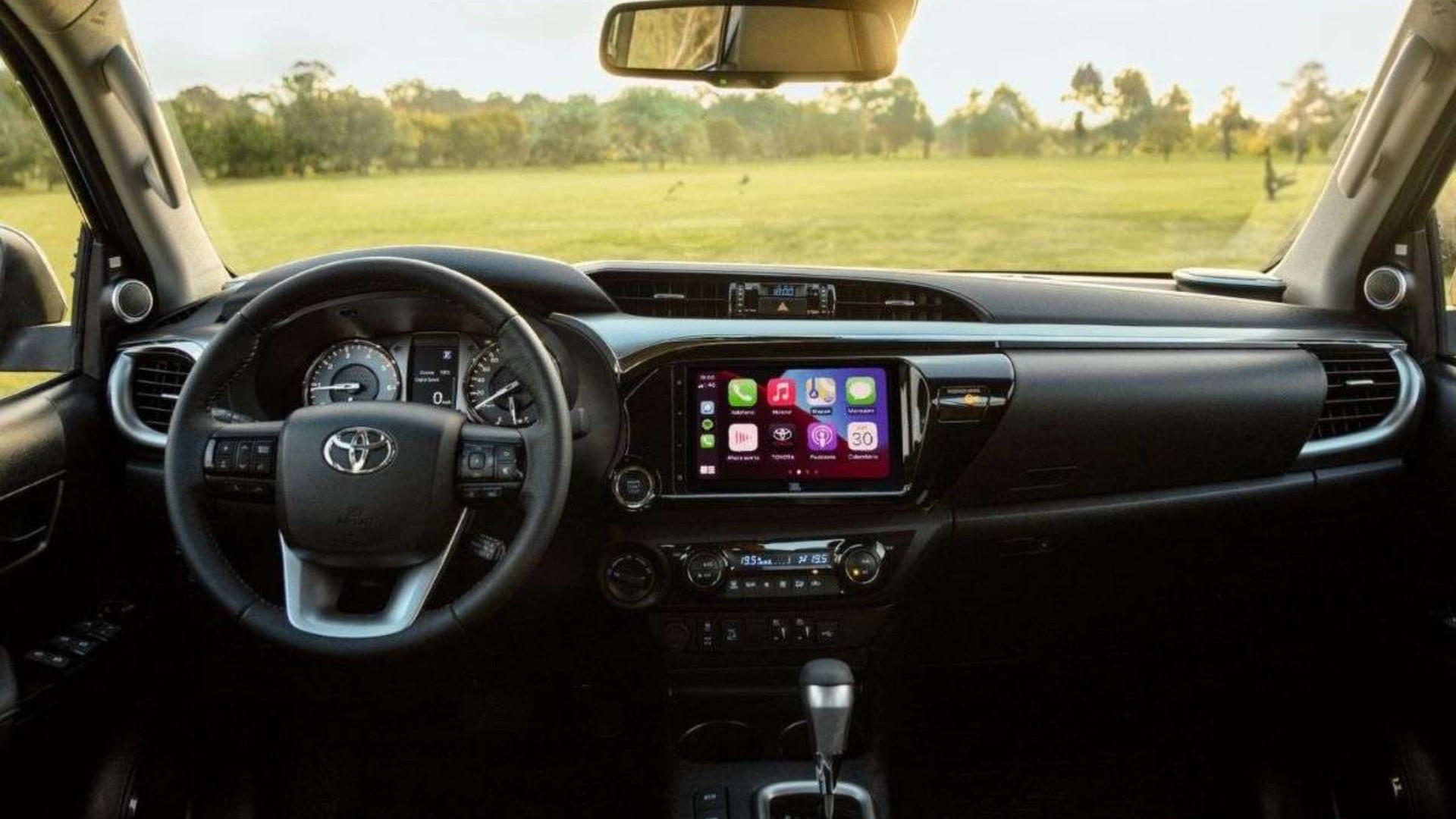
The Toyota Hilux is R$ 75.5 thousand cheaper and bets on the 2.8 turbodiesel engine with up to 204 hp and 50.9 kgfm to catch up with the VW Saveiro, which leads with 4,472 sales.
-
The new Renault Koleos has a screen exclusively for the passenger that is invisible to the driver, heated rear seats, and 29 assistance systems, but its Chinese competitors cost R$ 40,000 less and deliver more power.
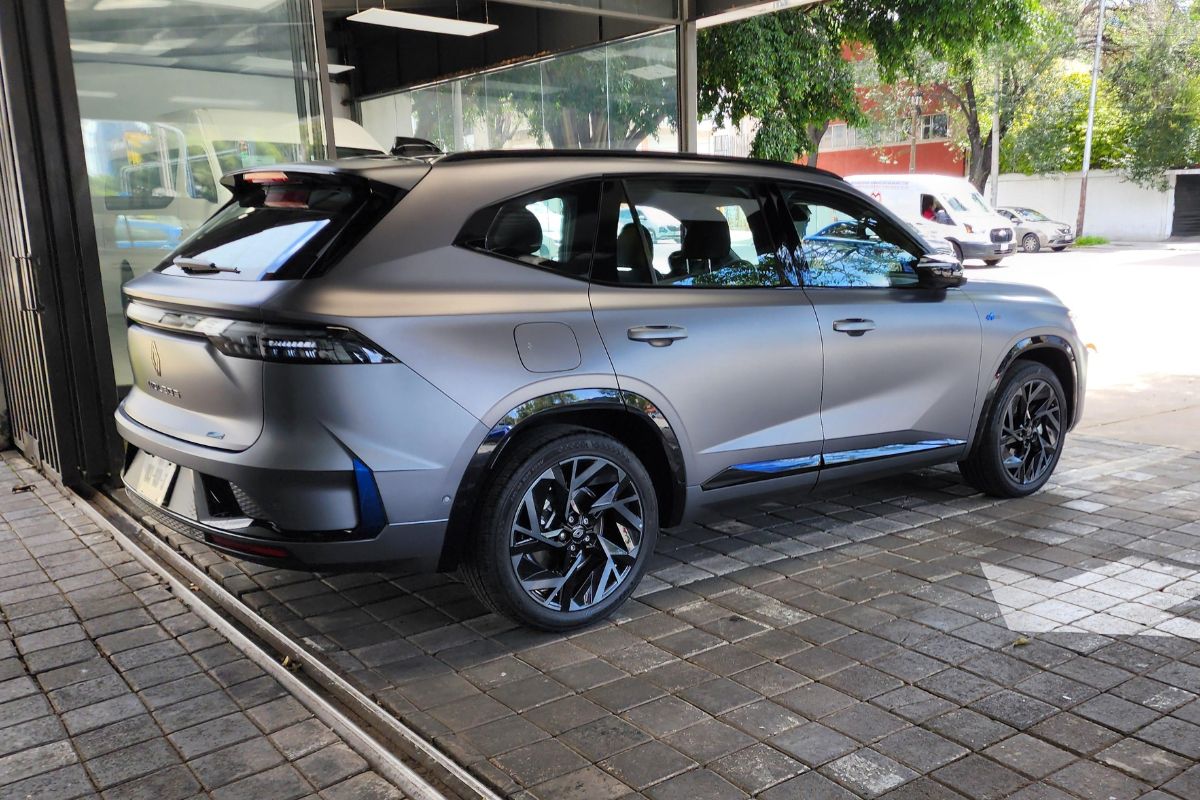

According to official data from Suzuki Motor Corporation, the model achieves up to 28 km/l in the Japanese WLTC cycle, surpassing direct competitors such as the Toyota Yaris Hybrid and the Honda Fit e:HEV in certain urban usage scenarios. The CVT automatic transmission has been retained, with improvements in electronic management to optimize consumption.
The structure of the Swift has also been reworked, with greater use of high-strength steels to reduce weight and increase body rigidity. This, combined with the Start&Stop system and energy recovery during braking, contributes to a modern and highly efficient urban proposition.
Redesigned With a Focus on Practicality and Technology
Externally, the Swift Hybrid maintains the compact proportions characteristic of the model — at about 3.86 meters in length — but adopts more rounded lines, a redesigned front grille, and new LED headlight assemblies. Despite the understated appearance, the hatch surprises inside.
The interior features a 9-inch multimedia center compatible with Apple CarPlay and Android Auto, automatic air conditioning, a configurable digital display, and finishes that blend simplicity with good taste. Suzuki also included various active safety items in the package:
- Autonomous emergency braking
- Adaptive cruise control
- Lane-keeping assist
- Blind spot alert
These features, combined with ultra-economical consumption, reinforce the appeal of the Swift as one of the best hybrid cars in Japan in the compact segment.
Competitive Price: How Much Does the Hybrid Swift Cost in Asia?
The Suzuki hybrid hatch starts at approximately 1.8 million yen in Japan — equivalent to about R$ 110,000 in direct conversion, excluding taxes or import fees. The price positions the Swift strategically in the Asian market, making it accessible to a young, urban audience.
For comparison, the Toyota Yaris Cross Hybrid starts at around 2.1 million yen, while the Honda Fit e:HEV exceeds 2.3 million. In other words, the hybrid Swift offers an extremely competitive package within its price range, with the added benefit of economy and lightness.
Why Won’t the Hybrid Swift Come to Brazil Anytime Soon?
Despite its proven efficiency, the Suzuki Swift Hybrid still has no launch forecast in Brazil. The Brazilian division of the brand, under the management of the HPE Automotores group, has already stated that it primarily focuses on SUVs and off-road models, such as the Jimny and Vitara.
Furthermore, Brazil still faces structural barriers that complicate the importation and commercialization of compact hybrid hatches:
- High tax burden on imported vehicles
- Lack of robust incentives for mild hybrids
- Low perceived demand in the premium hatch segment
- Competition with low-cost flex models produced locally
According to analysts in the automotive sector, such as those at JATO Dynamics, the country will only receive models like the Swift when there is a greater volume of Suzuki imports, incentive policies, and a consumer base willing to invest more in efficiency than in power or interior space.
The Advancement of Hybrid Cars in Japan and Suzuki’s Role
The presence of the Suzuki Swift Hybrid reinforces the brand’s commitment to sustainable energy infrastructure. Suzuki invests heavily in thermal efficiency, energy recovery, and weight reduction of vehicles — three essential pillars of the automotive energy transition.
Although it is not a plug-in hybrid, the model significantly contributes to reducing the use of fossil fuels. According to Suzuki Global’s annual report (FY2023), the new generation of hybrid vehicles from the company has reduced average CO₂ emissions from the fleet sold in Japan by 36%.
Moreover, the Swift is produced in factories with ISO 14001 environmental certification, and the automaker invests in solar energy for industrial supply, in regions like Shizuoka and Gujarat (India).
Suzuki Swift Brazil: Arrival Forecast Still Uncertain
Despite its success in Asia, the forecast for the arrival of the Swift Hybrid in Brazil is not very promising. Suzuki has a limited presence in the national territory, operating through HPE Automotores — which currently only sells the Jimny Sierra SUV.
Sources linked to the automotive sector indicate that Suzuki has no plans to expand its line of hatches in Brazil in the short term, especially given the logistical difficulties and the costs of homologating a new hybrid model.
Moreover, the Brazilian market is still in its infancy regarding incentives for economic hybrid cars. Even with the growth of hybrids from Toyota and GWM, the country lacks a solid national electrification policy, which reduces the appeal for smaller-scale manufacturers like Suzuki.
Suzuki’s Hybrid Hatch in India and Southeast Asia: Volume Strategy
While Brazil remains off the radar, the Suzuki hybrid hatch is advancing in high-volume markets such as India, Thailand, Indonesia, and the Philippines. In these regions, the Swift Hybrid is produced in a CKD (Completely Knocked Down) format or locally, significantly reducing production costs.
In India, for instance, the model is offered under the Maruti Suzuki brand and has already sold thousands of units since its launch in 2024. The model has won over Indian consumers not only for its consumption but also for the balance between urban practicality, connectivity, and robustness.
Suzuki’s investment in India has already surpassed US$ 4 billion, with factories dedicated exclusively to lightweight electrified models and a research center in Gujarat focused on batteries and automotive software.
Technological Differentiators of the New Hybrid Swift
The Suzuki Swift Hybrid is not only impressive in consumption. It comes with various technological features that bring it closer to vehicles in higher categories. Among the highlights:
- Suzuki Safety Support: safety package with automatic emergency braking, lane change alert, adaptive cruise control, and traffic sign recognition.
- Head-up Display: available in top-of-the-line versions, projects information directly in the driver’s line of sight.
- Regenerative Hybrid System: the ISG recovers energy during braking and deceleration.
- Hill Start Assist and Electronic Stability Control (ESP).
- Multimedia System Compatible With Apple CarPlay and Android Auto.
Despite being compact, the Swift Hybrid fully meets the requirements of comfort, connectivity, and safety for modern urban standards.
What Prevents Suzuki From Bringing This Model to Brazil?
There are three major obstacles to the arrival of the Suzuki Swift Hybrid in Brazil:
- Volume and Scale: Suzuki does not have its own factory in Brazil and relies on imports, which raises the product’s cost.
- Low Tax Incentive: Unlike Asian and European countries, Brazil still does not have significant tax exemptions for mild hybrids.
- Restricted Dealer Network: The brand operates with a lean structure and focuses on niche models, such as the Jimny, making it difficult to launch an urban hatch.
HPE, Suzuki’s official representative in the country, has not confirmed any concrete plans to bring the model — but it also has not ruled out a potential reevaluation if the Brazilian hybrid market matures in the coming years.










Seja o primeiro a reagir!