





 Portuguese
  English
  Spanish
  5 min of reading
  0 comments


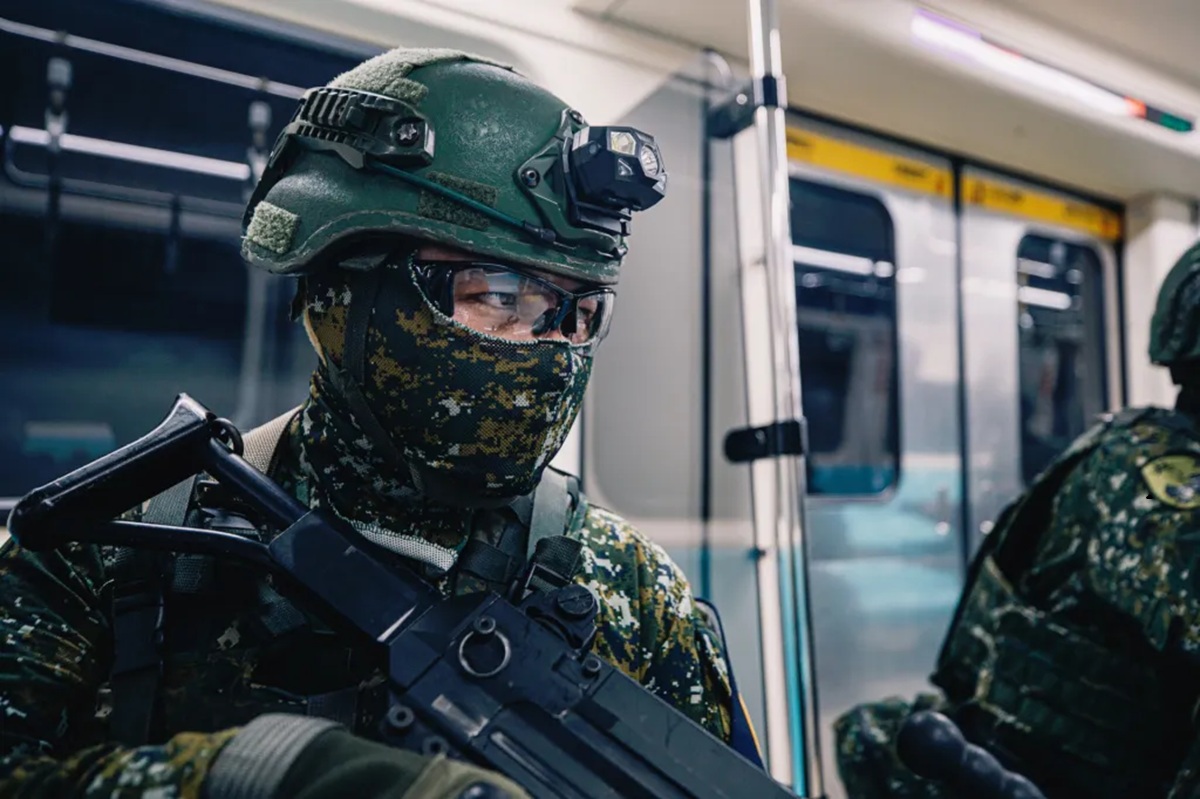
Taiwan Tests Strategic Use of Taipei Metro in Military Exercises Simulating Rapid Movement and Protection Against Chinese Attacks in Urban Areas.
The armed forces of Taiwan have initiated an unprecedented exercise involving the use of the metro in Taipei as a strategic route in conflict scenarios.
Soldiers armed with Stinger missiles used the underground facilities to move around the capital.
This activity was part of the Annual Han Kuang Exercise, which primarily focuses on preparing the island for a possible attack from the Chinese People’s Liberation Army (PLA).
-
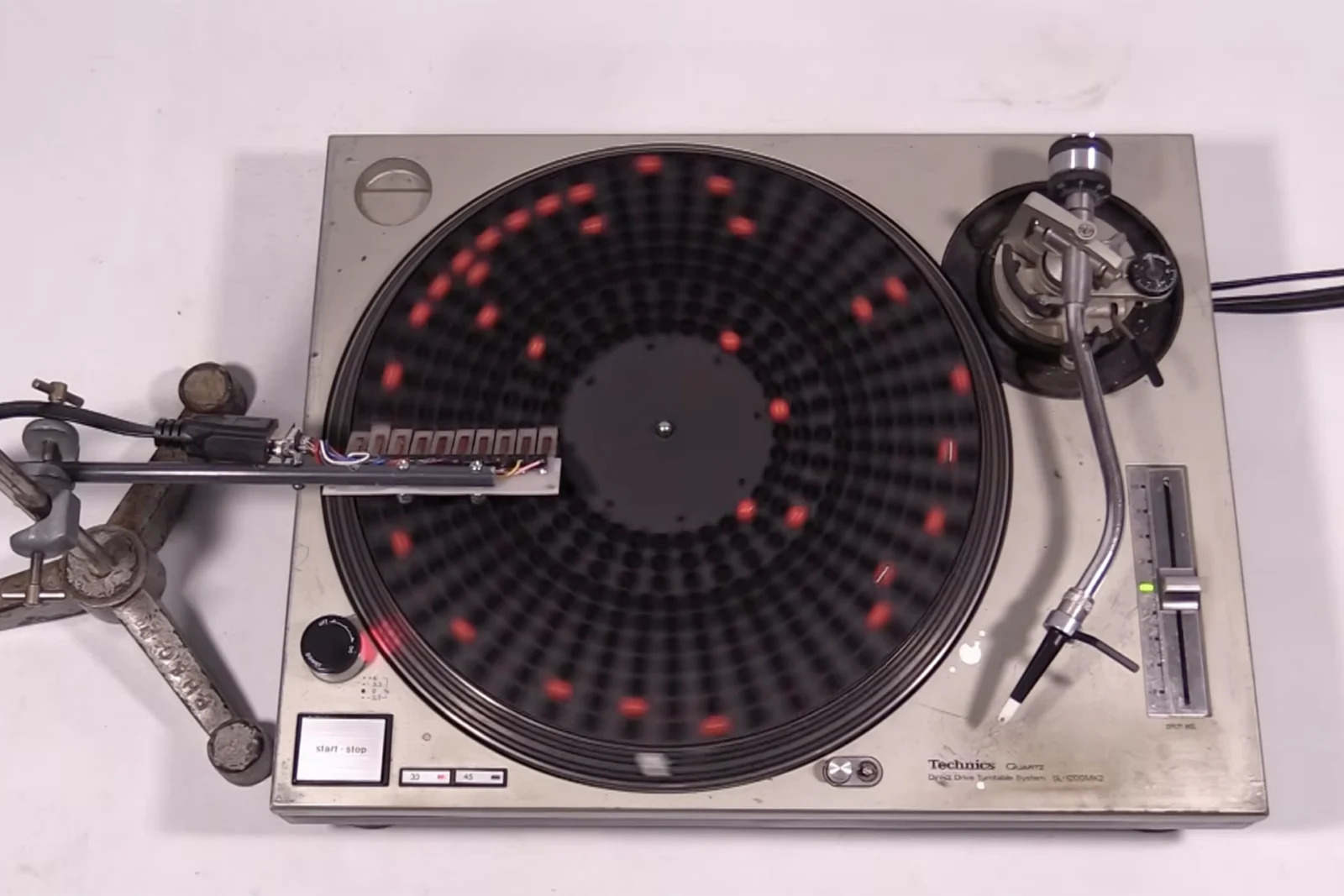
PhD student transforms turntable into an unlikely electronic drum, uses metal spheres, sensors, and creates a mechanical sequencer that is as brilliant as it is impractical.
-
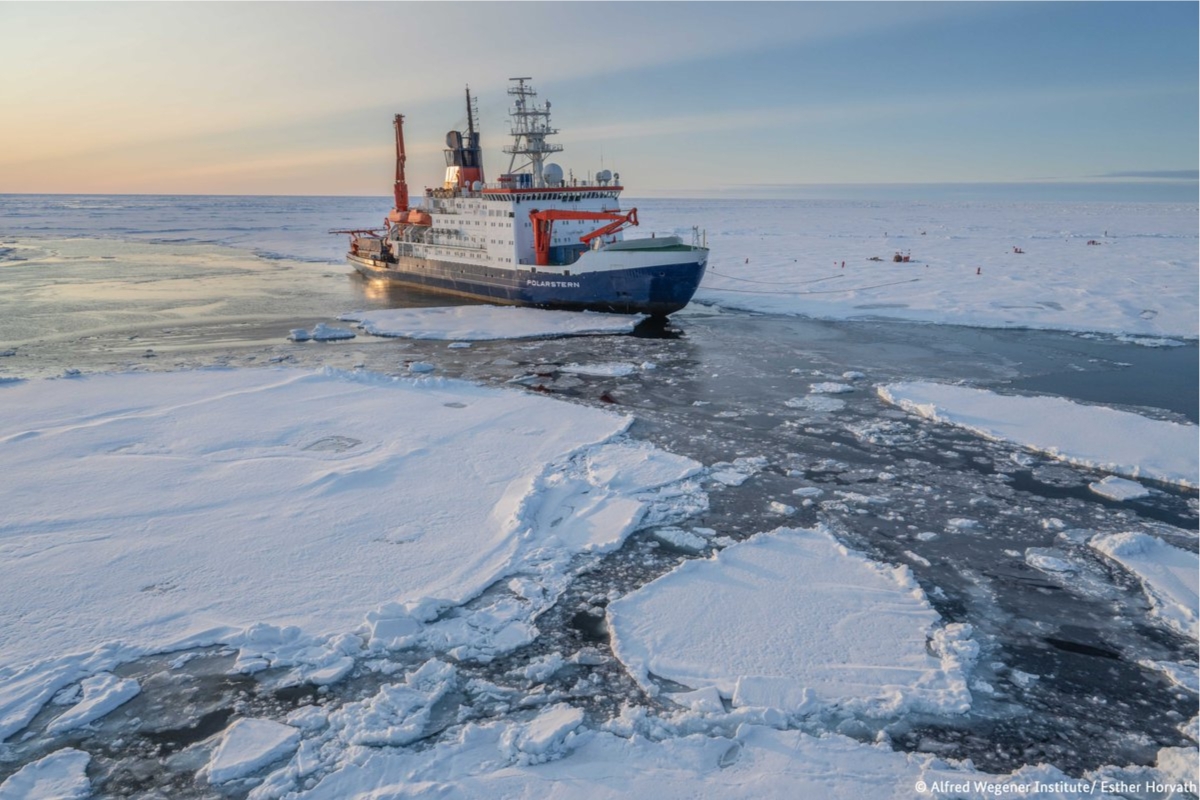
What seemed like just dirty ice in Antarctica turned into a global alert when a research vessel discovered an island measuring 130 meters, confirmed the actual coastline, and forced a revision of nautical charts.
-
Digital scams with artificial intelligence are becoming more sophisticated and harder to detect; see how criminals use AIs to deceive victims and discover effective strategies to avoid significant financial losses.

-
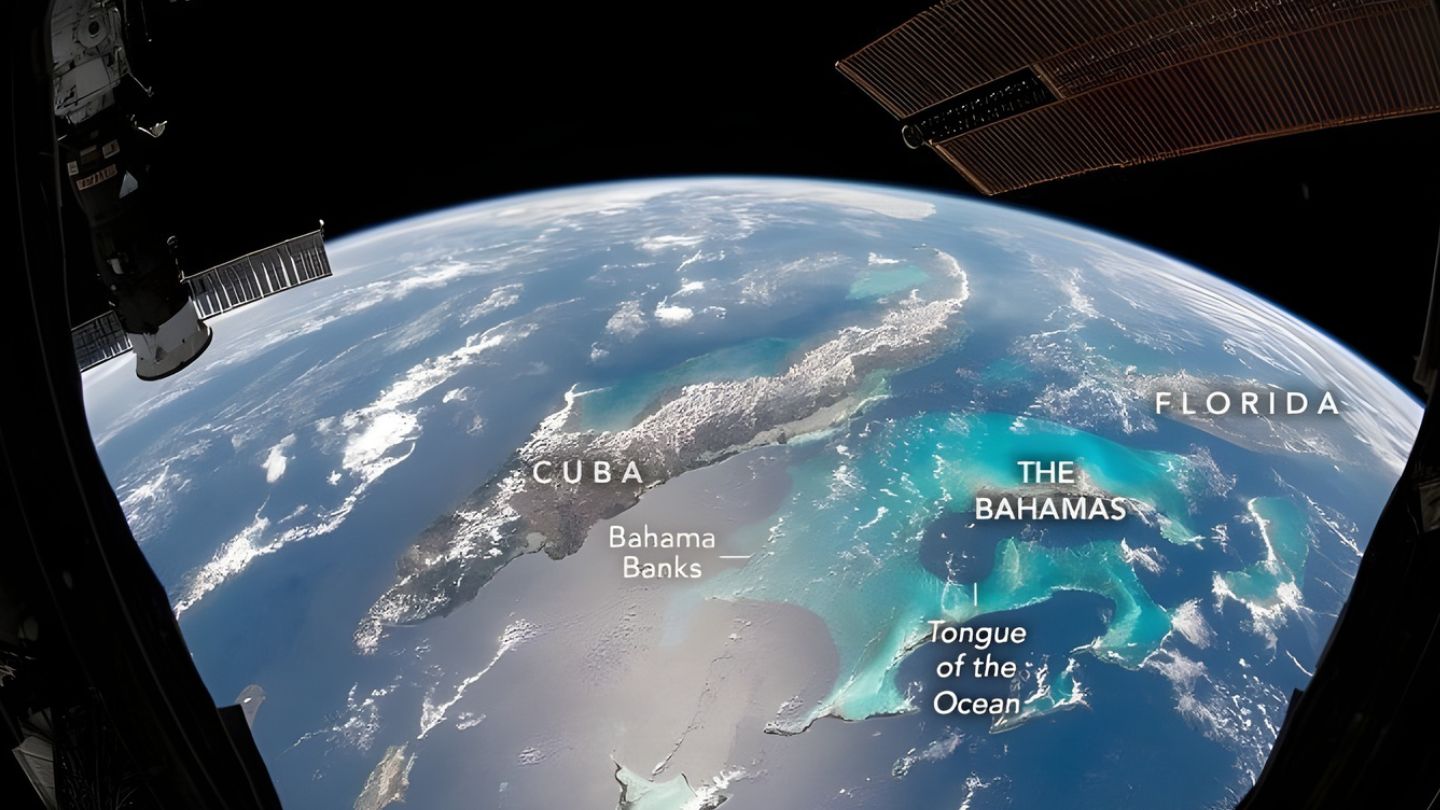
Photo taken by an astronaut on the ISS shows the Great Bahama Bank with turquoise waters only 2 meters deep visible from space, a region described as one of the most beautiful in orbit that was solid land about 20,000 years ago and drops 2,000 meters into the Tongue of the Ocean.
The Taipei metro, due to its reinforced structure, can be a key point for troop and supply movements.
In the event of aerial attacks, the underground facilities offer natural protection against bombings and missile strikes.
The forces of Taiwan are already intensively training for urban warfare, considered essential in any possible conflict in the region.
The Importance of Han Kuang
Local authorities highlighted the role of the metro during the Han Kuang exercise, held early today.
This year’s event is considered the largest in history, including actions not only from the armed forces but also from civil society.
The strategy aims to prepare the entire island for possible invasions or attacks.
Among the simulations, there were beach defense trainings, emergency repairs of runways, and other actions aimed at resisting Chinese landings.
Experts believe that the PLA may be preparing to have the capability to invade Taiwan by 2027, which increases the relevance of exercises like this.
The Han Kuang is seen as a public demonstration of readiness. The actions are planned to cover areas from urban settings to remote points under Taipei’s control.
Training in the Metro
The activity in the metro involved the participation of the Taiwan Military Police and the Third Logistics Command of the Army. Coordination was conducted alongside the Taipei City Government.
The training involved the movement of troops and supplies through the stations, simulating joint response actions between military and civilian forces. The use of stations and tunnels reinforces the idea of an alternative mobility and defense system.
According to Focus Taiwan, soldiers armed with Stingers, machine guns, and grenade launchers participated in the simulation.
The exercises took place between Shandao Temple and Longshan Temple stations, with the system closed to passengers. About 100 soldiers also headed for training in the streets of Wanhua.
Underground Infrastructure
The Taipei metro has 135 stations and 150 kilometers of tracks, connecting the capital to nearby regions.
The underground sections stand out for their resistance to aerial attacks and can facilitate rapid troop movements amid bombings.
A PLA attack would likely involve waves of bombings targeted at military and government facilities.
The use of underground structures is already a strategy adopted by Taiwan to minimize the impact of possible attacks.
Furthermore, movement through tunnels would make tracking enemy units more difficult. Troops could appear suddenly at different points, using the element of surprise to combat invaders.
Armament and Urban Tactics
The military personnel who participated in the exercise were equipped with MANPADS like Stinger missiles. These weapons can target low-altitude aerial targets, enhancing defense in urban areas.
Taiwan has also been investing in camouflage tactics. Previous exercises demonstrated armored vehicles disguised as construction cranes and hidden in strategic locations.
The metro stations can be adapted for various functions, such as serving as command posts or field hospitals. This enhances the strategic value of the system in intense conflict scenarios.
Lessons from the Past and Concerns
Although the Taipei metro has been in operation since the 1970s, this is the first time it has been used in Han Kuang military training.
However, underground systems have historically been used as shelters in conflicts. Natural protection against aerial attacks has always been a prominent factor.
Experts warn, however, that the military use of the metro could pose additional risks to civilians. Once identified as a resource of the armed forces, the PLA could target the stations. This could result in significant damage and put the population at risk.
Direct combat within the system is also considered a possible scenario. Large cities tend to include underground confrontations in modern conflicts, especially in densely populated areas.
External Analyses
Claire Chu, an analyst of Chinese affairs, assessed that access to electricity and communication lines could impact the viability of the metro in wartime scenarios.
She highlighted that many stations are part of the government’s air raid shelter network. Thus, it would be necessary to balance military needs with civilian safety.
According to Chu, there are important questions about how power outages or structural damage could affect the network.
But she sees it as positive that Taiwan is conducting this type of training, which can bring important discussions to the population.
Preparation and Future
The impact of the 2025 Han Kuang exercise will be measured both by the experience gained by the military and by public perception.
The use of the metro may be maintained or expanded in the coming years, depending on the lessons learned from this first test.
The most important thing, according to authorities, is to ensure that Taiwan is prepared for any scenario.
Integrated defense among armed forces, military police, and civil systems is seen as essential to increase the chances of resistance in the event of an invasion.
Security Perspectives
For now, the military of Taiwan is studying ways to enhance the use of the metro to protect its forces and maintain rapid operations.
The underground network offers unique advantages but also requires careful planning to avoid unnecessary risks.
Therefore, the training conducted in the Taipei stations represents a step forward in the island’s defensive preparation. It also reinforces the message that Taiwan is ready to explore all possible resources in defense of its sovereignty.
The armed forces must continue to monitor public reaction and adjust strategies. After all, the balance between defense and civil protection will always be a challenge.
The expectation is that new exercises will be planned to enhance the integration between the forces and urban structures, consolidating the metro as a strategic element in possible war scenarios.
With this, Taiwan sends a clear message: the defense of Taipei is strengthening. The lessons learned in this exercise may determine how the city responds to future threats.






-

Uma pessoa reagiu a isso.