





 Portuguese
  English
  Spanish
  4 min of reading
  19 comments


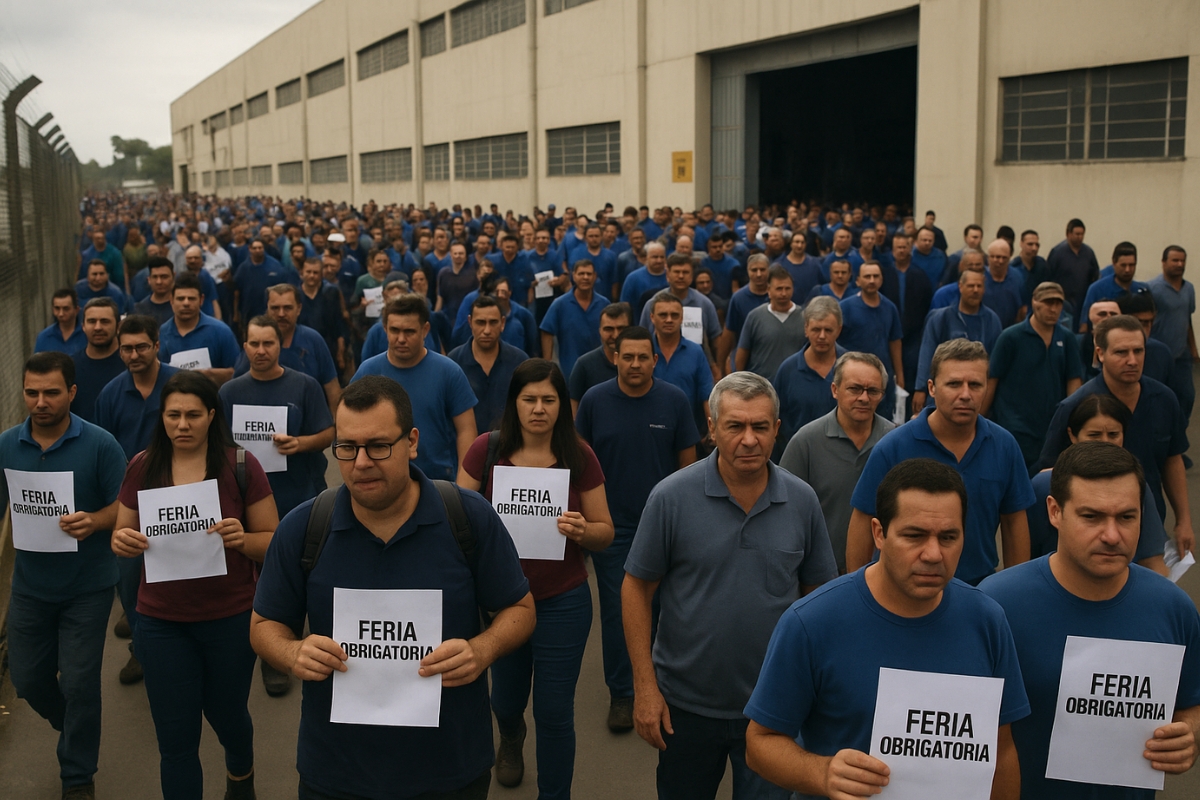


Billion-Dollar Factory Hit by US Tariff Hike Declares Collective Vacation, Leaving Hundreds of Families in Uncertain Situation
The tariff escalation from the United States has begun to take its toll in Vale do Caí.
In Montenegro (RS), a large local exporter has anticipated collective vacations in response to the 50% “tariff hike” on Brazilian products.
In a speech at the City Council on the 14th, Councilwoman Josi Paz stated that about 400 workers had been released, but later data indicates that the initial measure involved a smaller number of employees, officially announced by the company on July 30, 2025.
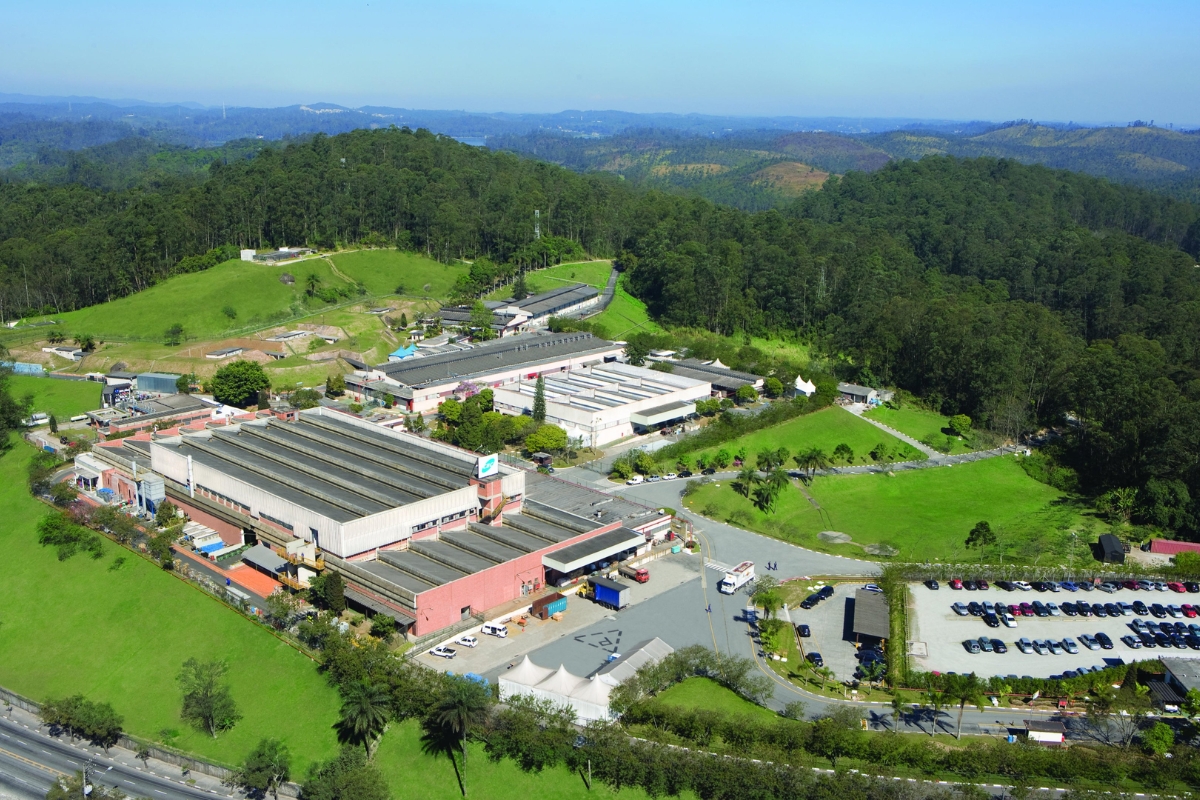
The city has a strong exposure to arms and ammunition — with CBC (Companhia Brasileira de Cartuchos) as the industrial anchor — and is already emerging as one of the most affected in the state, both due to the weight of exports to the North American market and the regional production chain.
Why Montenegro Became a “Thermometer” of Impact
The numbers help to understand. In 2024, US$ 71.7 million worth of goods left Montenegro for the USA; ammunition (CBC) accounted for US$ 50.6 million — the most significant single item in the local export agenda for that destination. With the tariff hike in effect in August, authorities and business entities are already indicating Montenegro as the second most affected city in RS, given the weight of exports in the municipal economy. It was in this context that, during a session at the City Council, it was confirmed that a local exporting industry placed its staff on collective vacations.
The reading is simple: when the main market suddenly increases the product price by 50%, margins evaporate, orders are suspended, and the factory loses predictability to continue producing at the same pace. The decision for collective vacations, in this scenario, is a typical “tune-up” measure for an exporting industry — reducing costs in the very short term while the company reassesses contracts, logistics, and delivery timelines.
-
Lula responds directly to Trump and says that Pix is from Brazil and will not change under pressure from anyone, after a report from the United States pointed out the Brazilian payment system as an American trade barrier.

-
Amazon has just announced a new fee on all deliveries, and your online purchases will become more expensive starting April 17, including for those buying from the United States here in Brazil.

-
He sold his share for R$ 4 thousand, saw the company become a giant worth R$ 19 trillion, and missed the opportunity of a lifetime.

-
Elon Musk’s Starship megafrocket puts $8 billion at risk, raises alarms in the market, and could affect technology, mining, and space internet startups in the coming years.


The Trigger: 50% Tariff and Limited Exceptions
The 50% decree was officially announced by the White House at the end of July and took effect at the turn of August. There was a revision with exceptions for 694 products, but the relief did not reach key segments in RS and Montenegro, such as arms and ammunition. The domino effect began to appear quickly: reduced shipments, collective vacations, and renegotiation of contracts across multiple sectors.
In aggregate, projections are already trying to measure the damage. Studies mentioned by state industrial federations speak of hundreds of thousands of jobs at risk over the next ten years, if the tariffs remain in place. This is a baseline scenario that helps explain the urgency of exporting cities to activate contingency plans.
The Central Piece: CBC and the Link with Taurus
CBC was founded in 1926, in São Paulo, and has become one of the largest global players in ammunition. Since 2015, after approval from Cade, it has controlled Taurus, a Brazilian giant in light firearms. In terms of ecosystem, this means that any shock in demand or cost in the North American market tends to impact the entire chain — from ammunition lines in RS to light weapon platforms assembled in Brazil and the USA.
The recent behavior of Taurus helps illustrate the pressure: with 82.5% of production directed to the American market, the company has already communicated collective vacations for part of its workforce and the transfer of stocks (and even assembly lines) to units in the United States, in an attempt to protect sales while the tariff hike persists. This is the practical translation of “producing where you sell” when the border gets more expensive.
What Changes for the Worker When the Company Declares Collective Vacation
In the short term, collective vacations are a tool provided for in the CLT, used by industries to adjust production to demand. Workers maintain their legal rights (time off, one-third constitutional and other rules), and the company must comply with the formal communication procedures. For those on the production line, the message is clear: the company is buying time to replan operations without immediately resorting to permanent cuts. Recent guidelines on the topic reinforce that this measure has been used by several exporters since the announcement of the tariff hike.
The Local Response and Next Steps
In RS, the state government has been discussing incentive and credit measures to soften the shock on the most exposed industries — including the arms and ammunition hub. Although emergency actions may help, there is a limit to local policies in the face of a federal tariff from a partner that concentrates most of the sales. The medium-term adjustment involves diversifying markets, restructuring contracts, and, in some cases, relocating production stages within the American market — a movement that part of the sector has already begun.
For Montenegro, the short term is expected to remain volatile. The city has above-average exposure to the US market and is therefore sensitive to news from Washington. If tariffs are recalibrated or if new exceptions are granted, recovery may be swift. If they persist, the trend is for more production relocations and a long period of reorganization of the chain — with a direct impact on local income and supplier linkages.





mal sorte que o Brasil decidiu não vende pra Ucrânia. pode vende pra Russia? ou pelo kongo? ou Africa do sul? ou fornecer mais o mercado inteiro o trafico e os **** cacs. talvez e o momento repensar ums setores? porque um porco da austria come soja brasileiro. o trump mostra os limites do absurdo de economia exportação. tàlvez isso é uma chance de repensar até so veijo ideas tipo vender a arma pra outro lugar. espero mais criatividade…
Tudo agora é culpa do bolsonaro. Fala serio. Depois que Lula assumiu esse país virou um inferno.
.
Ué se a cidade e no Brasil, pq os cartazes são em espanhol??? Notícia fake news, tendenciosa, e de direita para tentar colocar mentiras na cabeça do povo, página de direita extrema.