





 Portuguese
  English
  Spanish
  3 min of reading
  0 comments


Tax Incentives Expand The Competitiveness Of Bio-Hybrids And Redefine The National Automotive Market By Favoring Energy Efficiency And Reducing Taxes
The incentives created by the Mover Program and the so-called Green IPI started to stimulate vehicles that combine electrification and ethanol. In several states, these models receive differentiated tax treatment, ensuring more stable prices and strengthening the competitiveness of flex hybrids.
At the same time, the regulatory movement indicates a change in tax logic, as efficiency and recyclability now define the IPI rate.
Tax Incentives And Impact On Final Price
The recent regulation of the Mover Program ensures direct advantages for bio-hybrid models, as it protects the value of these cars by reducing tax pressure.
Moreover, states such as São Paulo and Minas Gerais have started to consider partial exemptions from IPVA, which reinforces the attractiveness of these vehicles.
The new law favors combined ethanol and electrification, a central element of industrial strategies aimed at mitigating emissions.
Changes In IPI Charge And New Environmental References
The so-called Green IPI changes the old calculation logic based solely on engine displacement.
Thus, energy efficiency and recyclability began to determine the value of the tax, rewarding cleaner models with reduced rates.
Furthermore, purely combustion vehicles are likely to become more expensive, as they do not meet the environmental goals guiding the technological transition of the automotive sector.
-
Less than a Tera TSI, up to 710 km of range and charging in 9 minutes: the new BYD Song Ultra expands the Chinese brand’s bet on increasingly faster, more technological, and competitively priced electric SUVs.

-
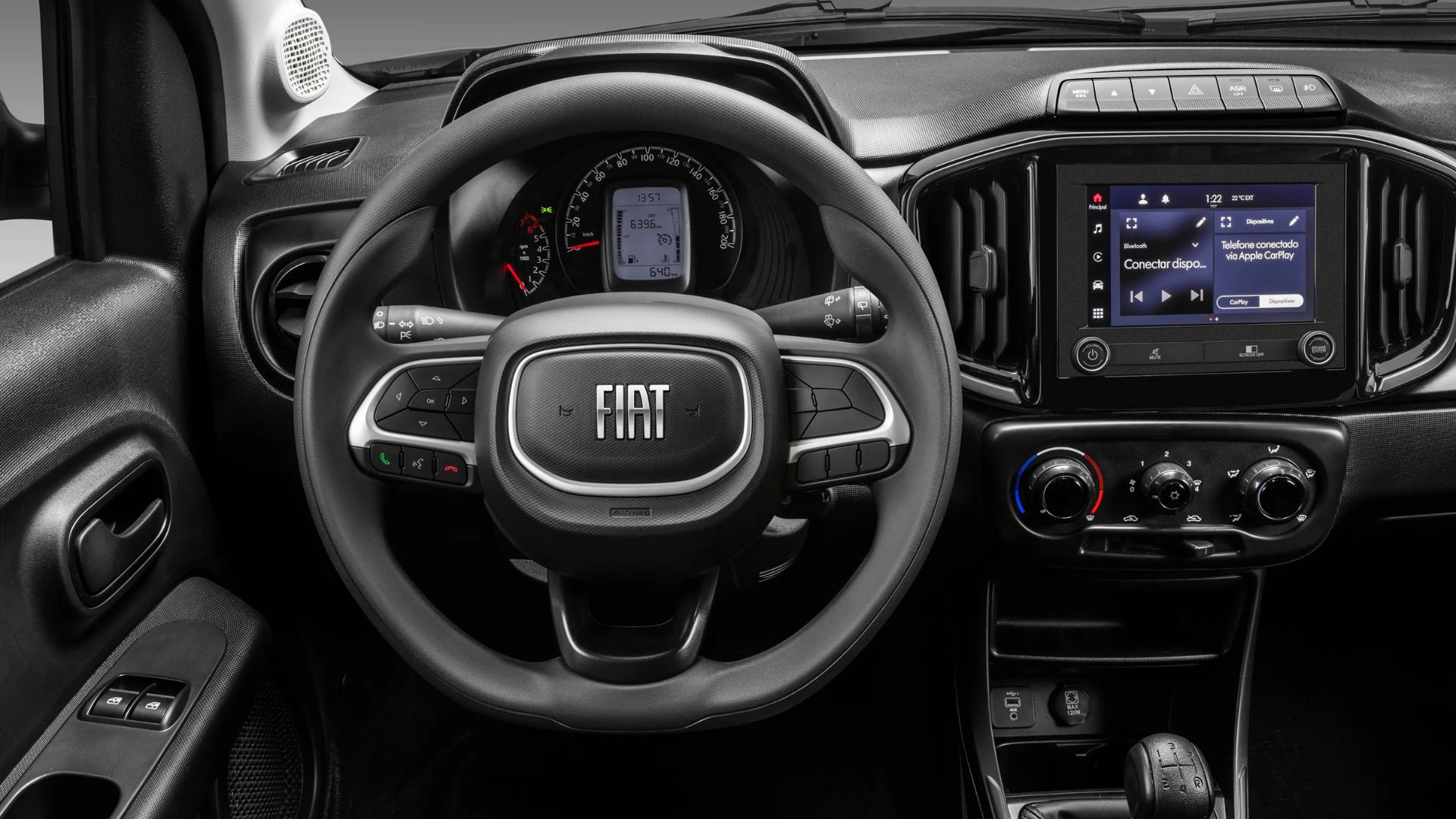
With a 1.0 engine producing 75 hp and costing less than R$ 70,000, Fiat’s car returns to the podium as the cheapest in the country; a temporary promotion for the 2026 Like version reduces the price of the Fiat Mobi.
-
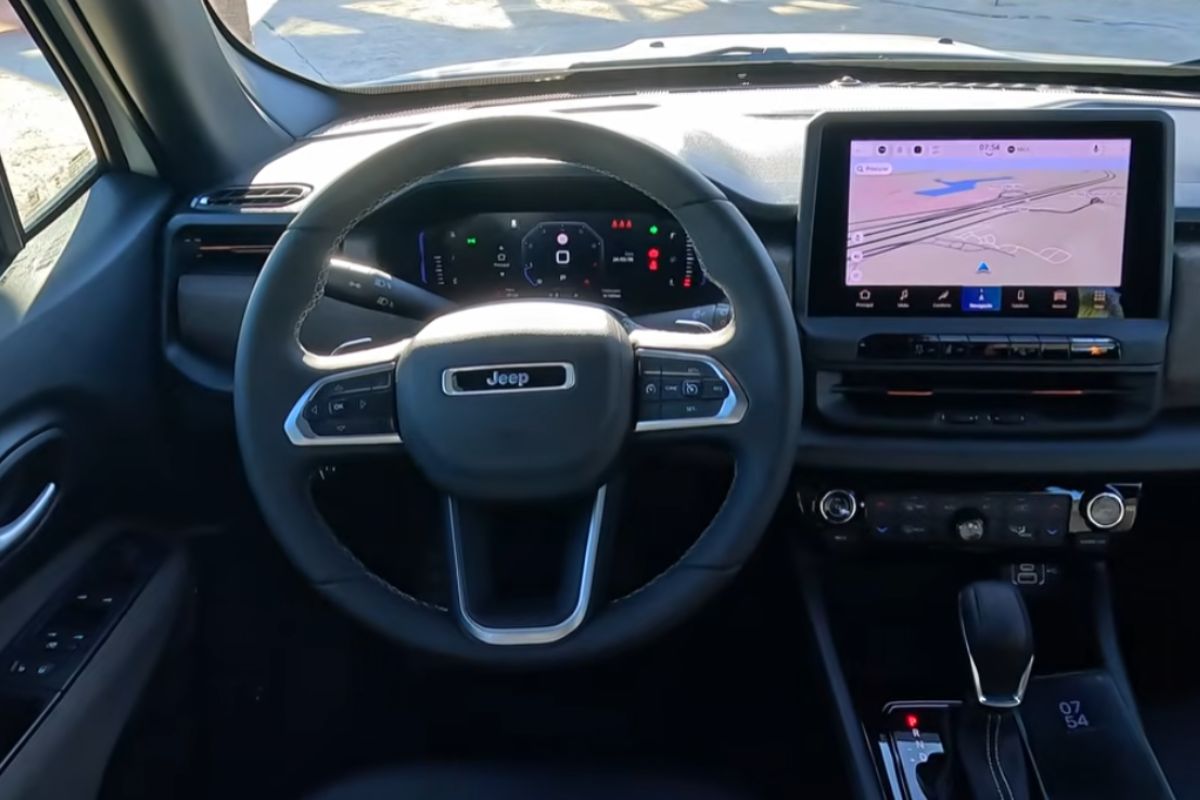
With a mild hybrid system of 48 V, 176 hp and a price of R$ 175,990 in the Sahara version, the new Jeep Renegade changes mostly on the inside, improves slightly in fuel consumption, and remains almost the same car.
-
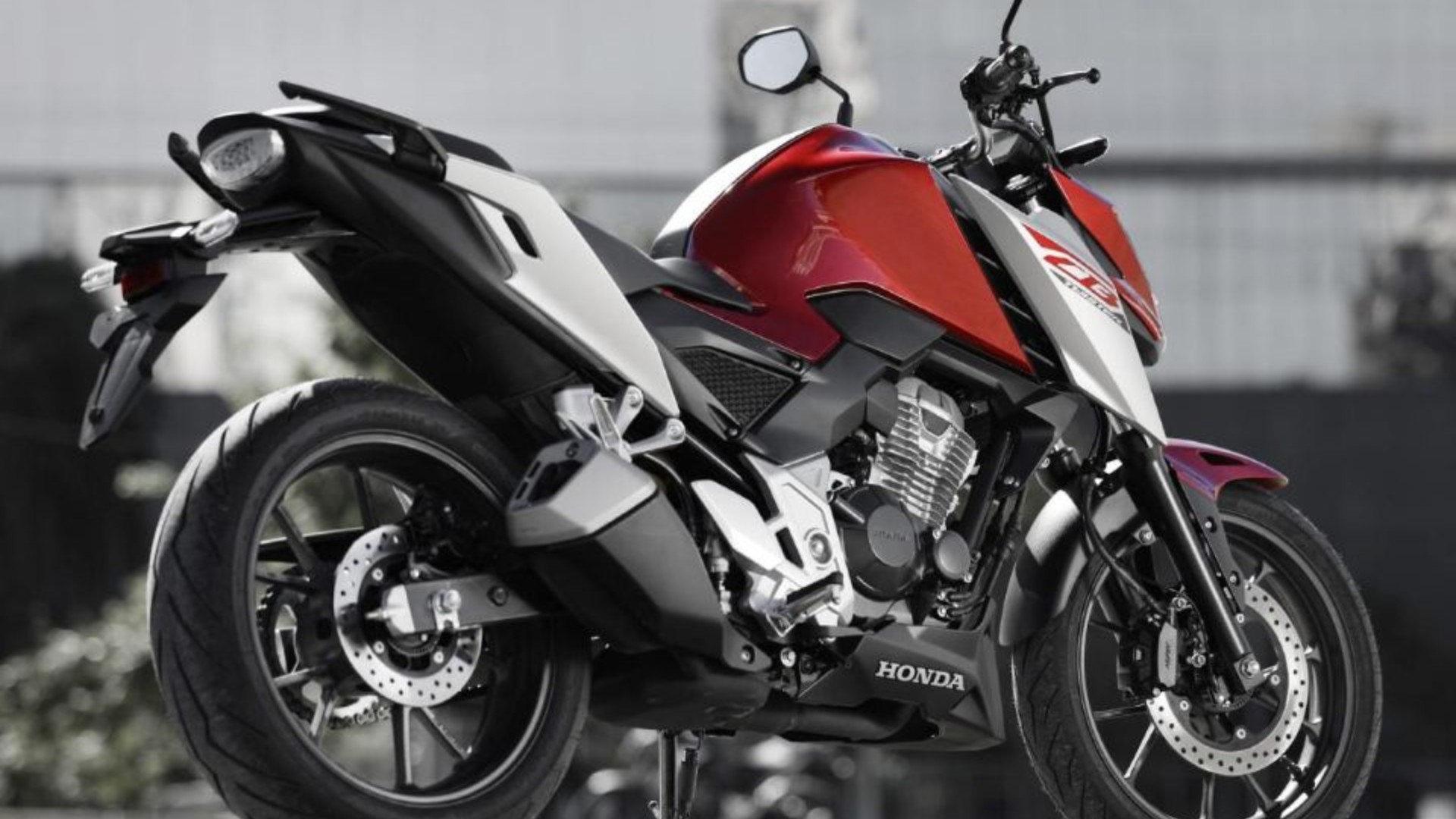
With a 293.5 cm³ engine and a range of up to 400 km with a 14.1-liter tank, the Honda CB 300F Twister 2026 has up to 24.7 hp, an initial price of R$ 25,150, and already exceeds R$ 29,000 in the Fipe Table.

Models That Stand Out With The New Rules
The national automotive industry has quickly adjusted to the guidelines.
As a result, several models already adopt Bio-Hybrid technology, which combines flex engines and electric support without requiring large imported batteries.
Among the highlights are:
- Toyota Corolla And Corolla Cross, which maintain maximum advantages with ethanol.
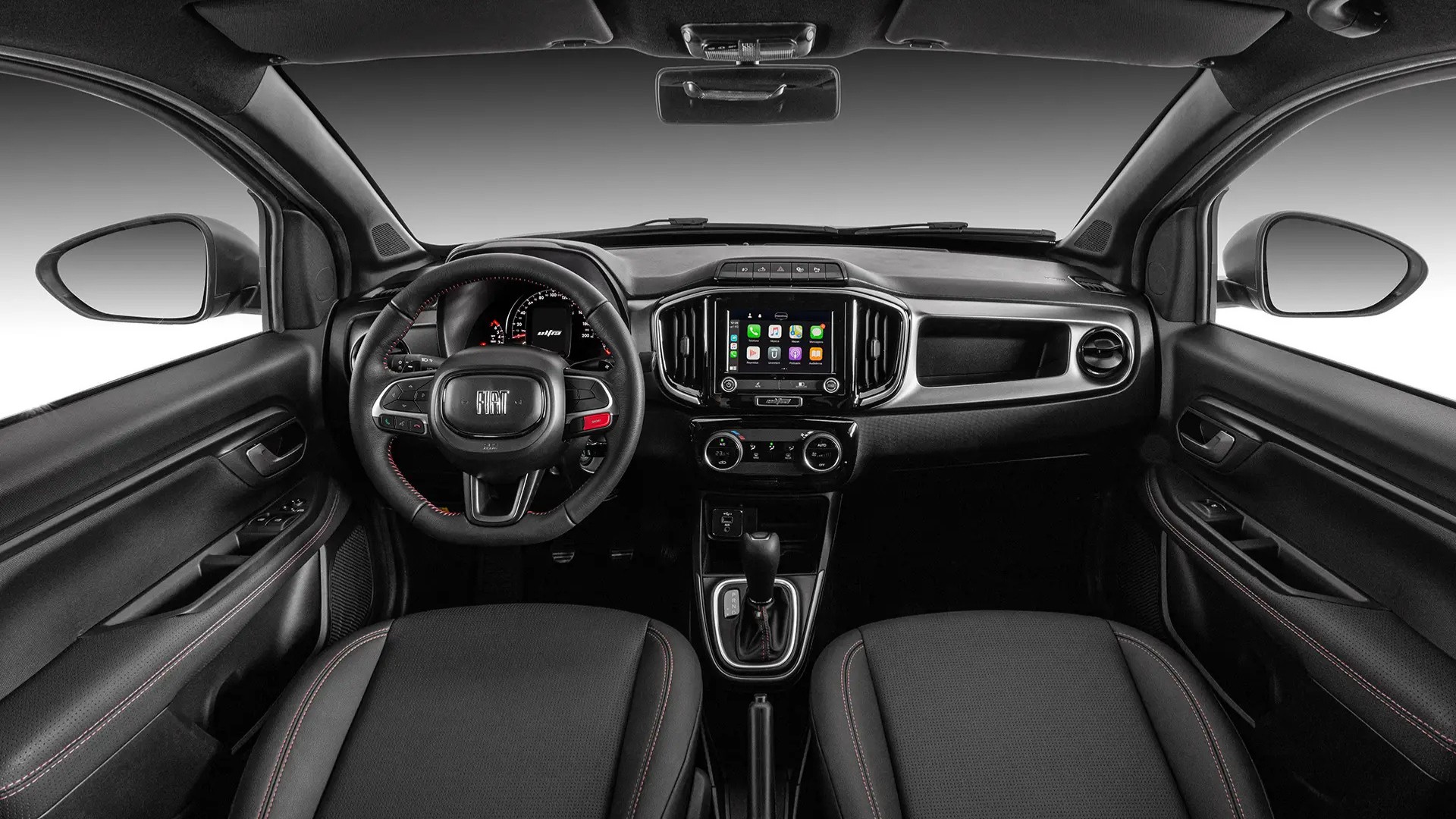
- Fiat Pulse And Fastback Hybrids, which fall into the lowest taxation bracket with the 12V micro-hybrid system.
- BYD Song Pro, which receives incentives for being produced in Bahia.
- GWM Haval H6, which qualifies for tax benefits due to assembly in São Paulo.
These vehicles efficiently combine electrification and renewable fuels, placing them at the center of the sustainability policies adopted by the sector.
Advantages For Consumers And Impact On The Used Market
With the advancement of the new rules, bio-hybrid vehicles are likely to retain value for a longer time, as they meet the environmental goals influencing the market.
In addition, reduced consumption and potential IPVA discounts, which vary by state, help to amortize the initial investment.
The used market is already responding, as certified hybrids circulate more quickly in dealership inventories.
State IPVA Rules And Importance Of Prior Verification
Although the federal law addresses the IPI, the IPVA depends on the legislation of each state.
Thus, it is essential to confirm whether the federative unit grants advantages for hybrids and not just for pure electric vehicles.
Moreover, consulting the Inmetro efficiency table ensures that the chosen model delivers the expected savings.
Technological Investment For The Long Term
Choosing national bio-hybrid or electrified models allows full utilization of the incentives from the Mover Program.
Additionally, vehicles classified under the Green IPI are less impacted by future adjustments, which protects their resale value.
This movement reinforces the pursuit of efficiency and indicates that the transition to clean technologies will continue to influence purchasing decisions in the coming years.








-

-

2 pessoas reagiram a isso.