





 Portuguese
  English
  Spanish
  3 min of reading
  0 comments



Changes in the consumption tax system mobilize specialists, executives, and authorities to discuss direct effects on the oil and gas chain on April 15 and 16, 2026
The tax reform and its impacts on the oil and gas industry will be debated during the IV Taxation Seminar on Oil and Gas 2026, promoted by the Federation of Industries of the State of Rio de Janeiro in partnership with Infis.
The event will take place on April 15 and 16, 2026, at the headquarters of the entity, located in downtown Rio de Janeiro, bringing together specialists, public authorities, and executives from the sector.
-
Brazilian city bets on the business environment to generate jobs and attract investments in the energy sector — secretary reveals strategy at Macaé Energy 2026.

-
The largest South American oil company, Petrobras, is preparing for a historic leap in production with new FPSO platforms and the expansion of refining — projects that could add up to 900,000 barrels per day and strengthen Brazil’s energy security.

-
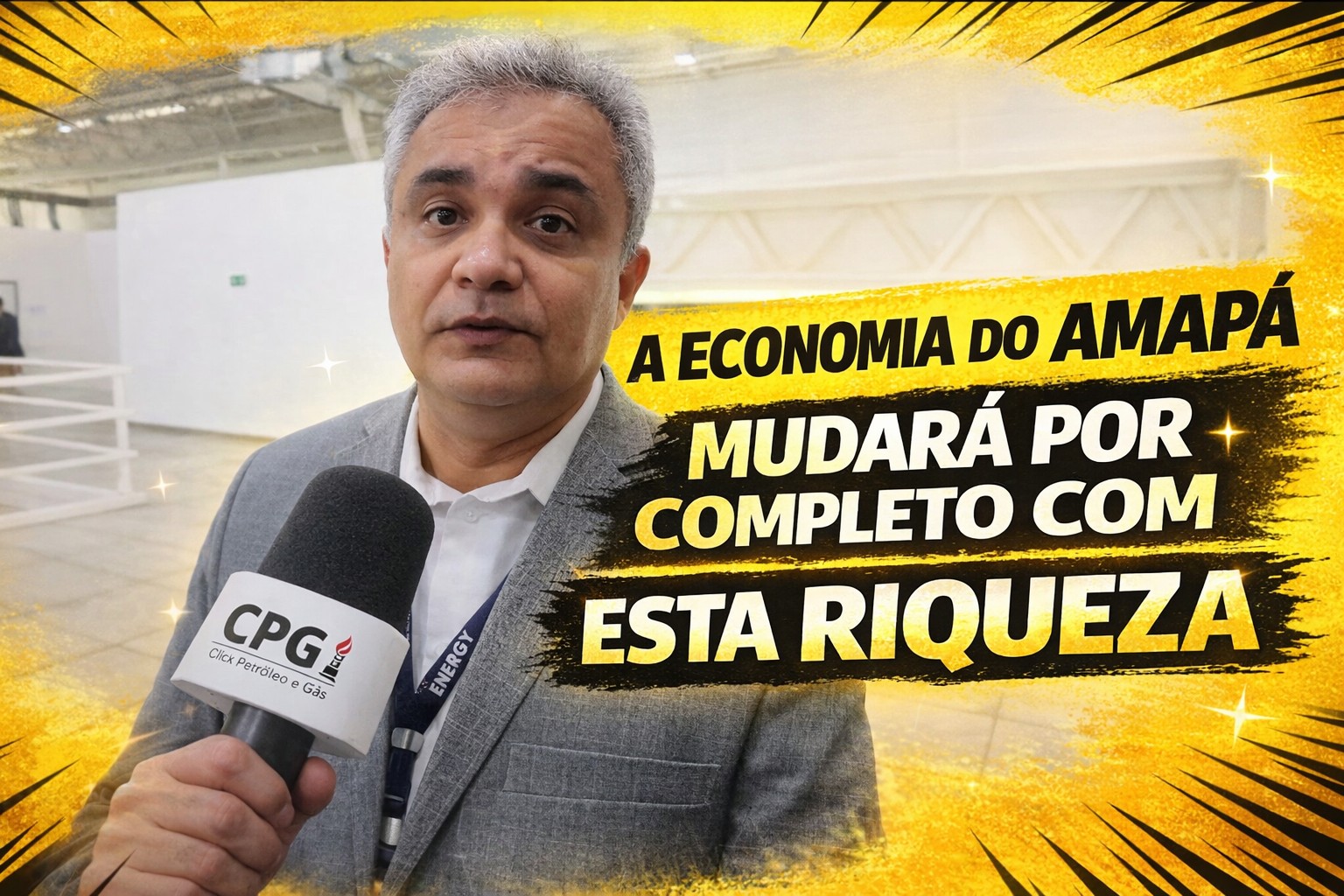
Billions of barrels in the Equatorial Margin could double Amapá’s oil production in Brazil and attract companies from the Campos Basin.
-
Mature Fields Take Center Stage and Are Expected to Generate New Opportunities in the Oil and Gas Sector

With the approval of changes in consumption taxation, a new regulatory environment has begun to be established, directly impacting oil and gas companies across the country.
Technical debates deepen the effects of tax reform on the energy sector
Additionally, the seminar aims to analyze the effects of the reform throughout the entire production chain.
In this regard, activities involving exploration, production, refining, logistics, and marketing will be discussed, reinforcing the breadth of impacts on the sector.
At the same time, the event will address operational and strategic challenges, highlighting opportunities and pathways for business adaptation in light of the new fiscal scenario.
Thus, companies will be encouraged to evaluate their business models and reposition strategies to maintain competitiveness.
Panel on IBS and tax litigation gains prominence at the event
Among the confirmed names is tax lawyer Janssen Murayama, founding partner of the law firm Murayama, Affonso Ferreira and Mota Advogados.
He will participate in the panel titled “Regulation of IBS by LC 227/2026 and what to expect from post-reform litigation.”
In this context, possible legal disputes and tax interpretations arising from the implementation of the new model will be discussed.
Thus, the topic gains relevance in light of the need for legal certainty in the energy sector.
Tax reform requires adaptation and strategic planning from companies
According to Janssen Murayama, the tax reform inaugurates a new cycle for the Brazilian economy.
According to the specialist, it is a structural change in consumption taxation, with direct effects on price formation and credit dynamics.
Additionally, the financial flow of companies will also be impacted, requiring increased attention from organizations.
In this scenario, anticipating the effects of the transition can generate significant gains in efficiency and competitiveness.
On the other hand, the lack of adaptation may result in increased tax burden and compression of operational margins.
Seminar discusses competitiveness, legal certainty, and business adaptation
Throughout the two days of programming, central themes will be explored by specialists and representatives from the sector.
Among the main points, the regulation of new taxes, impacts on competitiveness, and the need for adaptation of companies stand out.
Furthermore, legal certainty will be discussed as an essential factor for the sustainable development of the Brazilian energy sector.
Thus, the seminar seeks to contribute to more assertive strategic decisions in a fiscal transformation environment.
Event strengthens dialogue between the productive sector and public policy makers
Finally, the initiative also aims to enhance dialogue between the productive sector, specialists, and public policy makers.
This movement occurs at a time of transition in the national tax system, requiring alignment among different economic agents.
Thus, the event consolidates itself as a relevant space for knowledge exchange and strategy building in light of the new tax scenario.







Seja o primeiro a reagir!