





 English
  Francês
  Alemão
  Italiano
  Japonês
  Norueguês
  Portuguese
  Spanish
 3 min of reading


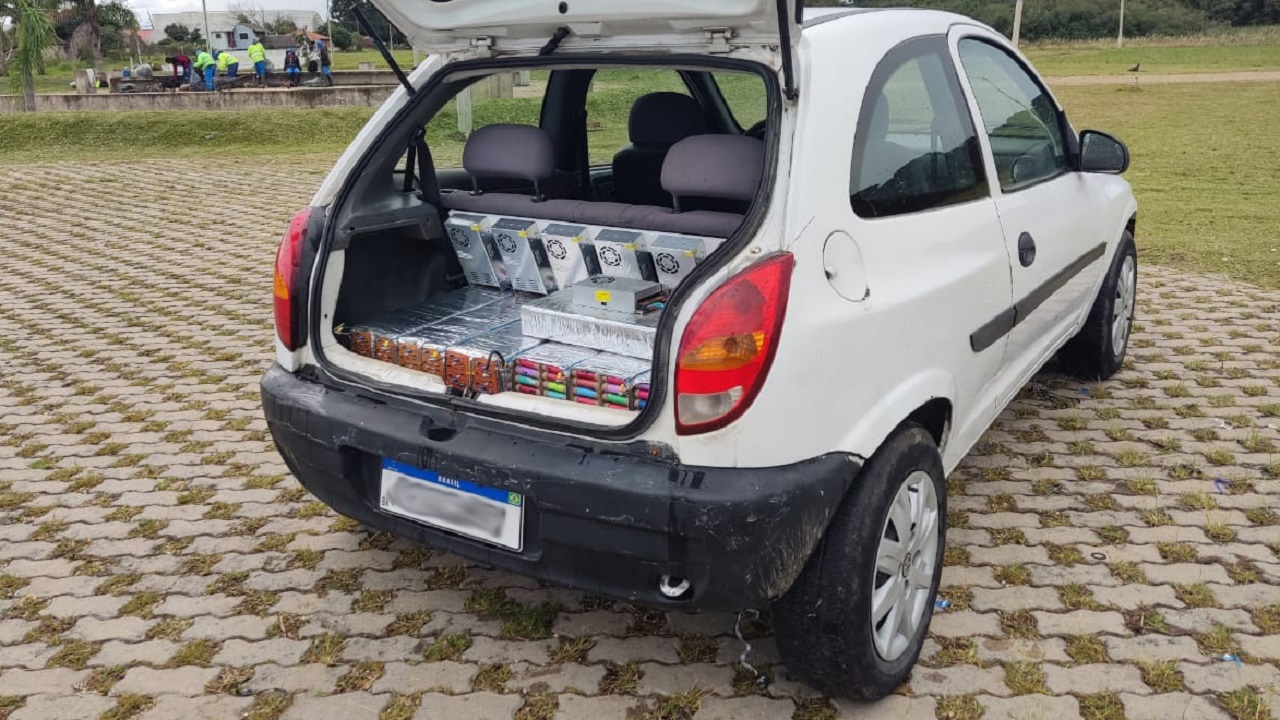
In Paraná, An Automation Technician Transformed His Common 2001 Chevrolet Celta Into An Electric Car, Using Only Recycled Notebook Batteries And A 12.5 Horsepower Industrial Motor
With the great success of electric cars, which are gaining more and more space in the country, curiosity about them is also increasing. Unfortunately, for now the prices are still not very accessible, and it is likely to take time for sustainable vehicles to become popular here. One of the solutions is the electric conversion, which even gained attention last Friday (22) on social media. Tiago Slaga, an automation technician from Paraná, transformed a 2001 Chevrolet Celta into an electric car. Until then, everything was normal, but the big difference is that the vehicle is powered by notebook batteries.
Understand How The Idea Of Using Notebook Batteries For The 2001 Chevrolet Celta Conversion Came About
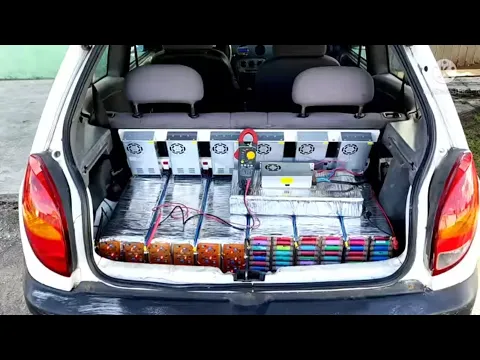

According to Tiago Slaga, the idea came after watching some similar conversion projects online. Working with industrial maintenance, Tiago was wondering if it would be possible to adapt an industrial motor in a vehicle since he had not seen anything like it before.
That’s when he decided to start some bench tests and checked the possibility of powering the industrial motor through notebook batteries, using a frequency inverter.
-
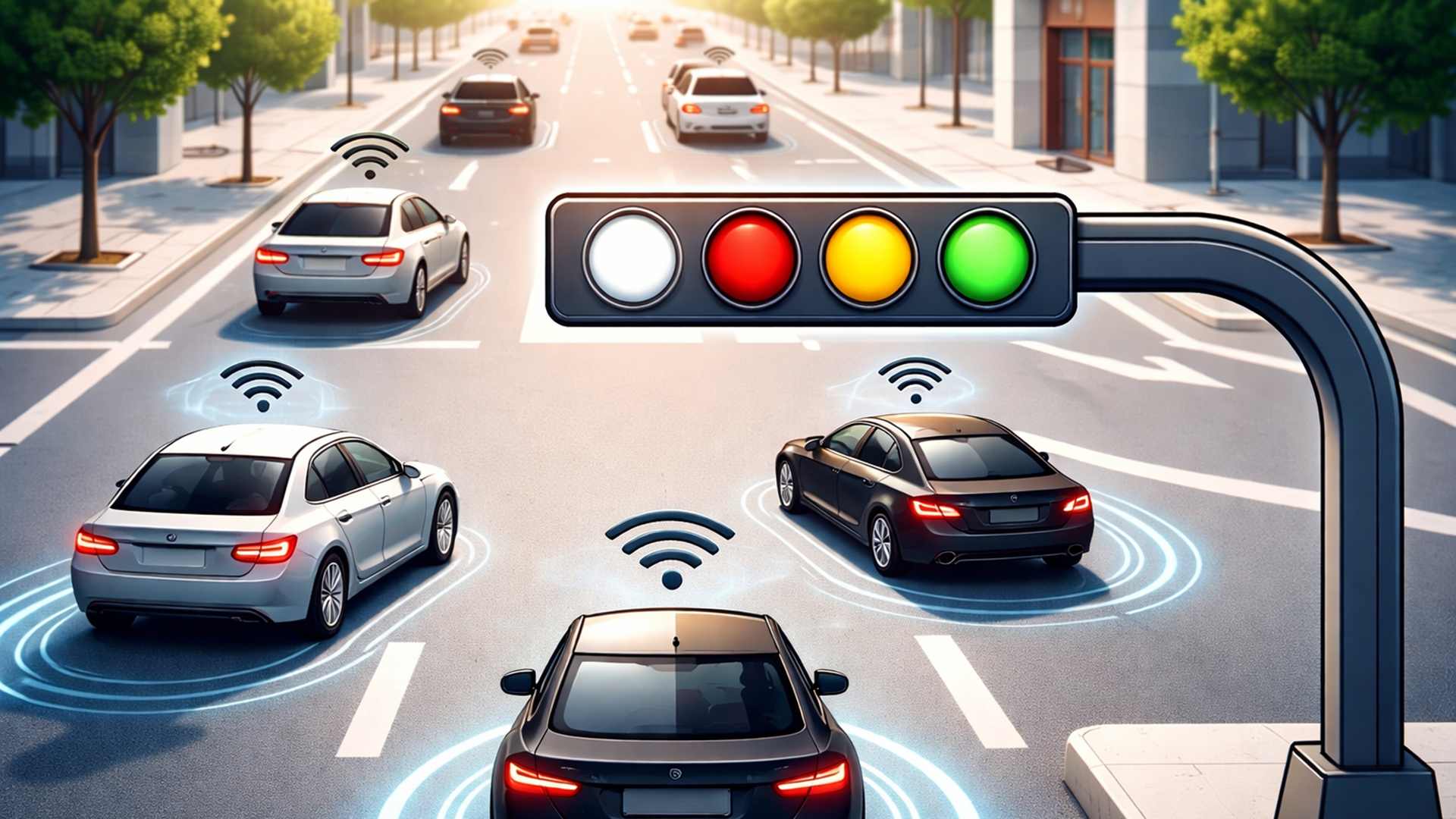
Engineers propose a fourth traffic light for intersections – the change promises to affect crossings, queues, and waiting times.
-
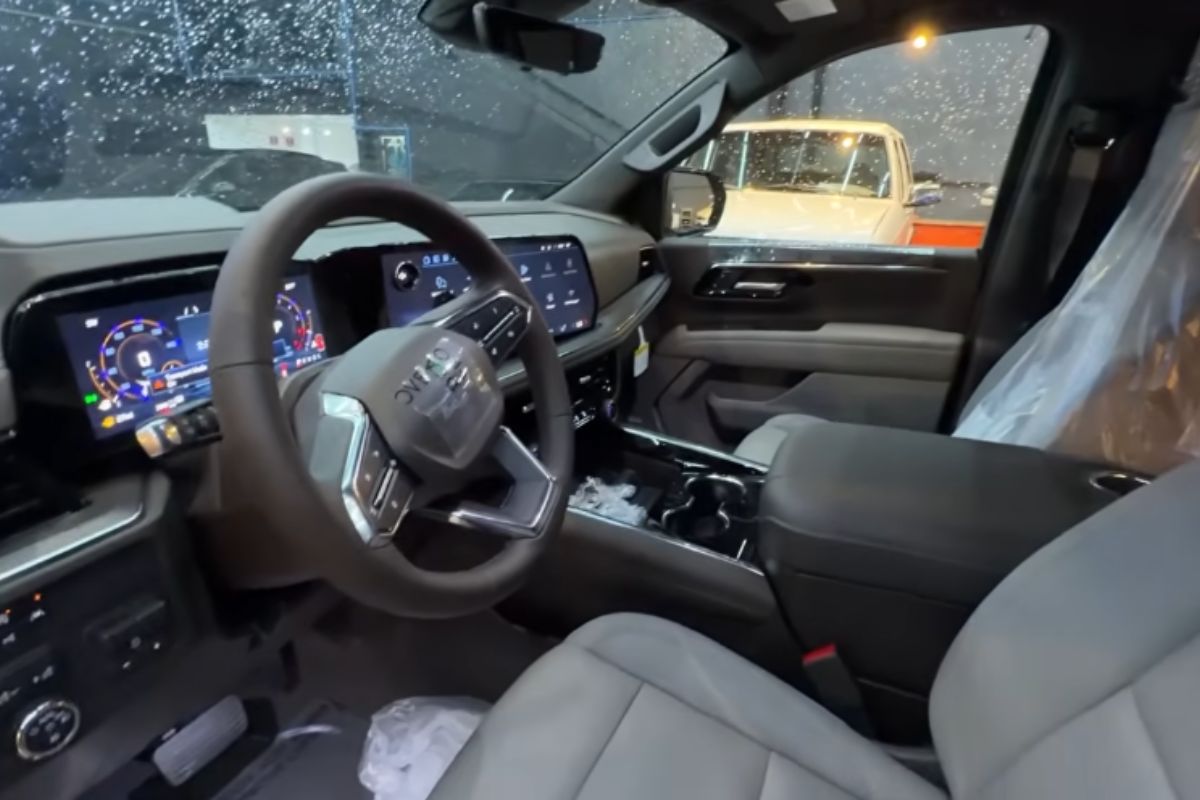
Chevrolet Suburban Z71 lands in Brazil with a V8 engine, off-road design, air suspension, seven seats, and colossal size, a rare version imported for around R$ 1.3 million with luxury and exclusivity.
-
The Chevrolet Onix 1.0 turbo achieves 17.7 km per liter on the highway and ranks among the three most economical cars in Brazil in 2026, alongside two more expensive Toyota hybrids available at dealerships.
-
Little sister of the Hilux: Toyota launches Land Cruiser FJ with 4 radical versions, 2.7 engine with 166 hp and 4×4 traction with locking.

This was the incentive the technician from Paraná needed to put the whole plan into practice. However, before turning the 2001 Chevrolet Celta into an electric car, he had to make some adaptations. According to Slaga, the first step was to remove the original combustion engine to take all the measurements and make the flange that attaches the motor to the gearbox. This was a delicate part, as everything needed to be well aligned.
2001 Chevrolet Celta Uses Almost 500 Batteries To Power Its Electric Car Motor
-
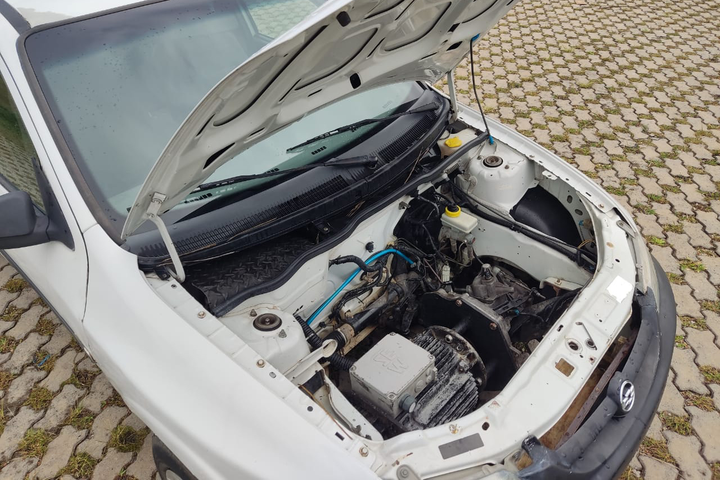
Chevrolet Celta 1.0 2001 Converted To Electric By Automation Technician Tiago Slaga, Who Lives In São José dos Pinhais (PR) – Image: Mobiauto -
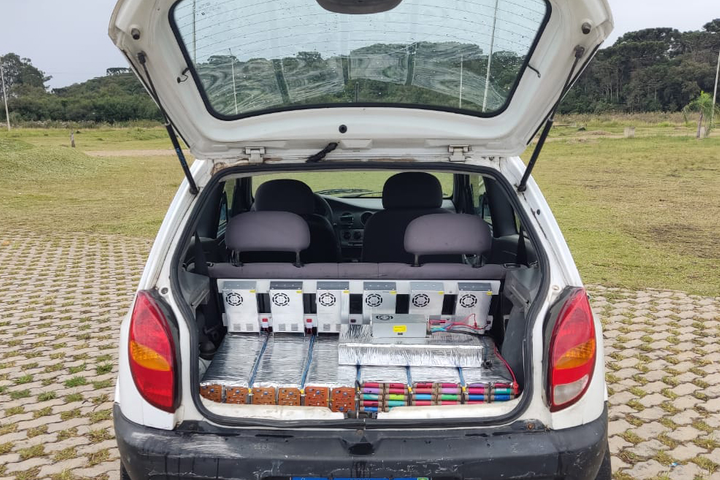
Chevrolet Celta 1.0 2001 Converted To Electric By Automation Technician Tiago Slaga, Who Lives In São José dos Pinhais (PR) – Image: Mobiauto -
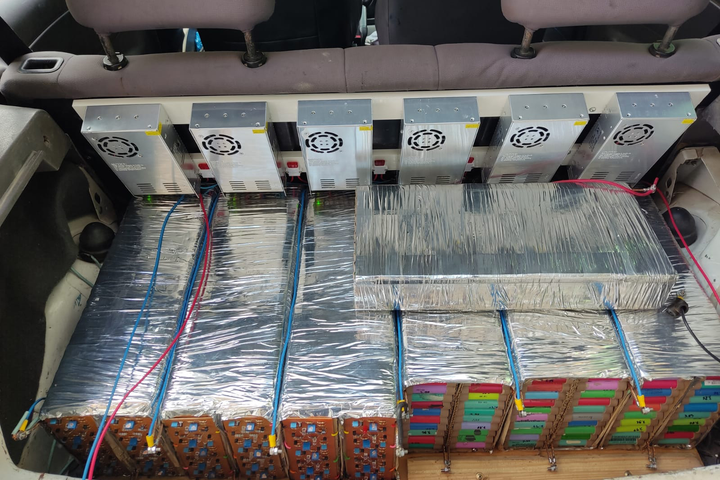
Chevrolet Celta 1.0 2001 Converted To Electric By Automation Technician Tiago Slaga, Who Lives In São José dos Pinhais (PR) – Image: Mobiauto -
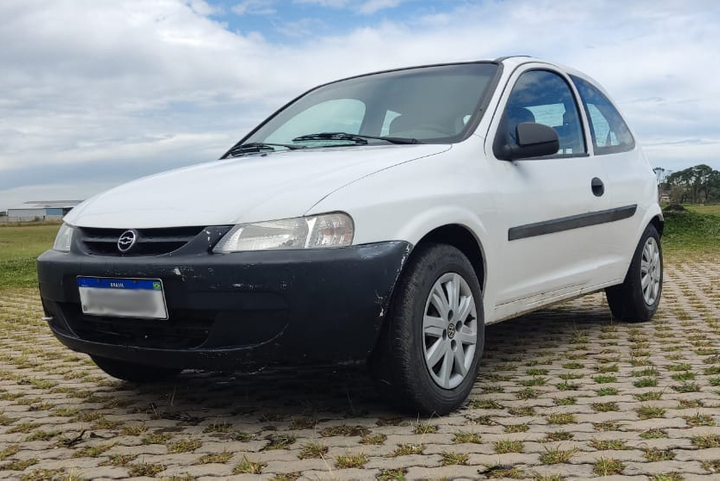
Chevrolet Celta 1.0 2001 Converted To Electric By Automation Technician Tiago Slaga, Who Lives In São José dos Pinhais (PR) – Image: Mobiauto
On the first attempt to make the 2001 Chevrolet Celta run, the technician used lead batteries in the trunk. It worked, but the range was very low, about 15 km, and it took a long time to charge.
This is how Tiago increased the number of batteries, resolving the range issue, but the vehicle ended up being too heavy. The car managed to run 1,000 km with the batteries, but they gradually lost their range and became unsuitable for use. The only solution would be lithium-ion batteries, but these are very expensive, making the project unfeasible. It was then that he began to consider using recycled notebook battery cells in the electric car. It was basically a year spent looking for batteries, disassembling and testing each cell.
Currently, the owner uses 455 notebook batteries and plans to expand to 500 units, which equals 3,000 cells for recharging. These batteries ensure that the 2001 Chevrolet Celta can run up to 100 km on a single charge. The industrial motor can deliver up to 12.5 horsepower, and the batteries take 10 hours to charge on a standard residential outlet of 20A.
Dangers Of Using Notebook Batteries
According to engineer and electric vehicle specialist at the Brazilian Association of Automotive Engineering (AEA), Ricardo Takahira, using recycled or used notebook batteries is dangerous.
Although they look the same on the outside, their compositions are different inside, and if they exceed 60º C, there is a significant risk of fire. Ricardo states that the conversions are concerning, but enthusiasts should not be discouraged.
Therefore, it is ideal for the project owner to use the correct procedures and materials when converting their vehicle into an electric car, as well as to ensure the regularization and documentation of the vehicle.
Source: Mobiauto








Seja o primeiro a reagir!