





 English
  Francês
  Alemão
  Italiano
  Japonês
  Norueguês
  Portuguese
  Spanish
  3 min of reading


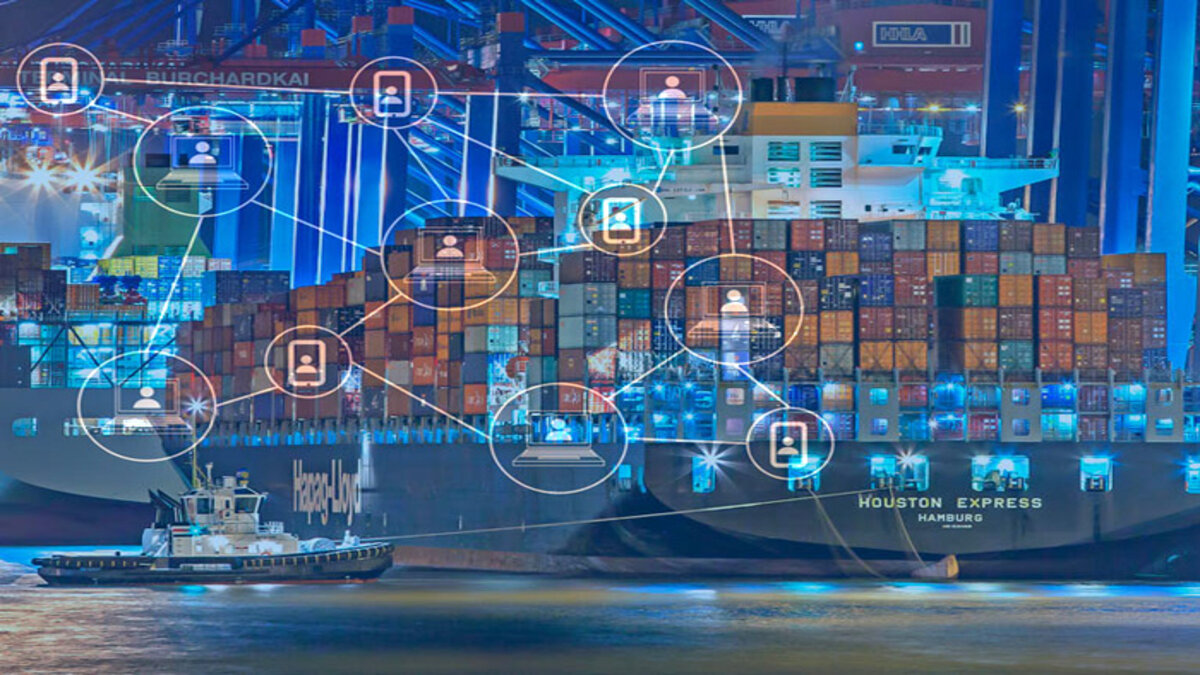
The Adoption of New Innovation Solutions with Technology in Brazilian Ports Has Contributed to a Drastic Reduction in Logistics Costs for Cargo Transport Operations Between National and International Complexes in Recent Years
After a few years of growth in digitalization in the Brazilian ports market, KPMG conducted a survey on the use of technology in reducing logistics costs in cargo transport. Therefore, the company commented last Thursday, (05/05), on how the current dynamics of the port sector have been benefiting from the adoption of technology and new solutions for operation with these products.
Pandemic Period Was Essential for Growth in the Use of Technology as a Means of Reducing Logistics Costs in Cargo Transport at Port Terminals
The initial years of the Covid-19 pandemic marked a drastic change in operations across sectors in the global market, but especially in the port sector. This segment was highly impacted by the difficulty of conducting operations for cargo transport amid market closures, and thus had to adapt to use operational technology to ensure greater productivity in these activities, in addition to reducing logistics costs for the operations.
Thus, KPMG sought to relate these data and interviewed Brazilian and international CEOs regarding the changes in logistics for cargo transport operations with the use of technology in ports. At the end of the survey, it was found that 87% of Brazilian respondents and 67% of international CEOs would reconsider their approach to dealing with this new scenario.
-
São Paulo surprises the world with a colossal railway network project that promises over 1,000 km of tracks, R$ 194 billion in investments, and 40 projects connecting the capital to the interior with fast and sustainable trains.

-
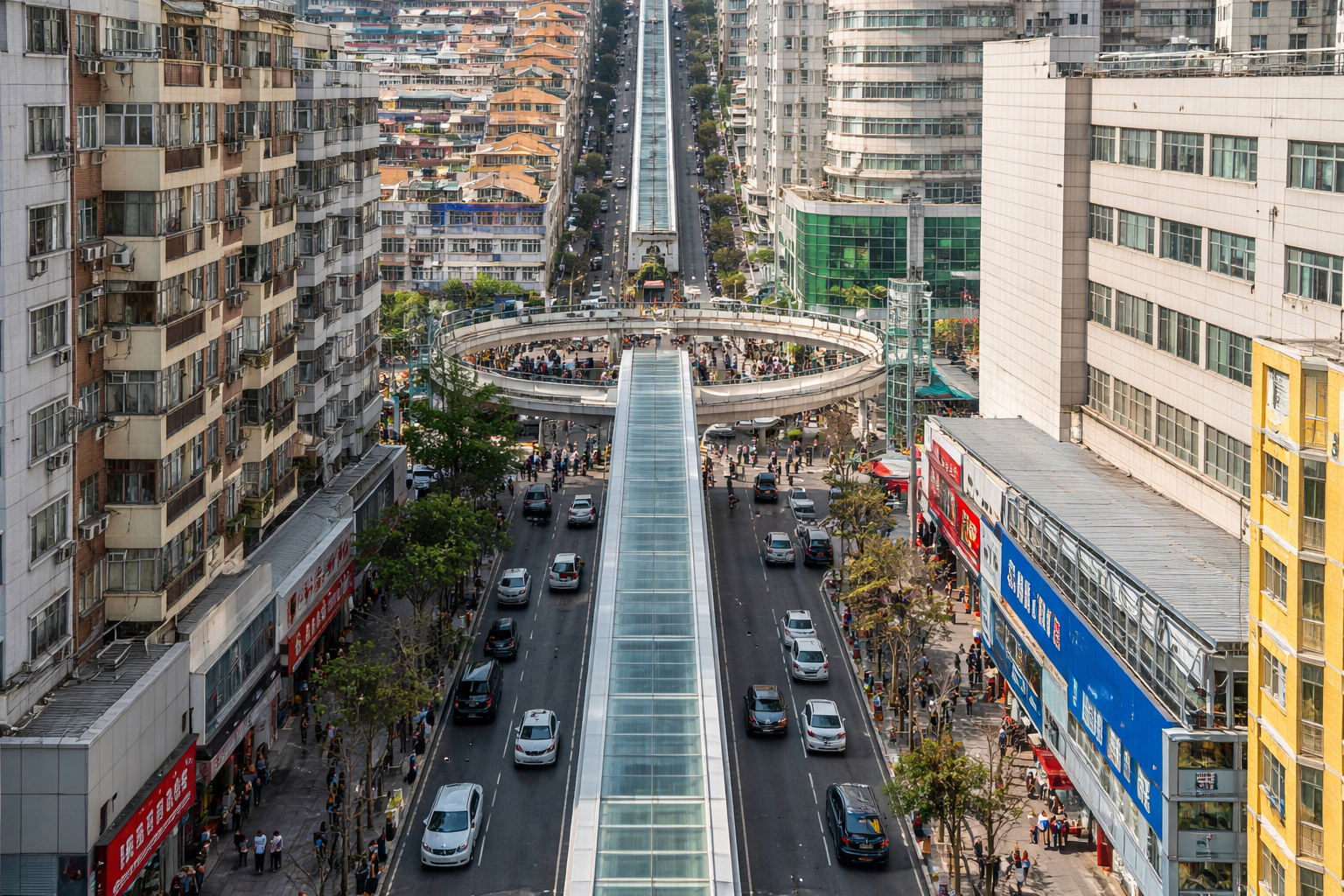
The world’s largest escalator, measuring 905 meters in China, reduces urban travel time from 1 hour to about 20 minutes and transforms mobility in mountainous regions with an engineering solution adapted to the terrain.
-
New shoe factory in Ceará is expected to create 400 jobs and strengthen the local economy.

-
No one imagined it, but a mixture of sawdust with a mineral that fights fires surprises scientists with a result that changes the course of fire-resistant construction.


Furthermore, 32% of global CEOs believe the way forward is for companies to adopt more agile methodologies “to respond to changing customer needs,” using technology as a means to reduce the costs of these activities. This occurs because, the more efficient and faster the logistics process for cargo transport operations in ports, the lower the margin of error in the activities.
Thus, there is not only greater control over what is happening, but also a reduction in the waste of resources used. Consequently, companies end up benefiting from increased productivity and a significant reduction in costs in logistics applied within the context of goods movement in both domestic and international markets.
Brazilian Ports Strongly Adopt Technology Use to Ensure Greater Efficiency and Cost Reduction in Logistics for Goods Transport
Still regarding KPMG’s research, the final report highlighted that “the progress of digitalization of operations and the creation of the next generation of the operational model were accelerated in a matter of months” throughout the pandemic period. In terms of technology adoption for reducing costs in cargo transport, Brazilian ports gained significant prominence in the international market throughout 2020 and 2021.
Among the projects and solutions adopted by national ports involving technology in this regard, the “Paperless Port” (PSP) is the most recent and efficient. This solution aims to facilitate the analysis and release of goods, generating an annual saving of over 3.1 billion reais. In addition, it allows information to be accessed through the Virtual Single Document (DUV), making process management faster and safer and, consequently, reducing logistics costs for goods transport in Brazilian ports.
Finally, the use of technology in national port complexes is now moving towards sustainability and renewable energies, mainly with the adoption of data control systems for better productivity within this resource generation chain.








Seja o primeiro a reagir!