





 Português
  Inglês
  Espanhol
  5 min de leitura
  0 comentários



The Telecurso 2000 Transformed Television into the Largest Classroom in the Country, Left Globo’s Programming, Lost Prominence with the Internet, and Migrated to Digital while Maintaining Free Classes for Millions, Preserving Open Access and Updating Content to Remain Relevant in Connected Brazil
The Telecurso 2000 was created to respond to a social urgency: to provide elementary and high school curricula to those who were out of the traditional classroom, using TV as the national learning infrastructure. For years, the program featured revised pedagogical scripts, accessible language, and short lessons that fit into workers’ routines, becoming a reference for distance education in Brazil.
With the acceleration of the internet, the television format lost ground and the mass showcase shrank. Globo’s exit in 2014 marked the end of an era in open TV, but also the transition to the online environment, where the project began gathering lessons in digital portals and educational channels, maintaining free access and expanding reach via mobile devices.
How Telecurso 2000 Started and Why It Became a Reference
The project was conceived to address practical questions of educational daily life: who needs it, how much time they have, where they are, and why they didn’t complete their studies. The story begins with earlier initiatives on TV, matures in the 1990s, and culminates in Telecurso 2000, which reorganizes content, modernizes language, and prioritizes subjects from the basic curriculum with a focus on those seeking certification through official exams.
-
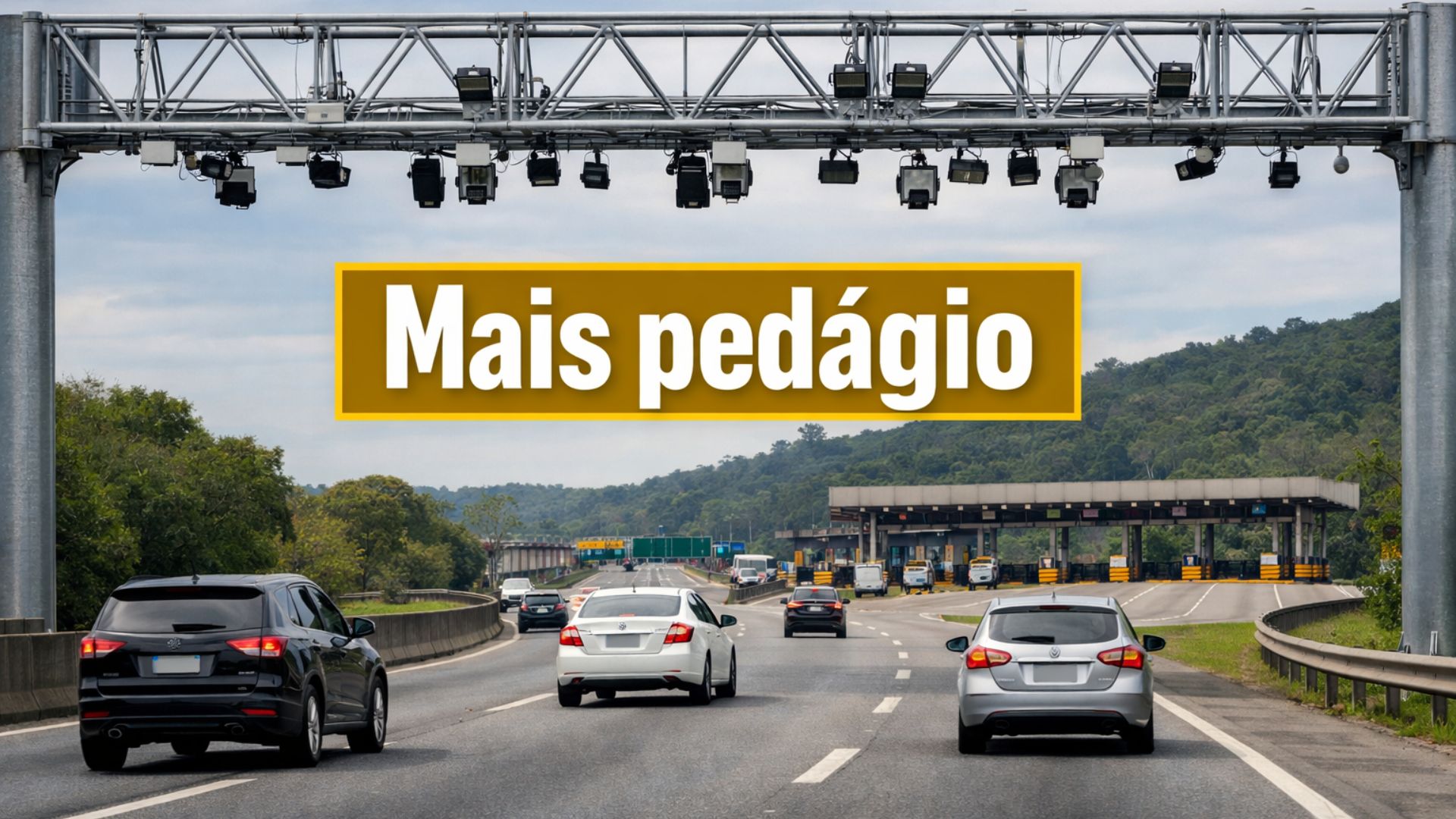
More tolls! The Anchieta-Imigrantes system will start implementing charges in both directions with free flow on July 1st, a fee of R$ 19.35 per segment, the end of toll plazas, and a project for a new 21.5 km lane.
-
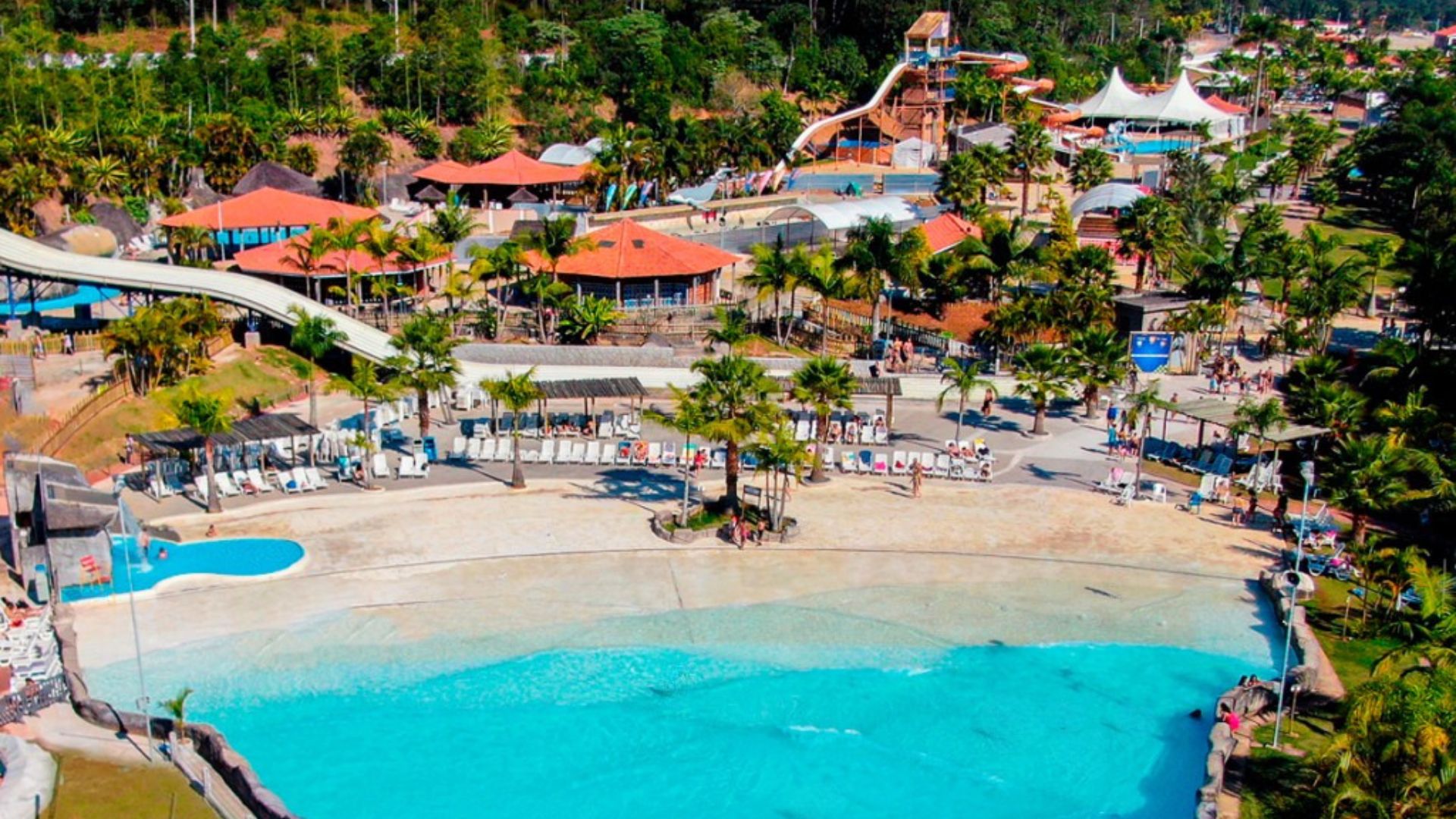
A Brazilian city has a water park in the middle of the forest with tickets priced at R$ 29, over 300,000 m², 40 attractions, heated pools, and a record of 700,000 visitors in one year.
-
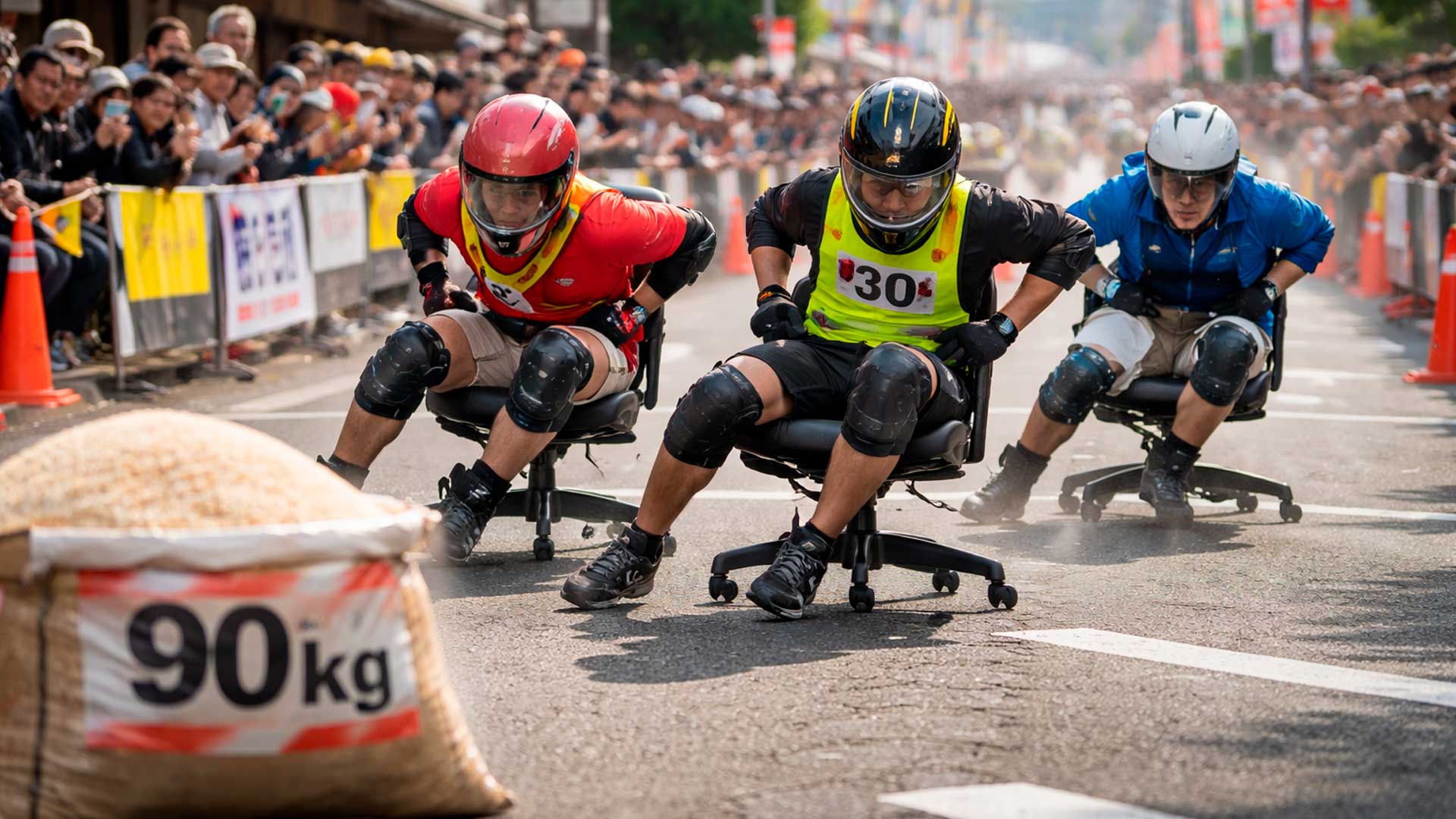
With an unusual prize, Japan transforms office chairs into a resistance race on the streets, ISU-1 Grand Prix grows, fills stages, and pays 90 kilograms of rice.
-
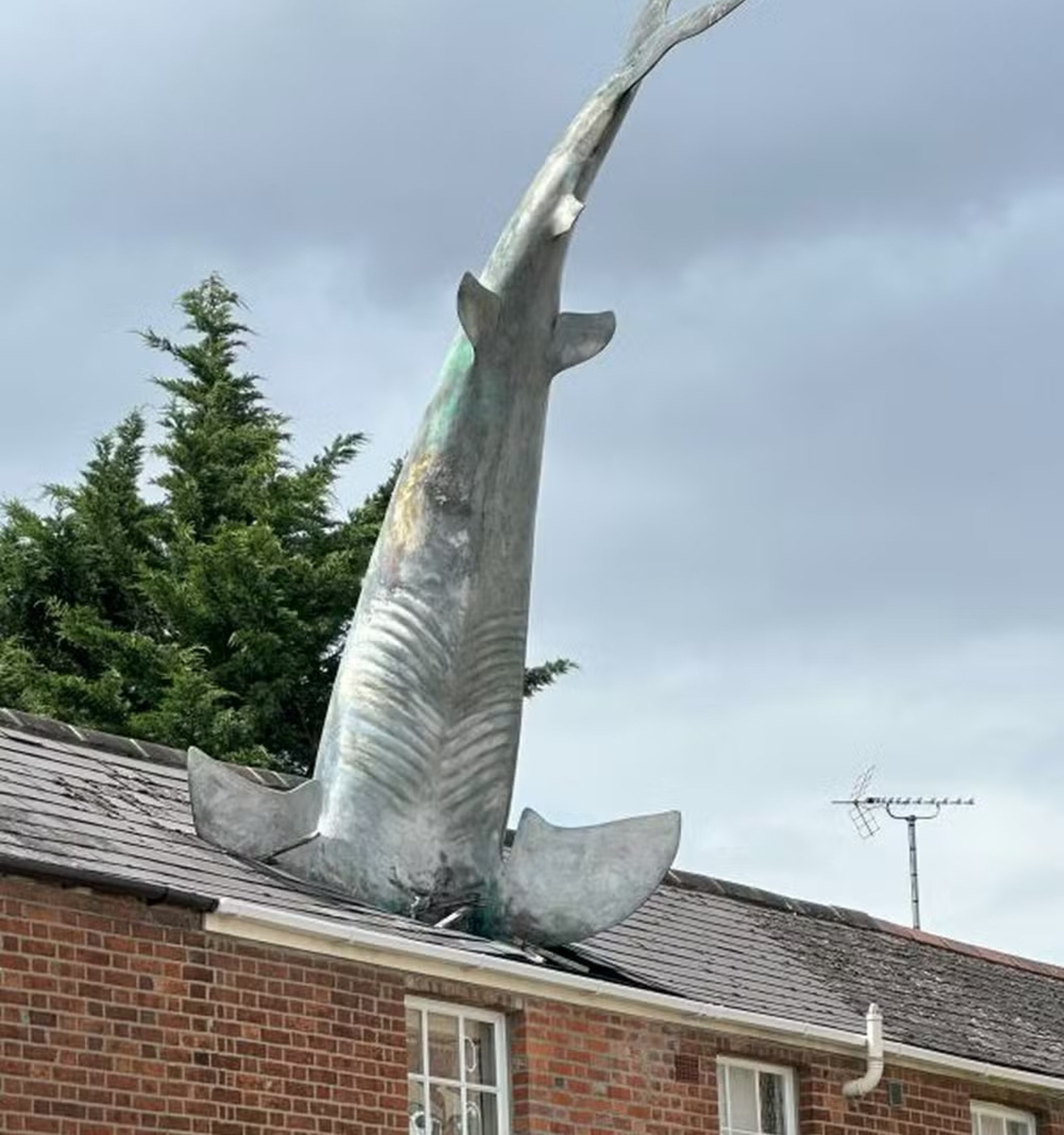
House in England with a 7.6-meter shark embedded in the roof attracts attention worldwide and becomes a curious attraction in Oxford.

By articulating television, audiovisual production, and pedagogical review, Telecurso 2000 standardized quality and scaled reach. The lessons were recorded in a studio, with teachers, hosts, and actors alternating explanations and examples to maintain clarity, rhythm, and retention. More than 1,200 lessons were produced throughout the project, covering content in Portuguese, mathematics, sciences, and social studies.
The strength of Telecurso 2000 lay in the combination of short episodes, straightforward language, and supporting materials. The lessons became part of the routines of factories, schools, unions, and social projects, with schedules that favored those who woke up early for work. In addition to broadcasts, physical kits such as booklets, VHS, and DVDs multiplied usage in companies and communities.
The numbers depict the scale of the impact: hundreds of broadcasters aired the lessons over the years, the content was adopted by tens of thousands of schools, companies, and social projects, and millions of Brazilians came into contact with the methodology. Television, present in most households, provided the infrastructure that allowed large-scale educational inclusion, especially for adults in EJA.
When the Internet Changed the Game
The digital shift of the 2000s changed study habits and media consumption. The public began seeking on-demand content, in search engines and video platforms, reducing the audience for fixed TV lessons. In response, the project updated its programming and materials, reviewed over a thousand lessons, and incorporated new subjects, rebranding in 2008 as a renewed version more aligned with the curriculum.
Even with the update, the connected environment imposed a new logic of access and distribution. What was once a television event became a navigable catalog. Telecurso 2000 had to migrate from linear broadcasting to digital library, preserving what worked while creating space for personalized study paths.
On November 14, 2014, the program left Globo’s programming and migrated to broadcasting on educational channels and full online access, gathering lessons by subject and education level. There was no grand farewell. The transition was quiet, but maintained the central commitment: free, organized, and accessible content for those needing to review subjects or seek certification.
After this change, Telecurso 2000 reinforced its presence on the internet, with lessons available on portals and educational channels, facilitating study via cell phones and computers. Digital access reduced geographical barriers, allowing content to reach prisons, rural areas, military bases, and municipal initiatives without relying on open TV programming.
What Remains Today and Who It Serves
Telecurso 2000 continues as a public learning library, useful for young people and adults seeking to complete studies through official exams, for schools and municipalities facing age-grade distortion, and for companies supporting the basic training of employees. Free preparatory courses, such as the one aimed at Seja, assist those needing a structured path to certification.
Local partnerships maintain social reach. Municipal projects integrated the lessons into strategies for recovering learning, with ongoing teacher training and pedagogical support. The core remains the same: clear curricula, objective language, and free access as a principle.
Users include workers, EJA students, young people who interrupted their education, and adults seeking certification. The impact is evident in the historical scale of millions of viewers and thousands of institutional usage points. Its presence is in digital formats, educational channels, and partner classrooms. Its importance is simple: Telecurso 2000 still offers a structured, free, and reliable path to recover essential content and open doors to exams and jobs.
Beyond nostalgia, the legacy is practical. The pedagogical curation, accessible language, and organization into paths remain relevant in a landscape of information overload. Telecurso 2000 continues to be a reliable shortcut for those needing a solid foundation in a short time.
Legacy and Next Steps
Telecurso 2000 proved that media and education can walk together with scale and quality, first through TV and now through the internet. The transition from broadcast to on-demand did not erase the project, it merely changed the channel. Remaining relevant means keeping the collection organized, free, and updated, as well as forging partnerships that bring lessons to those who need them most.
On the horizon, personalization and accessibility are natural pathways: organizing routes by certification goals, offering supporting materials for self-directed study, and increasing integration with public networks. Telecurso 2000 stays alive when it eases the lives of those studying while working, keeping the door open for millions.
The Telecurso 2000 left TV, lost prominence in the old model, but rebirthed online while maintaining free lessons and organized for those needing to complete or review their studies. The impact now depends on how each network, school, company, or student utilizes this collection in their day-to-day.
Did you use the Telecurso 2000 on TV or have you studied from the online lessons? In which city did you watch it, what subjects did it help you with the most, and what content do you feel is lacking today? Share your concrete experience, year, subject, and how the digital collection could improve your study routine in the comments.




-

-

8 pessoas reagiram a isso.