





 English
  Francês
  Alemão
  Italiano
  Japonês
  Norueguês
  Portuguese
  Spanish
  3 min of reading


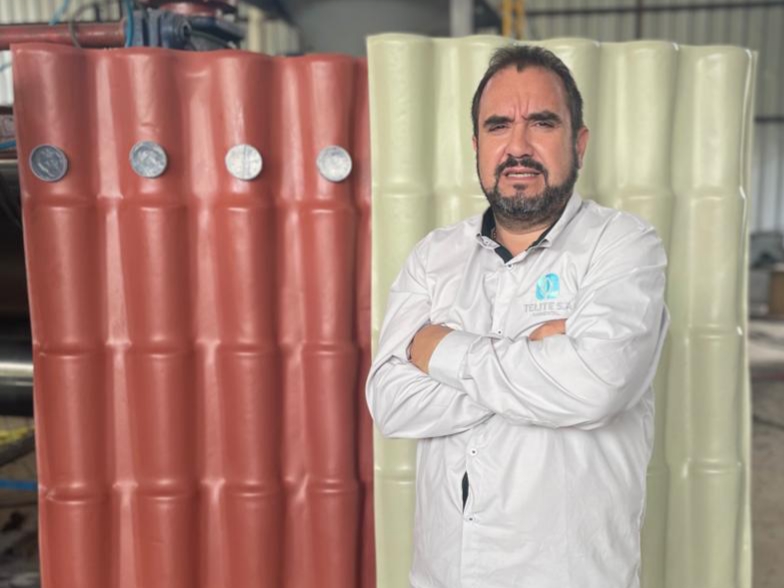
Graphene Is a Revolutionary Material for Conducting Energy and Data. The Application of This Metal in Solar Roofs, Along with Other Technologies That the Carioca Company Telite Is Working On, Represents Real Potential for Generating Electric Power Through Solar Energy and Sustainability.
According to the CEO of Telite in an exclusive interview with CPG portal, Leonardo Retto, each 3.8 cm tile of the company’s technology generates 4.5Kwh per month in full sunlight and 2.8 in cloudy weather or just with thermal sensation. Therefore, considering that the Solar Tile measures 1.90 x 1.10, it is possible to install 50 tiles, reaching up to 225 KWh of solar energy in a month per solar roof with graphene.
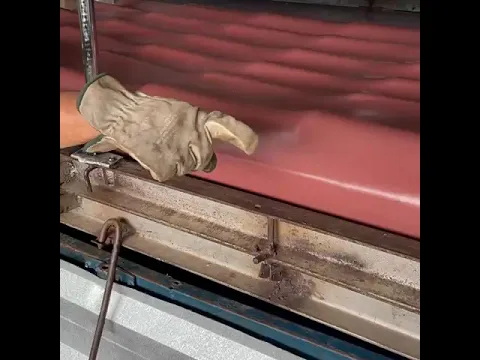
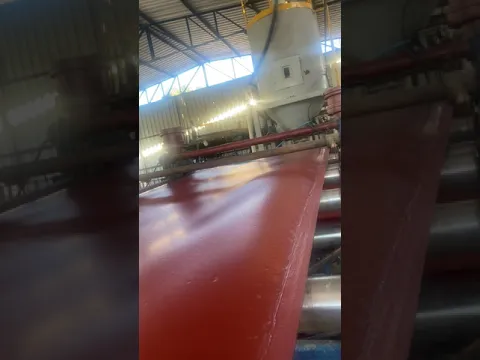
It happens that graphene is capable of engaging in a phenomenon of electron friction applied in technology, causing it to generate energy even in the rain. Watch some videos of the manufacturing process of Telite below:

This material is 200 times stronger than diamond, a million times thinner than a human hair, and 100 times more conductive of data than current devices. In other words, it is superior to any material known in the market today. Therefore, the solar tile with graphene promotes a perfect combination of energy generation with sustainability through solar energy, which is renewable and clean.
-
Unemployment rises again to 5.8% at the beginning of 2026, raising alarms about the end of temporary positions and its impact on the Brazilian job market.

-
Document organization can cut invisible costs in small businesses, a simple step that prevents waste, rework, and losses in daily operations.

-
Renewable energy advances over protected areas in Brazil, and a survey by the Energy Transition Observatory reveals silent impacts that challenge environmental conservation and pressure sensitive traditional territories.

-
Rio Grande do Sul accelerates energy transition: State invests in renewable technologies and consolidates decarbonization strategies and pathways to attract billions in new industrial investments.


Solar Tile: A Technological Product for a Sustainable Future Accessible to All Social Classes
Sustainability through practices that do not negatively impact nature also contributes to social improvement among all classes. This is the concept of sustainability that countries connected to the United Nations should achieve by 2030.
One of the main actions is to eliminate dependence on fossil fuels and adopt clean energy generation, such as solar energy, which is free, clean, and easily captured here in Brazil.
The solar tile with graphene follows the same line as the conventional colonial plastic tile. Leonardo Retto is democratic in stating to our report that the manufacturing of this product is for all social classes.
“We believe from the already anticipated demand that we will quickly scale the market, as several companies in the conventional solar panel sector have also approached us for reselling our product, which is already an indicator of the market itself,” said the businessman.
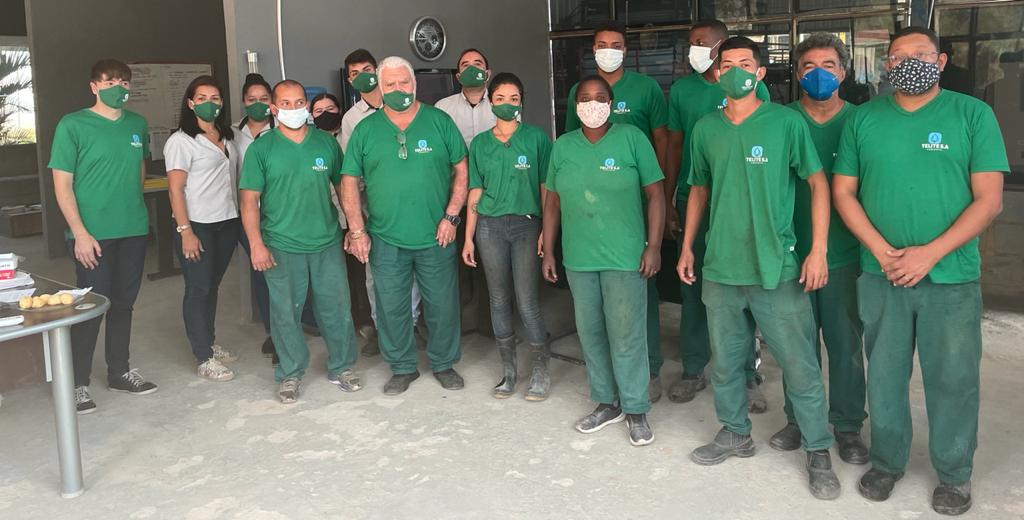
Currently, Telite’s graphene solar tile is undergoing certification with Inmetro and Aneel. Soon, there will be an announcement of a multinational as a partner.
Learn More
- Solar energy tiles can generate more than R$300 in savings on Brazilian electricity bills
- The oil and gas sector, along with other fossil fuels, needs to make way for solar, wind, and other renewable energy by 2030 before it’s too late, says the UN
International Partnerships Aim for Access to Solar Energy
According to Leonardo Retto, Telite has received an average of 250 emails from interested buyers of the graphene solar tile. In addition, meetings have taken place with eight countries, including the United States, Japan, Chile, and Portugal, as well as Mexico, where energy storage is not allowed, but it is believed that a hybrid system could work.
“Telite is already manufacturing its own graphene solar tile in polymer. And in the near future, the tile will already be the main conductor without needing any additional devices. This is already a reality in our production that has been made possible through a partnership with this large Brazilian multinational,” highlights Leonardo Retto.
How the Solar Tile with Graphene Can Benefit Small Businesses
Solar energy can be an ally in the economic recovery. Besides the sustainability aspect, photovoltaic systems provide savings on electricity bills, especially in distributed generation systems.
The notion that solar energy is only for the wealthy has been debunked; the solar tile with graphene is easy to install. The product measures 1.90 x 1.10, weighs only 5 KG, and has a lifespan of 80 years.
“Around 40% lower cost, much easier maintenance and installation, the highest generation per square meter, and a highly sustainable product with clean energy attached. This is what the new consumer is looking for,” emphasizes Leonardo Retto.








Seja o primeiro a reagir!