Portuguese
  Spanish



Brazilian Homeowners Can Save R$ 300 With Solar Roof Tiles On Their Energy Bill
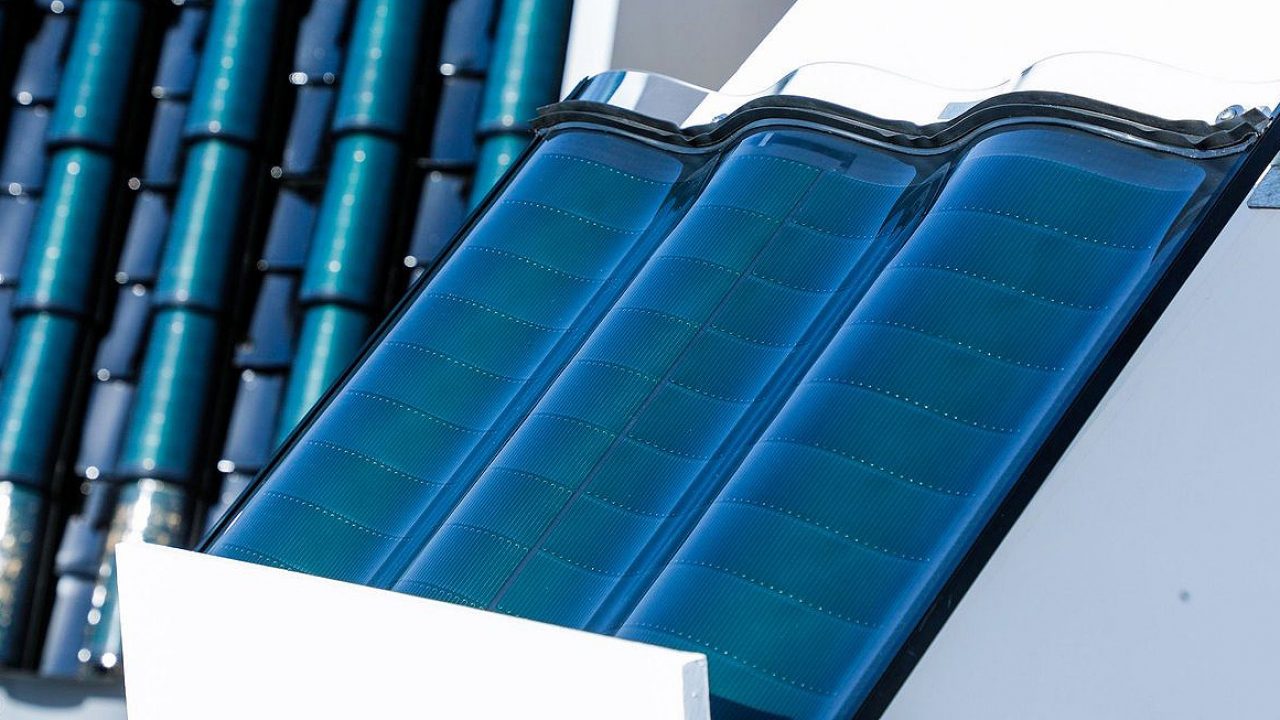
The solar roof tile that can help Brazilians save on their energy bills, produced by Eternit, a new product in the country, is already being tested in two homes in the interior of São Paulo. The model is made of concrete and features integrated photovoltaic cells. One of the houses receiving the technology is located in São Bento de Sapucaí. There, 400 photovoltaic tiles with 9.16 kWp were installed, with an estimated average production capacity of 400 kWh/month – according to Eternit.
Read Also
New Solar Roof Tile from Eternit on the Market
The solar roof tiles that can help Brazilians save on their energy bills have been produced on demand at the Tégula Solar factory in Atibaia, São Paulo. For now, production is focused on pilot projects, such as the one carried out at the Federal University of Santa Catarina (UFSC) and now this residential project.
The concrete solar energy model has already been approved by Inmetro and is named Tégula Solar. Another model made of fiber cement, which can assist in savings, is awaiting Inmetro approval and will be added to the brand’s new photovoltaic line – Eternit Solar.
-
Giant Batteries Take Center Stage in Chile Auction as Company Offers 960 GWh of Solar Energy for Nighttime Use, Aiming to Stabilize Solar Power Supply

-
After a Year of Success in Switzerland, Solar Railway Attracts Italy’s Interest for Clean Energy Transformation
-
Robots Clean Solar Panels in Desert Power Plants Without Water, Preventing Energy Losses
-
Brazil’s Offshore Wind Energy Potential Worth $1 Trillion Stalled by Long-Delayed Agreement




“Being the type of tile most widely used in establishments across the country and with a more accessible cost, we can offer the possibility of adopting solar energy to a large portion of the Brazilian population, popularizing this access and helping to save on energy bills,” explains Luís Augusto Barbosa, president of Group Eternit.
The technology that can help Brazilians save on their energy bills is 100% national, and products are already being produced at the Tégula Solar factory, owned by the Eternit group, located in the interior of São Paulo. Selected clients from the company are already receiving the tiles as part of a pilot project.