





 Portuguese
  English
  Spanish
  5 min of reading
  0 comments


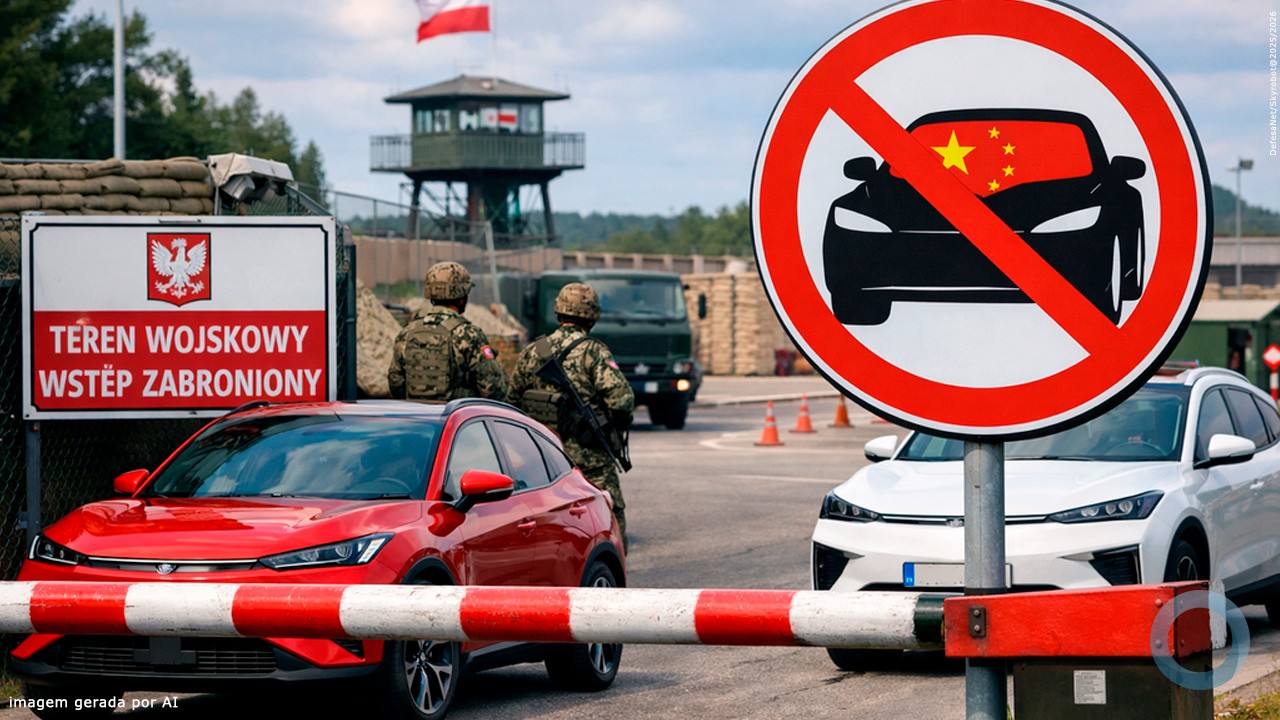
Security Measures Adopted By Poland Put Connected Vehicles At The Center Of The Debate On Data Protection, National Defense And Automotive Technology, Amid The Advance Of Chinese Cars In The European Market And International Diplomatic Reactions.
Poland has begun to restrict the entry of cars from Chinese brands into military facilities following internal alerts related to data security.
The measures are based on guidance from the Military Counterintelligence Service, which assesses risks associated with sensors, cameras and microphones present in newer vehicles, especially electric and connected ones.
According to information from the AutoPapo portal, the concern is linked to the ability of these systems to record images, sounds, and movement information in areas considered strategic.
-
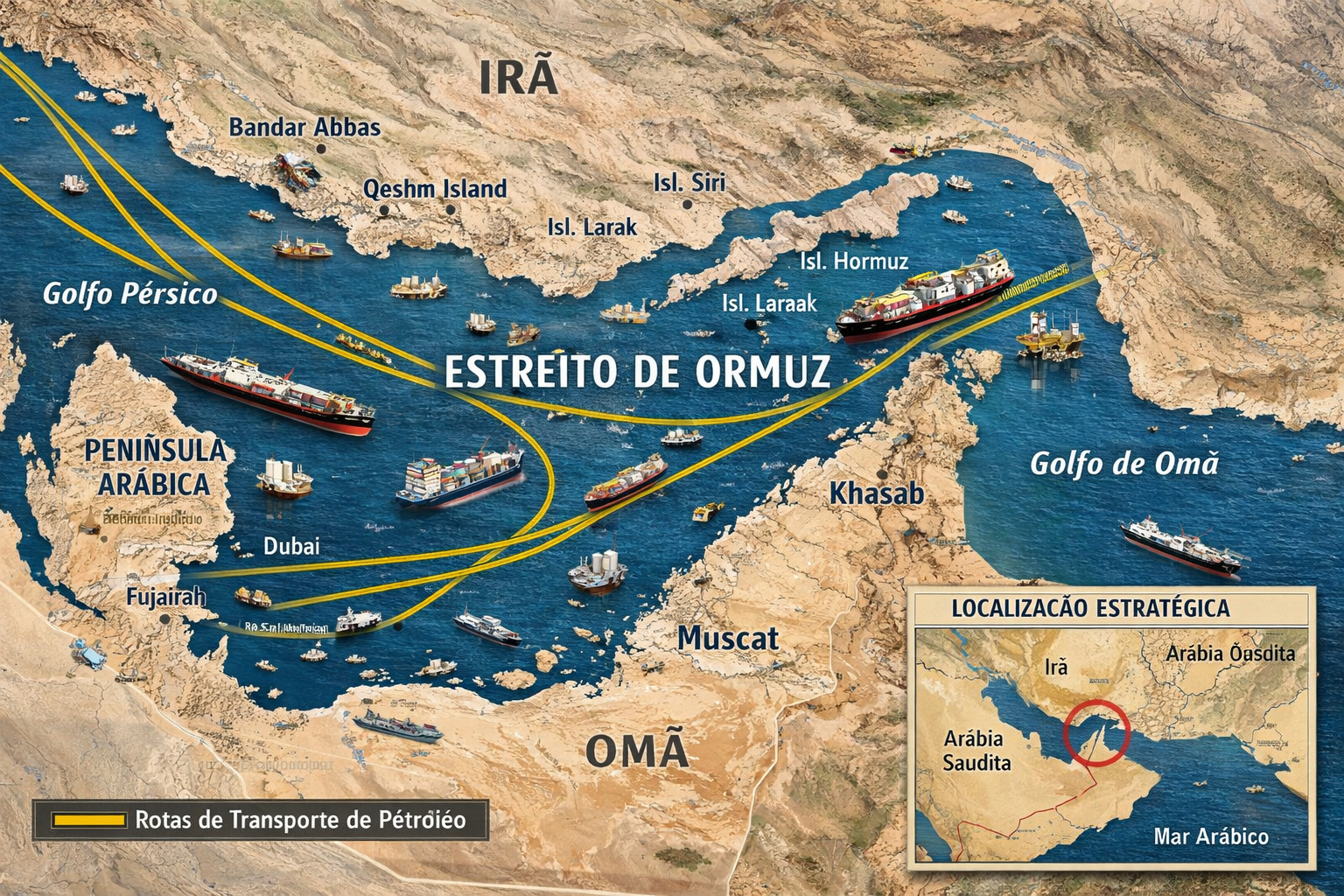
Global summit with over 40 countries pressures Iran for a blockade in the Strait of Hormuz and warns of direct impact on oil, food, and the global economy.
-
Russia has broken the U.S. maritime blockade to send oil to Cuba and is now loading a second ship while Trump says that “Cuba is next” in a possible military action against the island.

-
Spain challenges the USA and closes its airspace for operations against Iran, raising global tension and provoking the threat of a trade rupture.

-
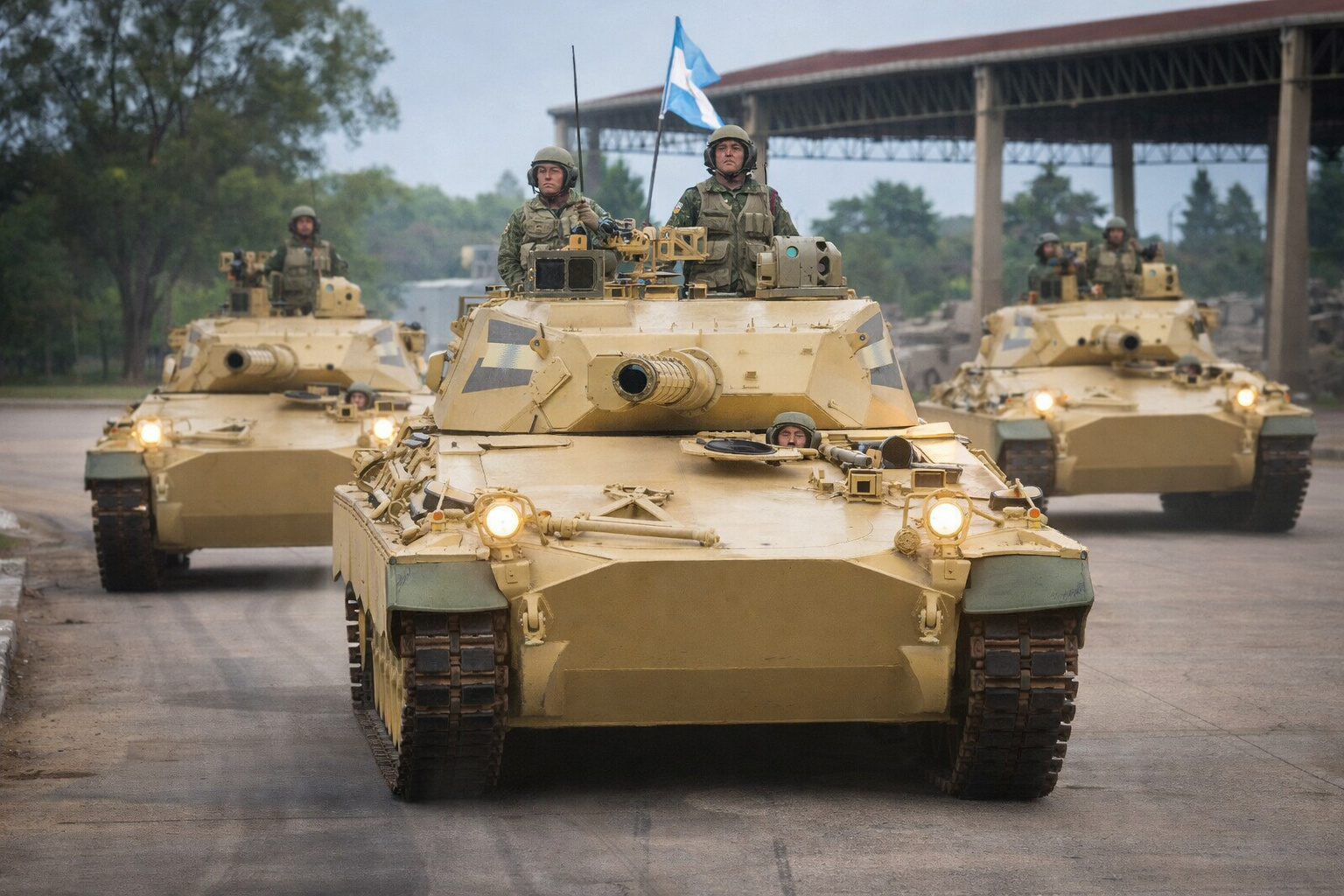
While no other country manufactures tanks in Latin America, Argentina activates the TAM 2C-A2 and raises a curiosity about the technological lag in the region.

The assessment is that, in certain contexts, this data could be transmitted to external servers, requiring stricter protection protocols in military bases.
The debate gained visibility after reports that military personnel were prevented from accessing units with their own vehicles.
One incident involved a Tesla car that was denied entry at the 1st Armored Brigade of Warsaw, according to information released by Polish media.
The blockage, according to these reports, occurred due to the vehicle’s technical characteristics, not the driver’s conduct.

Connected Vehicles And Risks To Military Security
Polish authorities explain that the discussion falls within the context of increasing connectivity of automobiles.
Current models feature external cameras, proximity sensors, advanced navigation systems, and software that rely on constant connections for updates and diagnostics, in addition to remote monitoring capabilities.
According to the Ministry of Defense, the Military Counterintelligence Service issued guidelines in 2025 aimed at protecting military facilities from risks associated with equipment manufactured in China.
The recommendations do not cite specific espionage incidents involving cars but are based on preventive analyses, according to official reports reproduced by the press.
Security experts consulted by local media assert that the continuous data collection by connected vehicles can facilitate the mapping of routines, access points, and sensitive areas.
For this reason, authorities believe that prevention requires limiting the presence of these vehicles in military environments, even without public evidence of a concrete case.
How Restrictions Are Applied At Bases
Although there is a general guideline, the application of restrictions is not entirely uniform.
Information released by authorities indicates that the final decision on whether to allow a vehicle’s entry lies, for now, with the commander of each military unit, based on the rules for protecting strategic areas.
In addition to cars from Chinese origins, the rules also cover vehicles equipped with image and sound recording devices.
In statements attributed to the Ministry of Defense, the argument is that these features, common in modern cars, can pose additional risks in defense installations, regardless of the brand.
At the same time, the Polish government is exploring ways to standardize the restrictions at the national level.
According to information released by state agencies and reported by the press, the aim is to establish clear criteria for vehicles capable of real-time data transmission.
Case Involving Tesla Expands Technical Criteria

The case involving a Tesla car reinforced the discussion about the parameters adopted by the Armed Forces.
Although the measure primarily targets Chinese brands, the vehicle’s blockage indicated that the analysis may consider technical and operational aspects, not just the manufacturer’s origin.
Local reports mention that part of Tesla’s production occurs in China and that the company maintains operations related to data processing in the country.
Experts cited in these reports point out that factors such as the production chain and data storage can influence risk assessments in military environments, although there is no public detailing on how these criteria are applied.
Growth Of Chinese Brands In The Polish Market
The restrictions in military areas contrast with the expansion of Chinese cars on the streets of Poland.
Data disclosed by local media indicate that, in December 2025, 9,821 automobiles from Chinese brands were registered in the country, a number more than four times higher than the same period the previous year.
For the year 2025, these brands reportedly accounted for 14.5% of new passenger vehicle registrations, according to figures cited by Polish broadcasters and newspapers.
The expansion is attributed, in reports, to competitive pricing and technology packages that attracted civilian consumers.
Surveys released throughout the year also indicated rapid growth in the first three quarters of 2025.
Although methodologies vary among sources, the consensus is that the presence of Chinese manufacturers in the Polish automotive market has significantly increased during this period.
Study On Restrictions In The Surroundings Of Bases
The debate is not limited to access control to units.
Authorities are evaluating, according to information released by the press, the possibility of also restricting the parking of connected vehicles near military bases.
The justification presented is that, even outside the perimeters, cars equipped with cameras and sensors could record the surroundings of the facilities.
For now, this discussion appears as an ongoing analysis, with no public definition on rules or deadlines for potential implementation.
Diplomatic Reaction From China
The expansion of restrictions provoked a reaction from Beijing.
In a statement attributed to the spokesman for the Chinese Ministry of Foreign Affairs, the Chinese government criticized the measure and urged Poland not to “abuse the concept of national security,” according to reports from international media.
The manifestation occurs in a broader context of disputes involving technology, connectivity, and data control.
In the Polish case, authorities maintain that the decisions are preventive and focus on protecting military facilities, without a direct link to trade barriers.








Seja o primeiro a reagir!