





 Portuguese
  English
  Spanish
  4 min of reading
  0 comments


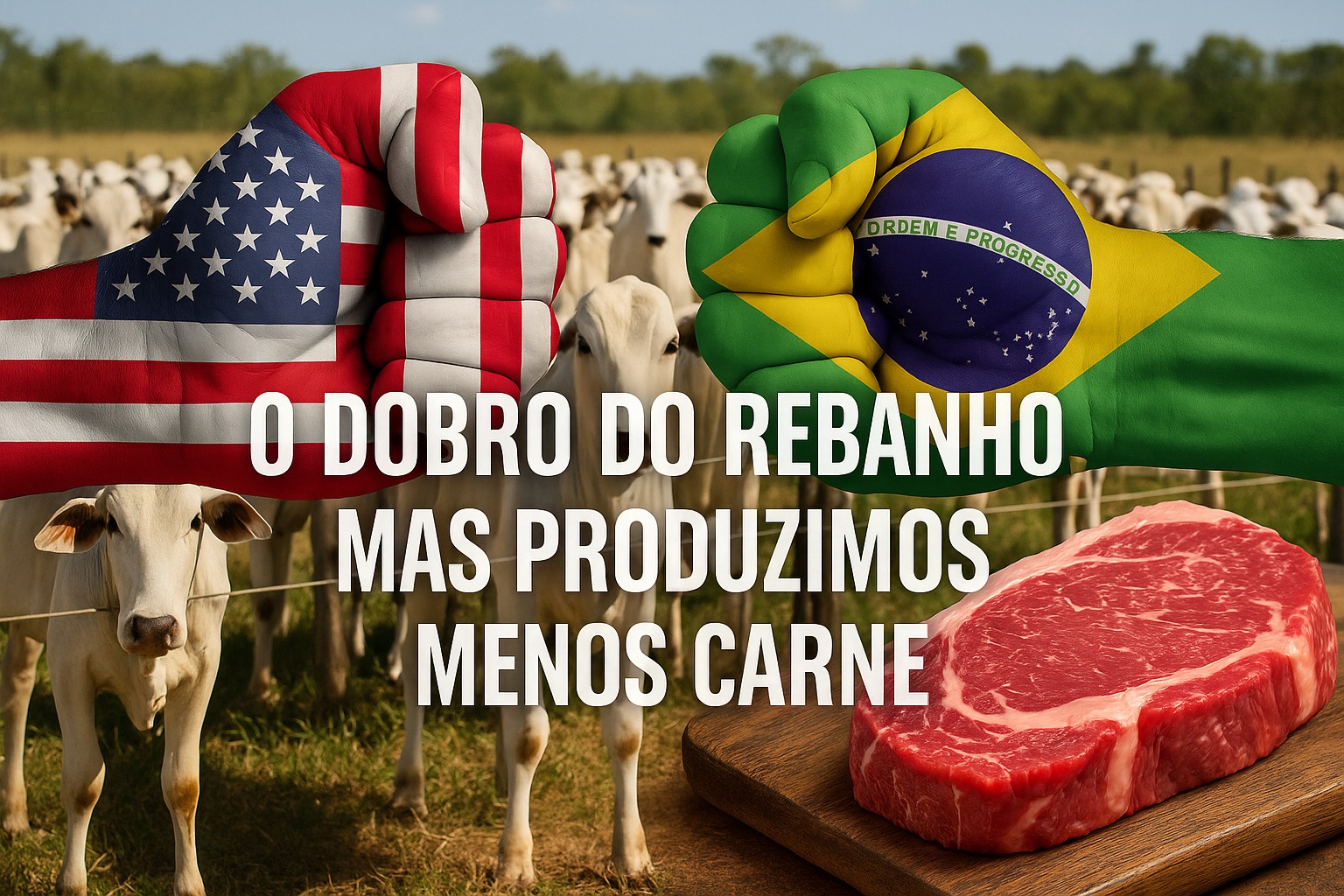
Even With More Than 200 Million Cattle, Brazil Produces Less Beef Than the USA Due to Lower Productivity and Extensive Management
Brazil boasts the second largest cattle herd on the planet, second only to India, which has about 238.2 million heads in 2024. The Brazilian territory is home to more than 200 million cattle — a number more than double the 86 to 87 million recorded in the United States.
Even so, U.S. beef production reached 11.6 to 12.3 million tons in the same year, surpassing Brazil’s 10.91 million tons.
This difference reveals an evident paradox: why does the country with the largest commercial herd in the world produce less beef than a nation with a smaller territory and herd? The answer involves productivity, management, feed, and infrastructure.
-
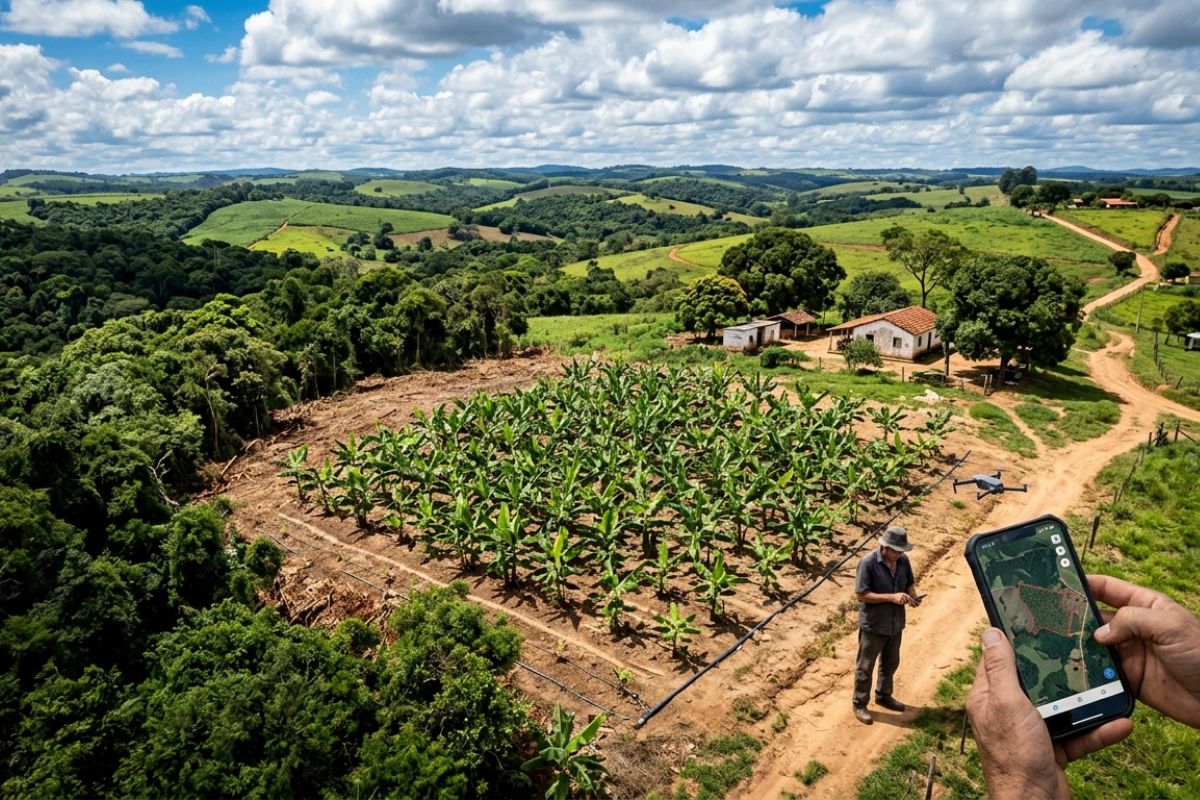
Cleared 2,700 m² to plant bananas and received a fine of R$ 31,600: satellite provided evidence, neighbor can report, and the video reveals the 5 mistakes that most harm producers in the field every day.
-
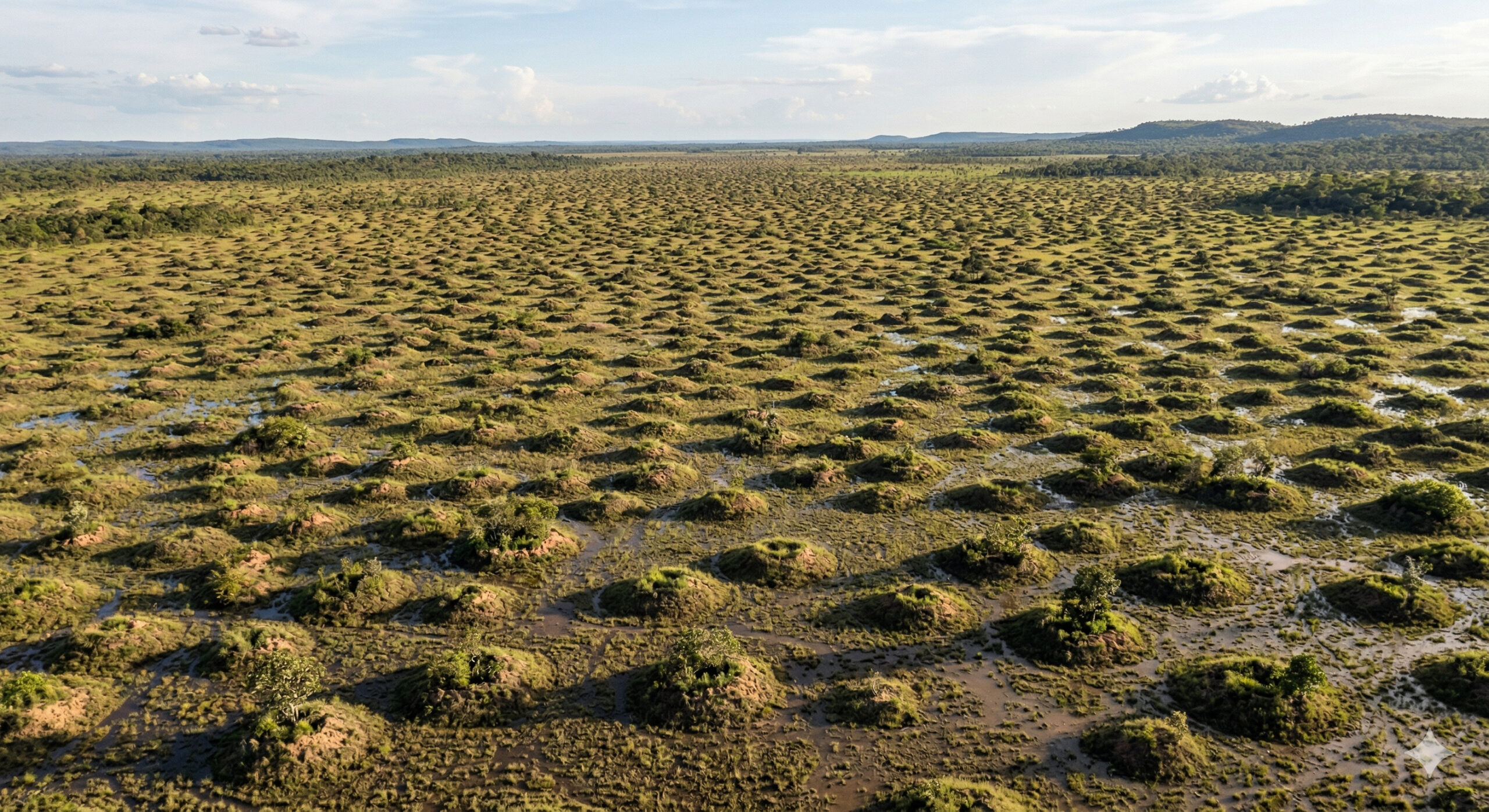
In the Brazilian Cerrado, the fields of murundus spread thousands of mounds up to 20 meters in diameter and over 1.5 meters in height in almost regular patterns over waterlogged soils, and the most accepted explanation points to termites reshaping the land for centuries until creating a landscape that looks drawn from above.
-
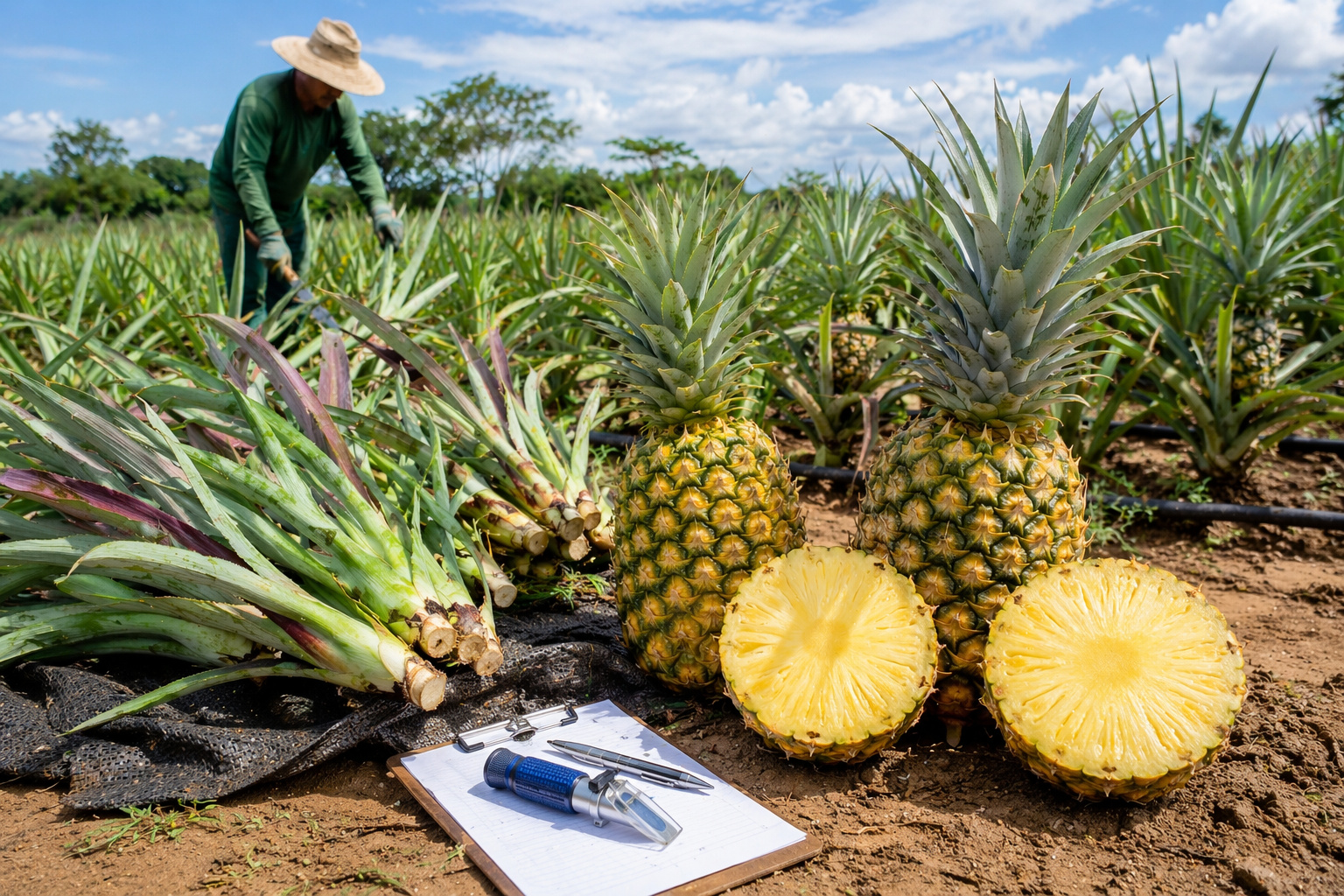
Spiny-free pineapple, sweeter and more resilient: Mato Grosso develops new cultivars that promise to reduce losses from fusariosis and increase productivity in the field.
-
Agro Machinery: discover the new technology aimed at impacting agriculture by professionalizing the buying and selling of agricultural machinery with precise data, more security, and fairer negotiations among producers.

Carcass Weight and Age at Slaughter
The carcass weight is one of the main indicators of productivity. In Brazil, cattle still spend long periods in pasture, resulting in older and lighter animals.
Data from IBGE indicates that, in 2023, the average age at slaughter was 32.9 months — nearly three years — and that 83% of the slaughtered cattle were older than 24 months. The average carcass weight was around 260 kilograms.
In the United States, the scenario is quite different. There, steers reach carcasses of about 949 pounds, equivalent to 430 kilograms, and in 2025, there are already records of animals nearing 950 pounds.
The difference exceeds 60% and reveals how much lower the individual performance of the Brazilian herd still is.
Herd Utilization and Slaughter Numbers
Another important factor is herd utilization — that is, the proportion of animals slaughtered annually. The United States slaughters about 35.5% of the total cattle each year, while Brazil slaughtered, in 2024, 23.5% of the herd, even with a historic record of 39.19 million heads.
The average slaughter age also weighs in this calculation. While in Brazil animals go to the slaughterhouse at nearly three years old, Americans slaughter between 18 and 24 months.
This occurs because cattle in the U.S. spend a significant amount of time in intensive confinement, fed with grains, which accelerates weight gain and reduces the rearing time.
This rapid finishing allows for more turns per hectare and larger carcasses.
Confinement and Intensive Feeding
In the United States, feedlots are fundamental to the sector’s performance. Most cattle go through these confinements, with diets rich in corn, sorghum, and by-products from the ethanol industry.
This type of highly energetic feeding ensures rapid growth and standardization of carcasses.
In Brazil, the practice is still limited. In 2024, only 7.96 million cattle were finished in confinement — an 11% increase over the previous year, but still representing about 3 to 4% of the national herd.
The forecast for 2025 is to reach 8.53 million heads, a modest number given the country’s potential.
The difference in diet is also significant. In the U.S., the use of DDG (distillers dried grains), a by-product of ethanol, multiplies daily weight gain from 400 grams to up to 1.6 kilos.
In Brazil, DDG is little used, restricted to a few producers with access to ethanol-producing regions.
Logistics and Technological Inequality
Logistics is another significant hurdle. The transport of grains and feeds faces long distances and poor highways, making intensive fattening more expensive.
Moreover, there is a strong technological inequality between farms. Some use advanced genetics, precise nutritional management, and digital tools, while others still maintain extensive systems, with low efficiency and little technology.
This difference explains why the country has islands of high productivity surrounded by large areas of traditional cattle raising, which still rely on rainfall and native grass.
Overestimation of the Herd and Slaughter of Females
Recent research suggests that the declared herd may be overestimated. The real number would be closer to 196 million heads, which would increase the actual utilization rate but still fall short of the U.S.
Another sensitive point is the slaughter of females. In 2024, they accounted for 43% of the cattle slaughtered in the country. This percentage includes old cows and heifers culled prematurely.
Although this practice helps maintain the meat supply in the short term, it compromises herd replacement and requires greater reproductive efficiency to avoid future losses.
Ways to Improve Productivity
Experts point out several measures that could enhance the competitiveness of Brazilian beef: increase the use of confinements and semi-confinements, adopt more energetic diets with corn and DDG, and invest in genetics and reproductive management to reduce the age at slaughter.
It would also be essential to improve transportation infrastructure and grain logistics, making feed more accessible and affordable for producers.
Finally, updating herd data with more accurate methodologies is crucial, avoiding distortions that mask real productivity.
Brazil is undoubtedly a livestock powerhouse. However, the challenge lies in making each cow produce more beef in less time.
The country already has the climate, land, and technology for that. What’s missing is to expand access, integrate systems, and improve efficiency.
So, when someone asks why Brazil, even with so many cattle, produces less beef than the United States, the answer is clear: the secret lies not in the number of animals, but in the productivity of each one.
With information from Compre Rural.







-

Uma pessoa reagiu a isso.