





 Portuguese
  English
  Spanish
 3 min of reading
  1 comment


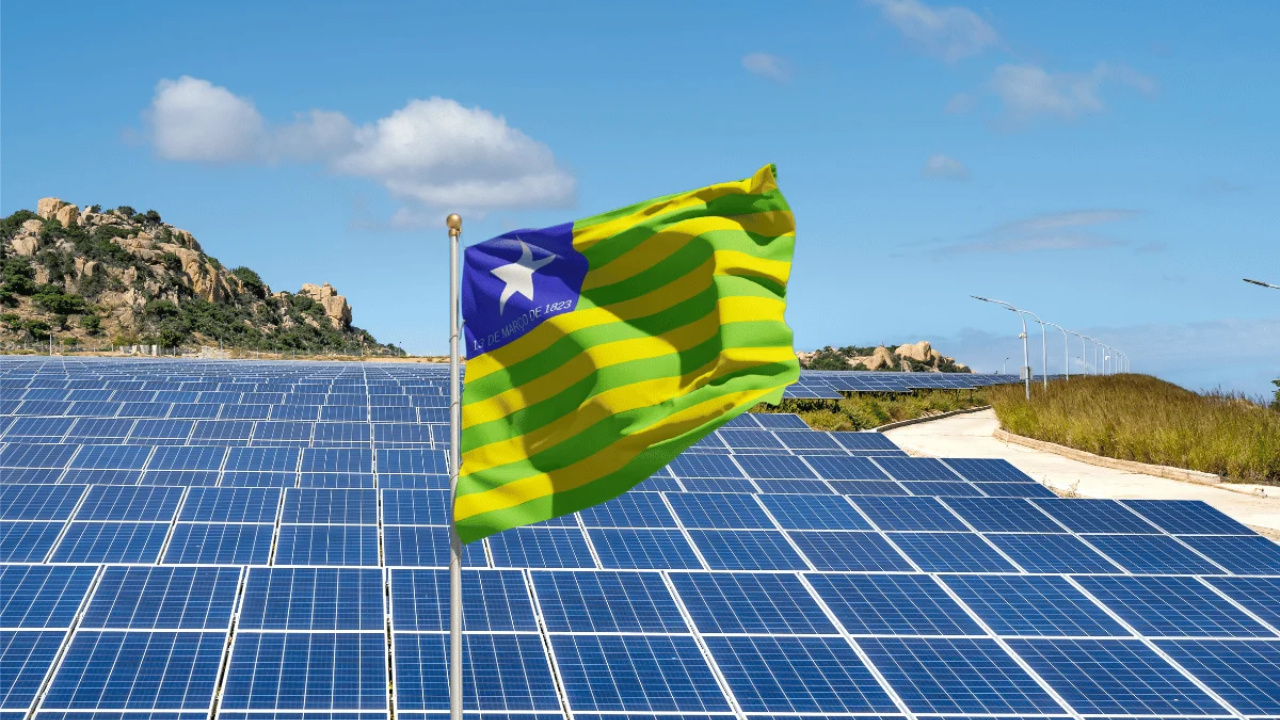


With More Than 250 MW of Installed Capacity, Teresina Establishes Itself as a Leader in Solar Energy in the Northeast, Surpassing Capitals Such as Fortaleza and Salvador and Attracting Investments in Sustainability and Innovation.
The capital of Piauí, Teresina, has just reached a historical milestone in the Brazilian energy landscape, as reported this Monday, the 6th. With an installed capacity exceeding 250 megawatts (MW), the city has taken the lead in solar energy in the Northeast, surpassing major capitals in the region, such as Fortaleza and Salvador. The progress reflects a combination of smart public policies, economic incentives, and the natural potential of one of the sunniest cities in the country.
Sun, Public Policies, and Investments Drive Growth
The success of solar energy in Teresina is not a chance occurrence. The city brings together a set of factors that favor the development of the sector, including high solar incidence, incentives for distributed generation, and public-private partnerships that have enabled the expansion of photovoltaic projects.
The municipal government has invested in sustainability measures, such as the installation of solar panels in public buildings, schools, and hospitals. These actions reduce electricity costs and strengthen the capital’s commitment to energy transition. Additionally, private companies have increased their investments, contributing to Teresina’s emergence as a model of innovation in the use of renewable sources.
-
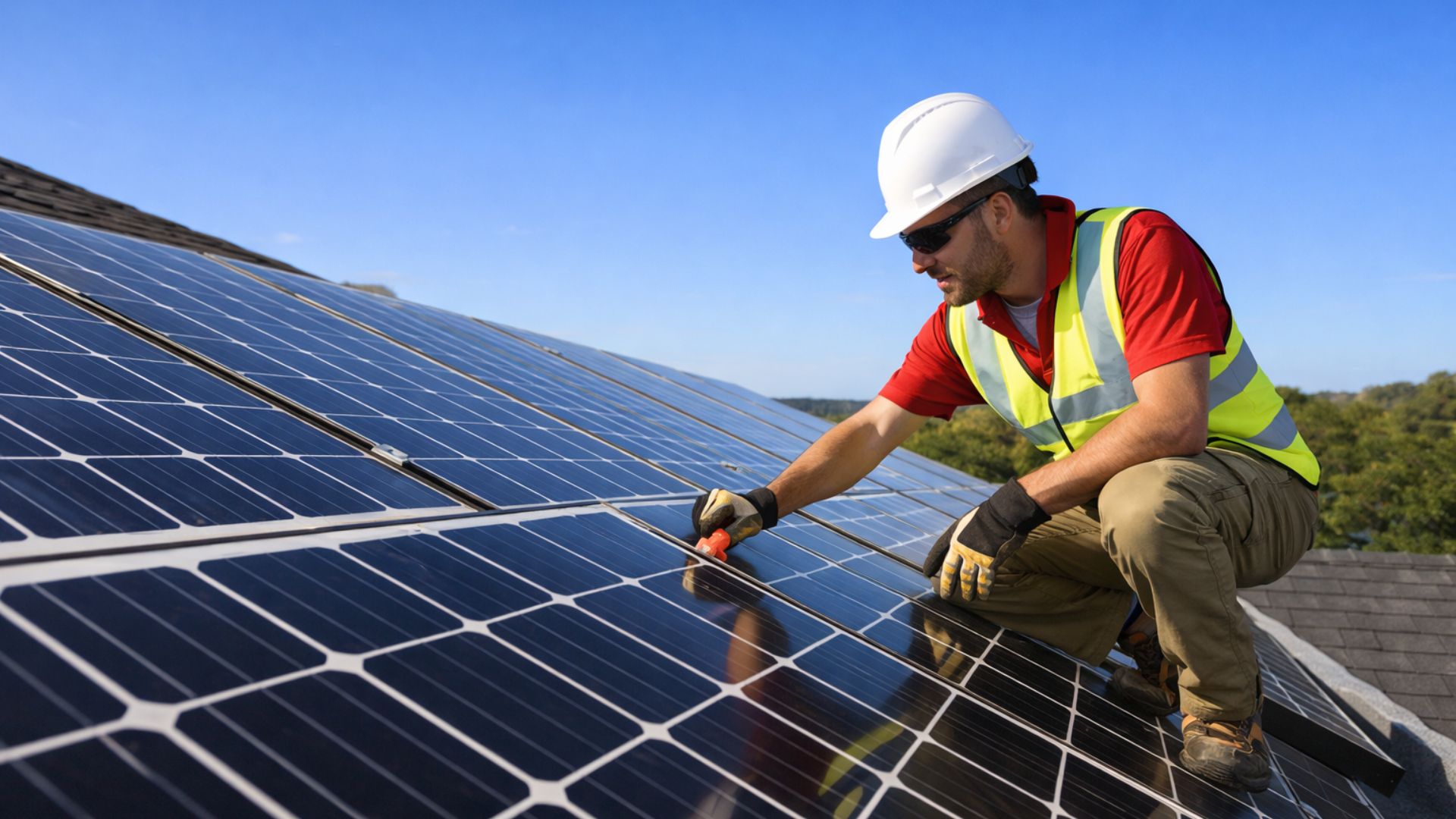
Seagri’s headquarters invests in solar energy with Neoenergia Coelba and promises to cut electricity costs, highlighting a strategic advance in sustainability and energy efficiency within state public administration.
-
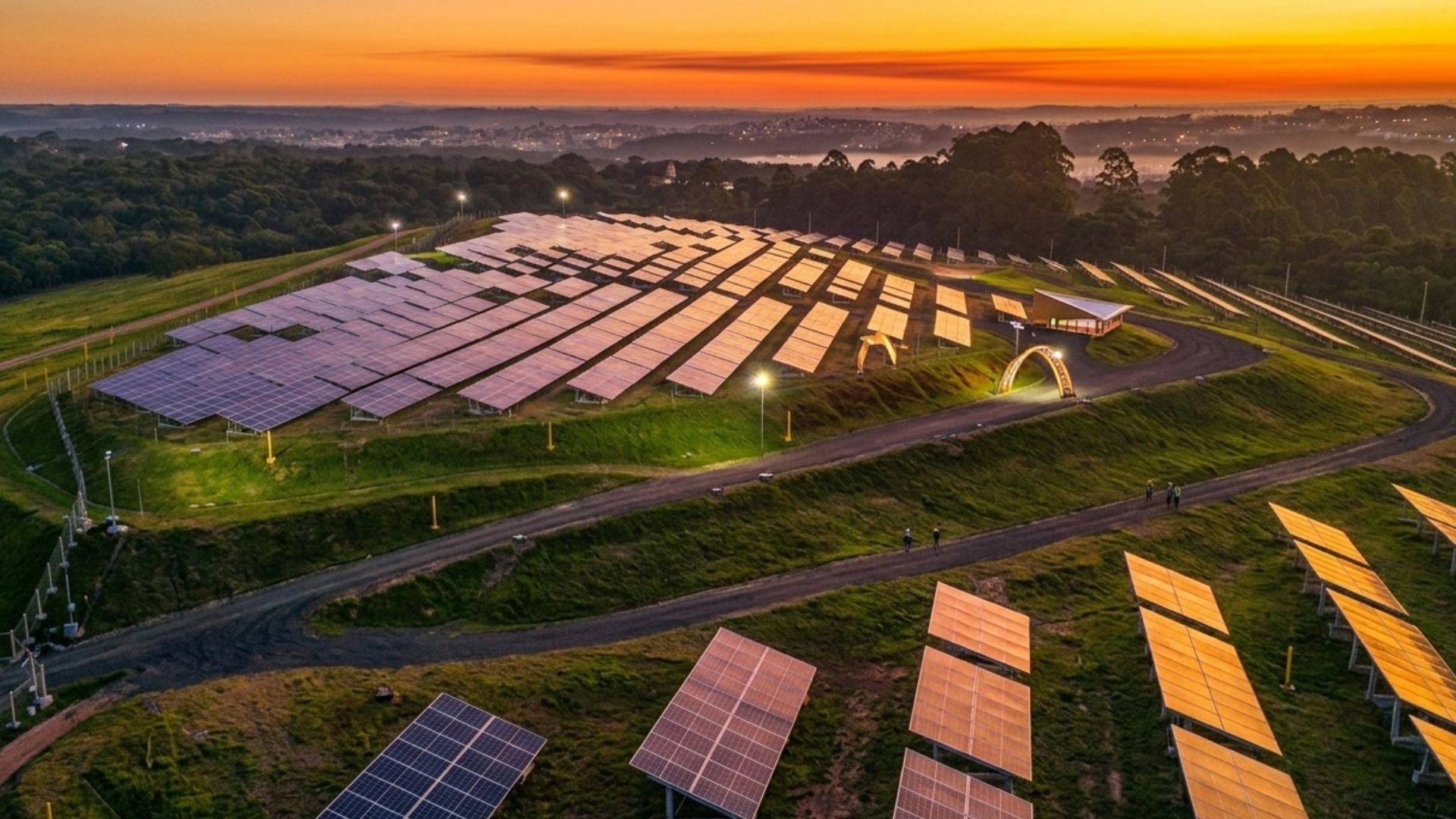
Solar Pyramid draws attention by converting solar energy into million-dollar savings and repositioning the City Hall of Curitiba as an example of innovation, sustainability, and intelligent use of public resources.
-
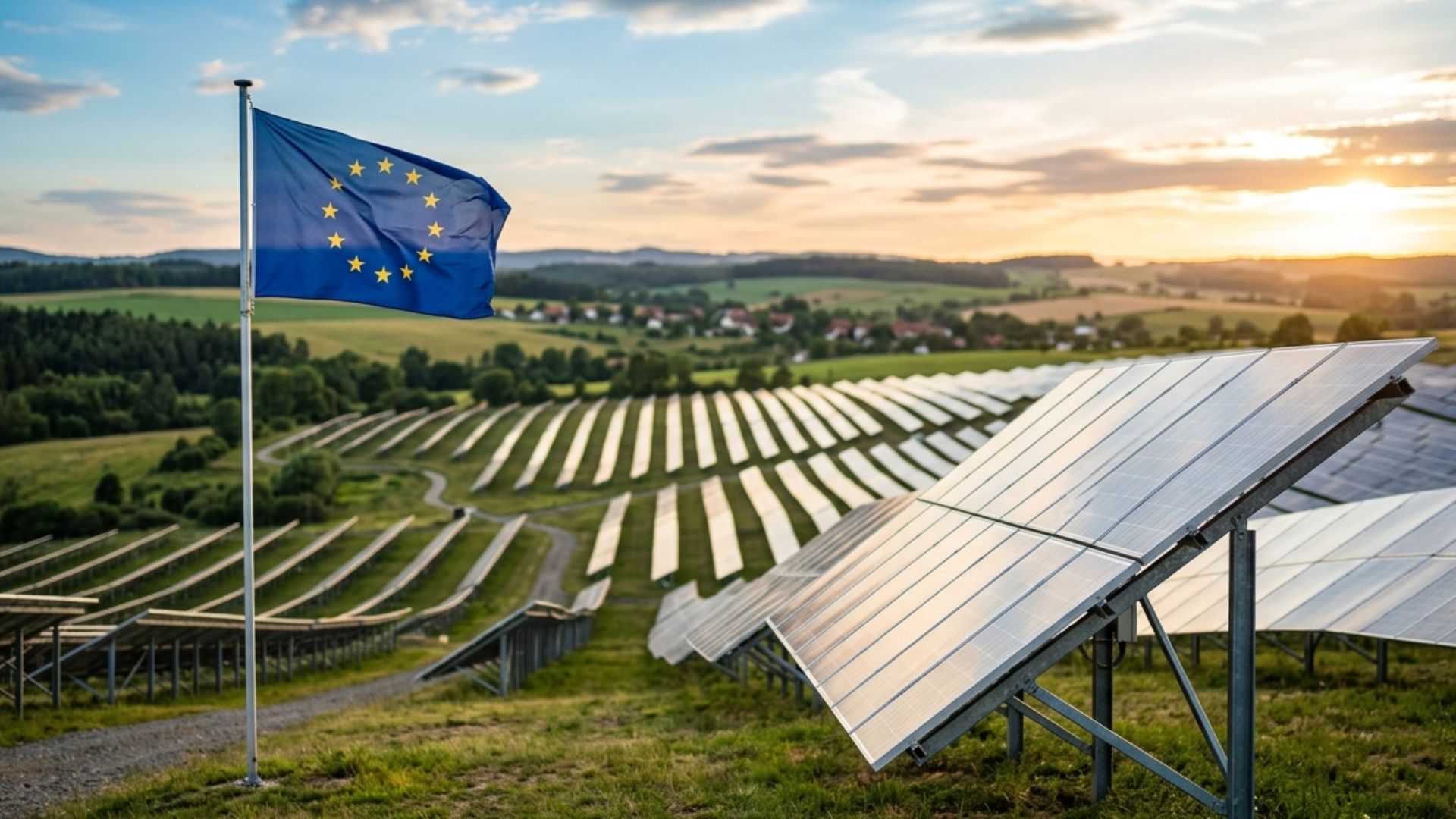
Europe records strong euro economy with solar energy in March and sparks curiosity about which country leads growth that redefines the energy market and reduces costs.
-
Piauí reaches a historic milestone in energy transition: State records nearly 160,000 households powered by solar energy and leads growth in the Northeast.
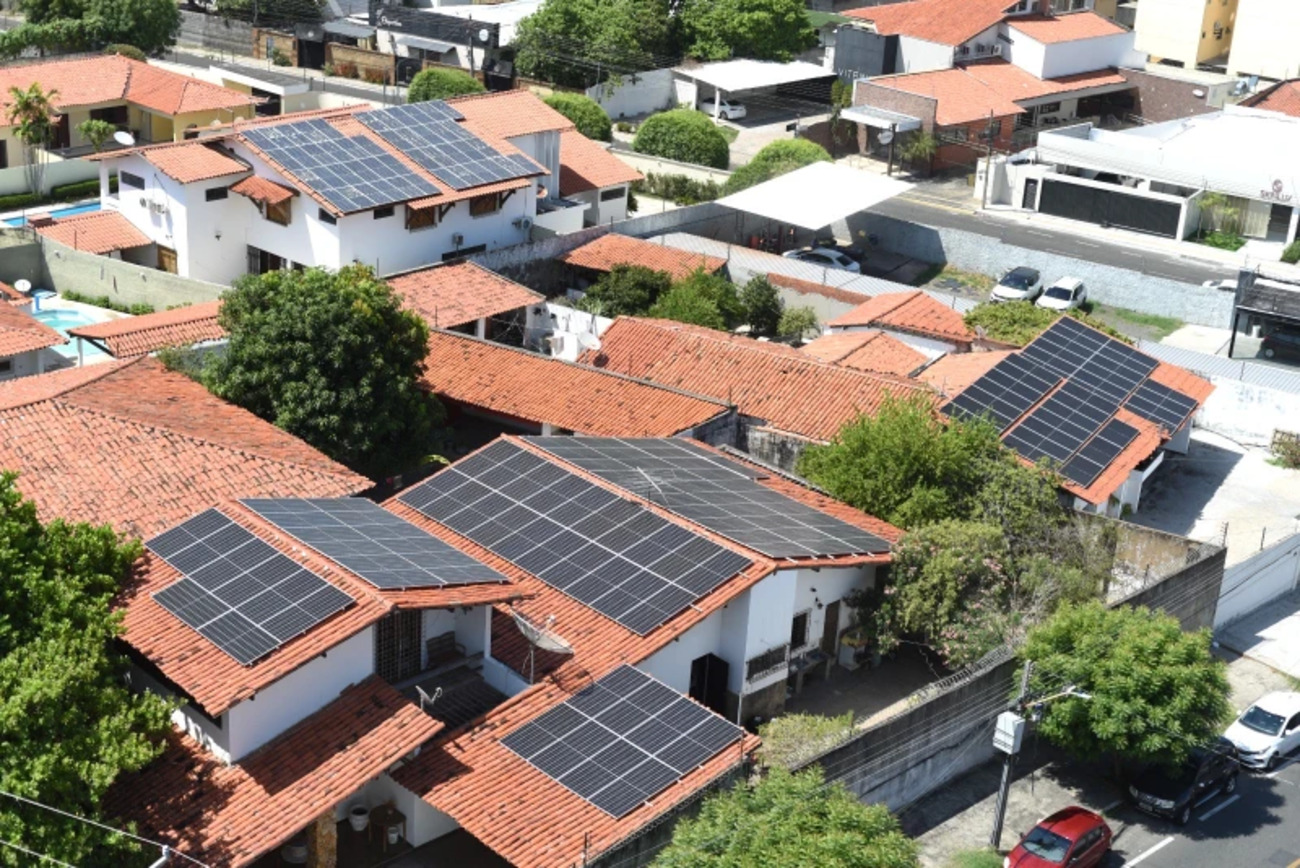

In recent years, numerous projects have transformed the urban landscape of Teresina. Municipal schools, health units, and secretariats have gained solar generation systems capable of meeting a significant portion of energy demand.
These initiatives, combined with the expansion of distributed generation in residences and businesses, have been generating significant savings on energy bills and stimulating the growth of a local production chain. The solar sector has created new jobs and attracted investments in clean technology, consolidating the city as a regional hub for renewable energy.
Sustainability and Competitiveness Go Hand in Hand
The impacts of solar energy extend beyond economic benefits. The advancement of this energy matrix is reducing greenhouse gas emissions, contributing to a cleaner and healthier environment.
Teresina, which faces high temperatures for much of the year, harnesses the sun’s potential to strengthen its energy resilience and reduce dependence on polluting sources. This strategy aligns the municipality with global commitments to decarbonization and sustainability.
The consolidation of solar energy as the foundation of the local electricity matrix has also stimulated entrepreneurship and technological innovation. Startups and small businesses have emerged focusing on sustainable solutions, from intelligent monitoring of photovoltaic systems to repurposing panel waste.
These initiatives are creating a green innovation ecosystem and positioning Teresina as a reference center in energy transition. The growing interest in solar projects also strengthens the professional training sector, with courses and training aimed at developing specialized technicians and engineers.
Promising Future for Solar Energy in Teresina
The outlook for Teresina is one of continuous expansion. The city already has new solar projects in the implementation phase, both in the public and private sectors, which should further increase the installed capacity in the coming years.
Experts point out that, with the current growth rate, the capital of Piauí could become one of Brazil’s main solar generation hubs. The challenge now is to ensure that infrastructure and urban planning keep pace with this evolution, ensuring energy security, environmental sustainability, and balanced economic development.
Teresina’s journey shows that it is possible to unite economic development and environmental responsibility. The northeastern capital has managed to transform its greatest natural resource—the sun—into a powerful tool for sustainable growth.
With consistent public policies, social engagement, and a strategic vision for the future, Teresina proves that solar energy is more than just a clean alternative: it is the path to a greener, more innovative, and resilient Brazil.







I must say this article is extremely well written, insightful, and packed with valuable knowledge that shows the author’s deep expertise on the subject, and I truly appreciate the time and effort that has gone into creating such high-quality content because it is not only helpful but also inspiring for readers like me who are always looking for trustworthy resources online. Keep up the good work and write more. i am a follower.