





 Portuguese
  English
  Spanish
 3 min of reading


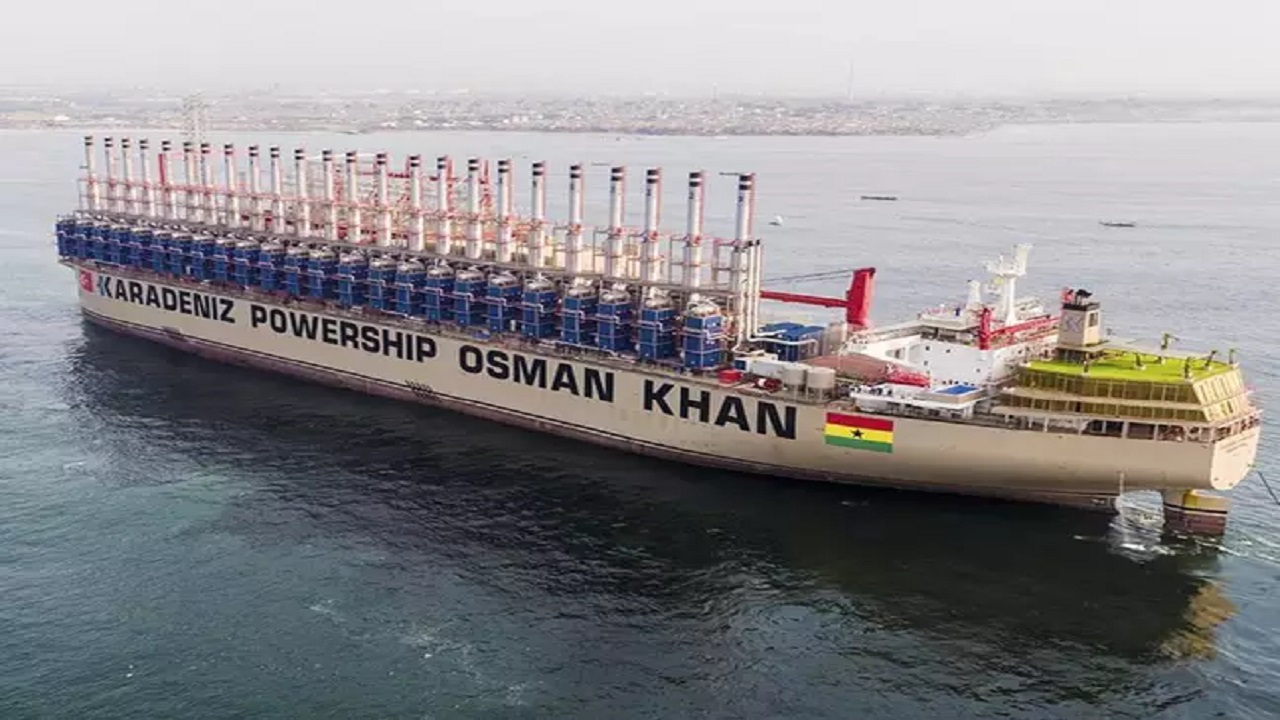
The Federal Government Is Late on Contracts for Its Floating Thermoelectric Plants. The Power Ships That Would Support the Electricity Sector Are Expected to Start Operating Only in August.
The hiring of four power ships by the Federal Government, an emergency measure taken at the end of last year to ensure Brazil’s energy supply, has turned into the latest financial bomb for the electricity sector. Delayed, the initiative of the floating thermoelectric plants has not even turned on a single light in the country, although it has a billion-dollar impact on electricity bills.
Federal Government’s Floating Thermoelectric Plants Will Cost R$ 3 Billion Per Year
According to the contract, the power ships were supposed to have started operations on May 1st. The deadline was a key condition for justifying an agreement made last October, when Brazil faced low water levels in hydroelectric reservoirs and the threat of shortages in the electricity sector this year.
Thus, the Federal Government contracted a simplified competitive procedure at a cost of R$ 3 billion per year. The plan was to publish an emergency notice, without in-depth technical studies, and disregarding basic environmental licensing processes. As a result, everything has been delayed, and none of the floating thermoelectric plants have been activated to date, nor has any infrastructure been anchored in the chosen regions.
-
China could impose a quarantine on Taiwan without firing a shot, using the coast guard and inspections to force submission, blocking trade, raising insurance costs, and leaving the U.S. divided between reacting or accepting.

-
Millions of Brazilians over 60 years old do not know that they need a second document in addition to their ID to use exclusive parking spaces, and the infraction for not carrying it is considered very serious, with fines and vehicle towing.

-
Paraíba shoots up and has the most expensive square meter in the Northeast, and the increase in labor puts the region at the center of pressure, with Bahia recording the highest monthly increase in Brazil in construction.

-
BNDES and a Chinese bank create a billion-dollar fund of $1 billion to invest in Brazil in energy, infrastructure, mining, agriculture, and AI.

The project for the power ships is unprecedented in the country, and the vessels from the Turkish company Karpowership operate as large floating thermoelectric plants. They would be anchored in Sepetiba Bay, three kilometers off the coast of Rio de Janeiro, to be connected to a 15 km power transmission line that would stretch from the sea to a power substation on the coast. From there, the electricity would be sent across the country via the National Interconnected System.
Federal Government Power Ships Can Generate 560 MW
The most optimistic current timeline predicts that the floating thermoelectric plants will start generating electricity for the electricity sector on August 1st, that is, three months after the originally required deadline, when the generation from the thermal plants was also justifiable due to the so-called dry season, which runs from April to November.
In practice, about half of that period will have already passed, not to mention that it has rained significantly this year in most parts of Brazil, leading the electricity sector to shut down the thermal plants, which generate more expensive electricity, also ending the use of additional charges included in electricity bills.
It is important to highlight that the floating thermoelectric plants contracted by the Federal Government have already been built and are operating in other countries, capable of generating up to 560 MW of power, which could supply about 2 million people.
Other Delayed Contracts
In addition to the floating thermoelectric plants, the thermal plants from Âmbar Energia, which belongs to the J&F group, are also delayed and are under pressure from the Federal Court of Accounts (TCU), after Aneel decided to suspend the charges for delays in the operation of the plants.
For consumers, what remains is an extra cost, estimated at more than seven times the average price contracted in other auctions.
To cover all the energy contracted in last year’s emergency auction, an annual payment of R$ 11.7 billion to the companies is expected. Of that total, R$ 9 billion will be passed on to electricity bills.







Seja o primeiro a reagir!